Pros and Cons: Instructor-Led CPR Training vs. Self-Directed CPR Training
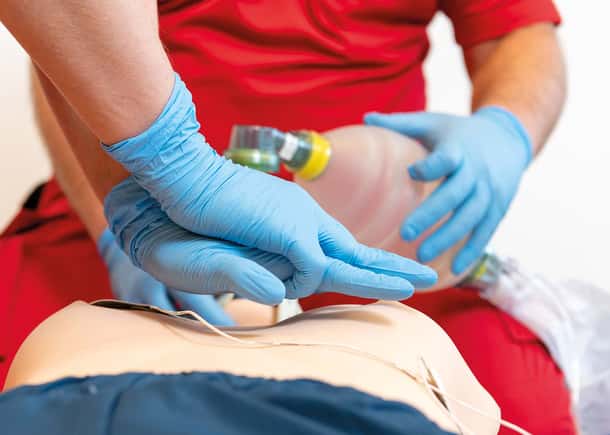
When it comes to Cardiopulmonary Resuscitation (CPR) training, healthcare professionals and laypersons alike have various learning options available. Two popular methods are instructor-led training and self-directed training. Each approach has its unique advantages and disadvantages. This article explores the pros and cons of both training methods to help you make an informed decision.

Personalized Feedback: Instructors provide personalized, live feedback on technique, allowing participants to correct mistakes immediately.
Structured Learning Environment: The training is organized with a clear curriculum, ensuring all critical topics are covered.
Hands-On Practice: Participants benefit from hands-on experience with manikins and equipment under the guidance of an expert.
Team Dynamics: Opportunities to practice teamwork and communication in a group setting enhance the learning experience.
Time Constraints: Instructor-led classes often have set schedules, which may not accommodate everyone’s availability.
Pace: The pace of the class may not suit all learners, as some may benefit from moving faster or slower through the material.
In this Virtual SUN, hear from Mike Helbock, who sits on the faculty at the world-renowned Resuscitation Academy in Seattle, Washington. Mike will share how you can leverage today’s teaching technology to truly practice how you perform.
Flexibility: Learners can choose when and where to complete their training, making it more convenient for busy schedules.
Cost-Effective: Online courses or self-study materials are often more cost-effective than instructor-led sessions.
Personalized Pace: Participants can learn at their own speed, spending more time on challenging concepts as needed.
Access to Resources: Self-directed training often includes a wealth of online resources, videos, and interactive materials.
Self-Motivation Required: Learners must be self-motivated to complete the training, which may be challenging for some individuals.
Potential for missed instruction: Although self-directed material is improving, especially with the advent of AI, some students may miss the benefits of a live instructor.
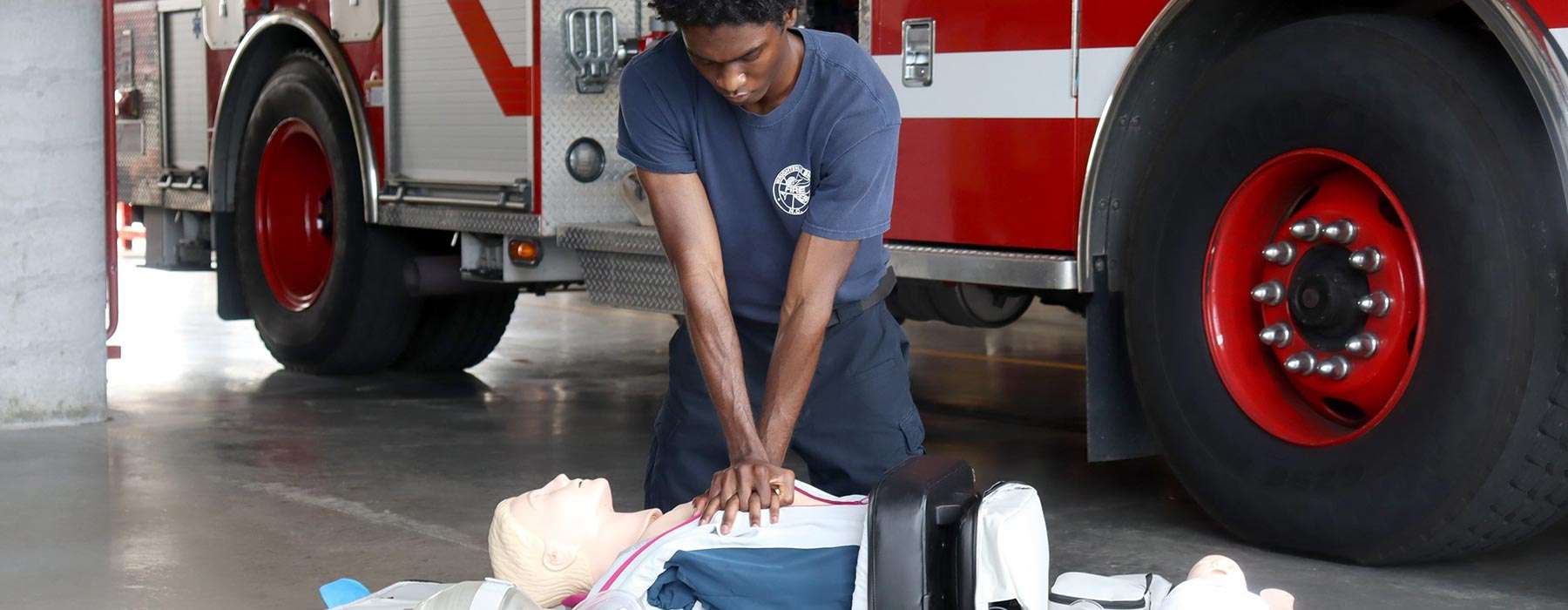
Learn how the Columbus Division of Fire is raising the bar for CPR training for its firefighters through the Resuscitation Quality Improvement® (RQI®) program.
Both instructor-led and self-directed CPR training have their respective advantages and disadvantages. Instructor-led training offers personalized feedback and hands-on practice in a structured environment, while self-directed training provides flexibility and cost savings.
Ultimately, the choice between these methods depends on individual learning preferences, availability, and the specific training needs of the participants. At Laerdal Medical, we are committed to supporting effective CPR training through both approaches, ensuring that everyone has access to the skills needed to save lives.