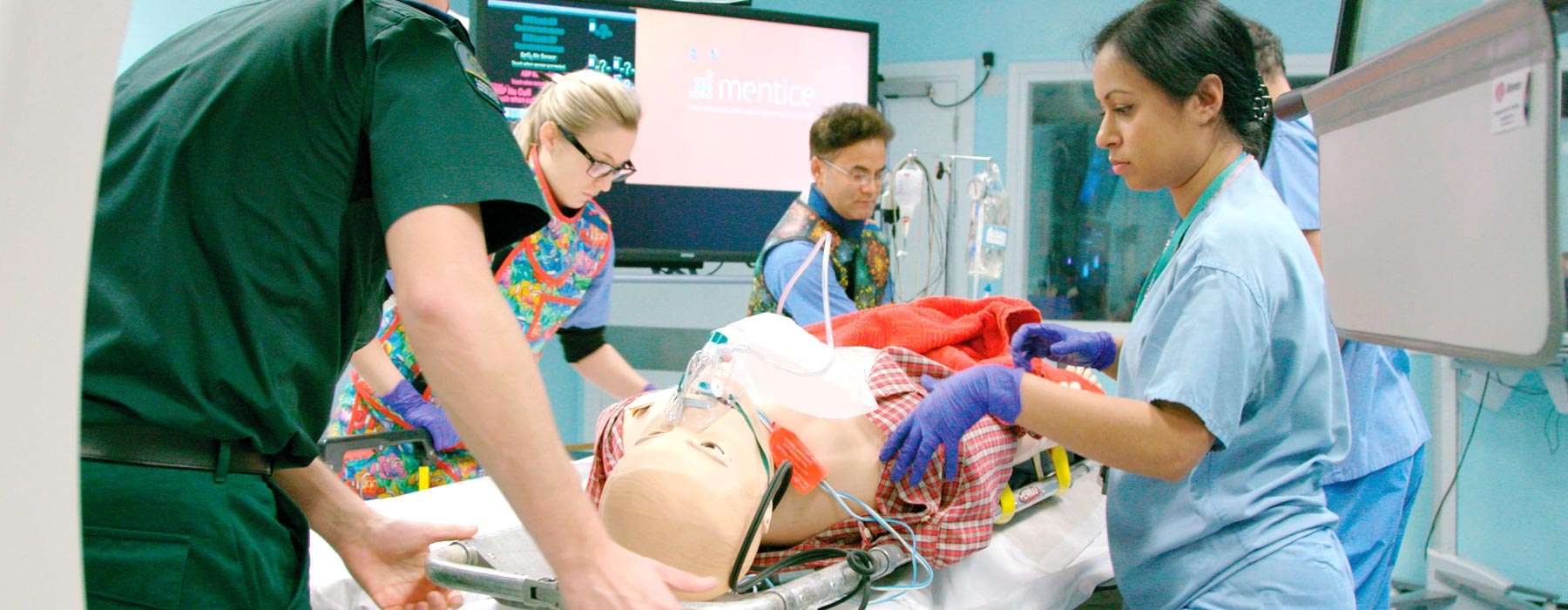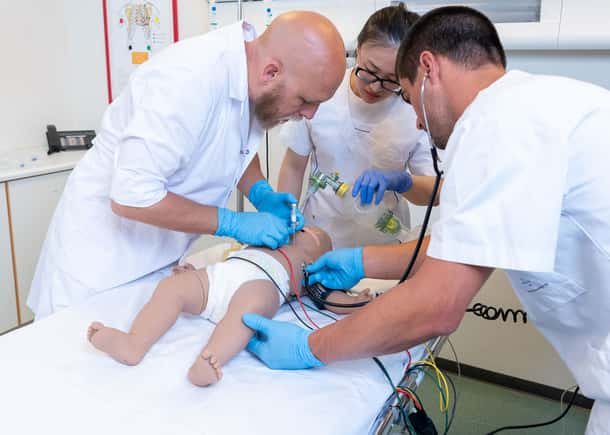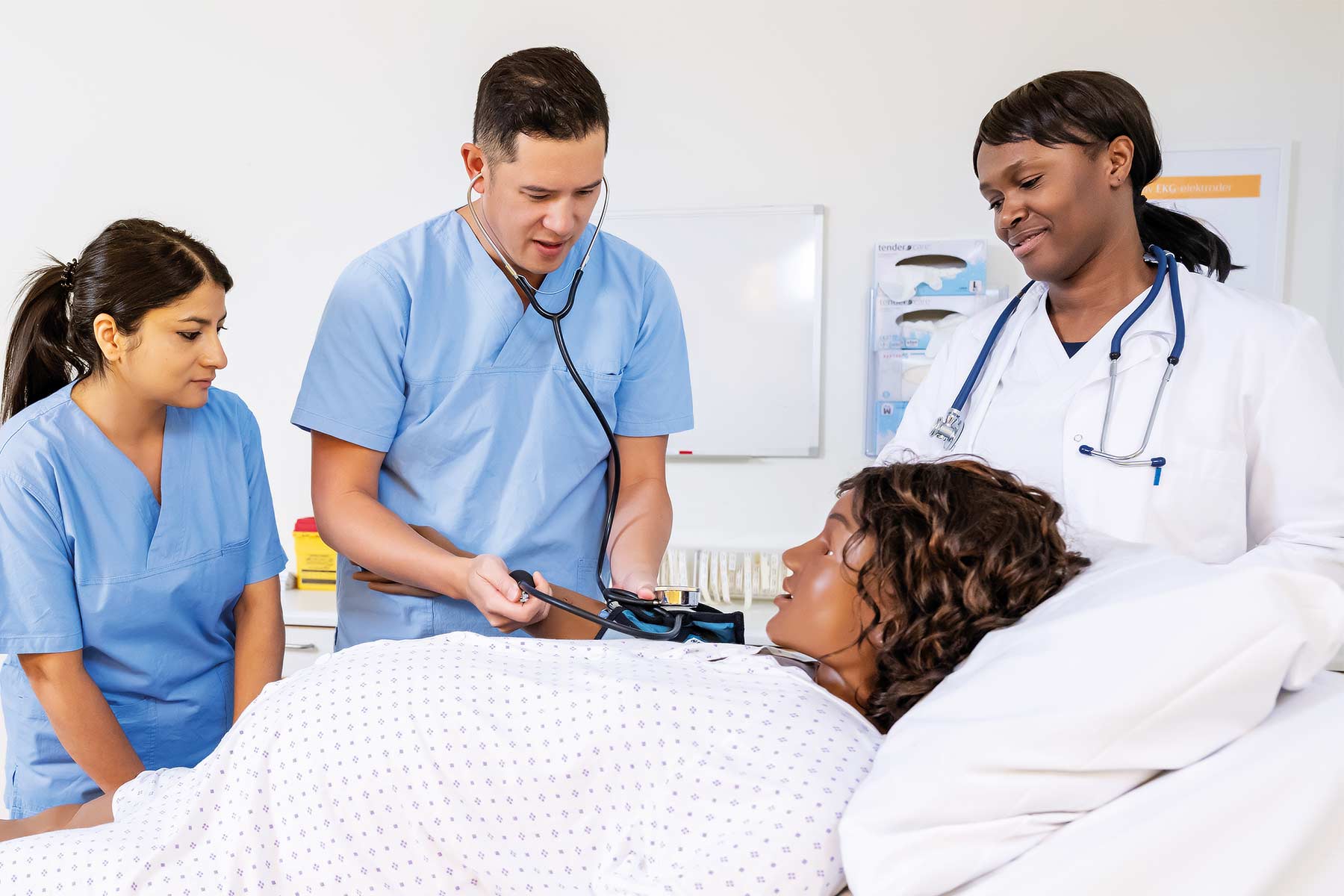
How exactly might simulation-based team training have made an impact on the clinicians’ sick leave rates? One likely explanation involves stress – and how it’s connected to team relationships.
The study points out that simulation-based team training fosters strong professional connections and a supportive work environment. These benefits, the study explains, may act as "vital buffers" against chronic stress.
While definitions of stress vary across the literature, stress can generally be described as “what arises when something you care about is at stake."7 Stress has been found to be a key factor associated with sick leave in healthcare.8 And, prolonged periods of high stress often lead to burnout.9
Clinicians' feelings about the quality of their team interactions play a considerable role in their stress levels.10
A 2023 survey of 2,300 U.S. healthcare professionals found that nearly 10% of their stressors involve team factors – including work relationships, team member interactions, and work culture.11
And, research from 2021 found that healthcare professionals who felt like they were part of a team had significantly less work stress and burnout.12
These factors help explain how simulation-based team training can make an impact on sick leave rates. The increased communication, collaboration, and other teamwork elements that clinicians gain through simulation can help protect them from some of the stress that contributes to sick leave rates.