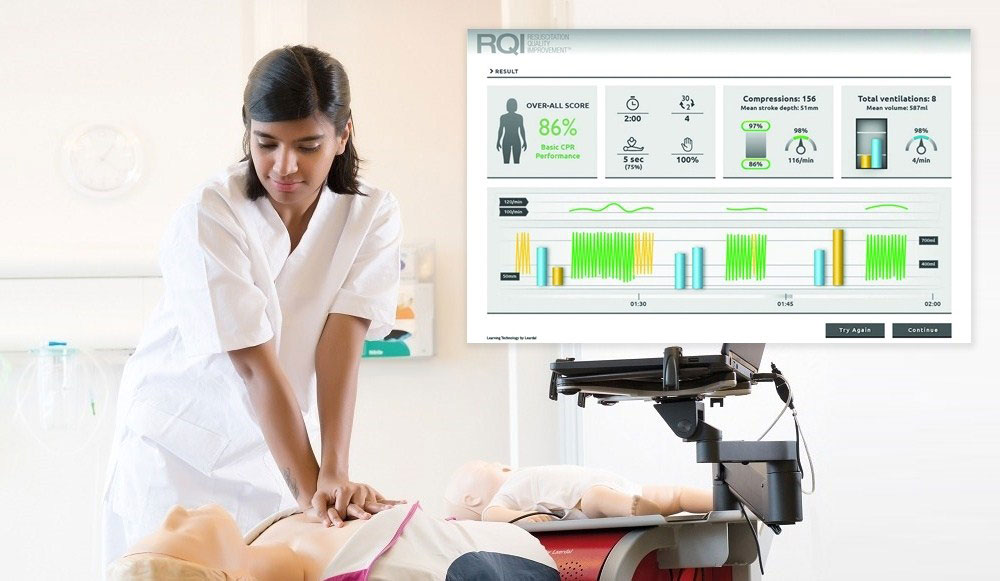
Resuscitation Quality Improvement
A Revolutionary new way for resuscitation training dat helping to tackle plenty common challenges in resuscitation training today.


Simulation serves as both a teaching modality and an assessment strategy, enabling students to develop and demonstrate competencies. By observing student performance in simulated scenarios, educators can accurately identify strengths and areas for improvement.
Solutions may fit multiple use models or scenarios. Consider your unique needs when exploring.
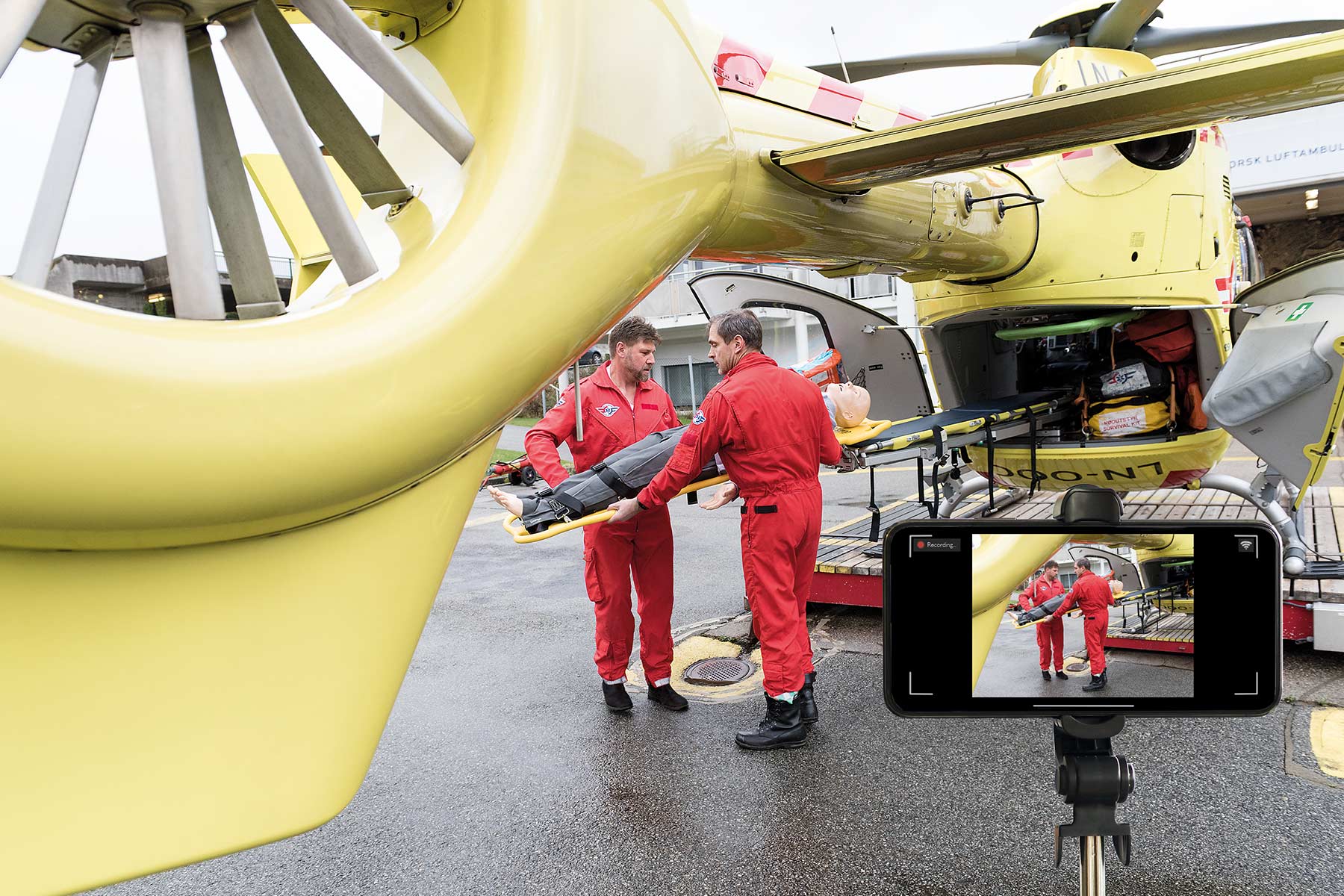
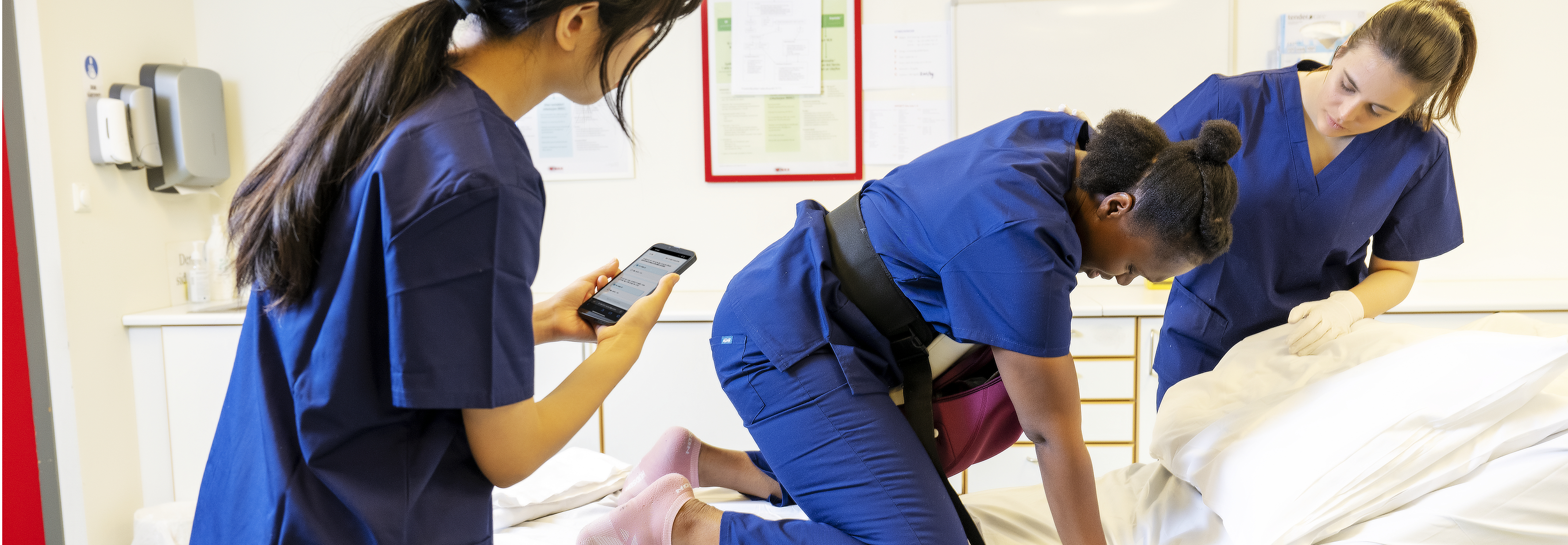
Shows fundamental knowledge of tasks and hands-on performance
Healthcare demands a special mix of deep critical thinking alongside practical hands-on tasks. Developing key psychomotor skills early on in a learner’s journey toward mastery helps them smoothly apply those skills later without stress or distraction in tougher scenarios. Evaluating these skills early with effective and at times automatic methods ensures their progress.
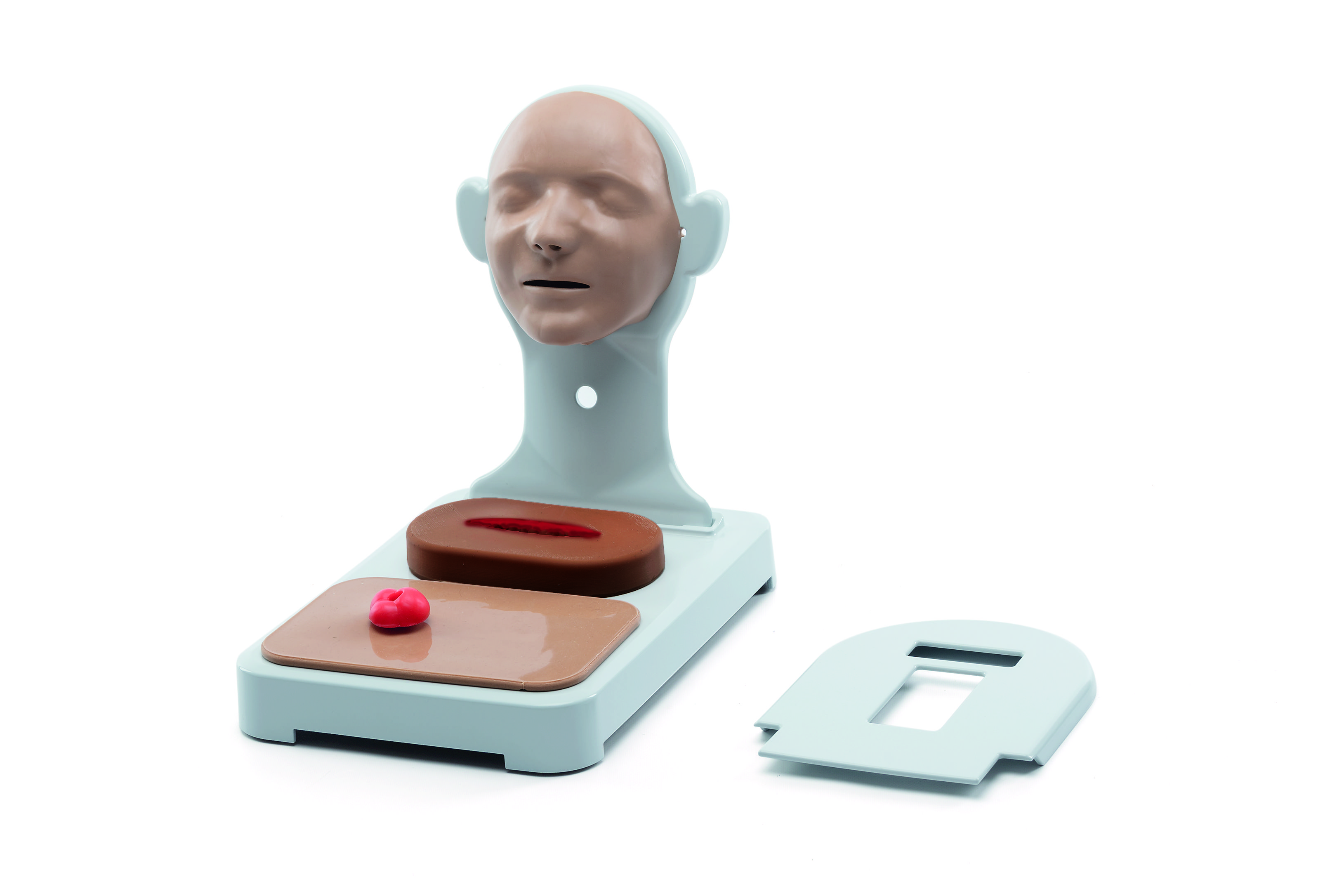
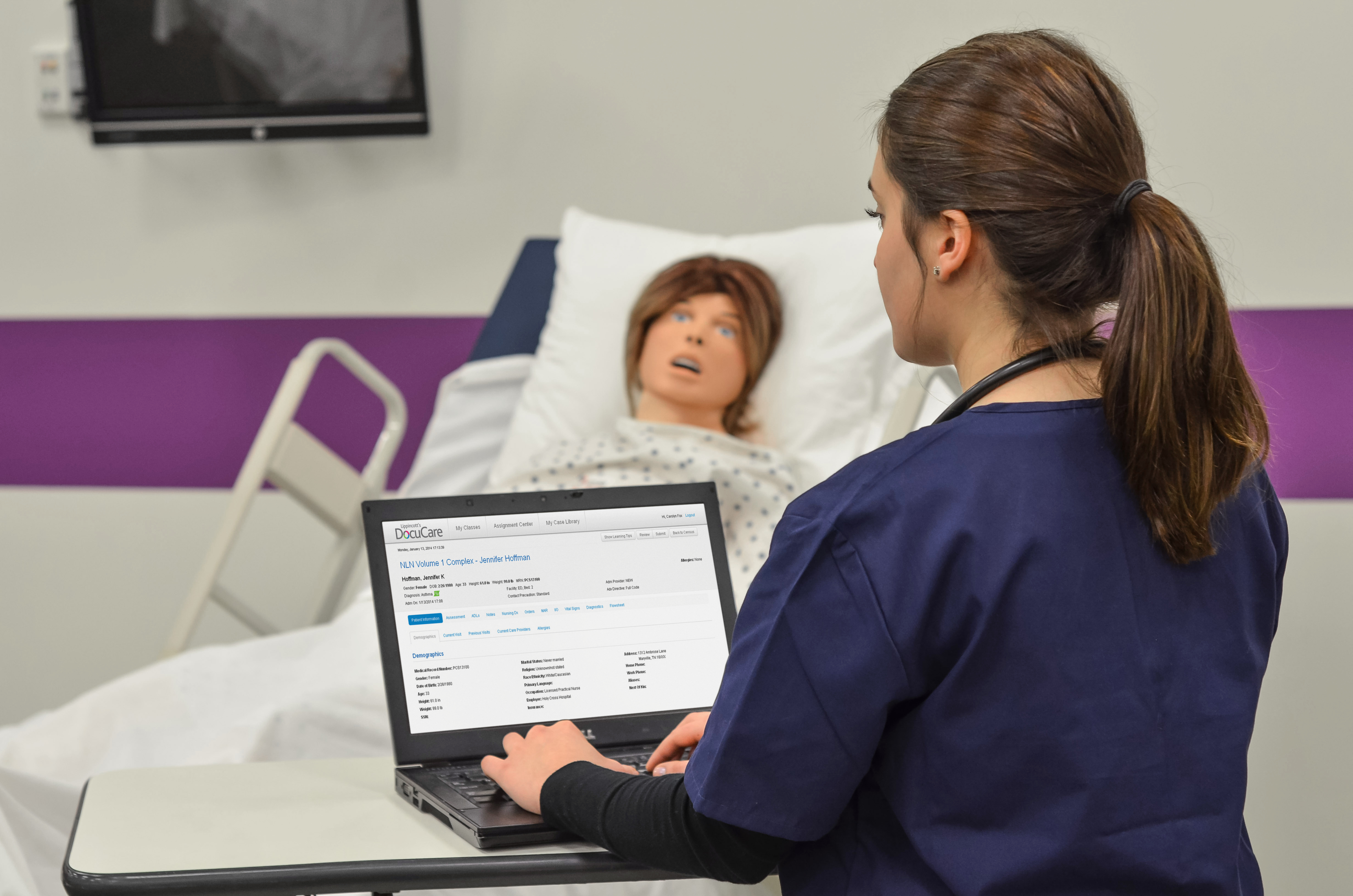
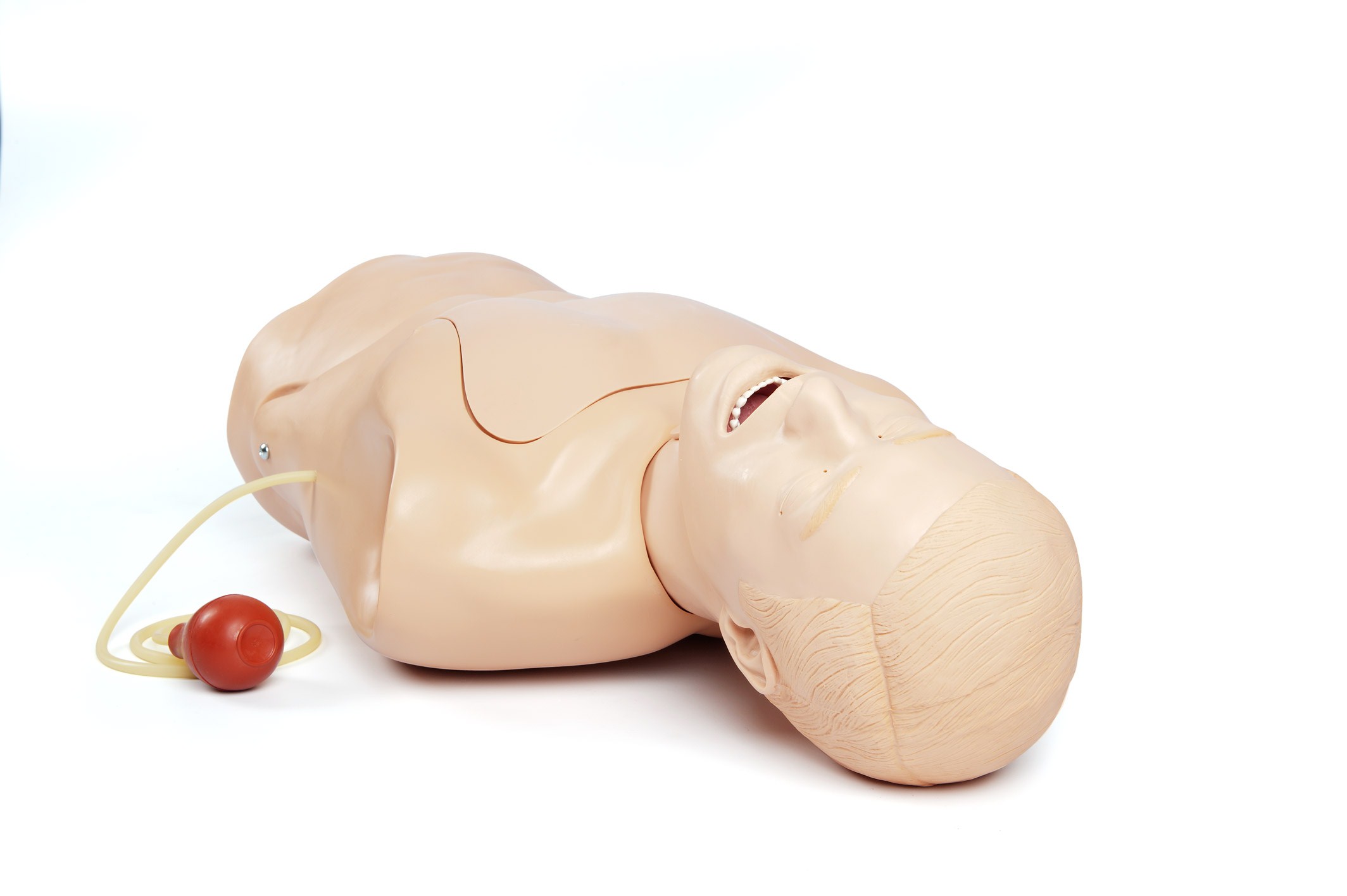
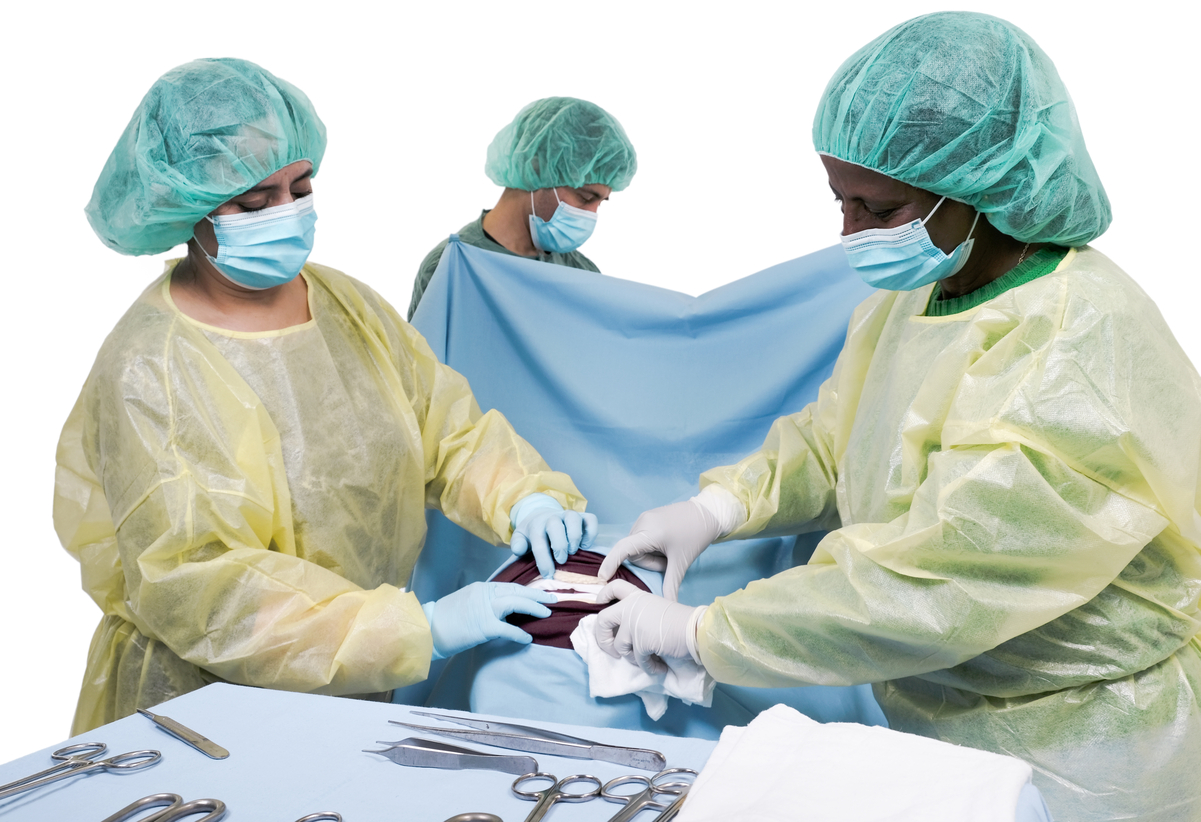
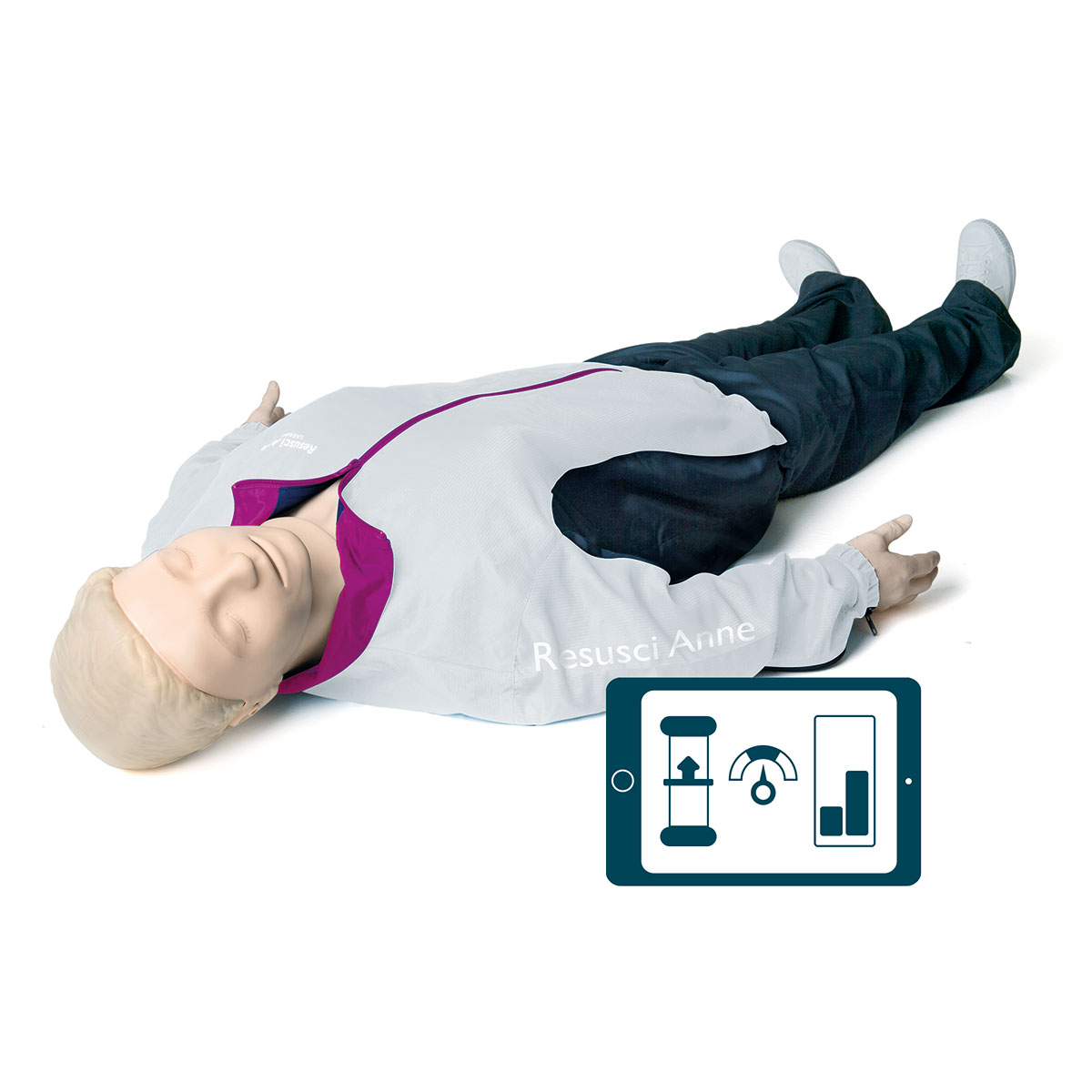
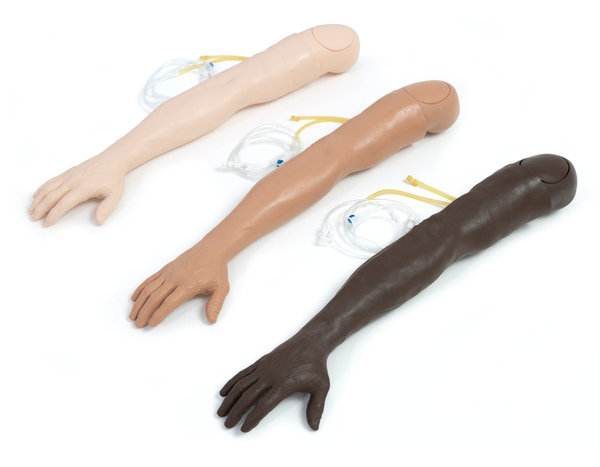
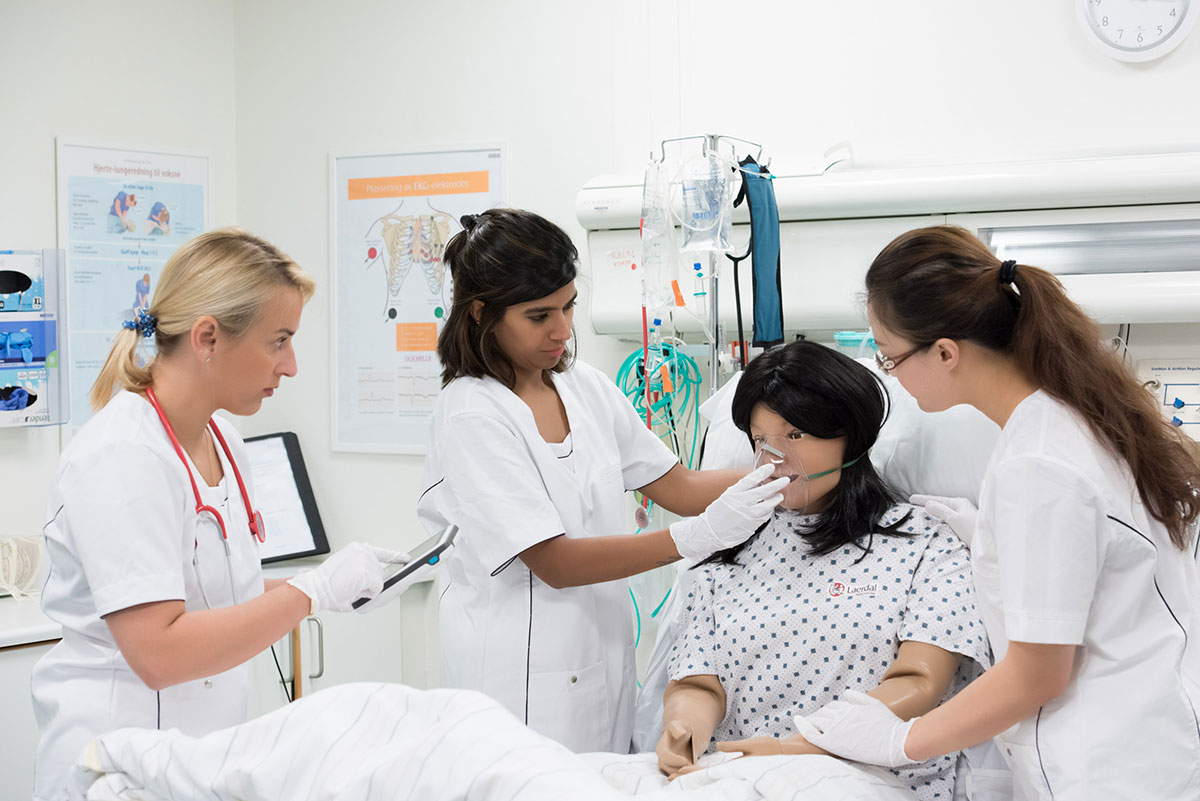
Showcasing basic decision-making skills in different situations
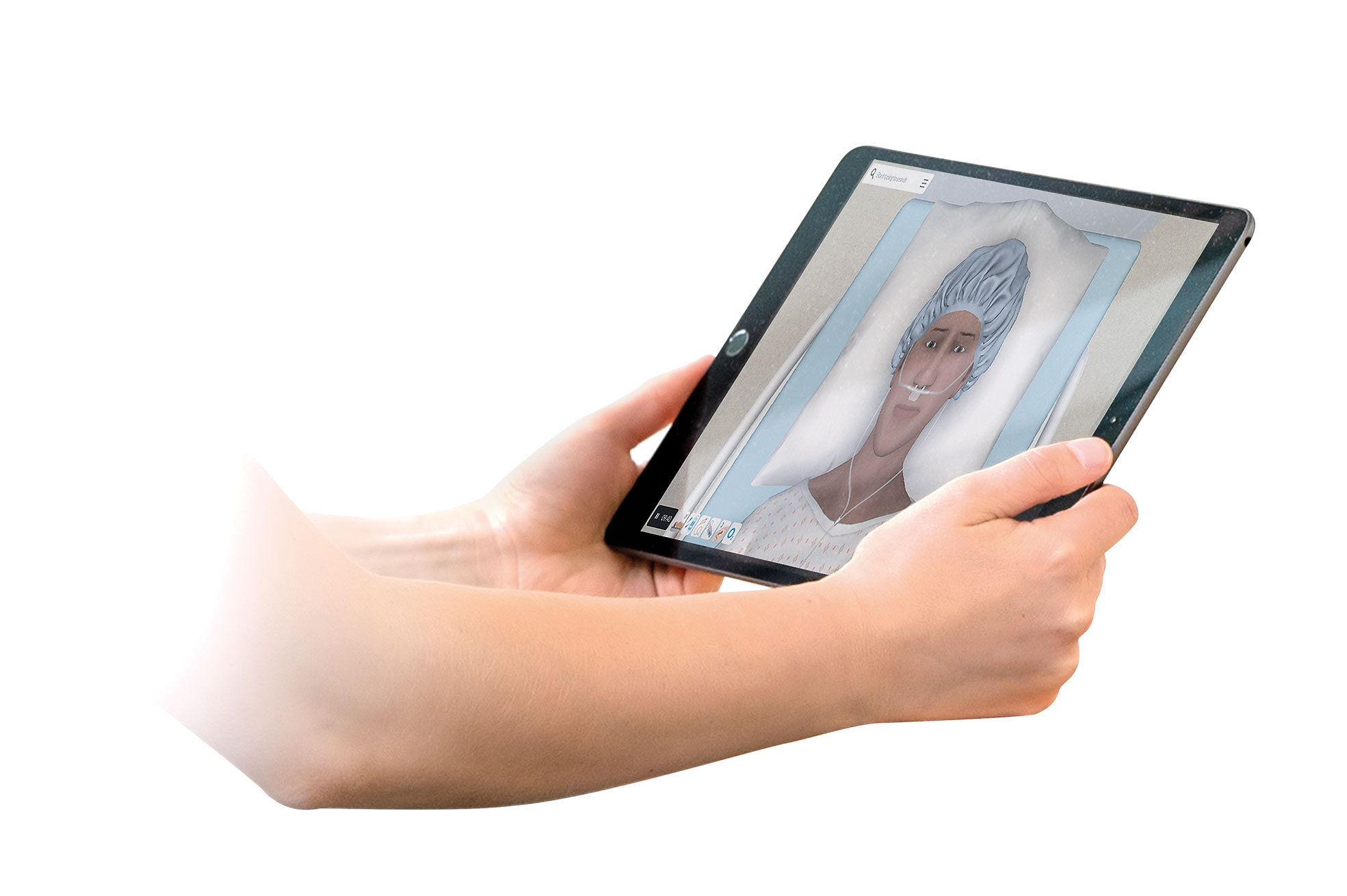
At this point, learners start to grasp the fundamentals of decision-making models and care pathways. They begin to engage in critical thinking and realize that both success and failure are possible outcomes. Learners who struggle with summative exams often haven't encountered formative or ongoing course assessments. Select a simulation tool that helps you evaluate what your learners need to excel in the next phase of their skill development.
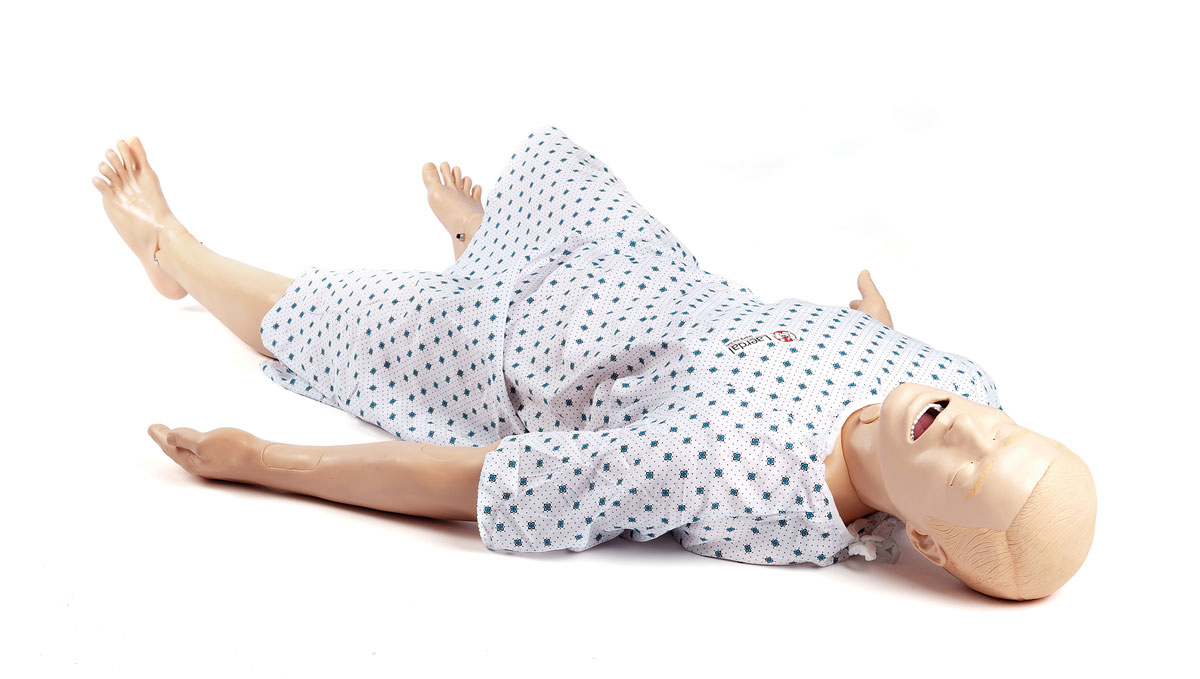
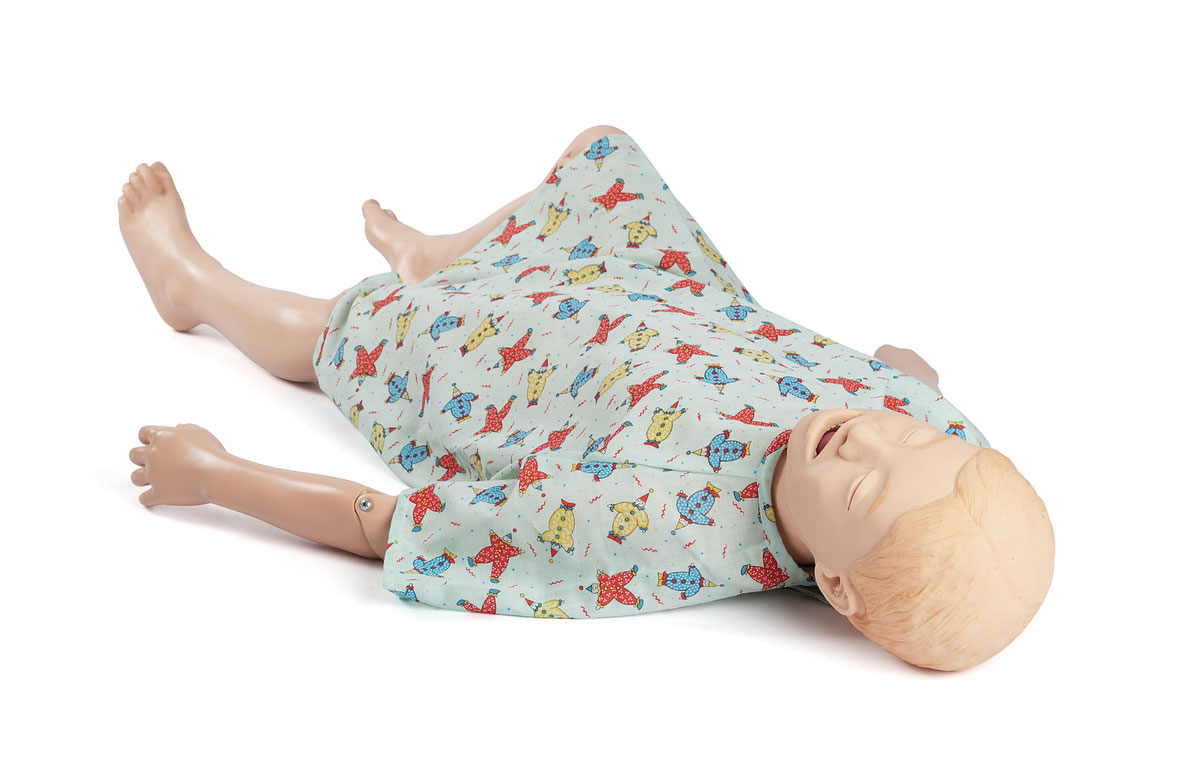
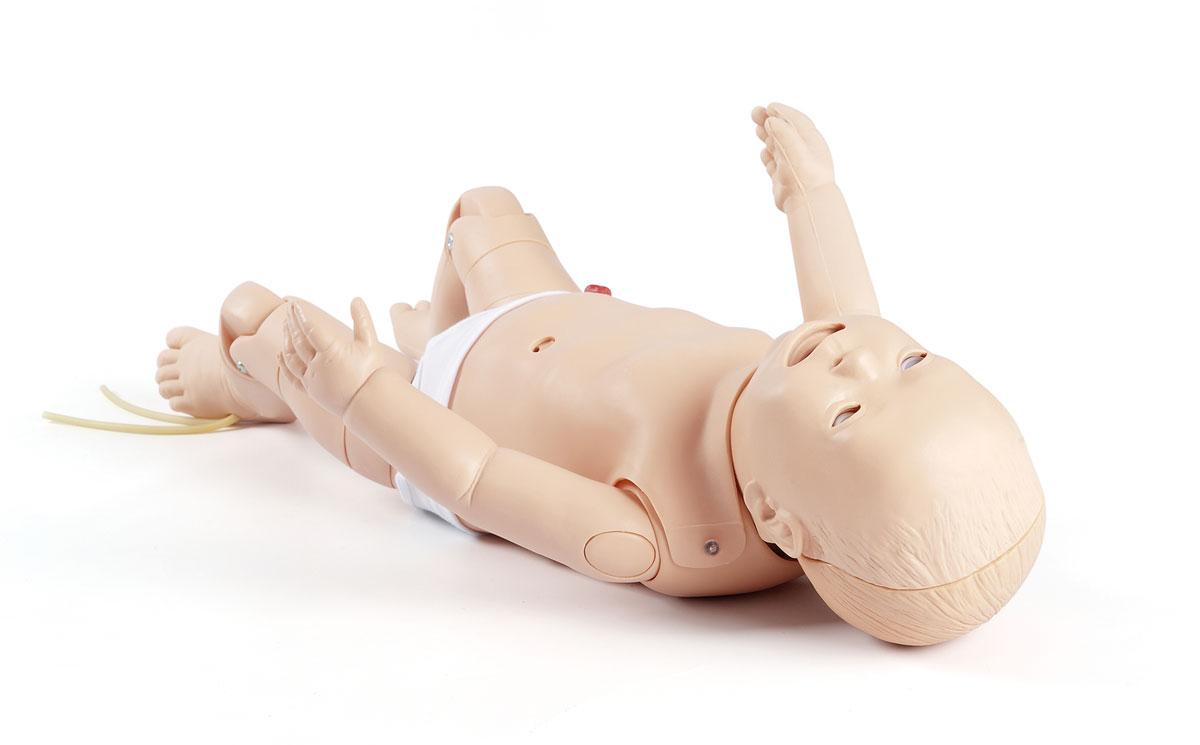
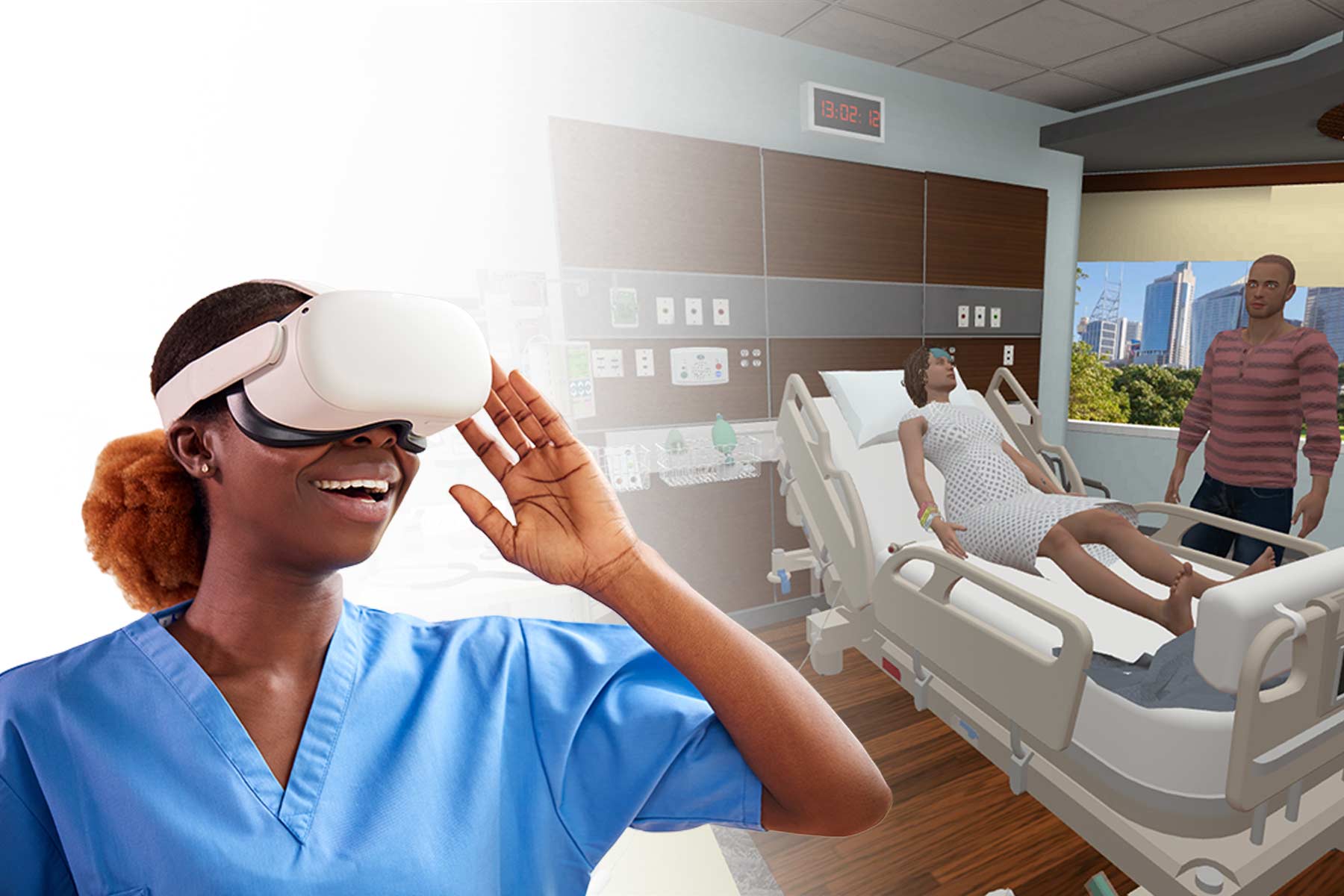
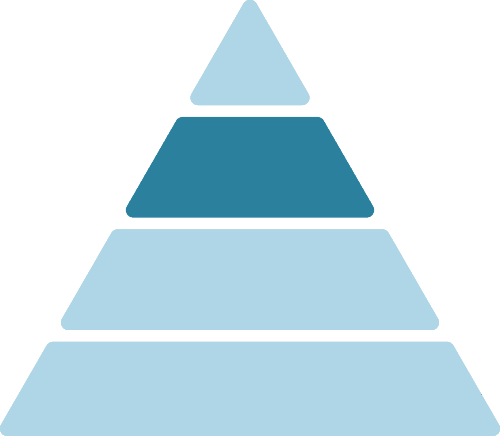
Demonstrates advanced decision-making along with team-based competencies
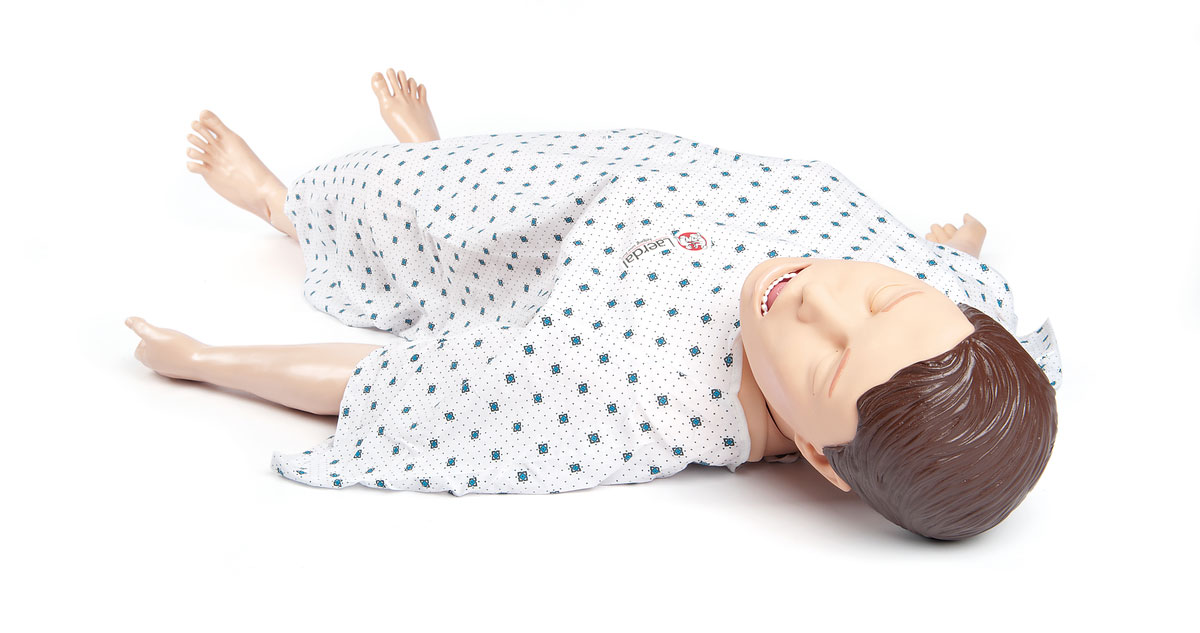
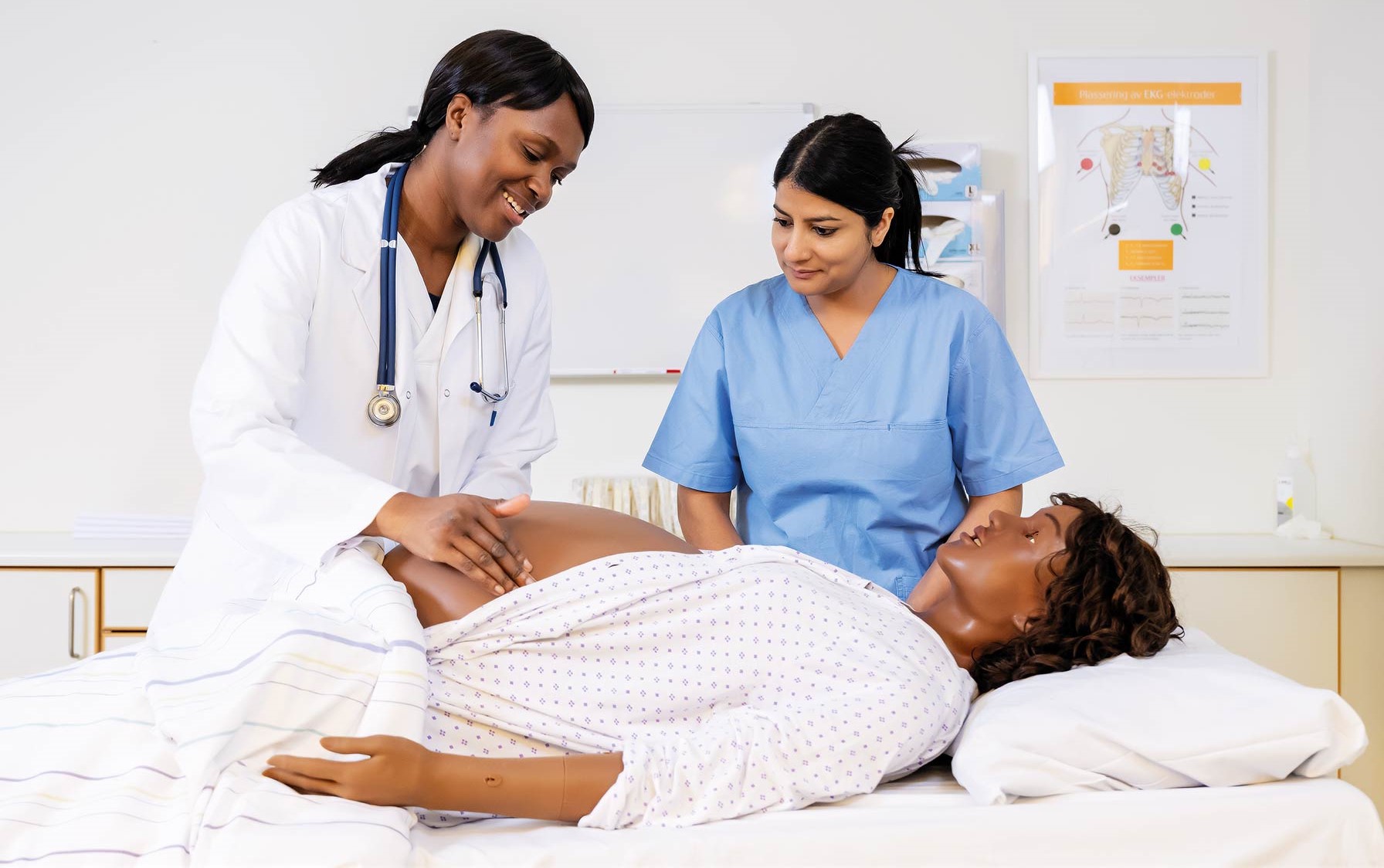
Learners experiencing the benefits of assessments at this level should already be used to formative assessments and to the process of coaching and guided self-reflection. What you need to assess in this area is what you will need to train to. You may be performing summative assessments like Observed Structured Clinical Exams (OSCEs) or you may still be performing formative assessments. In either case, Laerdal offers simulators and digital solutions that can test advanced level decision making in teams during acute emergent situations.

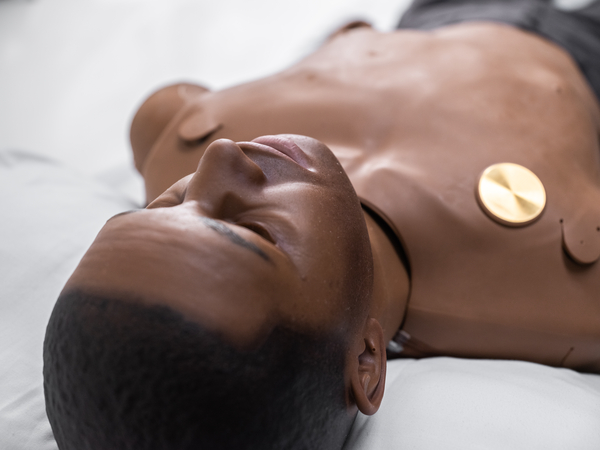
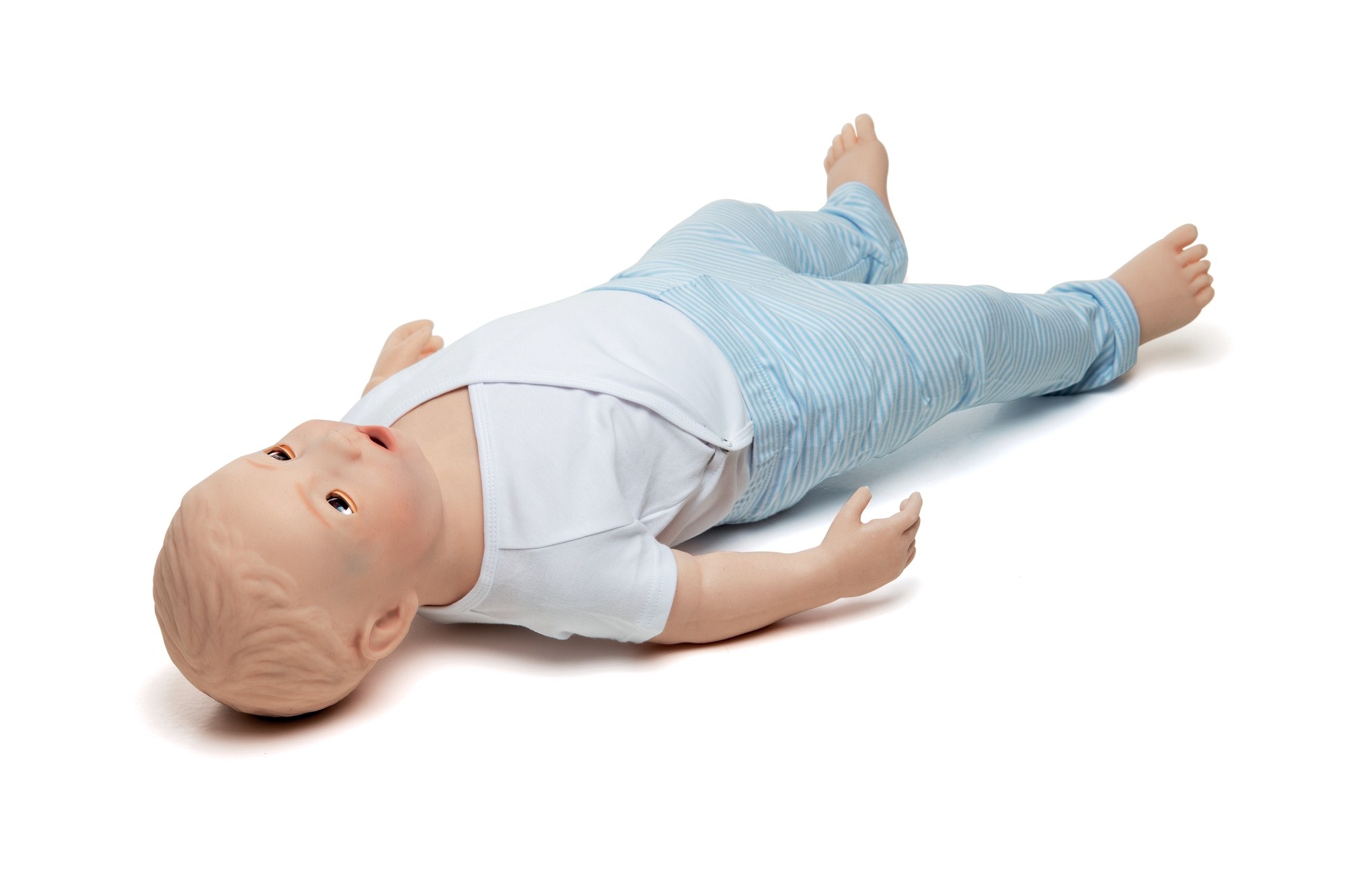
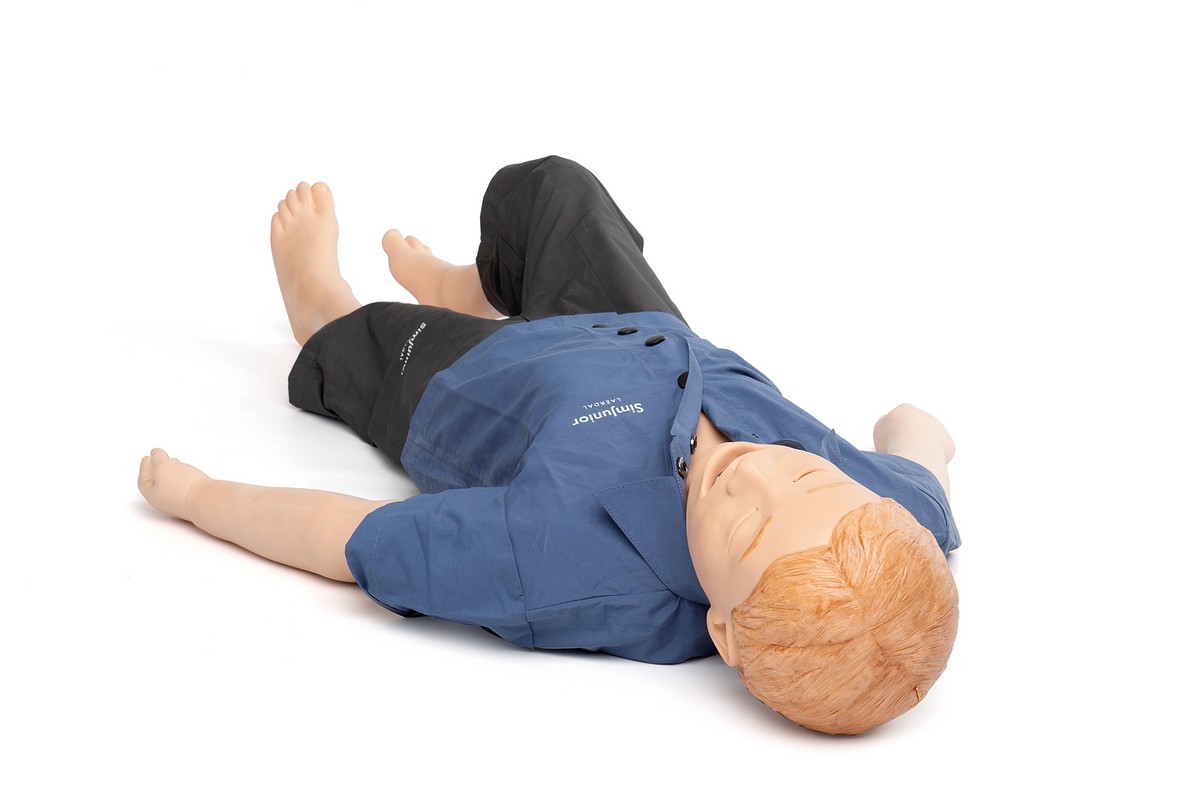

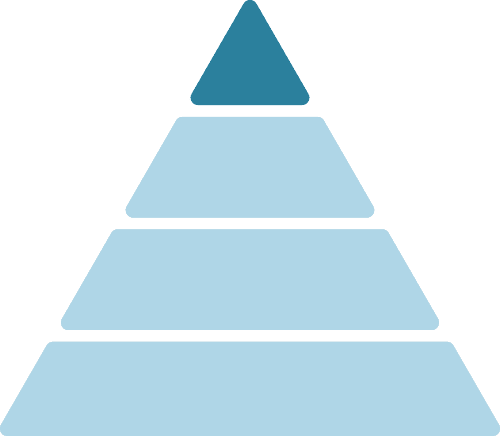
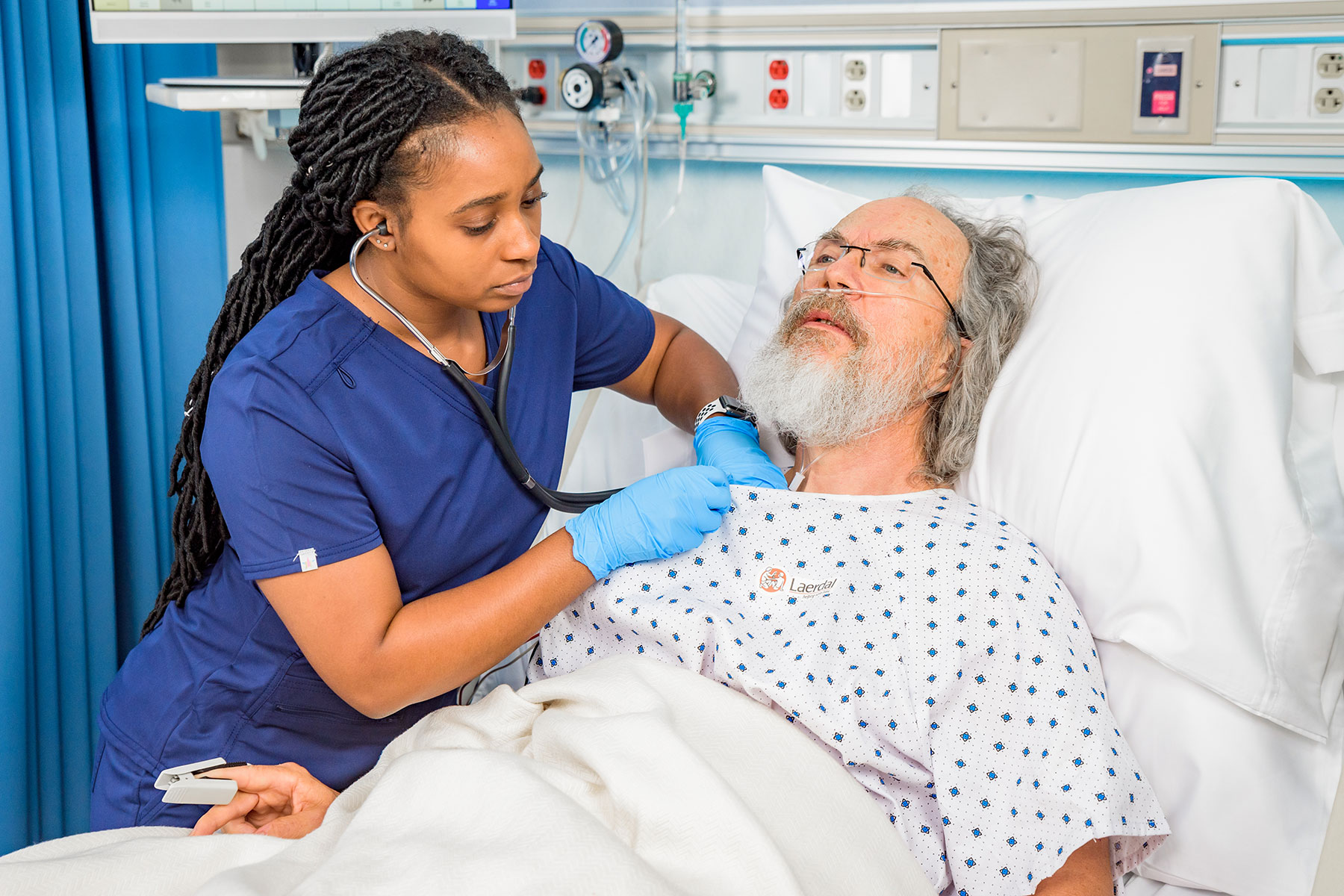
Demonstrates competencies during real clinical practice
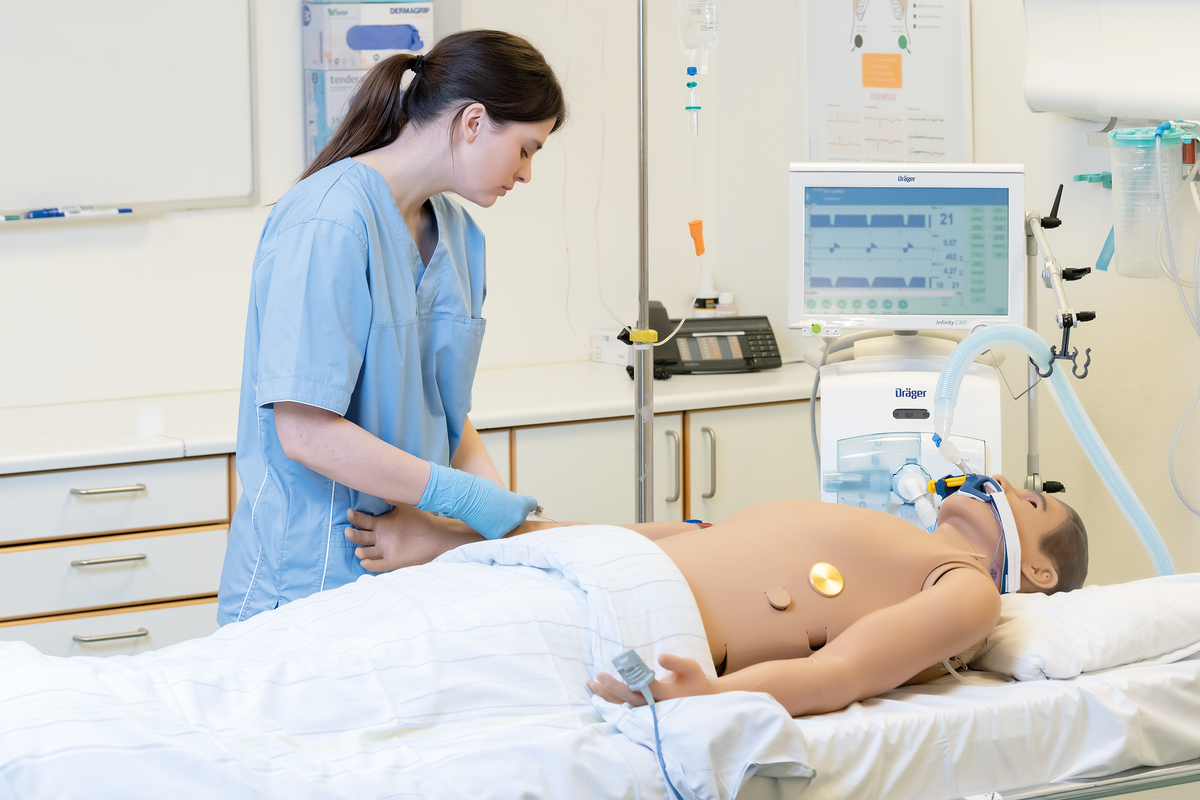
There comes a point in a learner's progression where you will want to introduce your learners to a situationally realistic environment—an environment that challenges and develops their abilities to perform in authentic circumstances. Assessments at this level deserve to be captured and tracked digitally for consistency, efficiency, and transparency. Where simulators are used, we recommend the highest fidelity possible.

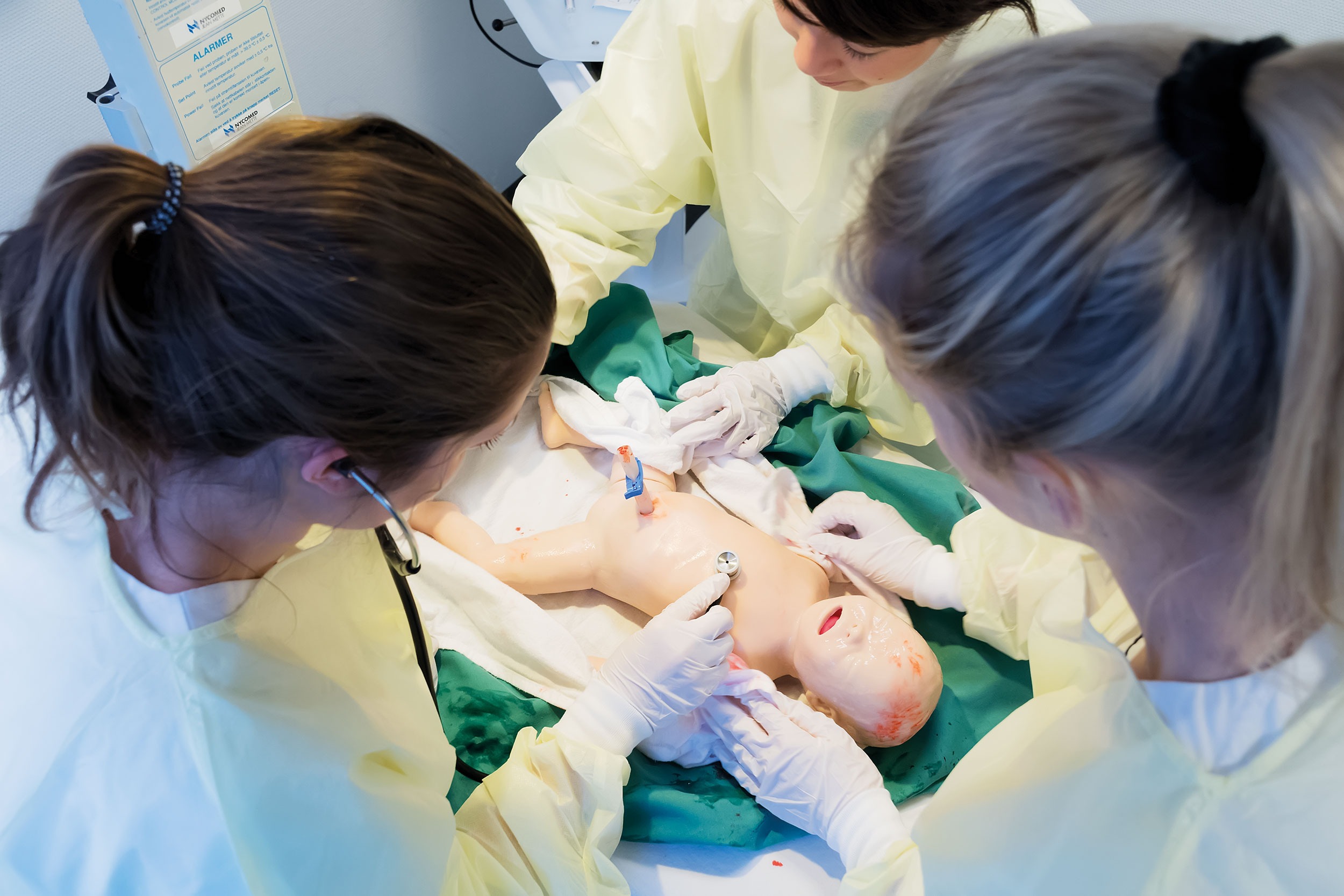
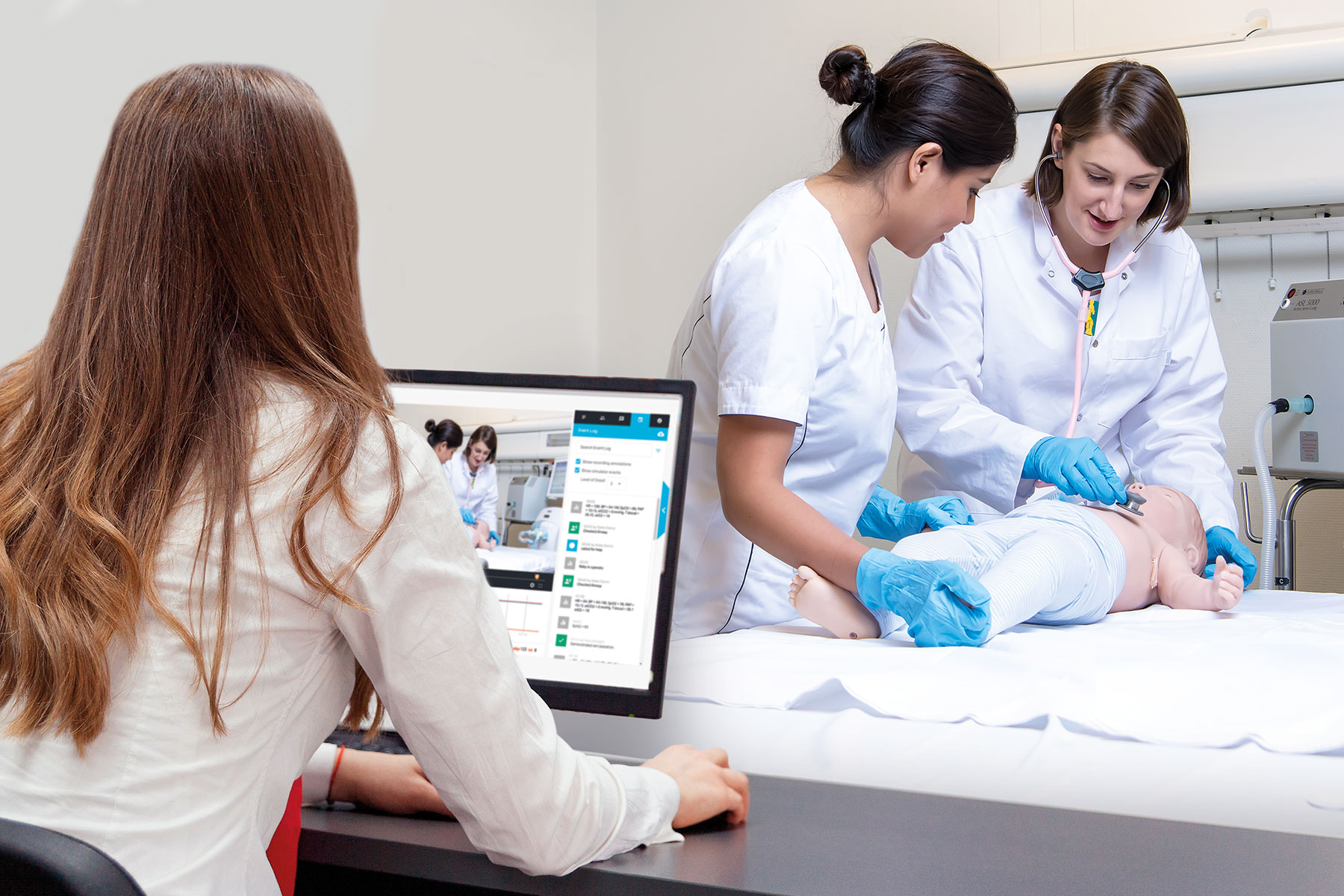
You can track competencies during every simulation activity. By combining data from course outcomes, objectives, and both formative and summative assessments, you can effectively measure and evaluate overall competency.
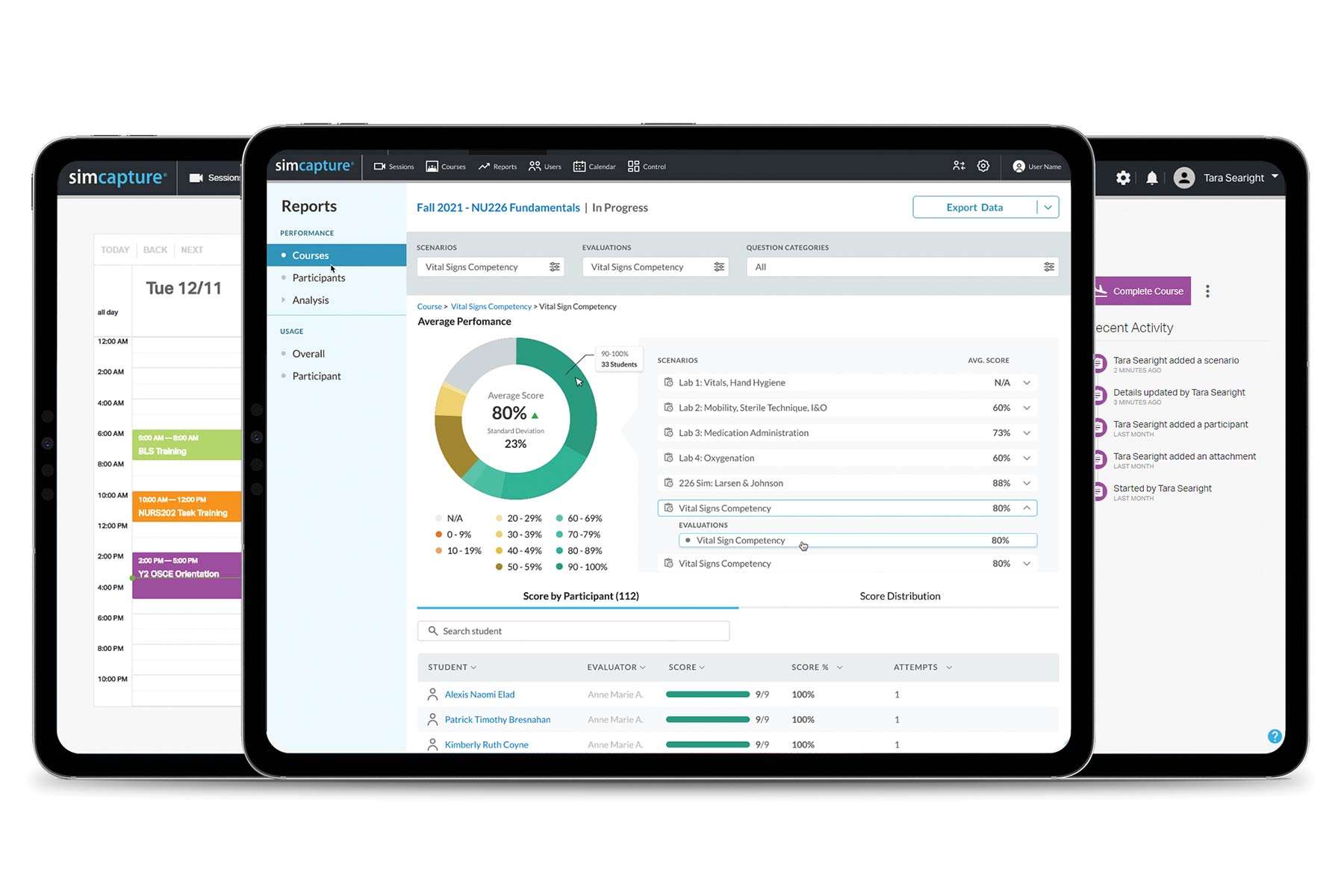
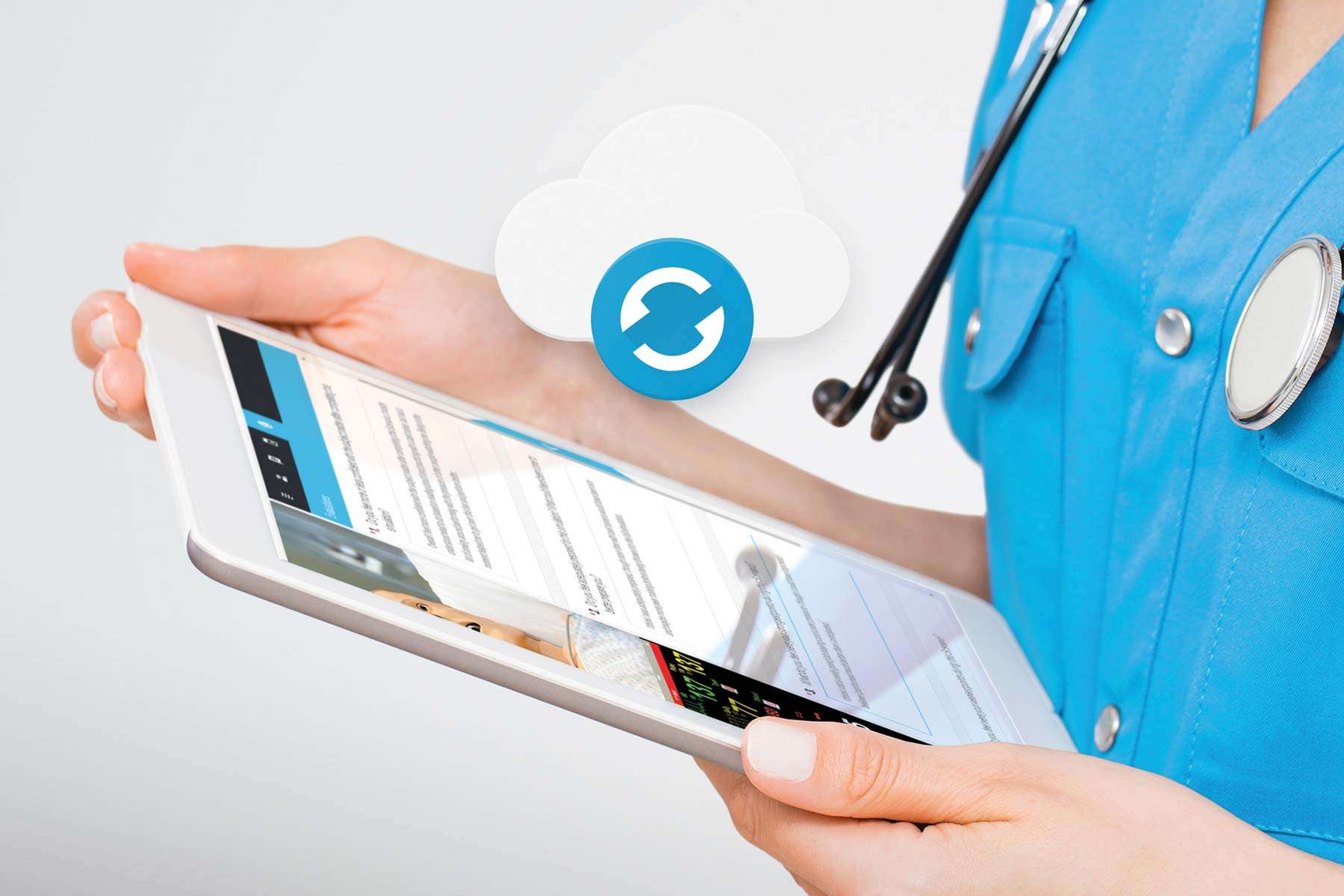
SimCapture is a platform that allows you to capture, measure and assess competencies. It enables students to demonstrate clinical judgment and competencies, instantly uploading performance data for evaluation against defined standards. SimCapture tracks learners' progress at both individual and cohort levels, helping faculty identify those needing remediation and monitor improvement over time.
Standardize assessment
Centralize data
Track performance of individual learners and cohorts
Assess, evaluate, and track performance over time
Assessment Management
Assessment data is collected and stored in one location for simple access and management
Standardized and Objective Assessment
Assess learners efficiently and consistently against defined rubrics and competencies

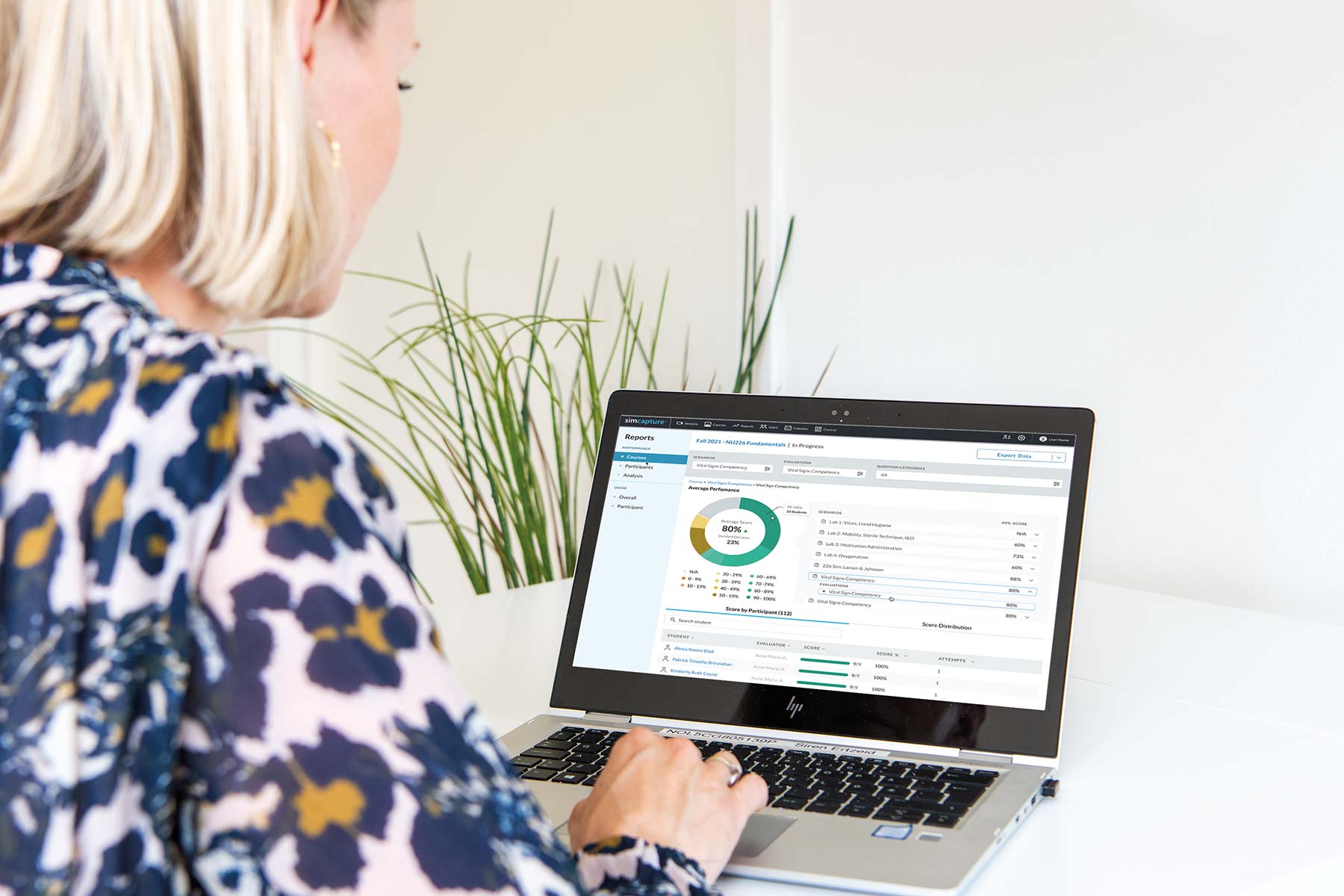
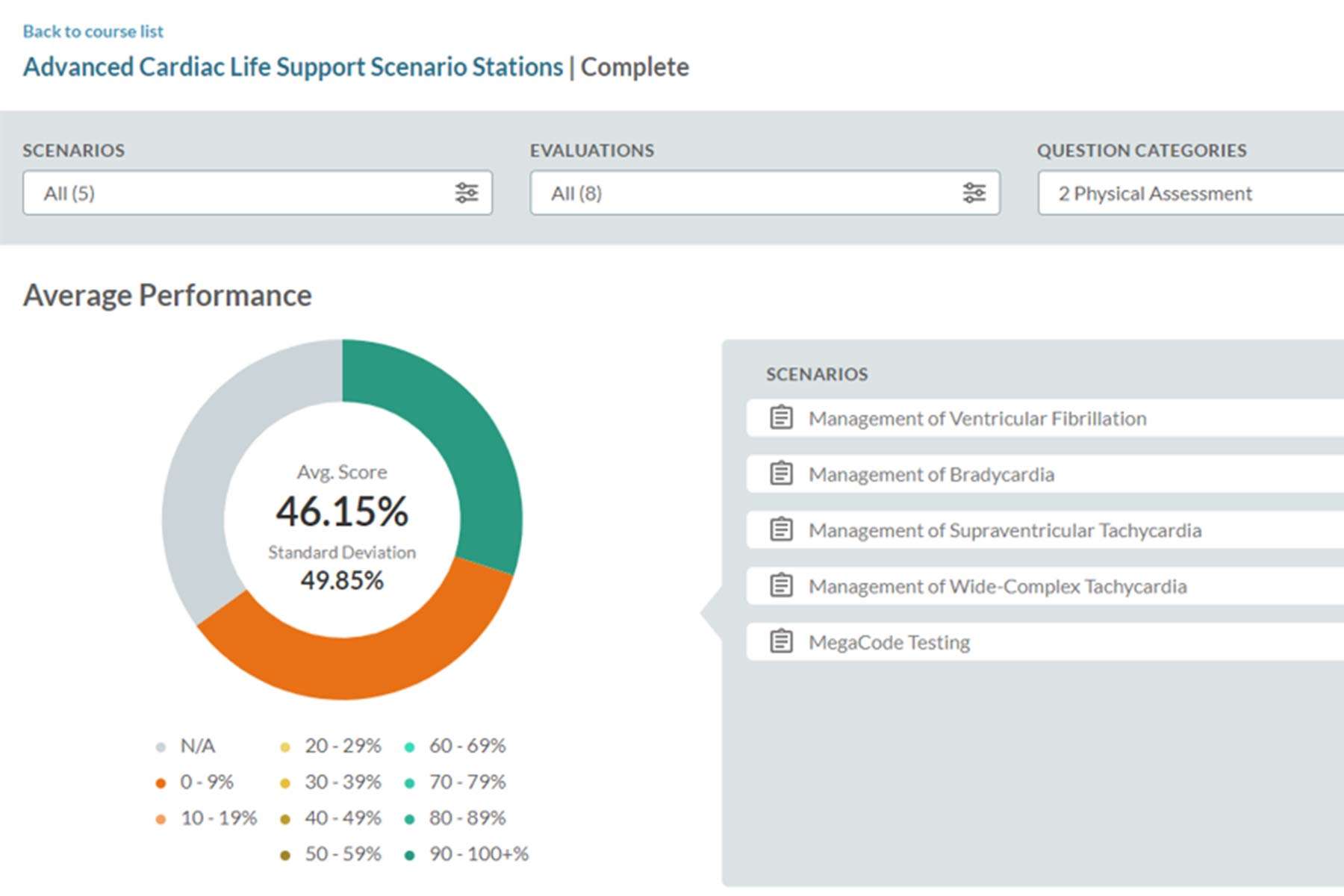
Analyzing and Presenting Data
Dashboards on individual or cohort level for better evaluation and presentation of outcomes
A collection of resources to help you implement competency-based education.