Vuoden 2025 ILCOR-ohjeet: Neljä keskeistä kohokohtaa
Pysy ajan tasalla elvytyskoulutusta koskevasta uusimmasta tieteellisestä tiedosta.
Pysy ajan tasalla elvytyskoulutusta koskevasta uusimmasta tieteellisestä tiedosta.
Jos olet elvytyskouluttaja, saatat tietää, että International Liaison Committee on Resuscitation (ILCOR) julkaisi äskettäin 2025 Consensus on Science with Treatment Recommendations (CoSTR). Nämä ILCOR-ohjeet toimivat pohjana kansallisille elvytysneuvostoille heidän laatiessaan omia maakohtaisia ohjeitaan.
Olemme nostaneet esiin neljä keskeistä havaintoa CoSTR:n Koulutus, toteutus ja ryhmät -luvusta, jotka herättävät keskusteluja koulutusjohtajien keskuudessa. Lisäksi olemme tarjonneet käytännön vinkkejä, joiden avulla voit muuttaa nämä suositukset käytännön tuloksiksi.
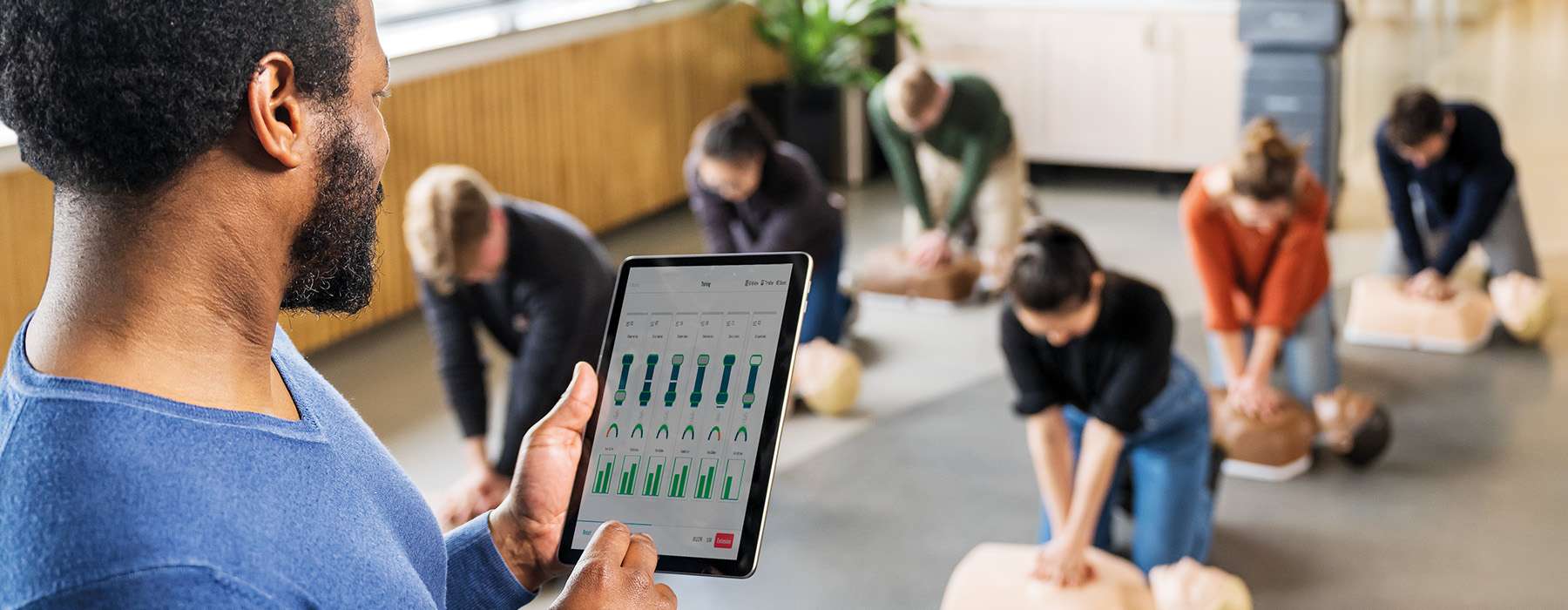
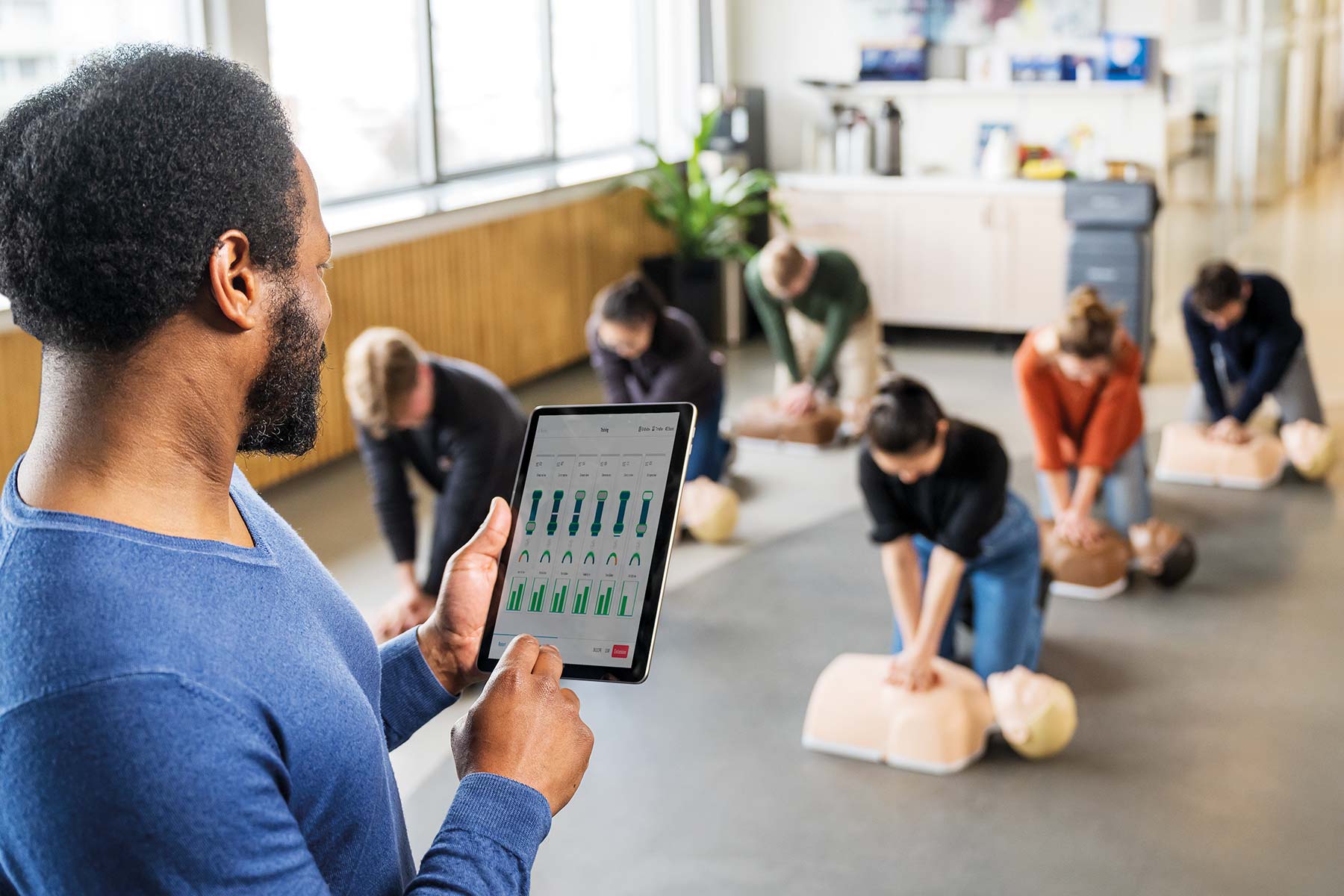
ILCOR-ohjeet: “Suosittelemme elvytyksen harjoittelussa käytettäväksi palautelaitteita terveydenhuollon ammattilaisille ja maallikoille.”1
Miksi tämä on tärkeää: “Viimeaikaiset tieteelliset lausunnot korostavat kasvavaa trendiä elvytyksen palautelaitteiden käytössä elvytyskursseilla,”2 selittävät ILCOR-ohjeet. “Elvytyksen palautelaitteiden käyttö elvytyksen taitojen harjoittelussa voi parantaa elvytyksen taitojen oppimista ja säilymistä.”3
David Weed, elvytyksen kouluttaja — King County, Washington
Laerdalin harjoitteluvinkki: Useiden oppijoiden suoritusten seuranta samanaikaisesti voi olla haastavaa. QCPR-sovellus, joka on hiljattain parannettu uusilla ammattilaistoiminnoilla, muuttaa elvytysharjoittelun reaaliaikaisen palautteen, automaattisen tulosseurannan ja helppojen suorituskykyvertailujen avulla ilman lisäkustannuksia. Kouluttajat saavat tarvittavat tiedot kohdennetun harjoittelun ohjaamiseen, kun taas oppijat kehittävät taitoja ja itseluottamusta toimia, kun sillä on merkitystä.

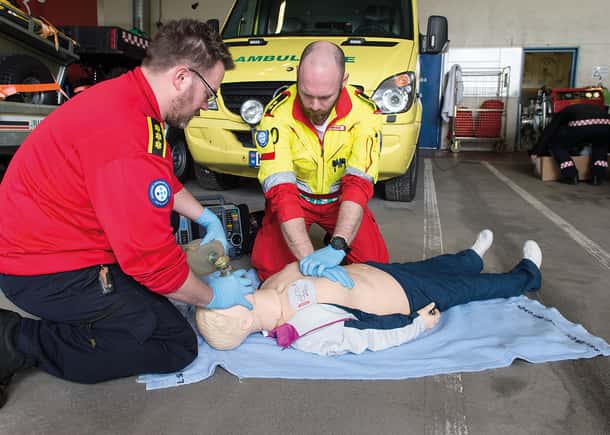
ILCOR-ohjeistus: “Suosittelemme, että harkittaisiin in situ simulaation käyttöä sydänpysähdyksen elvytyskoulutuksessa, mikäli siihen on saatavilla resursseja.”5
Miksi tämä on tärkeää: “Simulaatiokoulutus toteutetaan perinteisesti luokkahuoneympäristössä, mutta tällaisen koulutuksen siirtäminen kliinisiin tiloihin saattaa parantaa uskottavuutta ja tarjota paremman testin organisatorisille prosesseille,”6 sanovat ILCOR-ohjeet. “Tutkimukset ovat dokumentoineet parannuksia kliinisen elvytyksen suorituskyvyn osa-alueissa in situ CPR-koulutusjakson jälkeen.”7
Laerdalin koulutusvinkki: Harkitse in situ-simulaatioiden tallentamista laitteettomalla ratkaisulla, kuten SimCapture Mobile Camera -sovelluksella. Videoarviointi tarjoaa oppijoille ulkopuolisen näkökulman, joka edistää itsereflektiota sekä käytännön taitojen ja kehonkielen parantamista.
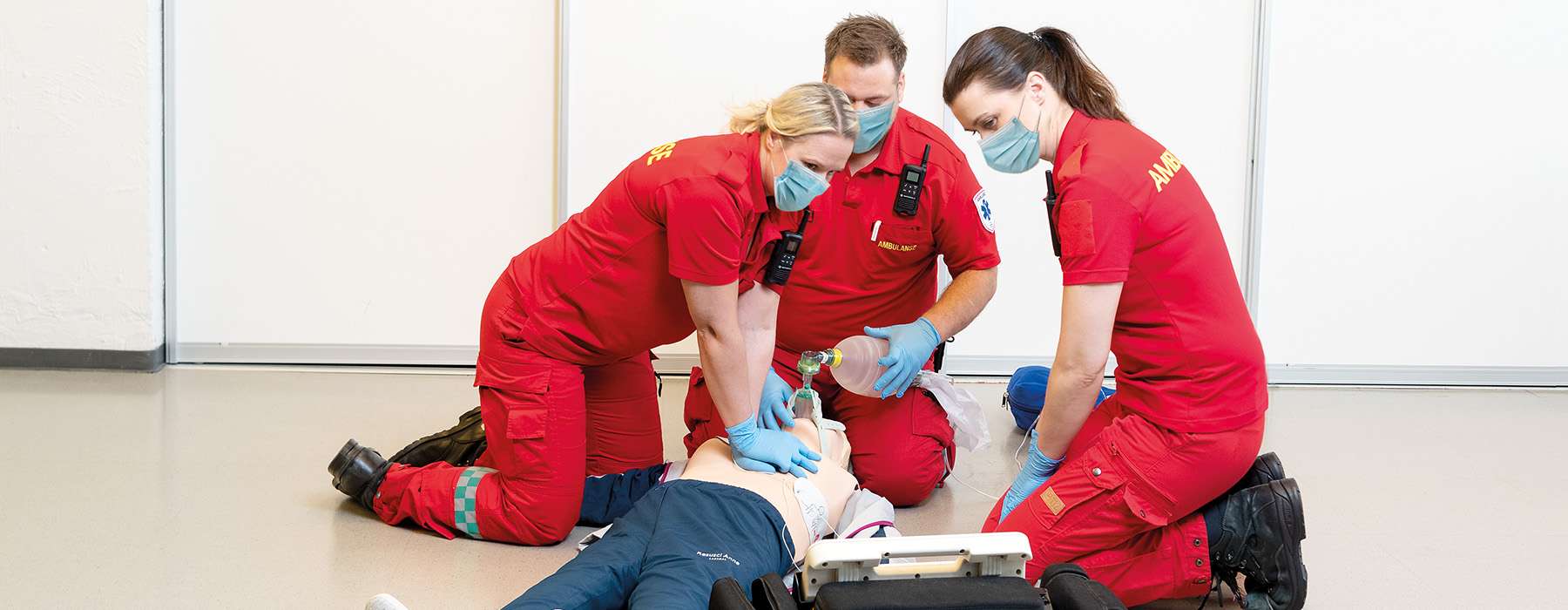
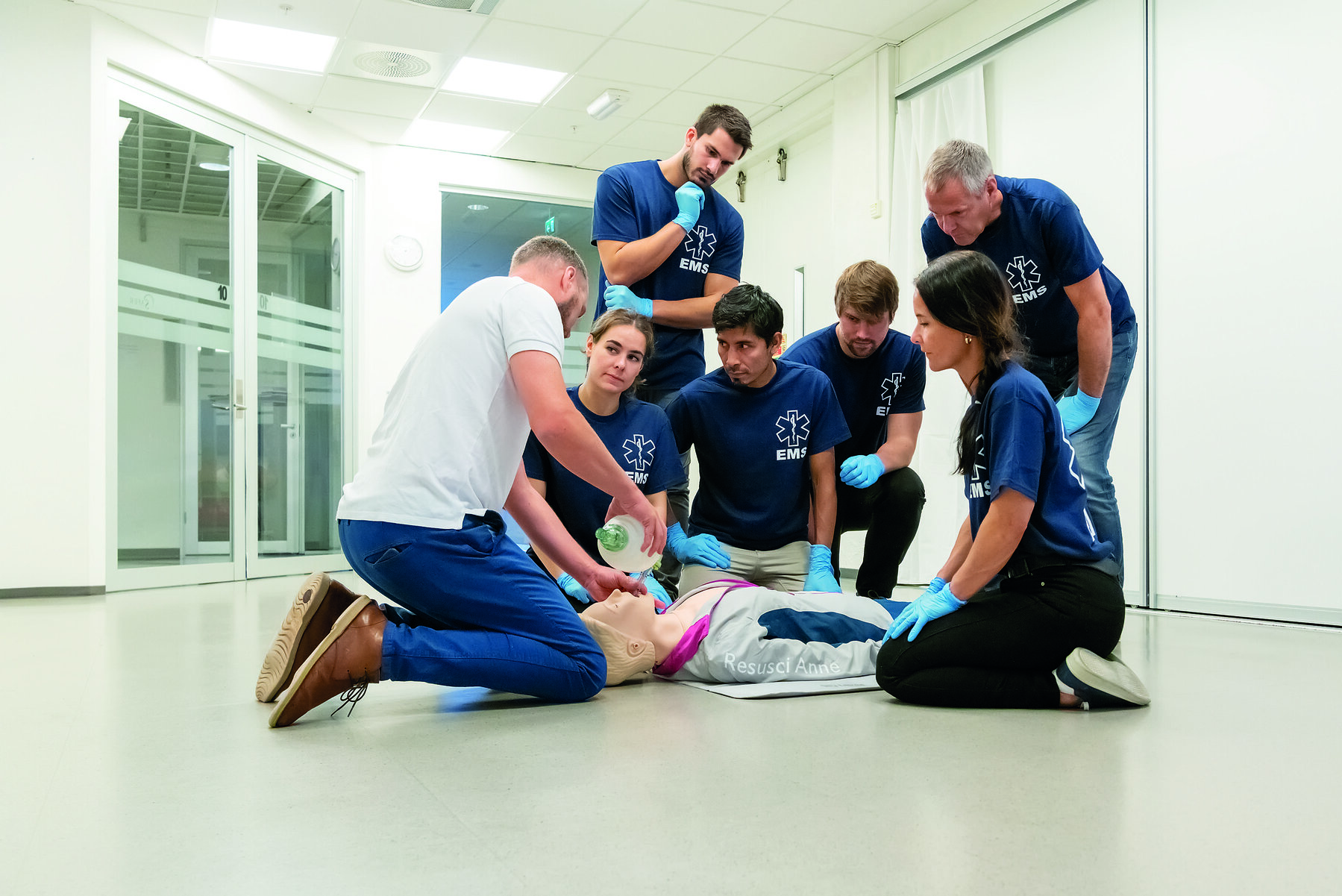
ILCOR-ohjeet: “Suosittelemme, että tiimityöskentelytaitojen opettaminen sisällytetään peruselvytyksen ja kaikenlaisten edistyneen elvytyksen koulutuksiin.”8
Miksi tämä on tärkeää: Sydänpysähdykset vaativat koordinoituja toimia. Viestintäkatkokset voivat heikentää jopa erinomaista elvytystä. Johtajuuden, viestinnän ja roolien selkeyden kouluttaminen muuttaa osaavien yksilöiden ryhmän yhtenäiseksi ja paremmin toimivaksi kokonaisuudeksi oikeiden hätätilanteiden paineessa.
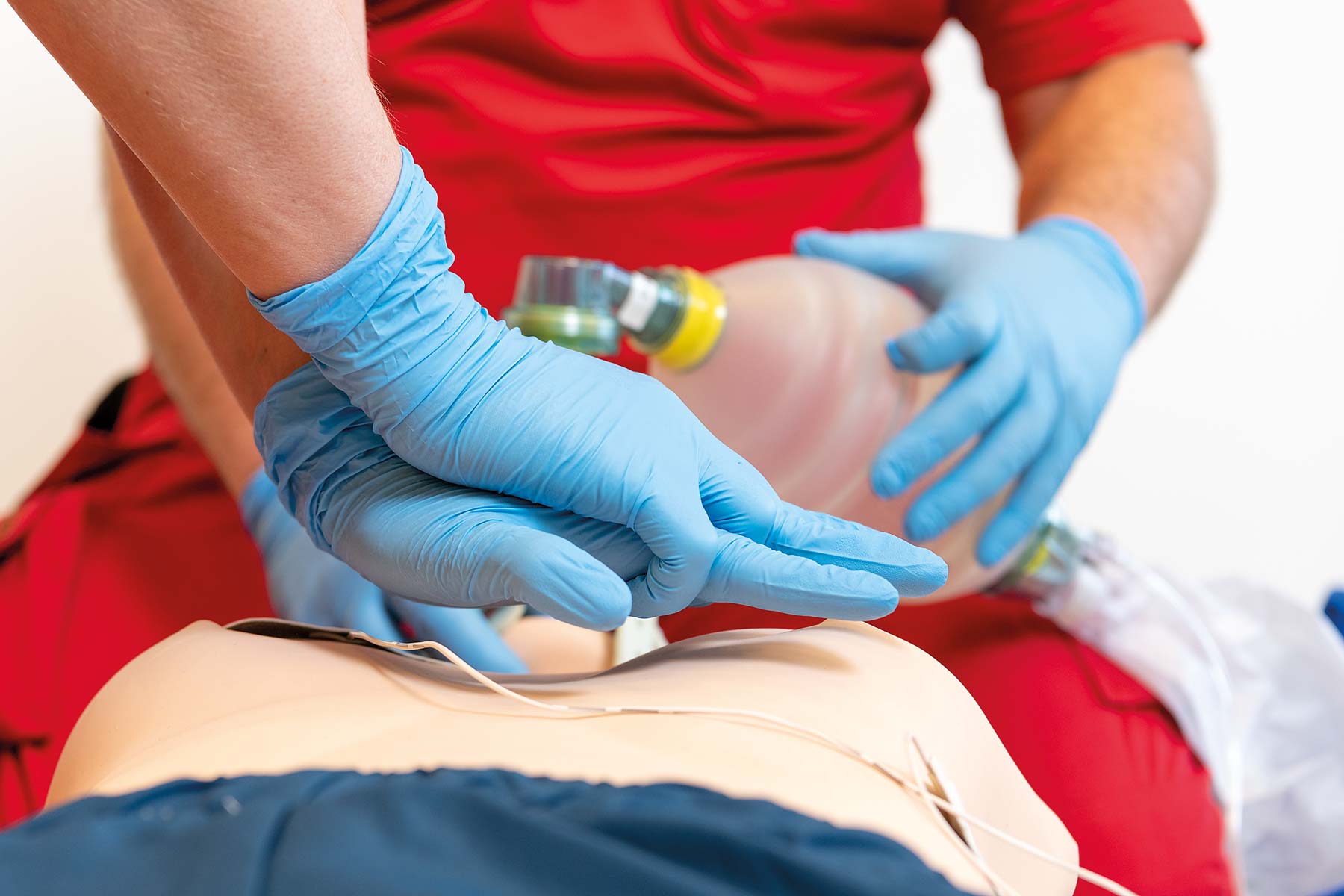
Laerdalin koulutusvinkki: Anna tiimisi harjoitella roolejaan toistuvasti, kunnes “koreografia” tuntuu luonnolliselta. Anatomisesti tarkat ominaisuudet sisältävä harjoitusnukke, kuten Resusci Anne QCPR, voi tarjota realismia, joka tekee rooliharjoittelusta tehokasta.
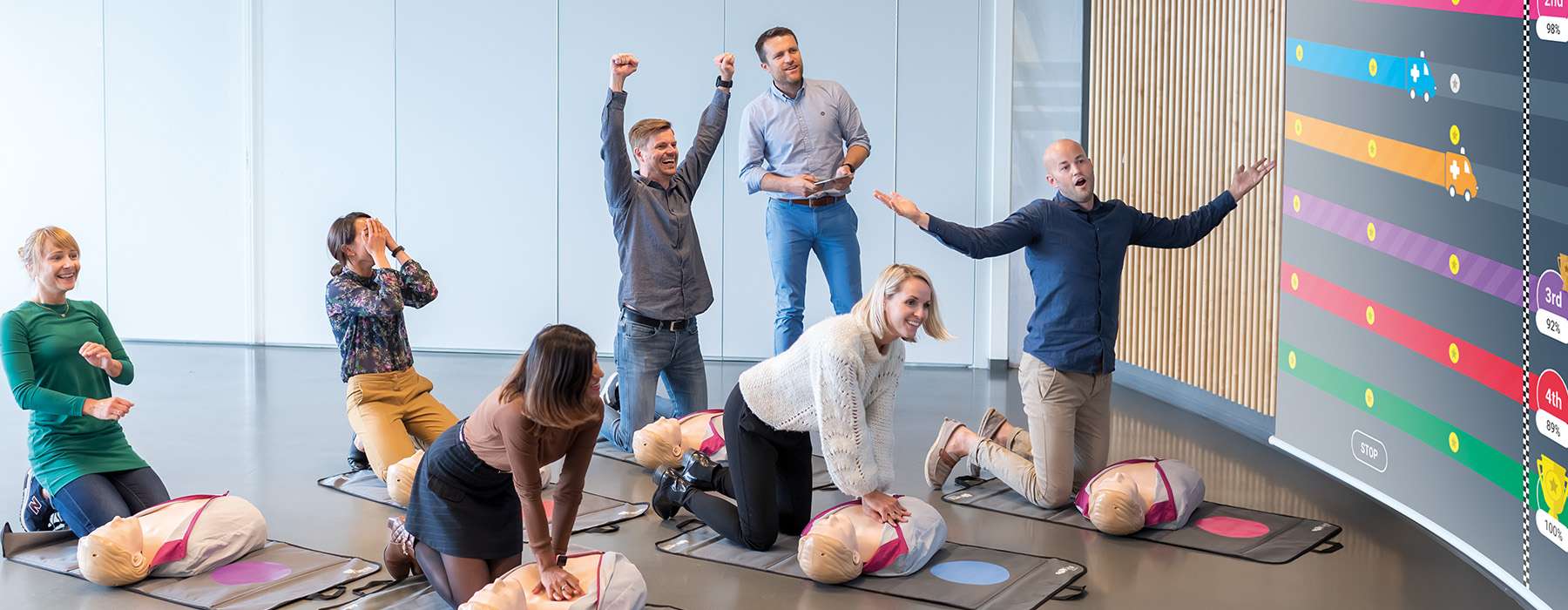
ILCOR-suositukset: "Ehdotamme, että pelillistettyä oppimista harkittaisiin osaksi elvytyskoulutusta kaikissa BLS- ja ALS-kursseissa."9
Miksi tämä on tärkeää: Pelillistäminen hyödyntää sisäistä motivaatiota haastamisen ja saavuttamisen kautta, tehden toistuvasta harjoittelusta kiinnostavaa sen sijaan, että se tuntuisi yksitoikkoiselta. Tämä lisääntynyt sitoutuminen johtaa useampiin harjoituskertoihin ja parempaan pitkän aikavälin taitojen säilymiseen, koska oppijat harjoittelevat mielellään parantaakseen suoritustaan.
Brady McLaughlin, MS, NREMT, toimitusjohtaja ja perustaja — GoRescue
Laerdalin koulutusvinkki: Kilpailun on osoitettu kannustavan elvytysharjoitteluun ja motivoivan oppijoita hiomaan taitojaan.11 Lisää jännitystä QCPR Race -pelillä: hauska leikki QCPR-sovelluksessa, joka edistää sitoutumista ja vahvistaa samalla elvytyksen keskeisiä tekniikoita.