Vastasyntyneiden hoito
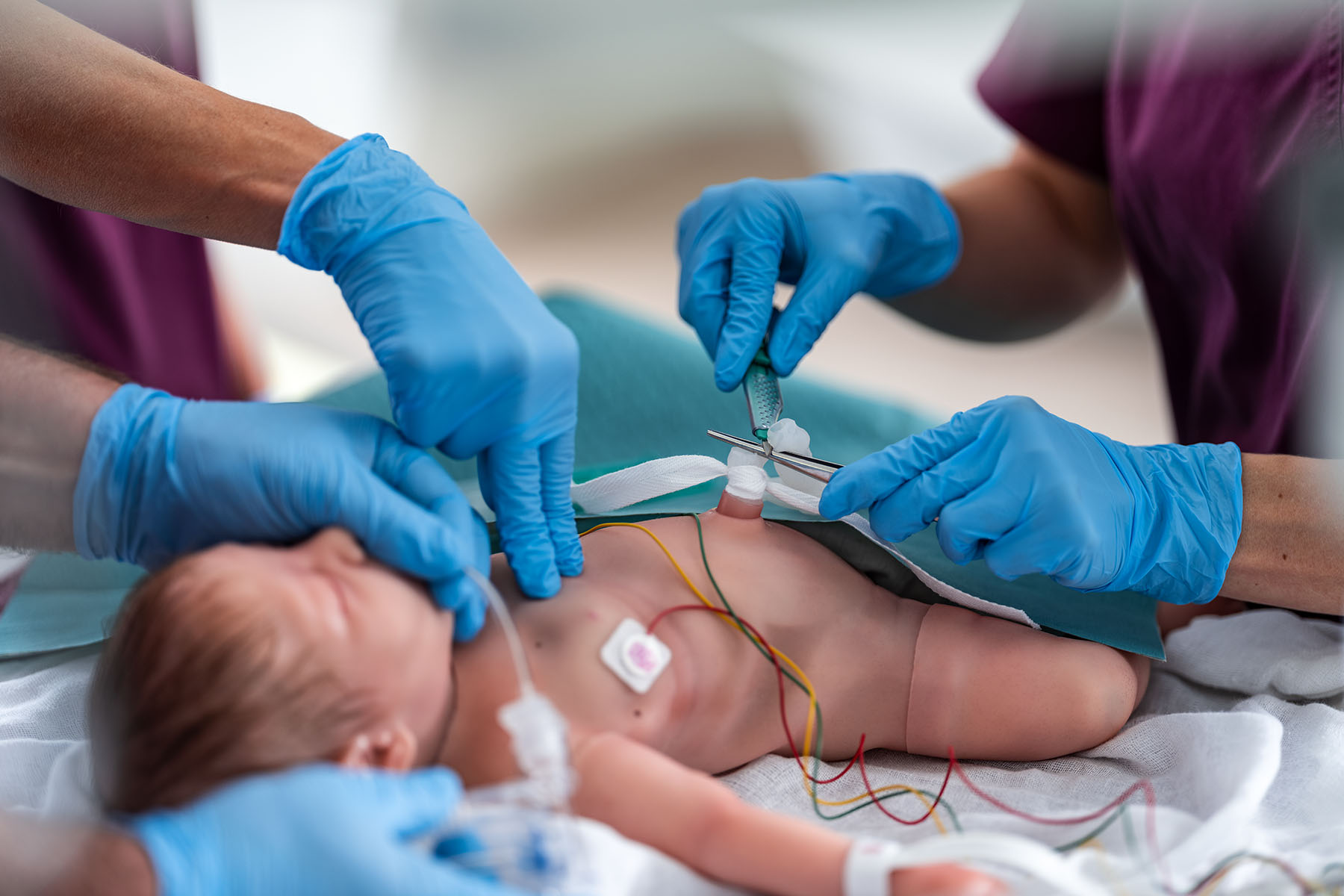
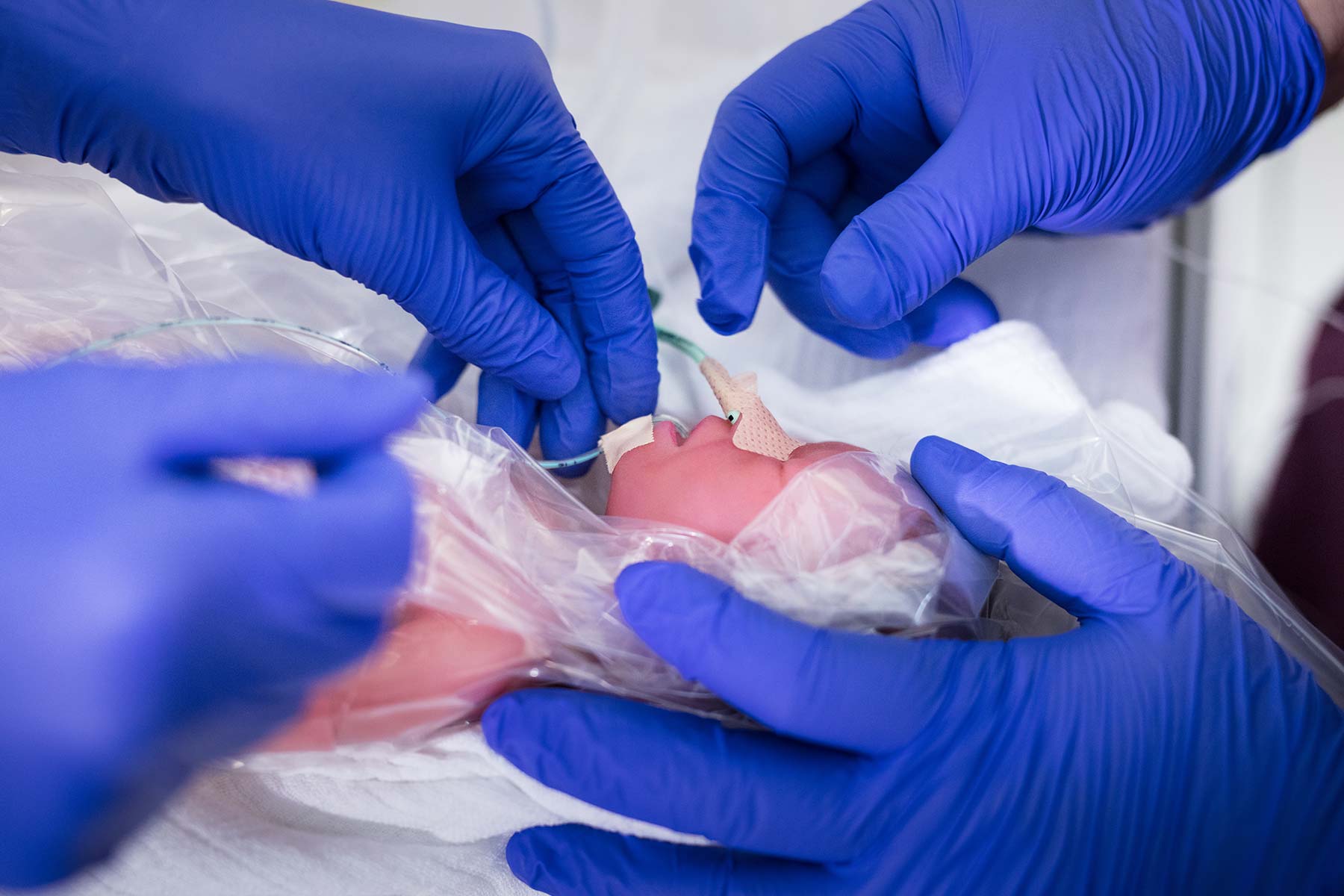
Vastasyntyneiden tehohoitoyksikön tiimit voivat käyttää simulaatiota laadun parantamiseen tunnistaakseen järjestelmän puutteet, parantaakseen viestintää ja tehostaakseen järjestelmien suorituskykyä.
Lue lisää
5 Questions to Ask
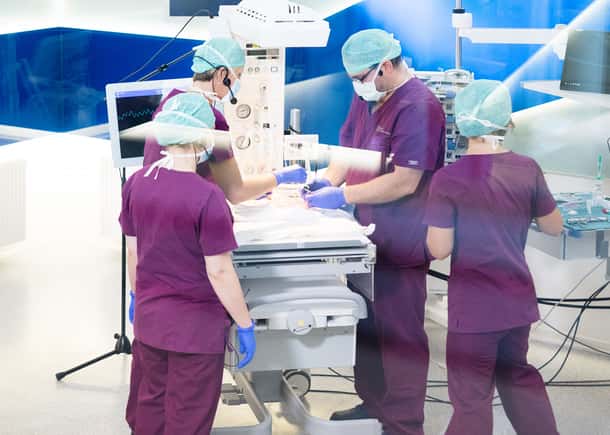
Simulation is often associated with training clinical skills. But according to experts Dr. Lou Halamek and Dr. Victoria Brazil, simulation can also be used to identify latent safety threats, evaluate workflows, test new equipment, and improve the NICU system before challenges affect patient care.
Consider the list of questions below. If one or several resonate with your team, simulation may offer an opportunity to support quality and systems improvement in your NICU.
Throughout this article, we’ve included insights from Dr. Halamek and Dr. Brazil on why these questions matter and how simulation can help uncover the answers.
How simulation can help: Simulation can help you anticipate potential failure points, test challenging scenarios, and evaluate how your system performs under pressure before real-world events occur.
Expert insight:
"Simulation helped us anticipate problems, plan for problems, and then discover new problems that we hadn't even thought of before."
Lou Halamek, MD, FAAP
How simulation can help: Simulation can help reveal the difference between how work is designed and how it is actually performed at the bedside.
Expert insight:
"Work as imagined and work as done can be two very different things."
Lou Halamek, MD, FAAP
How simulation can help: Simulation can help you gather insights from the people closest to patient care.
Expert insight:
"The whole idea of the system is that it’s supposed to serve the humans that are operating within it."
Victoria Brazil, MD, FACEM
How simulation can help: Simulation can help teams understand how new equipment may affect factors like space, workflows, staffing, and communication before implementation.
Expert insight:
"Test it out, think about different placement of the equipment, and how to turn that 48-page instruction manual into a two-page cheat sheet."
Victoria Brazil, MD, FACEM
How simulation can help: Simulation can help expose workarounds as opportunities to improve processes, equipment placement, or other aspects of the system.
Expert insight:
"We can’t keep doing these workarounds, because it’s not helping us deliver better care to kids."
Lou Halamek, MD, FAAP
These five questions are just a starting point. Watch the full webinar with Dr. Brazil and Dr. Halamek to explore practical examples of how simulation can help NICU teams identify risks, test changes, prepare for new equipment, and improve systems before they impact patient care.

Professor of Pediatrics, Stanford University
Director, Center for Advanced Pediatric and Perinatal Education (CAPE)
A pioneer in neonatal simulation, Dr. Halamek has spent decades advancing how interdisciplinary teams train and perform in high-risk environments, with a focus on improving real-world outcomes.

Emergency Physician and Simulation Leader
Gold Coast Health & Bond University, Australia
Dr. Brazil is internationally recognized for using simulation to improve systems of care—helping healthcare organizations identify risk, test processes, and strengthen performance at the system level.