Nursing Anne Simulator
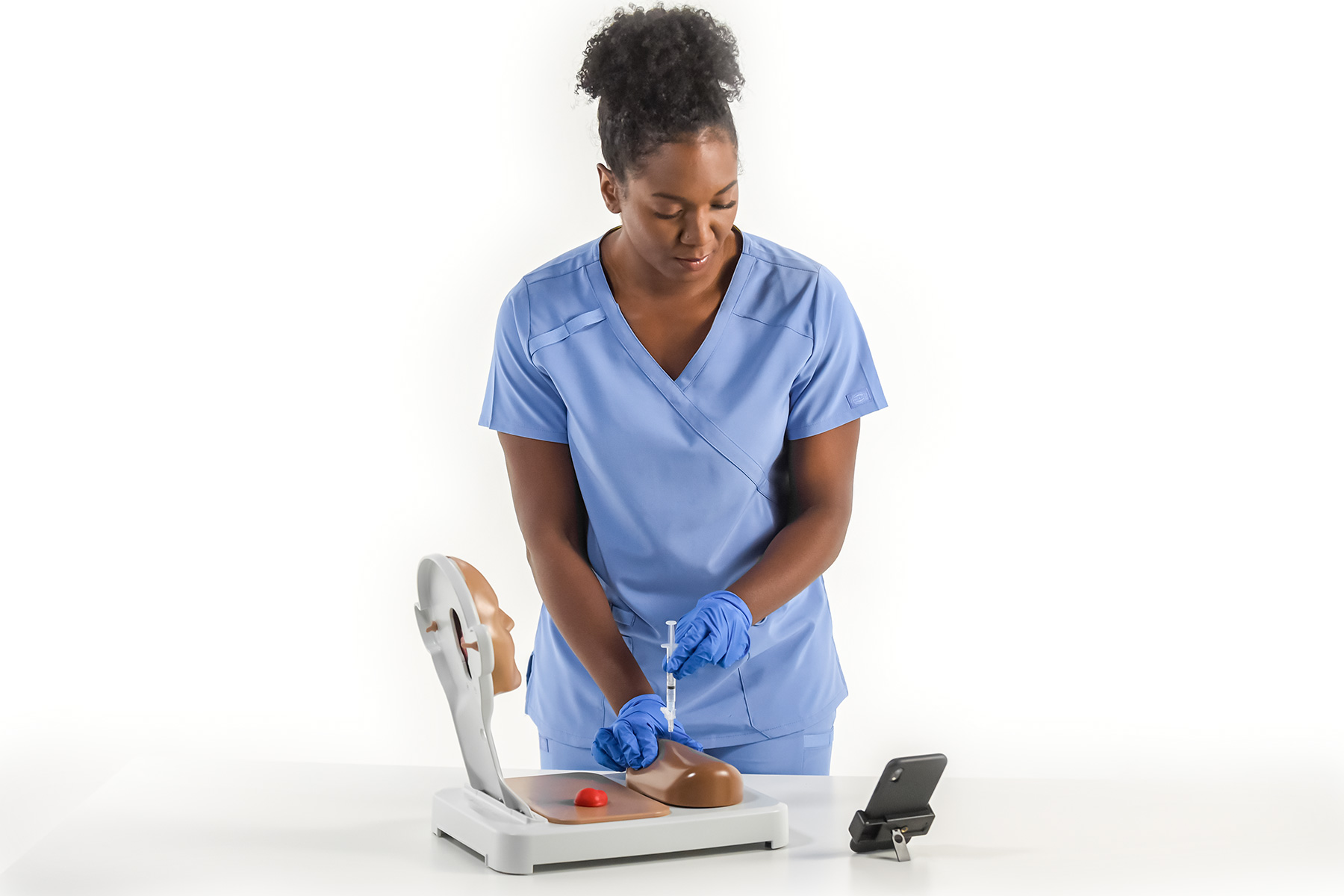
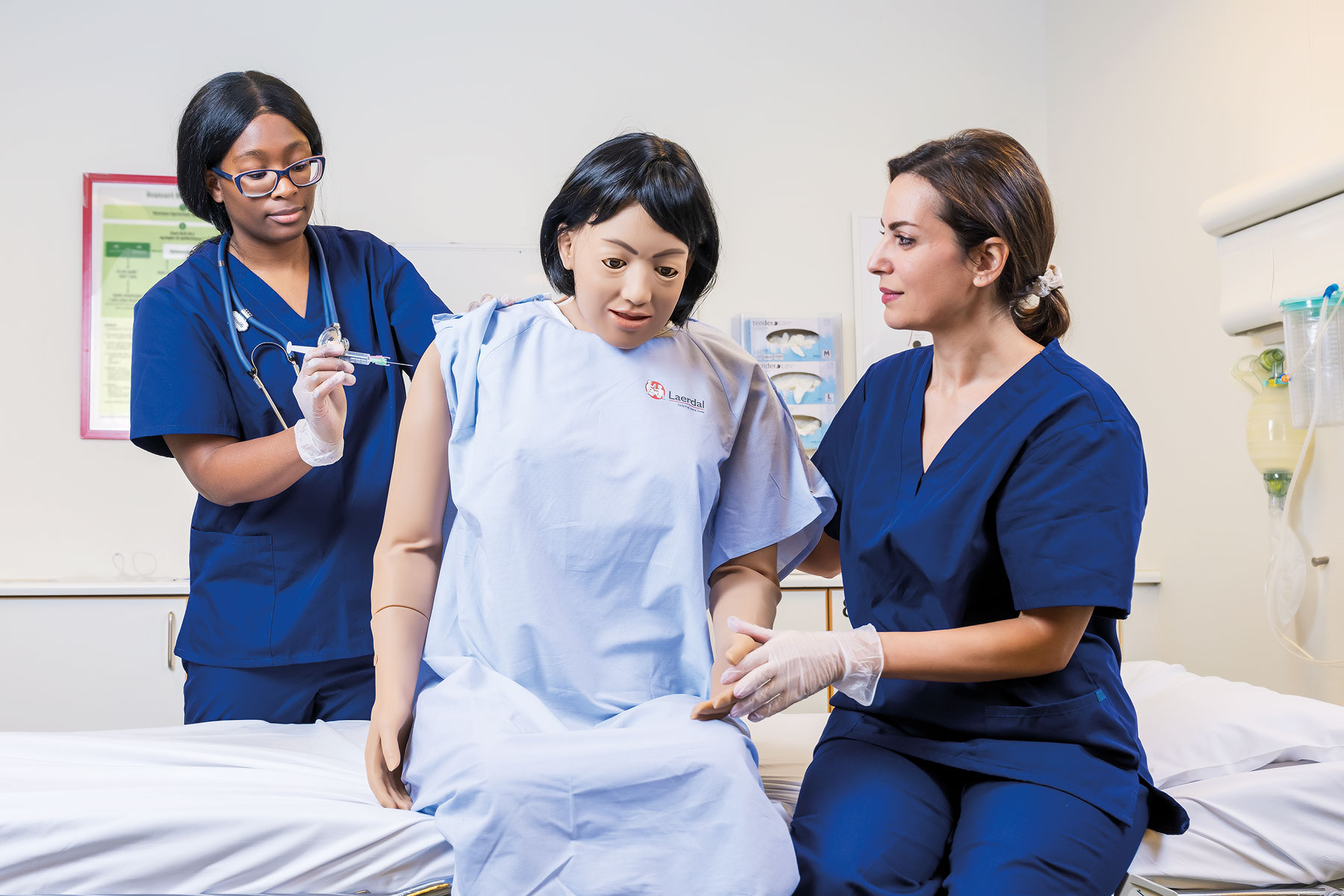
Nursing Anne Simulator offers future clinicians advanced, inclusive training in nursing and patient care.
Learn More
The 2025-2026 school year brings many opportunities to make a positive impact on learning outcomes. If you’re in Health Sciences education, you’re likely working on tackling the many priorities you’ve set for the year.
In this article, we explore a few priorities that have the attention of many districts and share some ways that simulation can help elevate your Health Sciences program in these areas.
Student engagement is at the top of many educators’ priority lists.1 A 2025 survey found that keeping students academically engaged is educators' #2 challenge and priority - second only to teacher workload.2
Education experts agree that engagement is a critical factor in student learning and achievement.3 In a health sciences curriculum, engagement seems even more paramount – because it impacts the learning effectiveness of skills that may one day save a life.
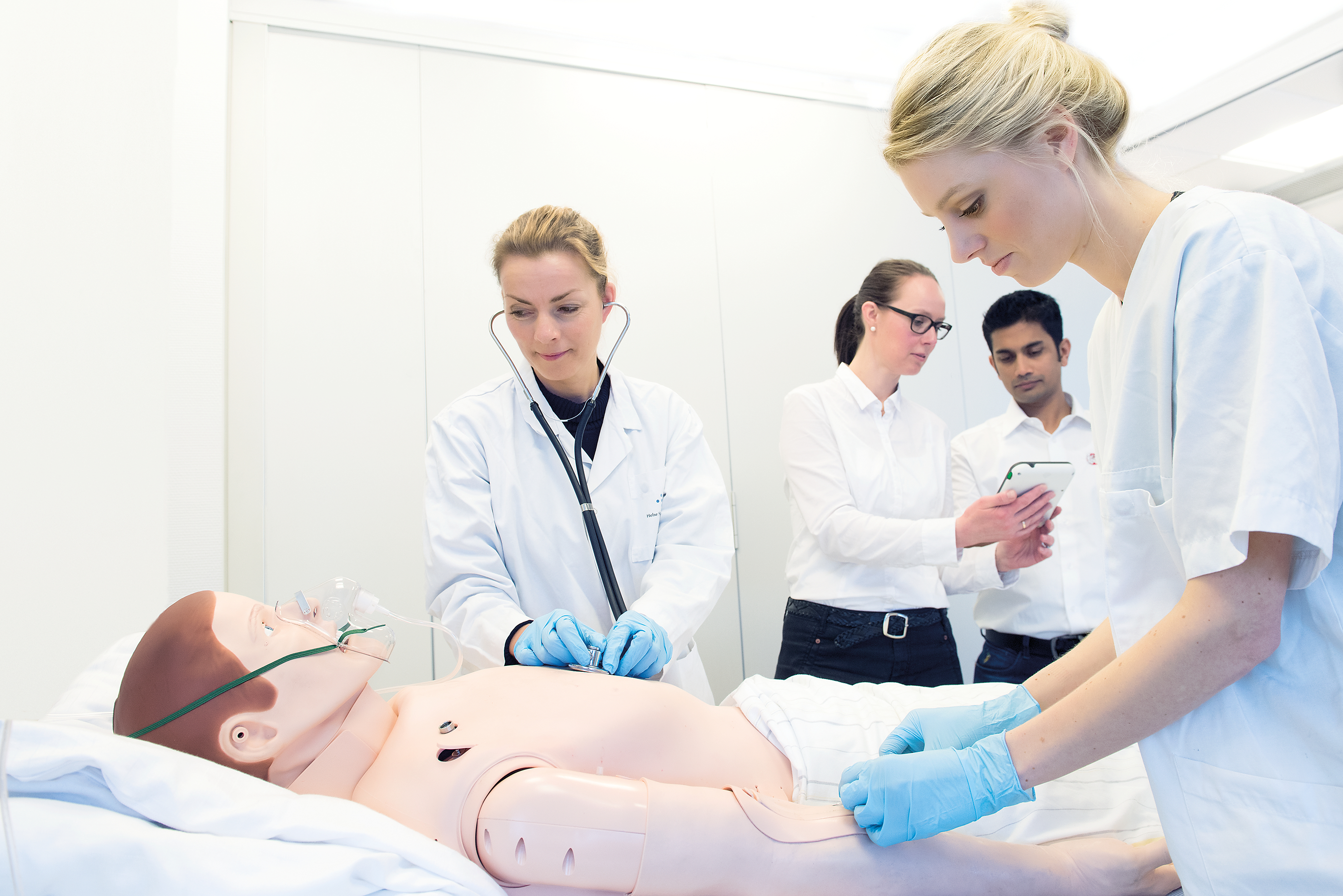
If you’re seeking ways to boost engagement in your curriculum, simulation-based training can help. Simulation provides students with a comprehensive and repeatable hands-on learning experience. This encounter allows them to practice assessment, diagnosis, and clinical procedures on a lifelike manikin. In this immersive setting, students can perfect their skills and build confidence in a safe setting. The hands-on environment of simulation brings learning to life in a way that textbook and PowerPoint slides fall short.
95% of teachers say it should be a priority for every school to support teachers with the tools and strategies they need to increase and sustain student engagement.5
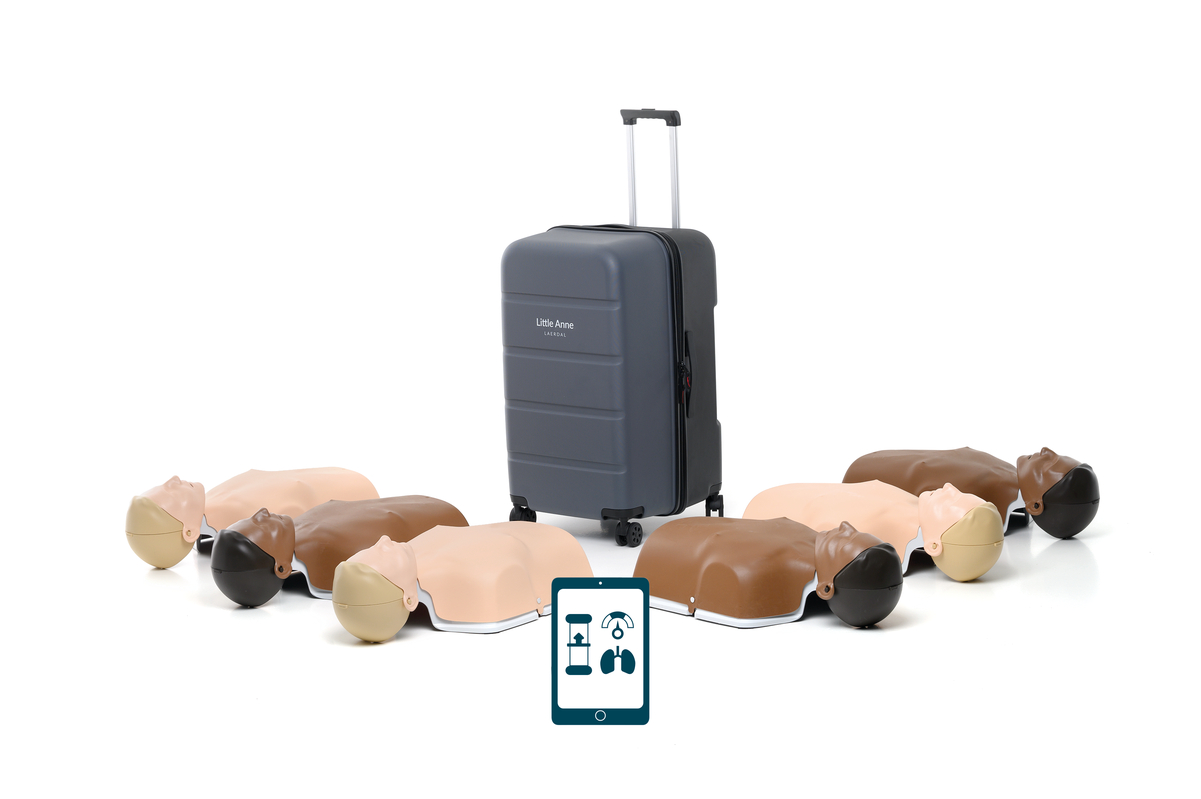
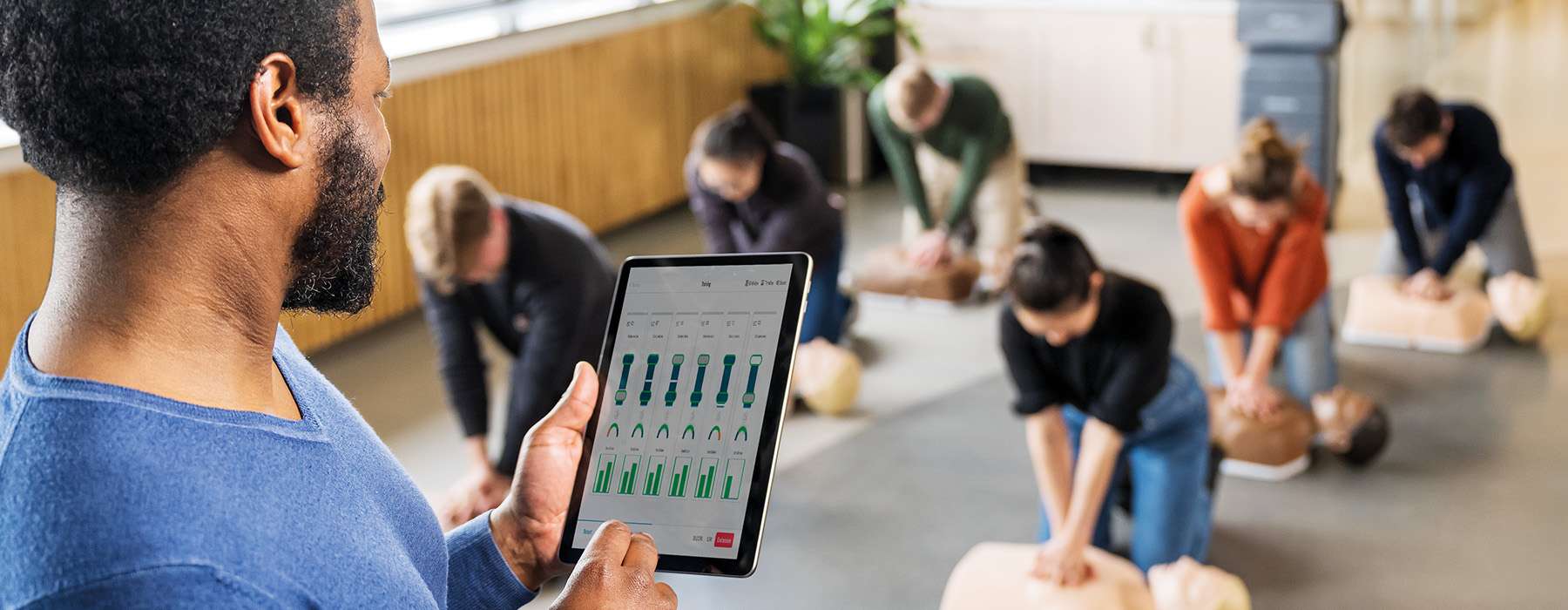
Depending on your learning objectives, it doesn’t always take a highly-detailed simulation scenario to get your students’ attention. With the right tools, you can also infuse engagement into areas like CPR training. After sitting through the hours of didactic learning of a traditional classroom course, students may have become disconnected. Re-engaging them during the hands-on CPR portion of the course is key to ensuring they’re learning and perfecting this lifesaving psychomotor skill effectively.
CPR manikins today have real-time feedback, measurement, and scoring technology built in to help you motivate learners and quickly identify who needs help. And, scoring allows you to amplify student engagement levels by providing a gamification option, such as a friendly, thrilling CPR competition. This will allow you to entertain and motivate your students while reinforcing their skills on all the key components of high-quality CPR.
K-12 education is continuing to place emphasis on personalized instruction, or the "Holy Grail" of education, as some have called it.6
Learning tools that yield actionable data on individual performance will help educators tailor learning experiences to support each student’s learning style and pace.7 This personalized learning will increase student engagement and motivation.8
Embracing student-driven, personalized learning has been in focus for a long time – but educators agree that this important goal has been difficult to scale.9
One 2025 survey found that "using student data from digital products to inform classroom teaching strategies" is a form of technology that can have the most significant impact on teacher effectiveness over the next 2-4 years.11
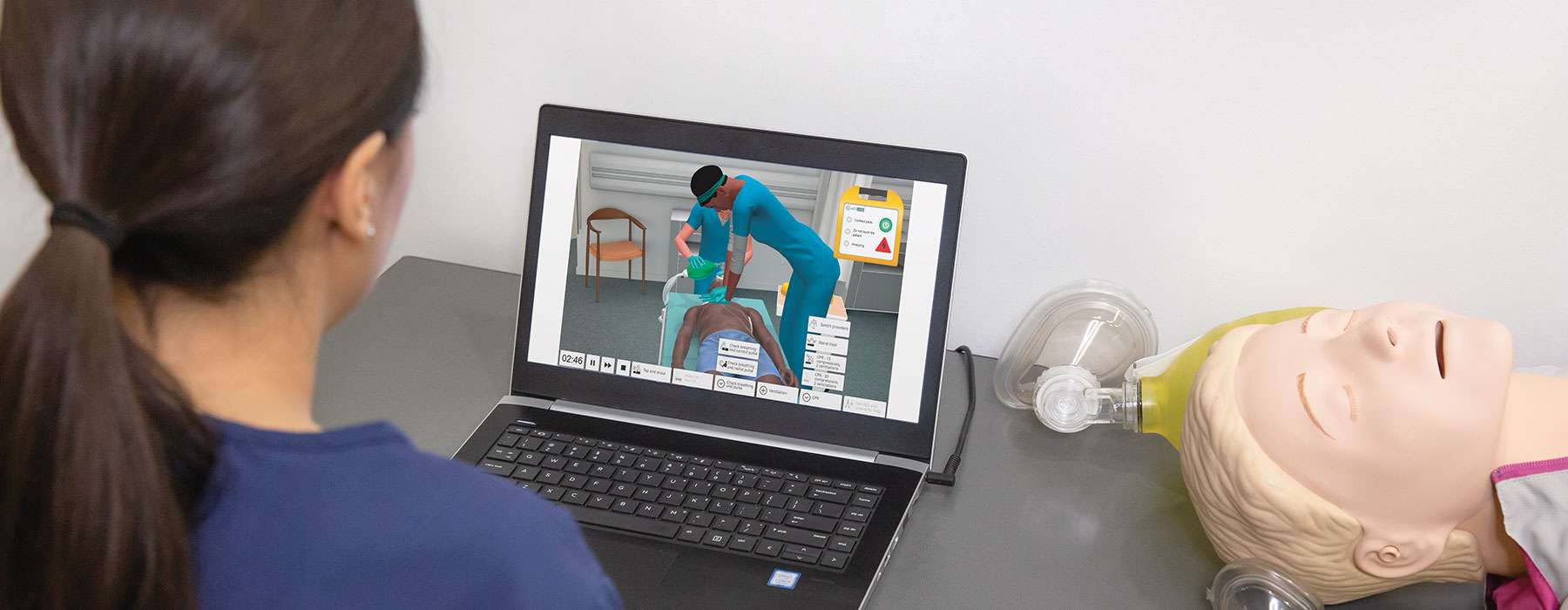
Offering self-directed virtual simulations can help you provide more personalized learning experiences while also freeing up time. In these immersive virtual settings, students practice real-world skills like Basic Life Support (along with a Voice-Assisted Manikin) or clinical judgment and decision-making – all at their own pace. They receive immediate, personalized feedback to help them improve. Performance data gives you the visibility you need to formatively assess how well they’re grasping the learning objectives and refining their skills.
Increased focus on impact and ROI is driving districts to adopt stronger data practices that support evidence-based decision-making tied to student success.
As a result, many districts are using data that helps them:
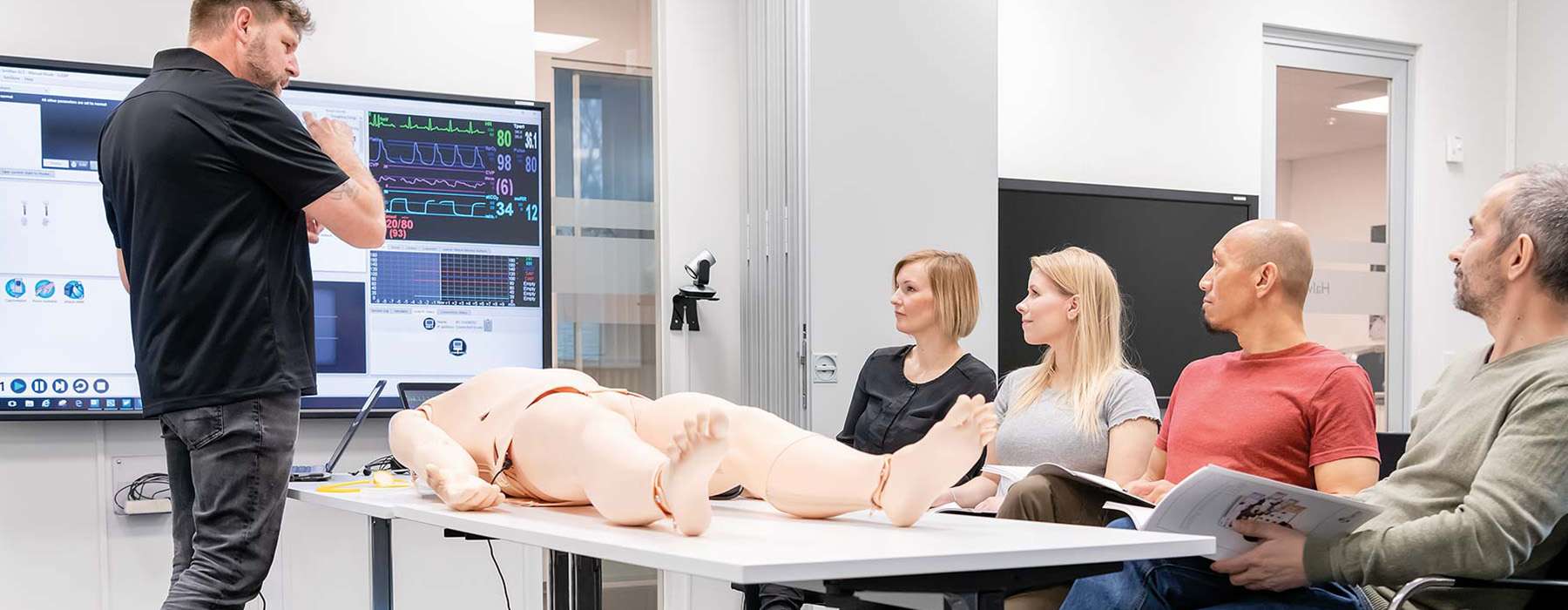
Simulation provides a rich source of data on student performance and progress that educators can use to identify trends, evaluate performance, and inform evidence-based decisions. Leveraging this data effectively can help educators turn raw data into meaningful, data-driven guidance that can improve teaching strategies and learning outcomes.
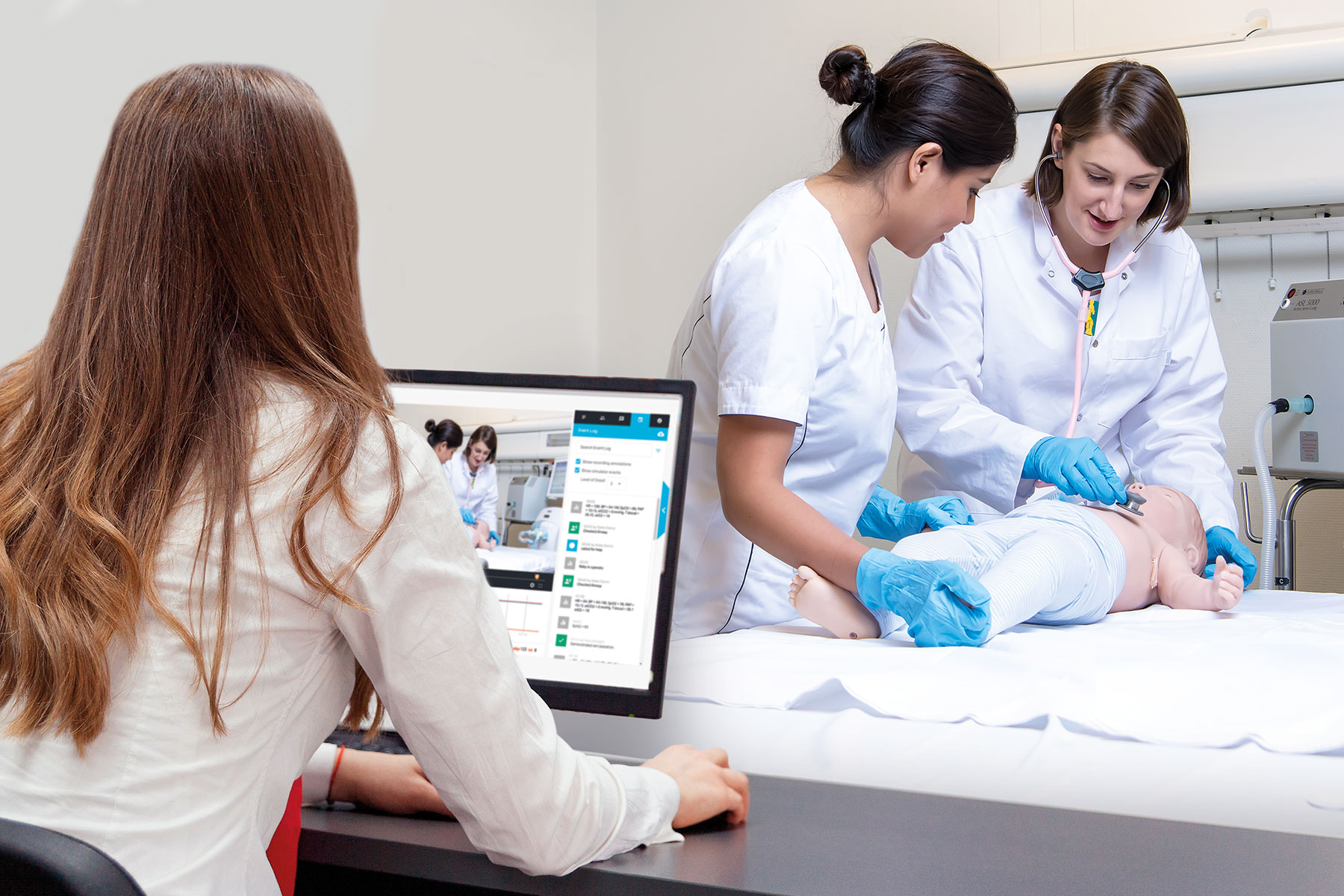
A simulation management system like SimCapture can help you organize all of your simulation data into meaningful and actionable insights that will make it easier to personalize your students’ learning paths. You can analyze performance at both the individual and cohort levels, while well-structured data also highlights opportunities to adjust teaching strategies or even identify areas for faculty development.
High-quality teaching is known to be a leading factor in student success.25 However, K-12 schools continue to battle an ongoing faculty shortage that was worsened by the pandemic.26 This situation has led to an increased focus on faculty retention.27
For educators in CTE programs, the hands-on nature of study has made it even more challenging to navigate the pandemic. According to the Association for Career and Technical Education (ACTE), CTE educators will "need time, support and professional development to recover and reflect on lessons learned."28 And, new educators will need training on new delivery methods and technologies.29
Regular training can enhance an employee’s initiative and quality of work as well as make them more committed to achieving organizational goals.30 And, research suggests that employees who are engaged and thriving are 59% less likely to seek another job elsewhere.31
If you're interested in starting or expanding a simulation program, professional development will be an important factor in your program's success. Enrolling in courses taught by skilled simulation educators can help empower your faculty with the knowledge they need to thrive and grow an effective simulation program.
Download our comprehensive guide for using simulation to prepare your students for the realities of clinical practice.