Boosting Student Engagement
Student engagement is at the top of many educators’ priority lists.1 A 2025 survey found that keeping students academically engaged is educators' #2 challenge and priority - second only to teacher workload.2
Education experts agree that engagement is a critical factor in student learning and achievement.3 In a health sciences curriculum, engagement seems even more paramount – because it impacts the learning effectiveness of skills that may one day save a life.
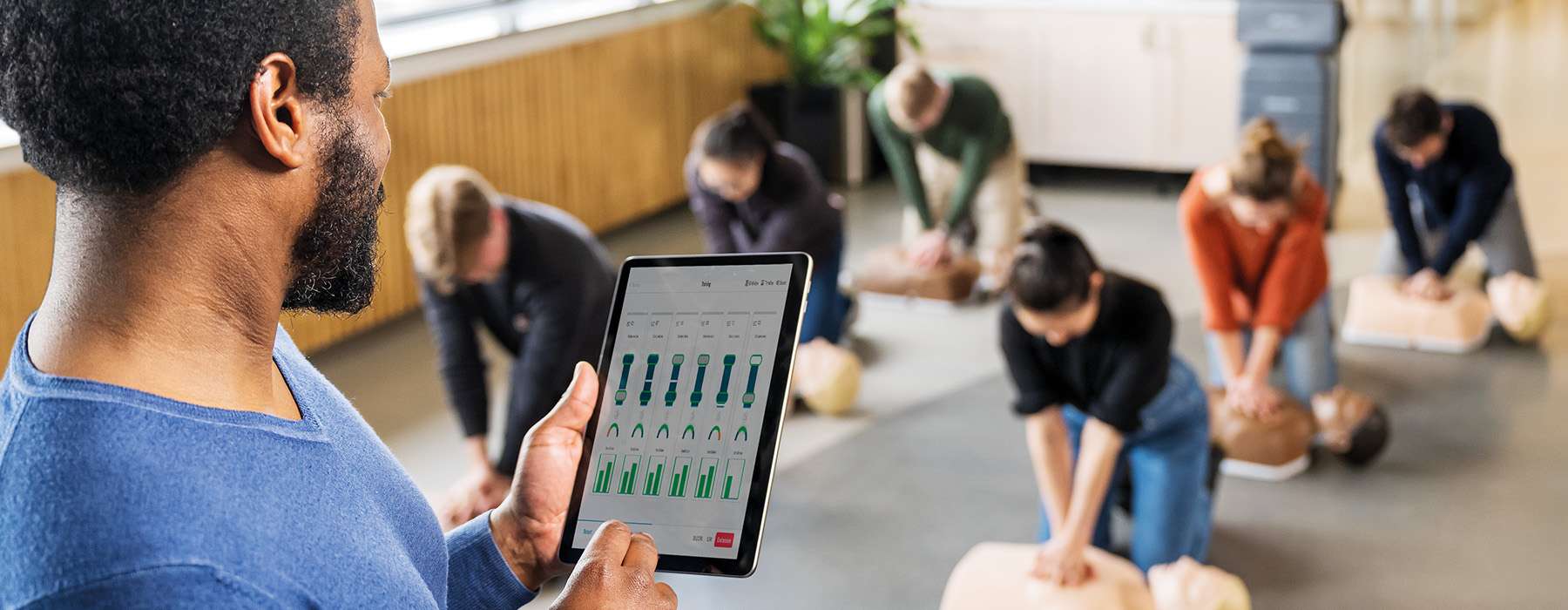
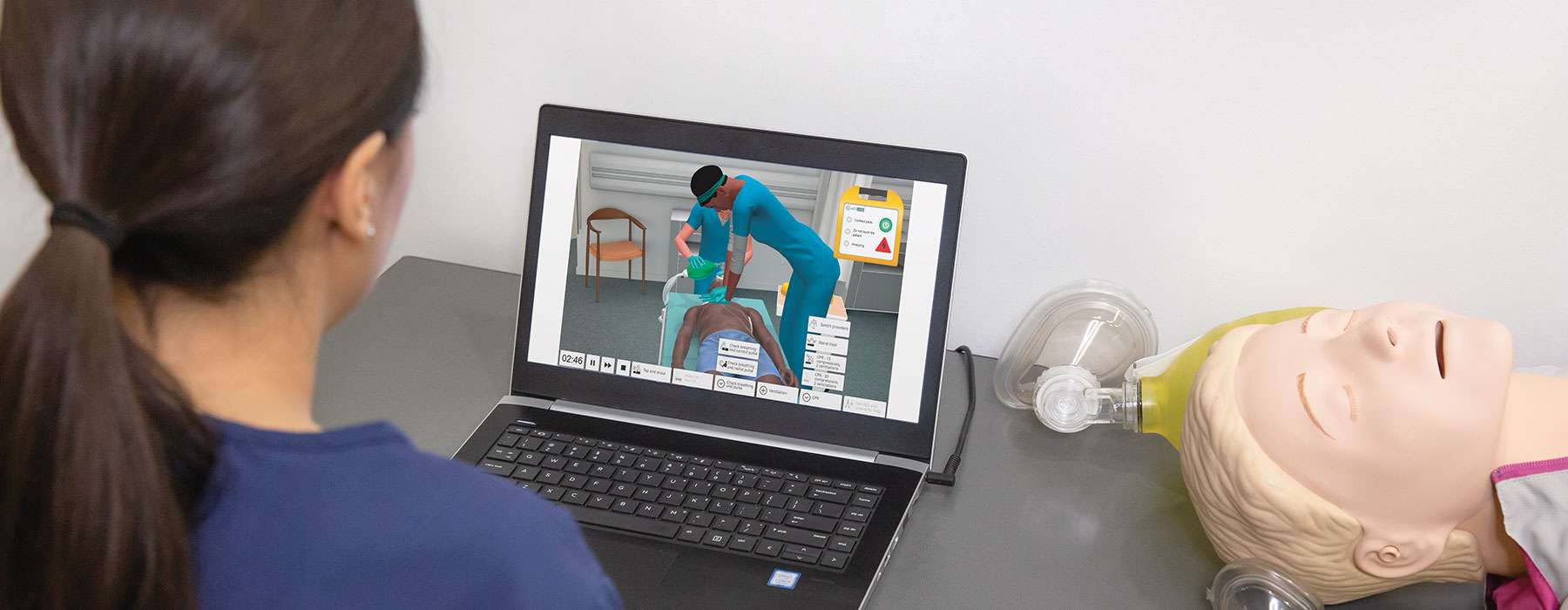
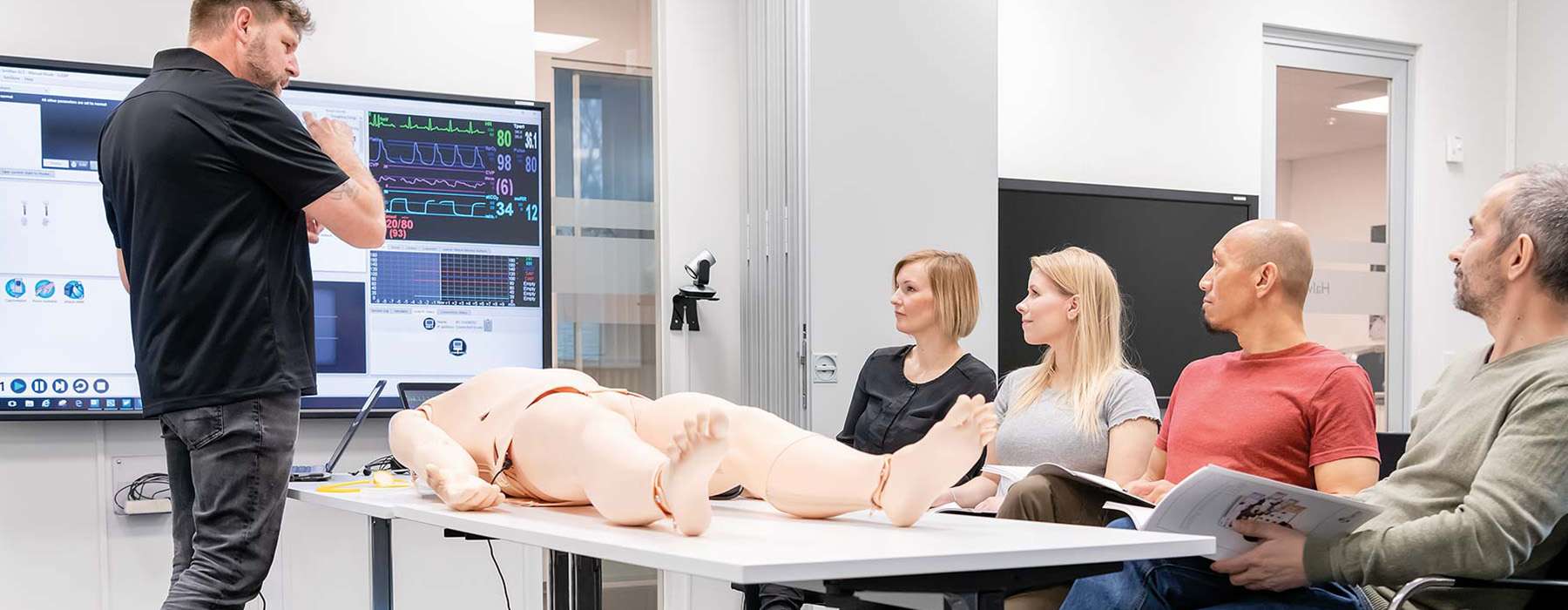
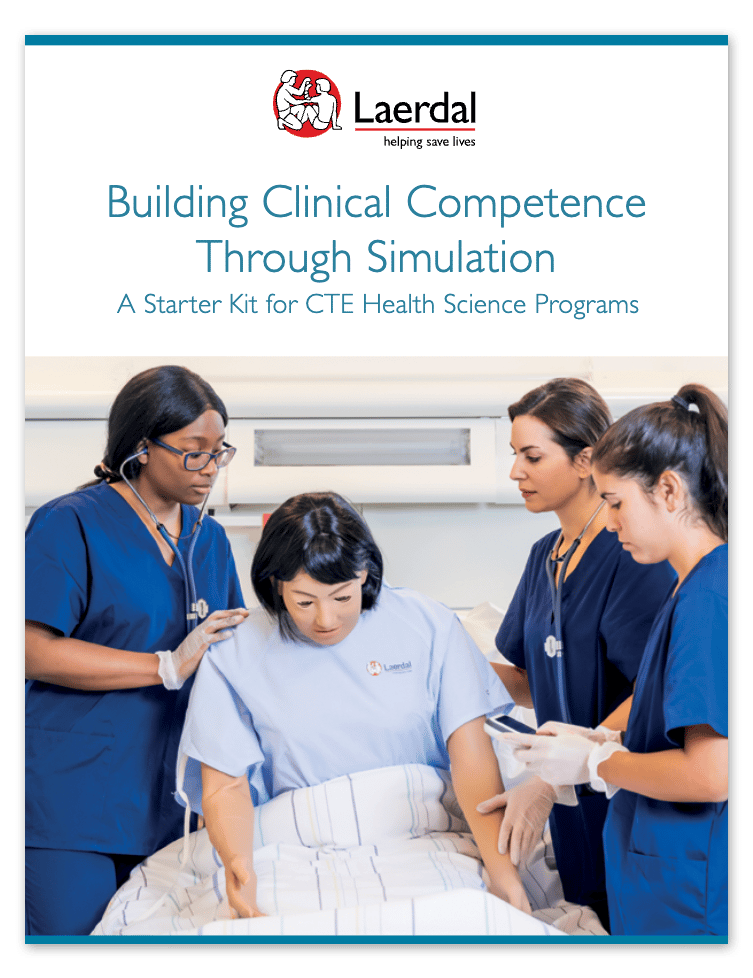
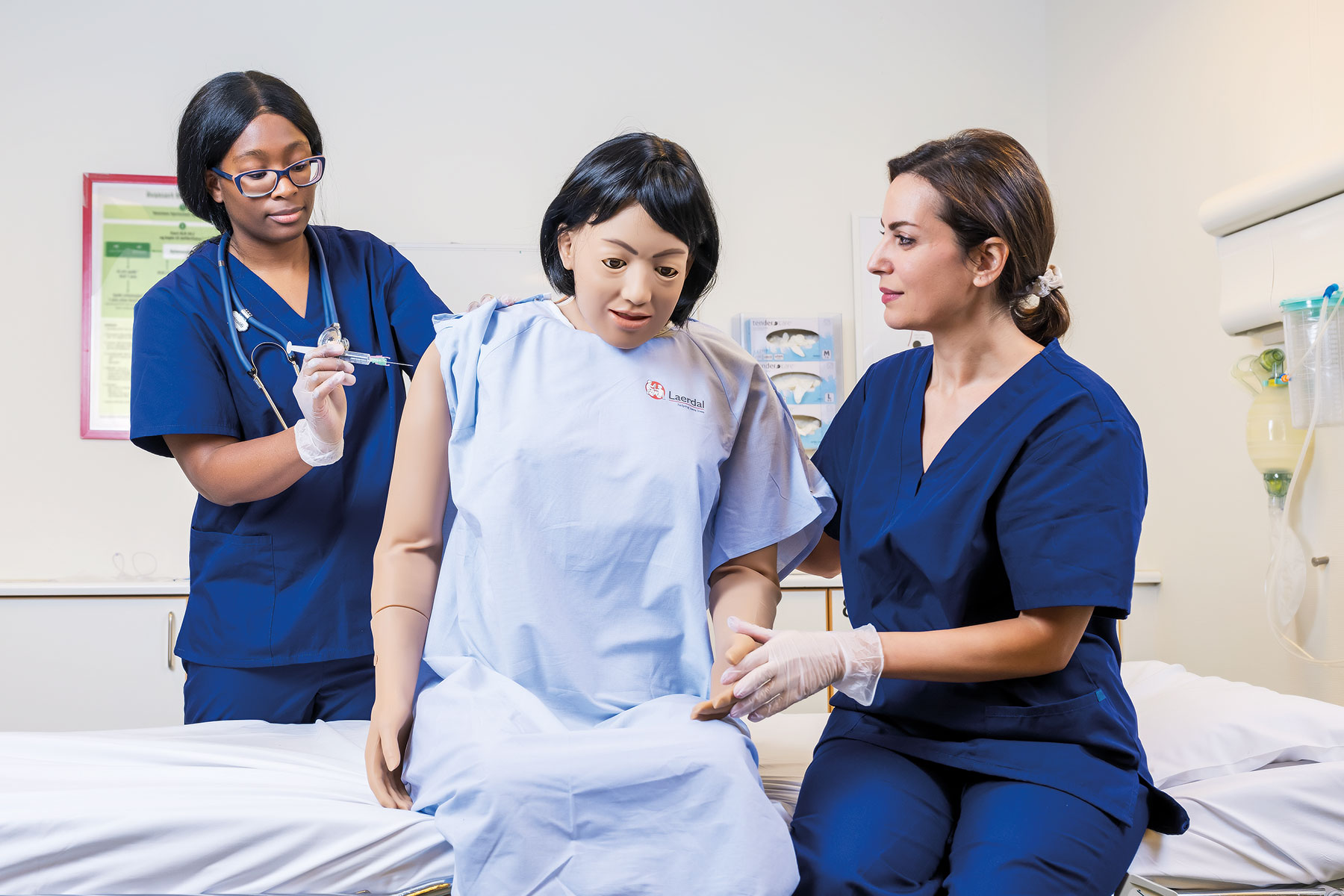
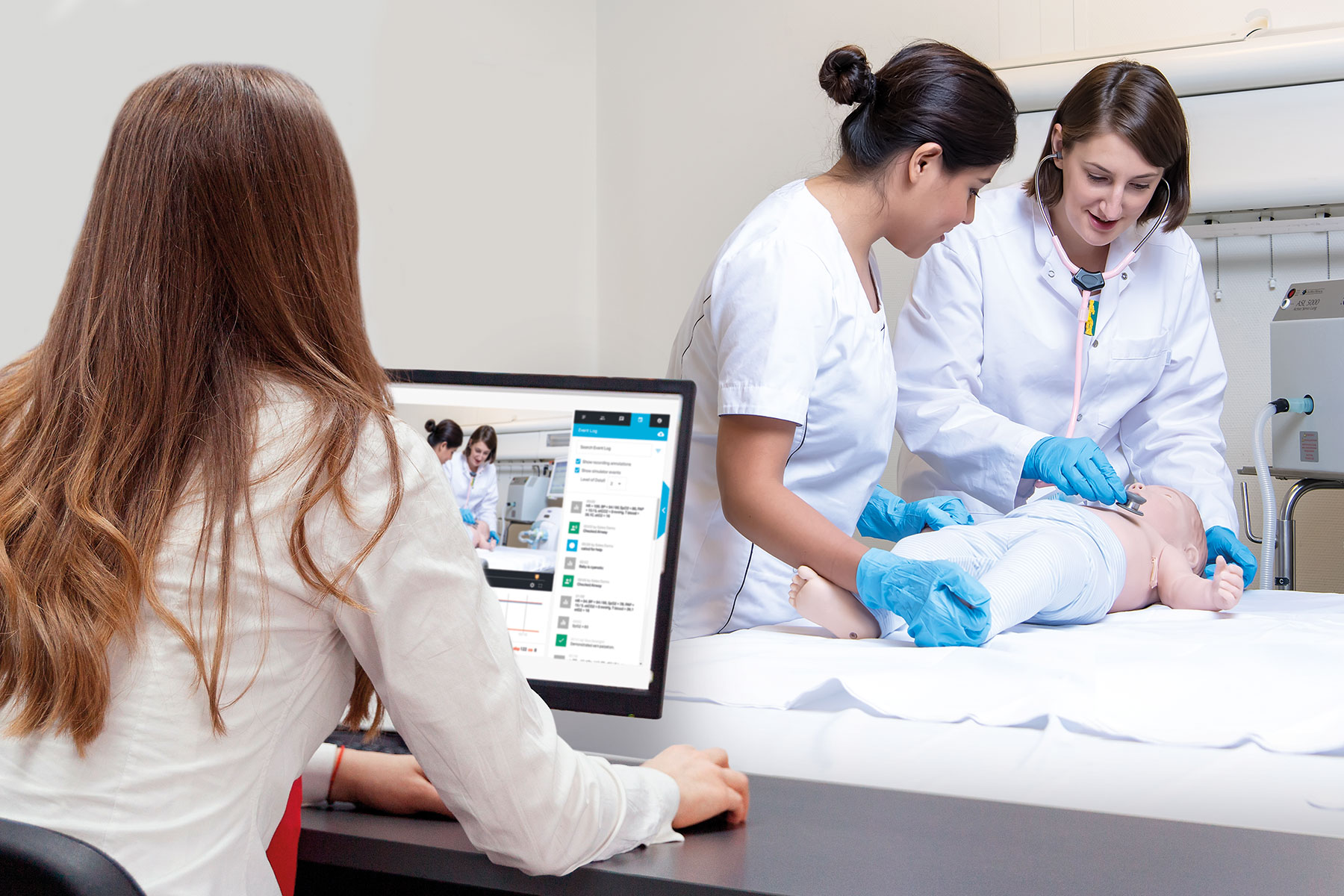
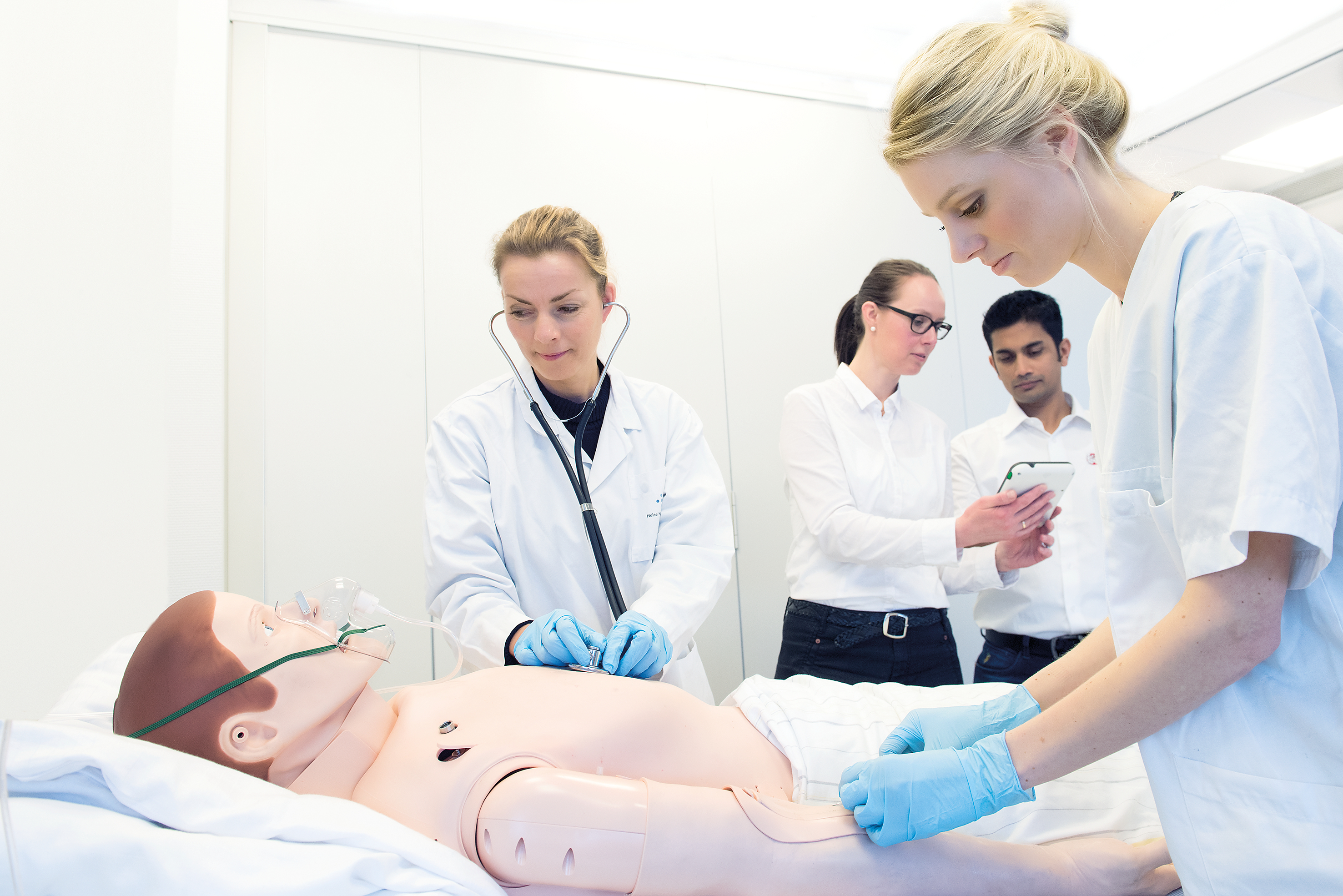
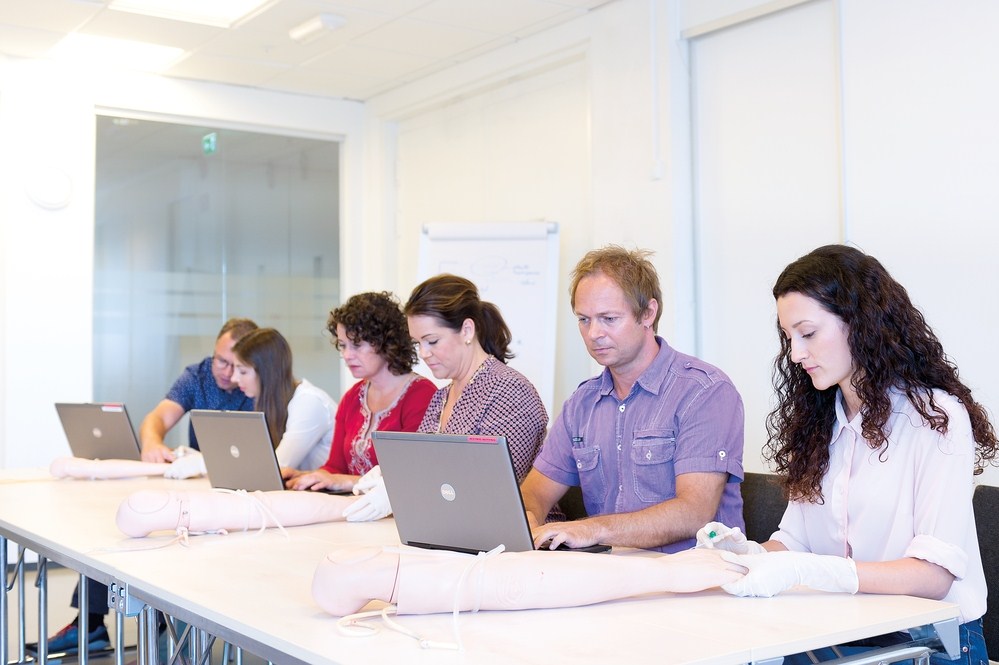
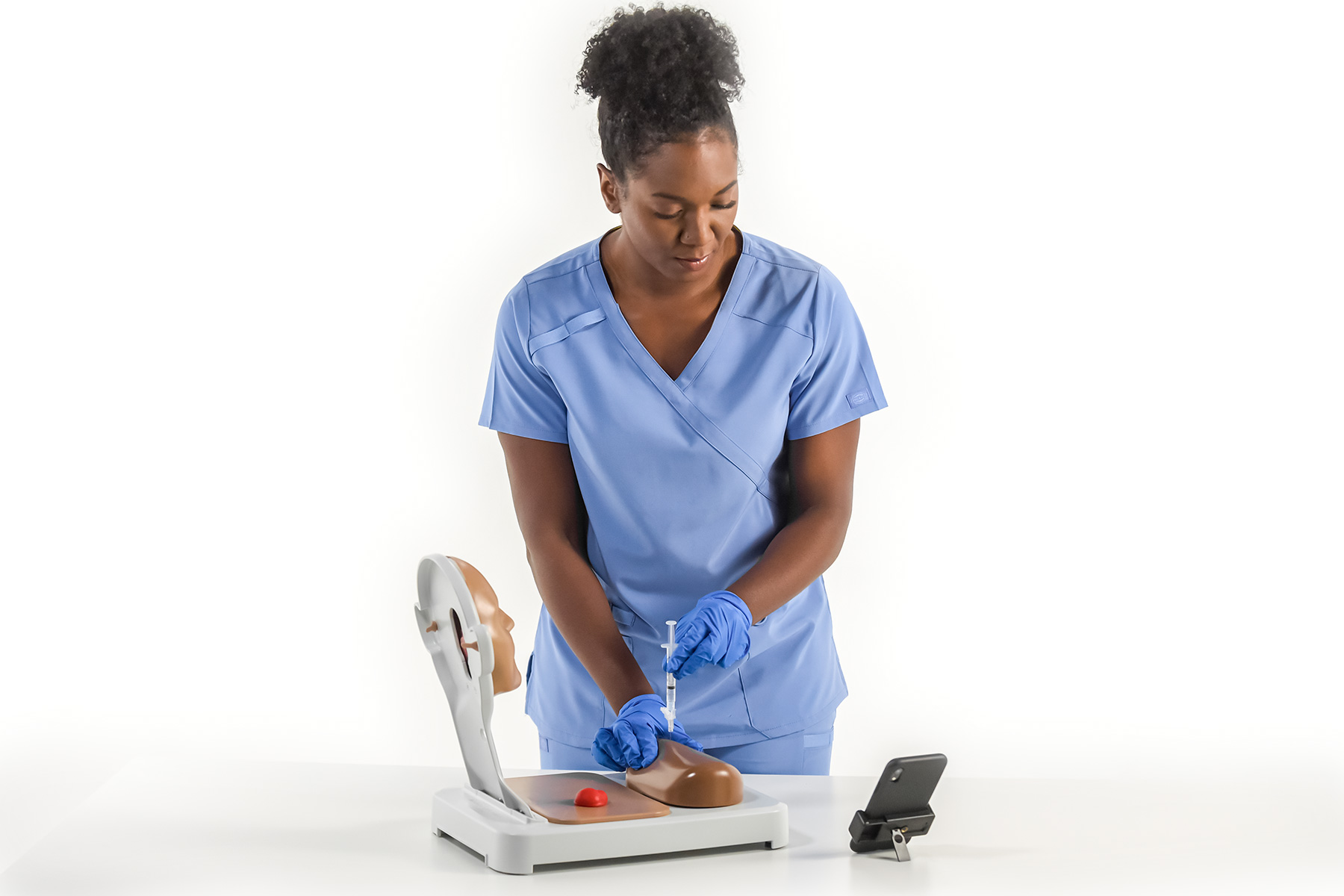
If you’re seeking ways to boost engagement in your curriculum, simulation-based training can help. Simulation provides students with a comprehensive and repeatable hands-on learning experience. This encounter allows them to practice assessment, diagnosis, and clinical procedures on a lifelike manikin. In this immersive setting, students can perfect their skills and build confidence in a safe setting. The hands-on environment of simulation brings learning to life in a way that textbook and PowerPoint slides fall short.
Students who train using simulation experience a higher level of engagement and show more personal involvement in their training compared to those who only experience didactic learning.4
95% of teachers say it should be a priority for every school to support teachers with the tools and strategies they need to increase and sustain student engagement.5