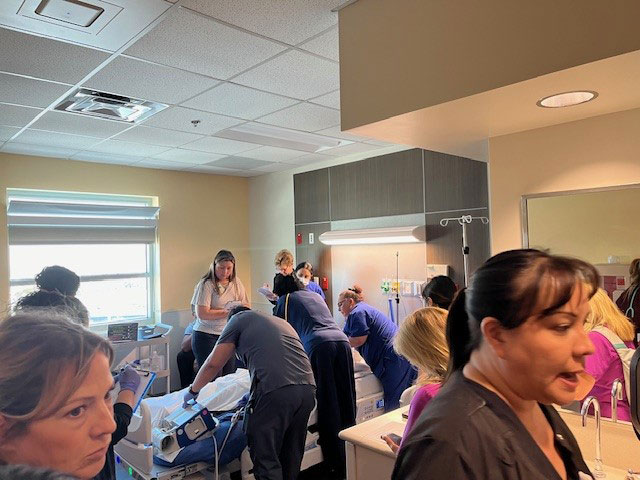
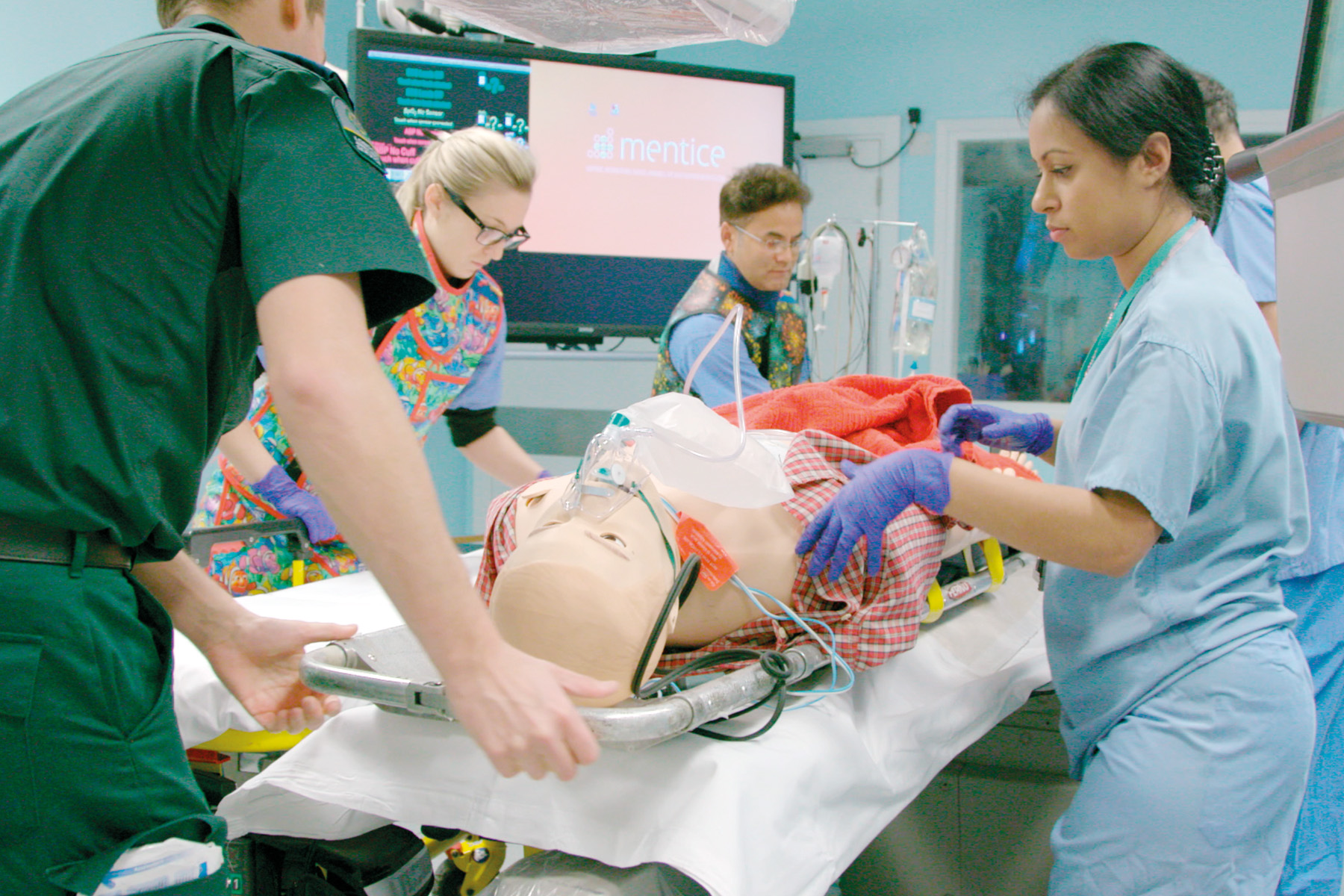
Ensuring Code Readiness at Summerlin Hospital Read how Summerlin Hospital in Las Vegas, NV uses high-fidelity simulation to ensure high-performance teamwork during codes.
How Can You Use Simulation to Identify and Fix System-Level Problems? When applied strategically, simulation becomes a powerful tool for identifying system failures, co-designing solutions, and embedding safer, more reliable care across entire healthcare systems.
Why Don’t Passive Methods for Continuous Improvement Work? Passive approaches rarely result in meaningful change. To improve outcomes and reduce risk, healthcare organizations need methods that actively examine, test, and improve the systems. Simulation provides that method.
Evidence Shows Translational Simulation Improves Patient Outcomes and Organizational Performance Translational simulation goes beyond education and skills training. Supported by growing evidence, it empowers teams to identify, test, and refine processes that lead to measurable improvements.
What Is Translational Simulation? Translational simulation focuses on using simulation as an active tool to diagnose problems, improve systems, and design safer, more effective care.
How Can Simulation Drive Quality Improvement in Your Healthcare Setting? Simulation isn't just for educating and training individuals. It can expose system flaws, test solutions, and drive real improvements for better, safer care.
Driving Quality Improvement in Obstetrics through Simulation In this article, we explore some of today’s top challenges in obstetrics and how simulation can help create a safer healthcare system.
5 Examples of Quality Improvement in Healthcare Explore real-world examples of how simulation in healthcare can drive quality improvement by testing protocols, identifying safety threats, and more.
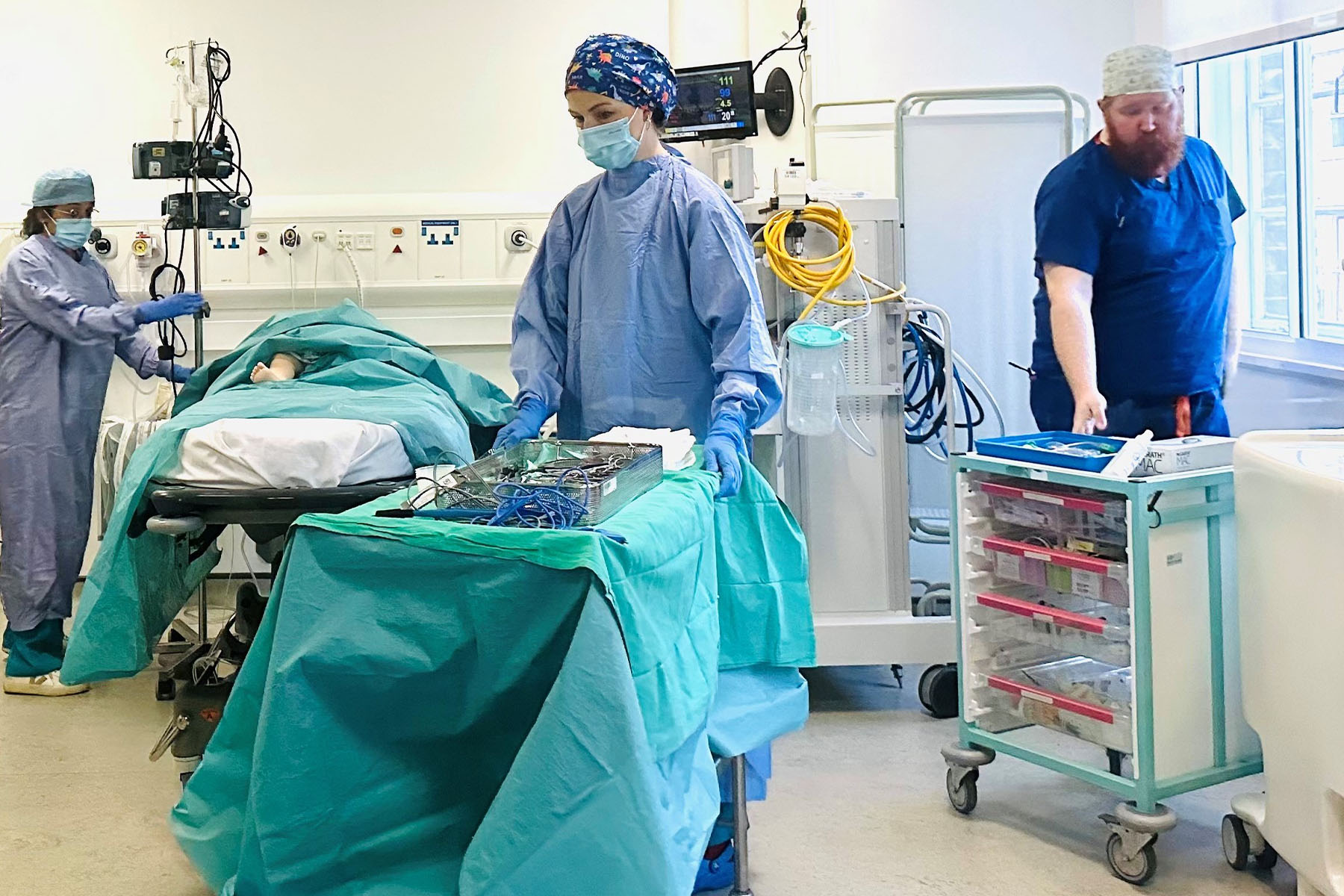
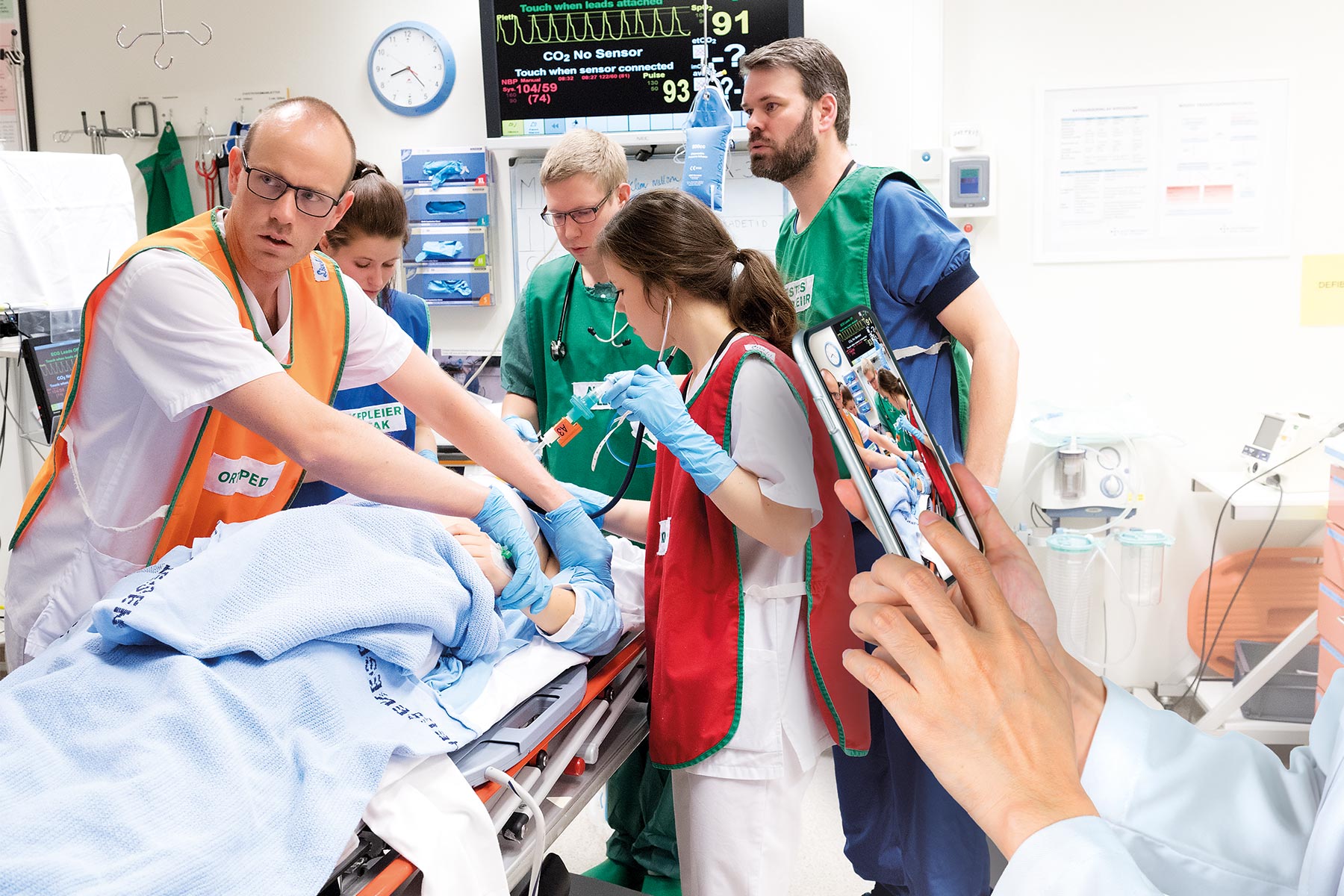
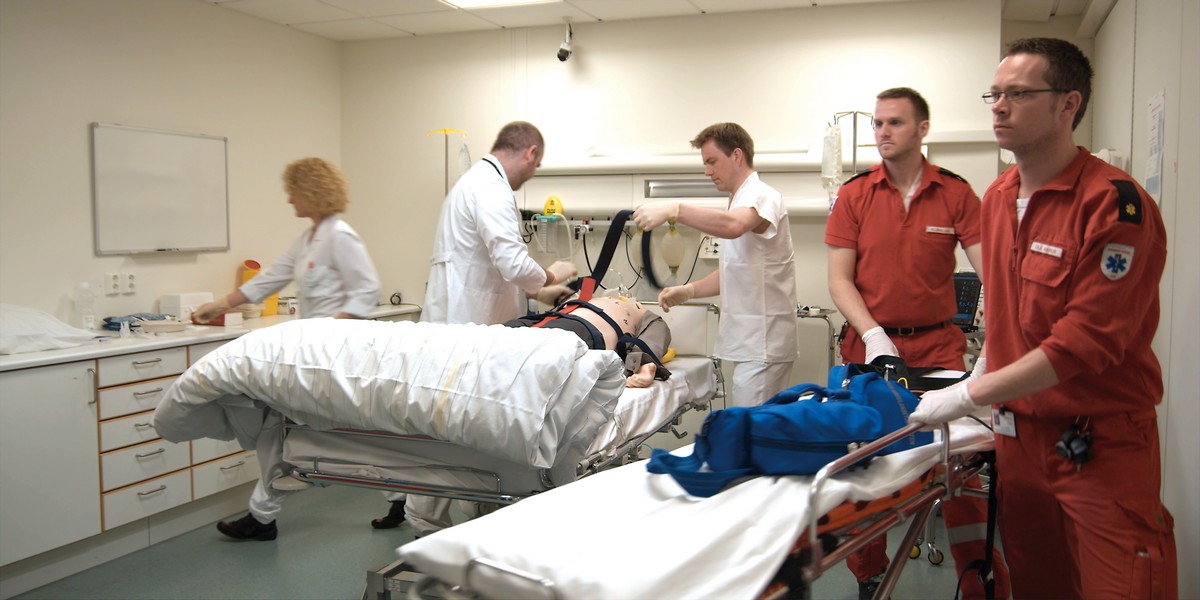
4 Ways In Situ Simulation Can Improve Care Quality in the ICU Explore 4 ways that in situ simulation can help test systems, uncover blind spots, and refine workflows before harm occurs – ultimately improving patient safety.
How In Situ Simulation Can Reveal Latent Safety Threats in the ED Explore how you can use in situ simulation to help uncover latent safety threats and drive quality improvement in your ED.
How Can Simulation Help Identify and Mitigate Latent Safety Threats? Hear from Jennifer McCarthy, MAS, NRP, CHSE-A about the important role of simulation in latent risk assessment and addressing system-wide challenges.
Soluciones de mejora de la calidad de la atención médica para el servicio de urgencias Explore nuestras soluciones que pueden complementar los esfuerzos de mejora de la calidad y mejorar los resultados en su servicio de urgencias.
Soluciones de mejora de la calidad en la atención médica para cuidados intensivos Vea nuestras soluciones que pueden apoyar las actividades de mejora de la calidad en su UCI.
Soluciones de mejora de la calidad en la atención médica para obstetricia Explore nuestras soluciones que pueden complementar sus esfuerzos de mejora de la calidad y garantizar resultados óptimos
Soluciones de mejora de la calidad en la atención médica para neonatos Vea nuestras soluciones que pueden asistir sus actividades de mejora de la calidad y garantizar resultados óptimos para los pacientes más pequeños.