COVID-19 Resource Center
Complimentary simulation scenarios, safety procedures, and checklists for healthcare providers.
Learn More

Every year, Sepsis affects between 47 and 50 million people, and at least 11 million people die. Sepsis is a life-threatening response to infection. It can be caused by any type of infection. It may lead to shock, multiple organ failure, and death, especially if not recognized early and treated quickly.
The number of sepsis cases is increasing dramatically. The Global Sepsis Alliance reports that hospitalizations for sepsis have doubled over the last 10 years. And while most associate sepsis with hospital infections, international surveys estimate that 20-40% of sepsis patients develop sepsis outside hospitals.
Sepsis is often diagnosed too late, because the clinical symptoms used for sepsis diagnosis like raised temperature, increased pulse or breathing rate, or white blood cell count are unspecific. In children, the signs and symptoms may be subtle and deterioration can be rapid.
Even a minor infection can lead to sepsis. Sepsis is a common, but under recognized condition. This is due to confusion about the signs of sepsis among patients and healthcare providers, lack of documentation of sepsis as a cause of death, inadequate diagnostic tools, and inconsistent application of standard clinical guidelines to treat sepsis.

Fever, shivering, very cold
Short of breath

Clammy or sweaty skin

Extreme pain

Confusion or altered mental status

Pale or discolored skin
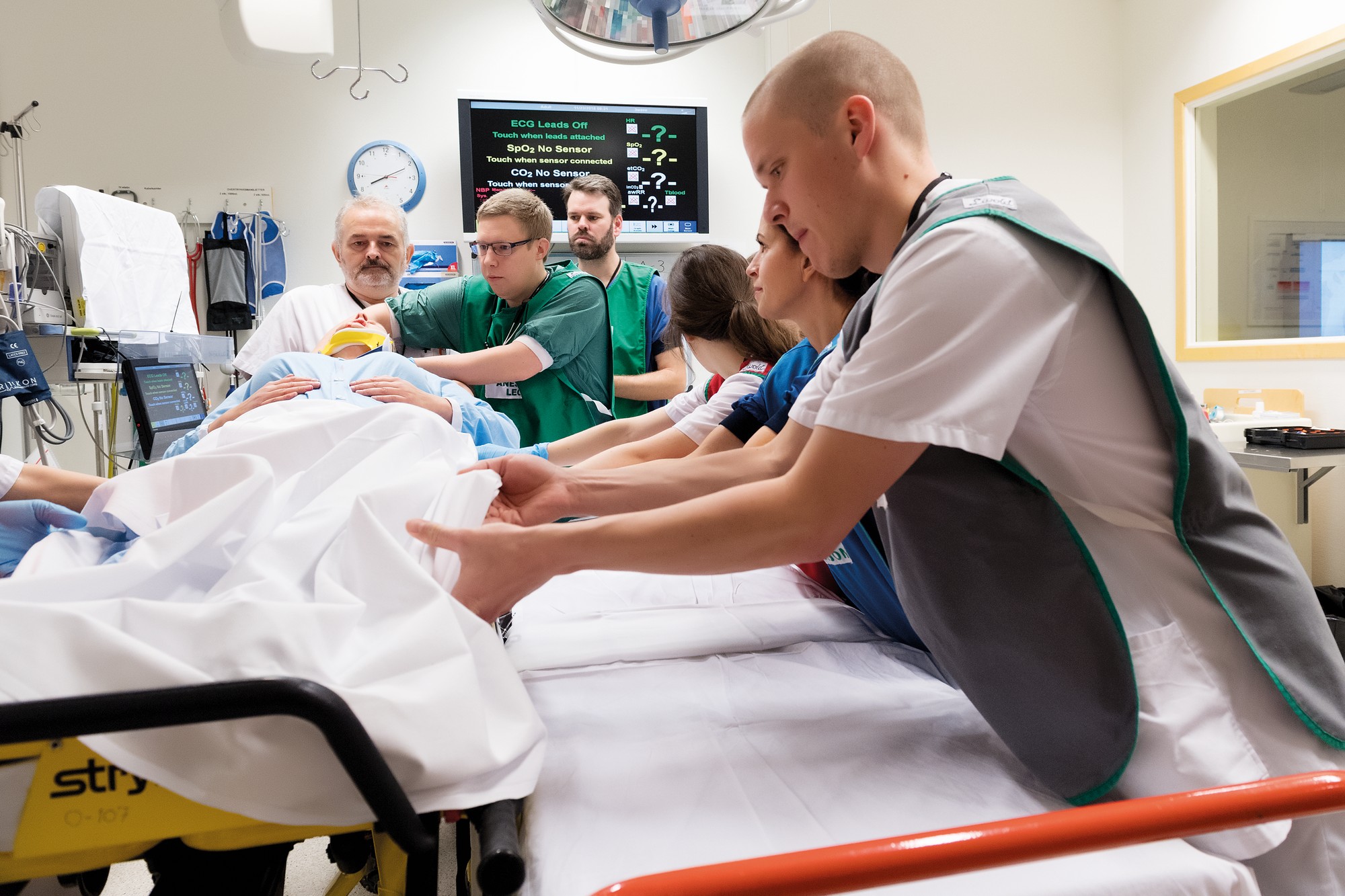
Regardless of the setting, pre-hospital or hospital, the critical factor in patient survival is time—time to recognition and time to treatment. The risk of death from sepsis increases by as much as 8% for every hour that treatment is delayed.
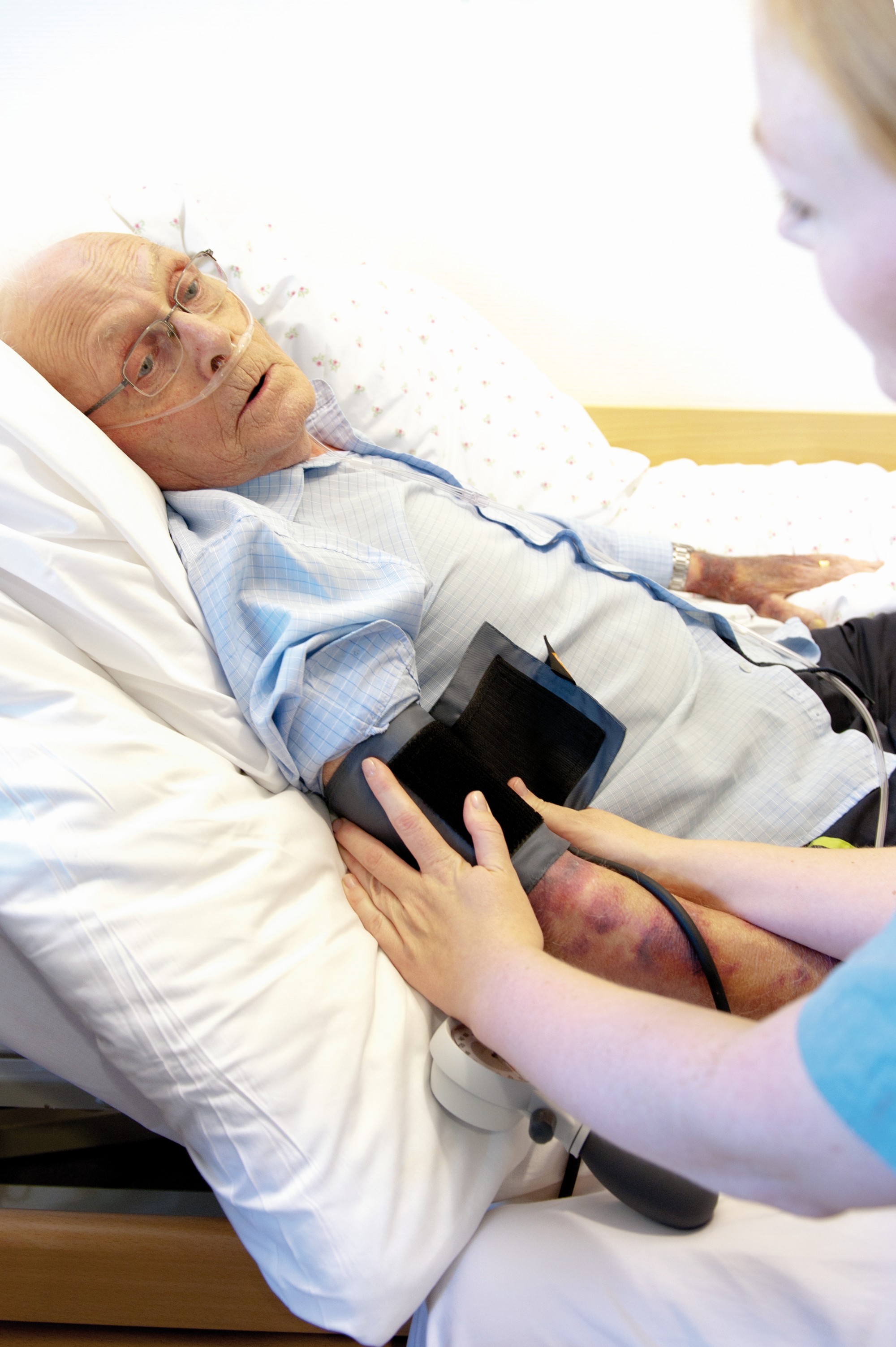
Sepsis can be difficult to diagnose because of its quick onset and overlapping symptoms with other conditions. There is no single test for sepsis, so learning to identify and treat sepsis quickly is critical. Common signs of sepsis include fever, shivering, extreme pain, pale or discolored skin, sleepiness, confusion or altered mental state, shortness of breath, and lack of urination.
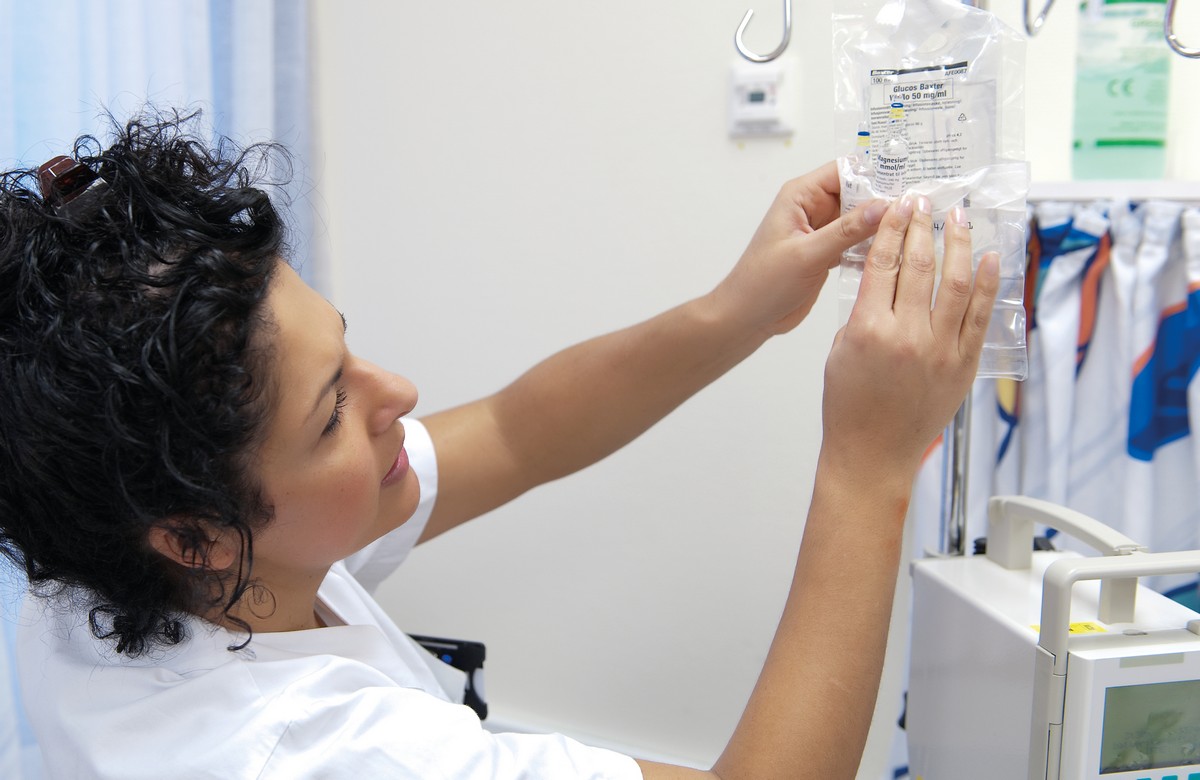
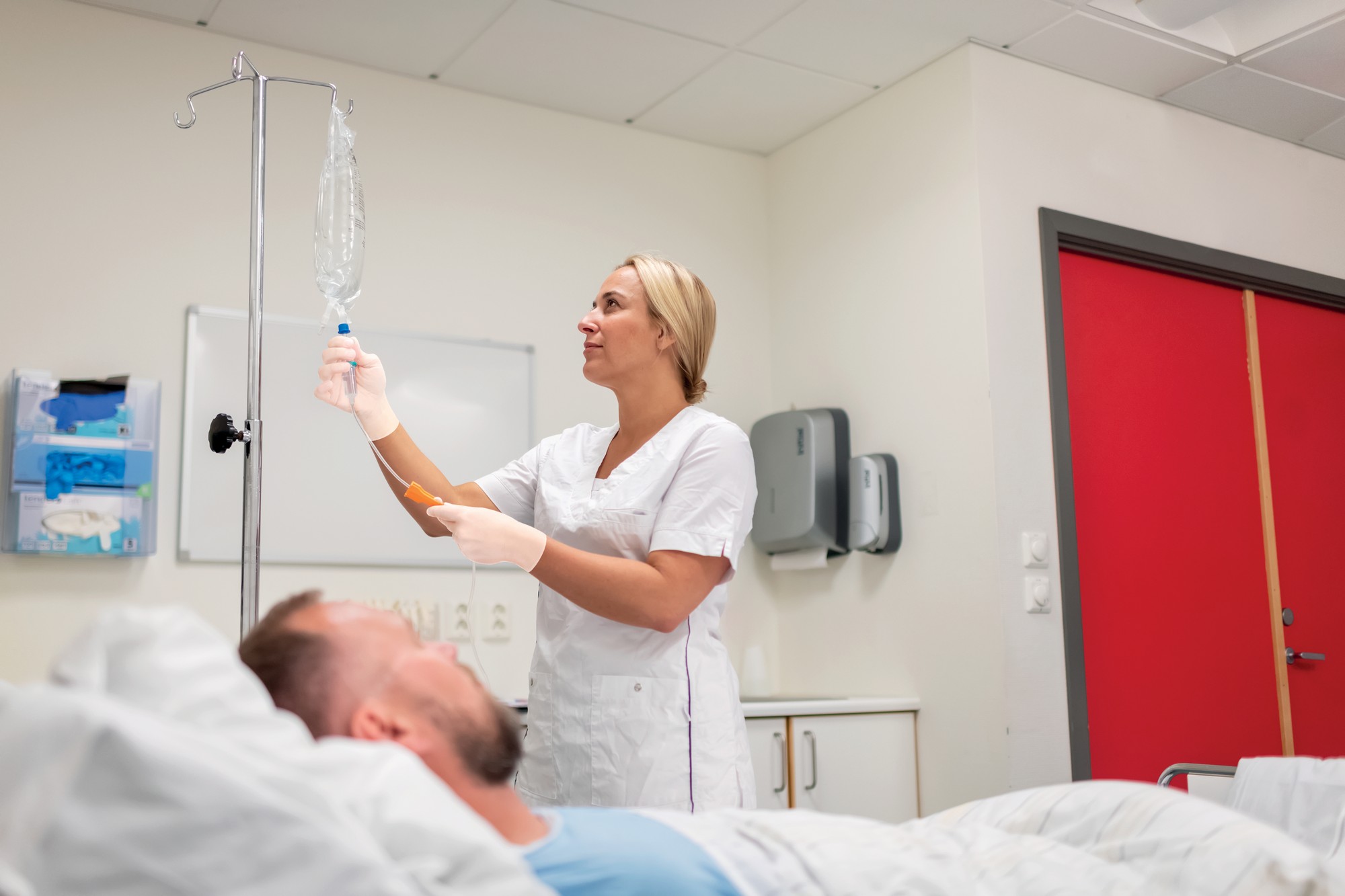
As many as 80% of sepsis deaths could be prevented with rapid diagnosis and treatment. Rapid initiation of simple, timely interventions including intravenous fluids and targeted treatment to restore the circulation can reduce the risk of dying. Early sepsis treatment not only improves patient safety, but it is cost effective, reducing hospital and critical care bed days for patients.
Simulation training can enable healthcare providers to accurately diagnose and treat sepsis. Using simulation scenarios to learn to identify standard and severe sepsis, to recognize sepsis in high-risk patients, to differentiate between sepsis and other conditions, and to assess and treat septic shock are among some of the learning objectives for simulation training.
A key intervention in the Saving Little Lives program is a NICU package with a focus on sepsis.