How to Help Learners Overcome Emotional Barriers to Bystander CPR
A Guide for Instructors

A Guide for Instructors
If you’re a bystander CPR instructor, you know that teaching the steps is only part of the job. Knowledge alone doesn’t guarantee action. In real emergencies, laypeople often freeze, even if they’ve completed a class.
Studies show that panic, lack of confidence, and fear of causing harm are major emotional barriers that stop people from starting CPR.1 Understanding these barriers is the first step in helping your learners act when it counts. Knowing how to act isn’t always enough; what matters most is whether they can act when it counts.
In this article, we provide practical strategies you can use to help learners overcome the emotional barriers that prevent them from performing bystander CPR.
Emotional barriers like panic, lack of confidence, fear of causing injury, and perceptions of futility are key reasons many trained people hesitate to perform bystander CPR.3
One study found that panic and hysteria occurred in 20% of emergency calls, presenting a major barrier to dispatcher-assisted CPR in bystander-witnessed cardiac arrests.4
In a sudden cardiac arrest, fear can spike instantly. Heart rate climbs, thinking slows, and even someone who has recently learned CPR may struggle to remember steps. Panic creates hesitation, which can cost precious seconds.
Many learners doubt their own ability. Will they place their hands properly? Will they compress deeply enough, and at the right pace? Even minor uncertainty can prevent action. Without confidence, learners may wait for someone else to intervene.
Some learners worry that they might hurt the person. Concerns about breaking ribs, using too much force, or making things worse are common. Even if they understand intellectually that doing nothing is riskier than acting, fear can paralyze them.
Some learners hesitate because they believe CPR won’t make a difference. They may think the situation is hopeless if the victim appears older, frail, or unresponsive. This perception of futility can stop action before it begins, even when intervention could save a life.

You can play a critical role in helping learners manage these emotions. Here are a few practical strategies to try:
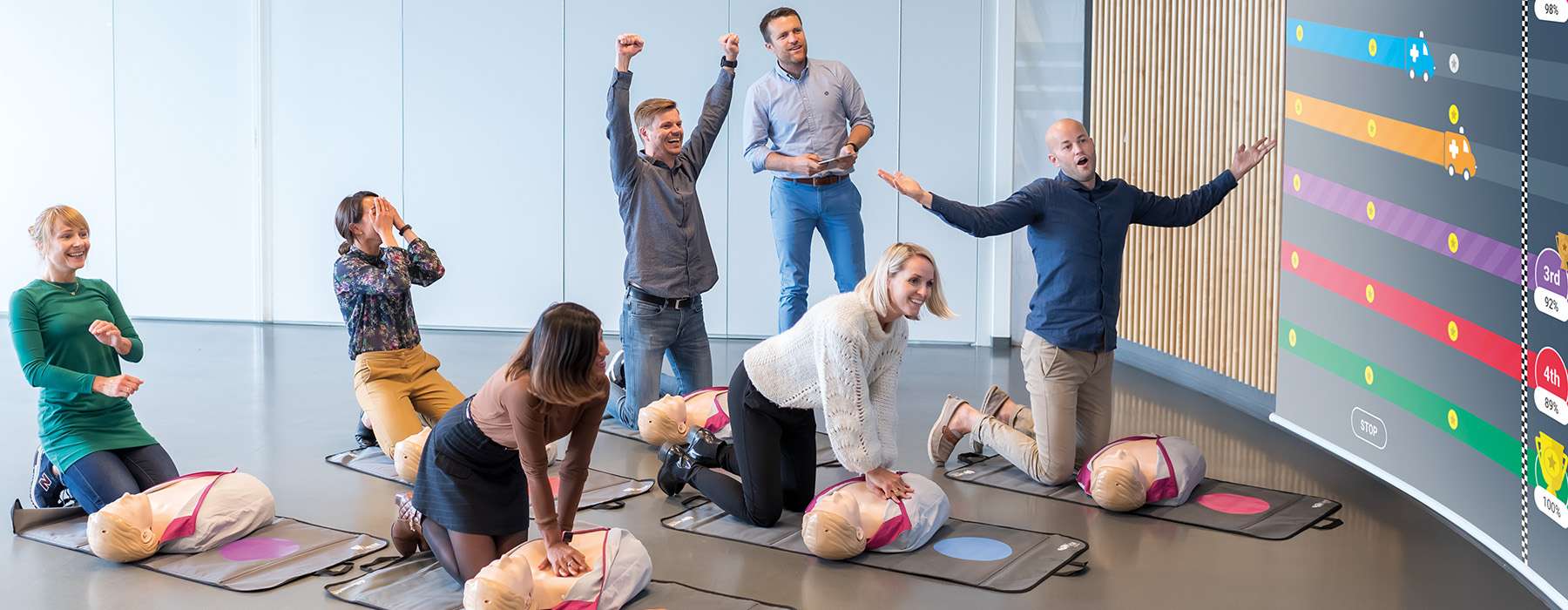

Your impact goes beyond teaching steps. You help learners manage emotions, build confidence, and see the meaningful effect of their actions. By combining strategies like controlled stress exposure, reflection, peer observation, and mental rehearsal with supportive tools, you give learners the best chance of moving from hesitation to action.
Even if learners don’t remember every slide, they will remember how CPR felt in their hands and the confidence they gained. Thoughtful instruction paired with realistic practice helps them overcome fear, doubt, and perceptions of futility, preparing them to step in when it matters most.
✓Emotions matter as much as technique. Panic, lack of confidence, fear of injury, and perceived futility can stop laypeople from acting.
✓Instructor strategies make a difference. Small stressors, reflection, peer feedback, mental rehearsal, and normalization of imperfection build readiness.
✓Hands-on practice is essential. Repeated skill cycles, AED familiarization, and tactile practice help learners internalize CPR.
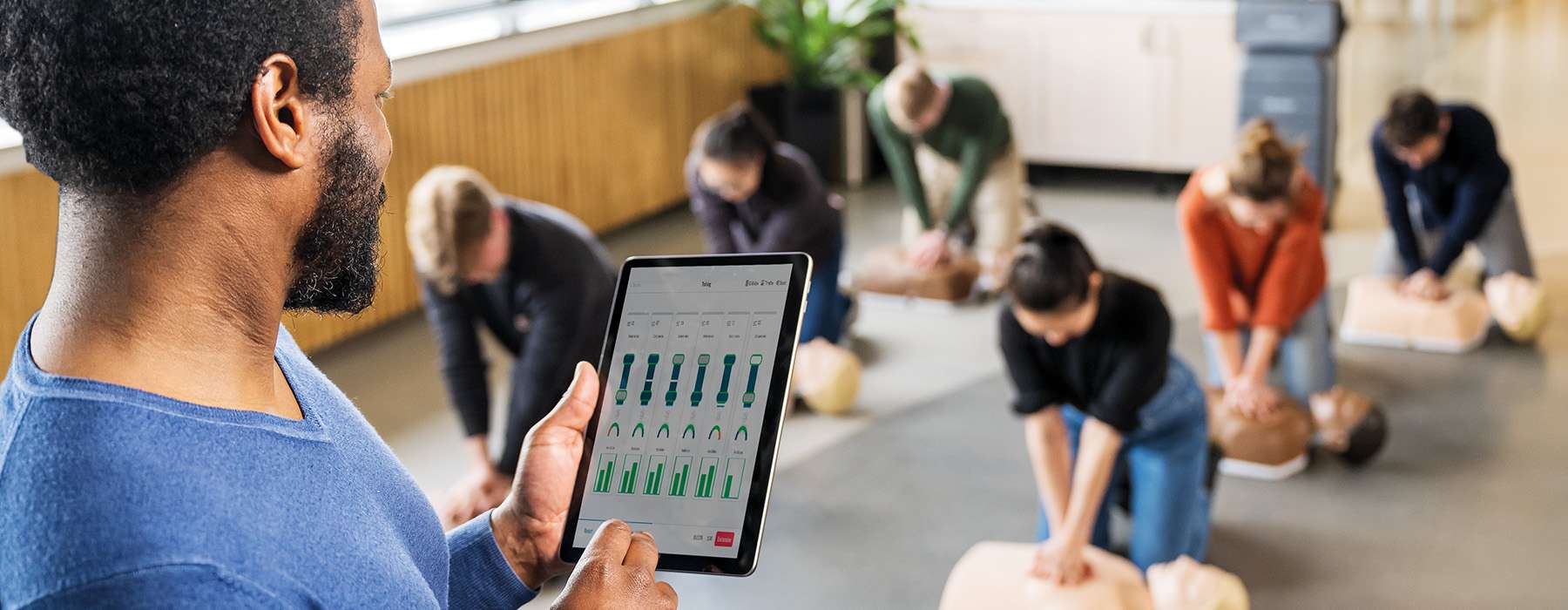
✓Feedback reinforces high-quality CPR. Real-time tools like the QCPR app give learners measurable guidance and boost confidence.
✓Engagement enhances learning. Gamification and interactive practice motivate learners to improve and help them see the impact of their actions.