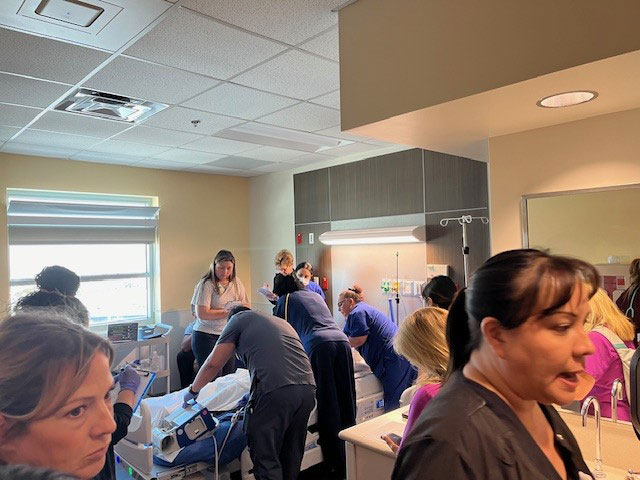
Ensuring Code Readiness at Summerlin Hospital Read how Summerlin Hospital in Las Vegas, NV uses high-fidelity simulation to ensure high-performance teamwork during codes.
Achieving High-Reliability Status Through Simulation Hear from Lisa Brown, Senior Simulation Education Specialist at Cleveland Clinic Martin Health, about how she’s using simulation to drive quality improvement.
5 Examples of Quality Improvement in Healthcare Explore real-world examples of how simulation in healthcare can drive quality improvement by testing protocols, identifying safety threats, and more.
[eBook] Using Simulation to Improve Team Performance in Your NICU A collection of practical tips and tools to help you use simulation to achieve high-reliability status with your NICU team.
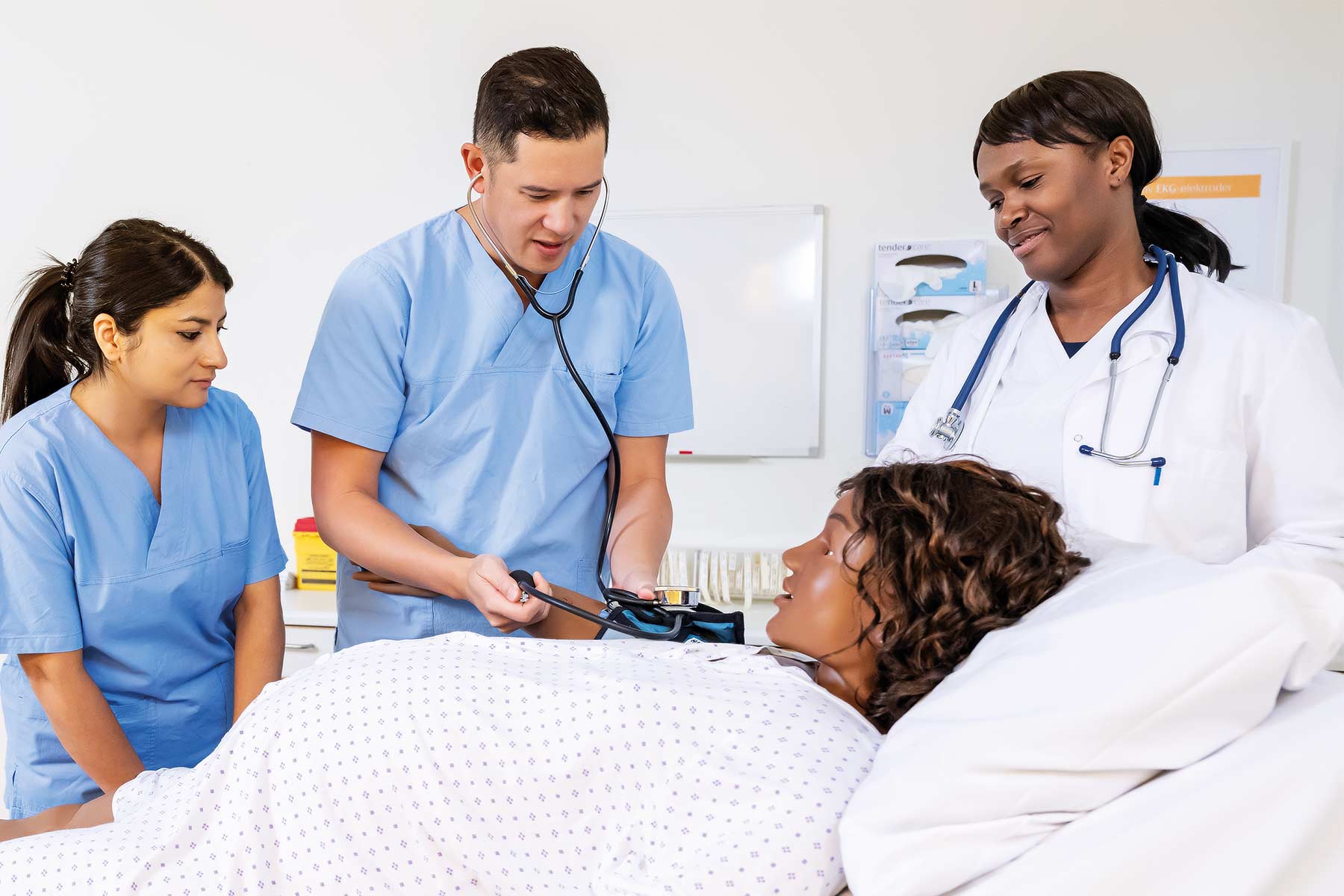
Improving Maternal Outcomes Through Simulation at AdventHealth Hear from Cameron Goodman from AdventHealth as he shares his insights on maternal simulation and his experiences with MamaAnne®.
Comment la simulation peut-elle aider les professionnels de santé à se préparer aux urgences obstétricales ? Écoutez la Dr Roxane Gardner, experte en obstétrique et spécialiste de la simulation, expliquer en quoi cette méthode permet de former les équipes aux urgences obstétricales telles que l’hémorragie du post-partum.
High Emotion Simulation In this article, learn how Jens Schwindt, CEO of SIMCharacters, determined the key factors needed for an optimal training environment that empowers healthcare professionals, ultimately leading to the creation of their first premature baby, Paul.
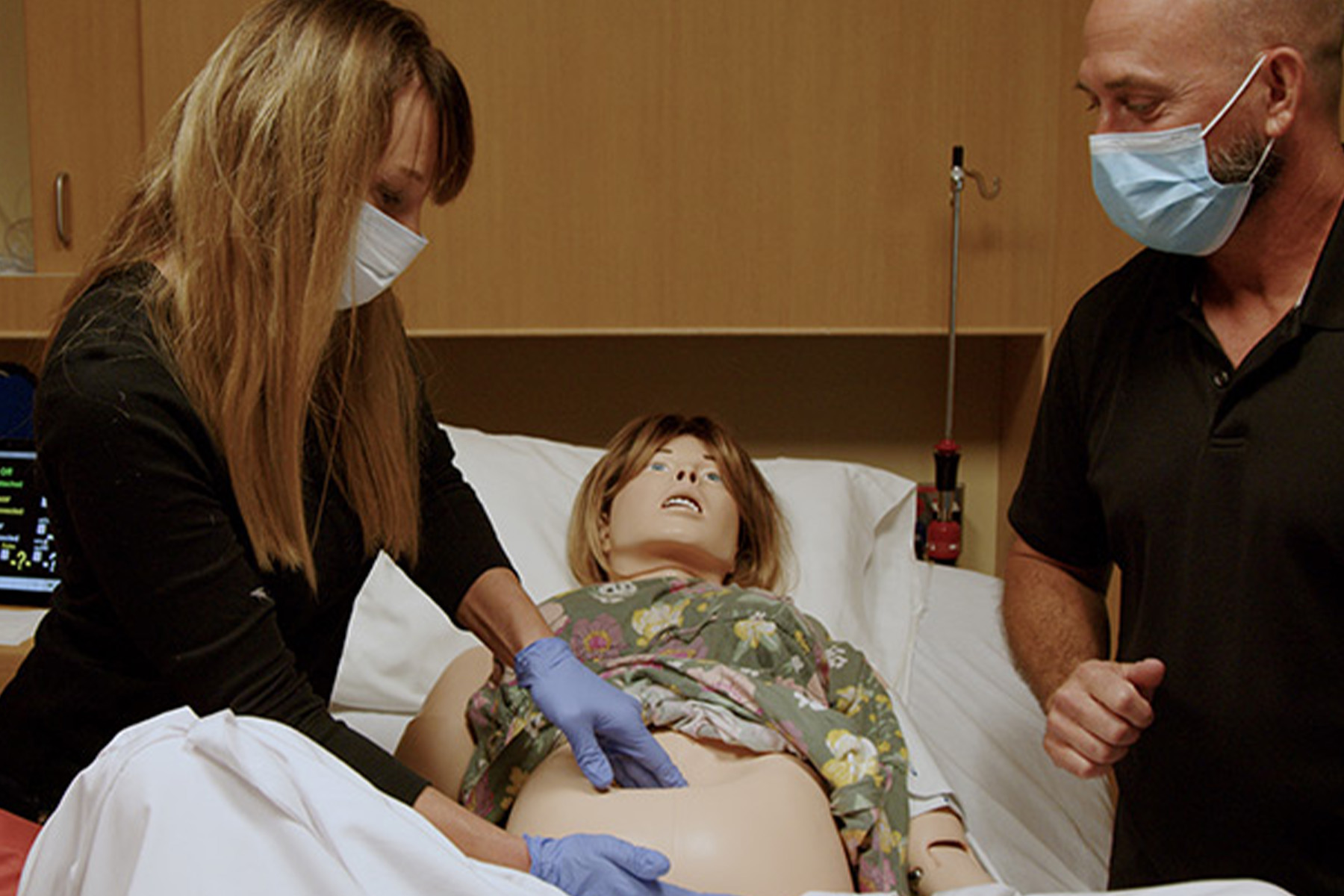
How to reach rural communities with obstetric simulation training To train healthcare providers in rural community hospitals across South and Central Texas, the team at the University Hospital in San Antonio started a simulation outreach program. The Perinatal Outreach Program was developed to improve the quality and standardization of care, to practice skills in management of shoulder dystocia, PPH and pre-eclampsia, and to improve teamwork and communication.
The Role of Low-Fidelity Simulation in Labor and Delivery Low-fidelity simulation can provide learners with a wealth of training experience – at minimal expense. Learn three ways that you can use low-fidelity simulation training to reduce preventable harm to maternal and newborn patients.
La septicémie : une infection courante, mais peu reconnue La formation par la simulation peut permettre aux professionnels de santé de diagnostiquer et de traiter de manière précise la septicémie.L’utilisation de scénarios de simulation pour apprendre à identifier la septicémie standard et sévère, pour reconnaître la septicémie chez les patients à haut risque, pour faire la différence entre une septicémie et d’autres pathologies et pour évaluer et traiter le choc septique, voilà quelques-uns des objectifs d’apprentissage de la formation par la simulation.