How North Carolina Central University Transformed CPR Training with RQI
An interview with Yolanda M. VanRiel, PhD, RN, MEDSURG-BC, OCN, CNE, ACUE, ANEF, FAAN
Department Chair of Nursing, North Carolina Central University

An interview with Yolanda M. VanRiel, PhD, RN, MEDSURG-BC, OCN, CNE, ACUE, ANEF, FAAN
Department Chair of Nursing, North Carolina Central University
Dr. Yolanda M. VanRiel joined us for a recent webinar to discuss her school's path to embracing high-quality resuscitation training in their nursing program. Watch the video or read the article below.
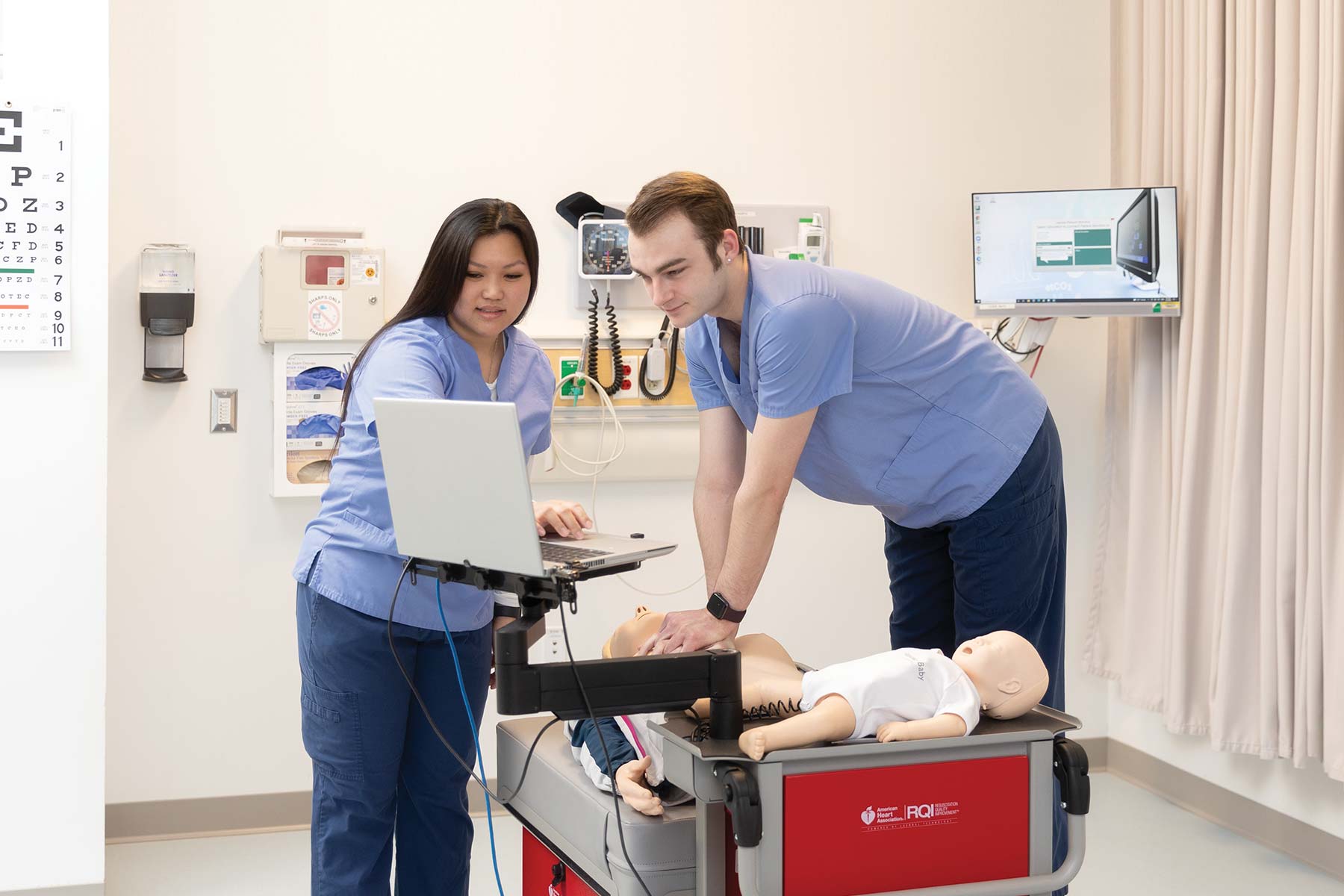
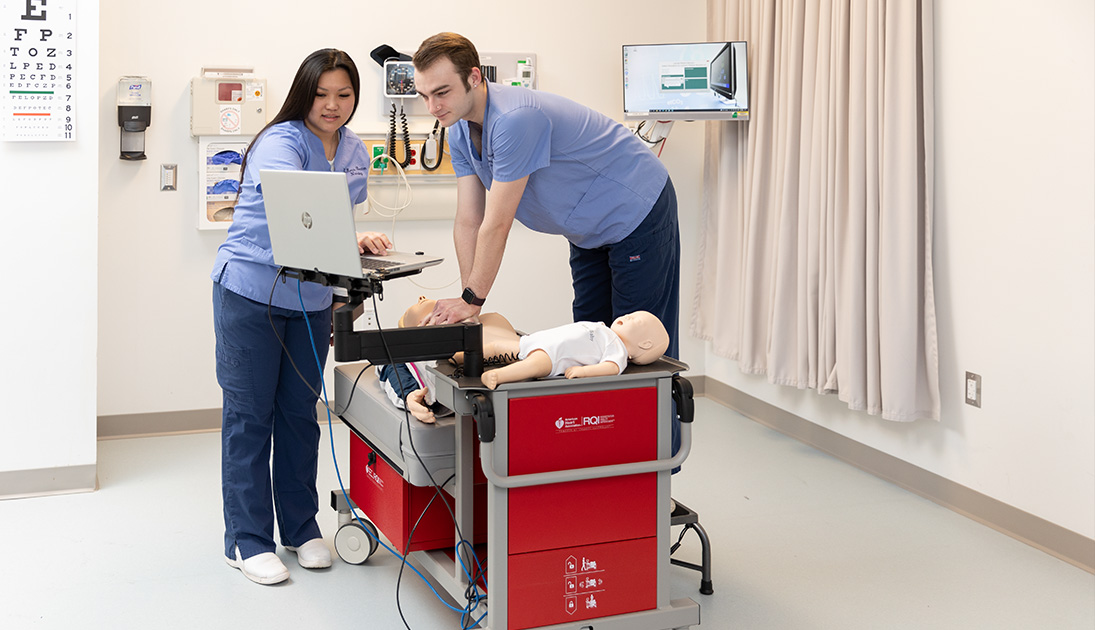
At North Carolina Central University (NCCU), the School of Nursing has long been committed to preparing compassionate, competent nurse leaders. In 2021, Dr. Yolanda M. VanRiel, Chair of the Department of Nursing, attended the NLN Education Summit and discovered Resuscitation Quality Improvement® (RQI®).
RQI provides frequent but short training sessions that help students built muscle memory while fine-tuning skillsets. True Adaptive™ Learning helps tailor assessments and learnings to the needs of each student.
Dr. VanRiel immediately recognized RQI’s potential to elevate clinical readiness and improve patient outcomes, especially in underserved communities.
Dr. VanRiel’s decision to adopt RQI was rooted in a desire to ensure that NCCU graduates were not only confident but truly competent in delivering high-quality CPR.

NCCU became one of the first nursing schools to implement RQI, embedding it directly into clinical courses as a pre-clinical requirement each semester. But the innovation didn’t stop there. The program was thoughtfully integrated into simulated community environments such as home health scenarios allowing students to apply CPR skills in realistic, patient-centered settings.
Recognizing the broader value of RQI, the university expanded its use beyond nursing to include students in speech-language pathology, public health education, and kinesiology programs.
As a Historically Black College and University (HBCU), NCCU faced funding challenges. To ensure equitable access, the university chose to cover the cost of RQI for students. Faculty buy-in was another hurdle, addressed by linking RQI directly to improved patient outcomes and developing a compelling business case to demonstrate its value.
Student compliance initially posed a challenge, with some struggling to complete modules on time. This was resolved by tying RQI completion to clinical course requirements and appointing a compliance coordinator to monitor progress.

By September 2024, the results spoke volumes. A total of 169 students had participated, performing over 94,560 compressions and 18,220 ventilations. Performance improvements were dramatic:
Adult compression
Infant compression
Adult ventilation
Infant ventilation
These gains highlighted a critical insight: while students often reported high confidence, initial performance data revealed gaps - especially in infant CPR. Real-time feedback provided by RQI helped bridge this divide between confidence and competence.
Students shared that they felt more confident in real clinical situations, particularly during emergency codes. Alumni noted they were better prepared when entering emergency departments. Faculty praised the program’s efficiency and the feedback-rich environment it created, contrasting it favorably with traditional CPR training.
Once implemented, RQI required minimal time to manage. Students typically completed sessions in just 10–15 minutes, making it a low-maintenance solution with a high return on investment.

“RQI data created a shared, objective language for coaching and improvement,” Dr. VanRiel shares. “What I appreciate about RQI is that it normalizes short, frequent practice so competence is reinforced over time—not crammed into one day. For our students and faculty, it shifted the mindset from ‘checking a box’ to building real muscle memory and confidence that carries into clinical and classroom settings.”
“A key reflection for us has been the importance of developing depth and continuity in faculty training for RQI,” she says. “We have learned that it is essential to have several faculty members fully trained and confident in RQI, because faculty retire, transition, or leave positions and that turnover can quickly create gaps if the program depends on only one or two ‘experts.’”
“Building a broader bench of trained faculty also strengthens implementation because it ensures continuity, shared accountability, and consistent messaging,” she adds. “Just as importantly, when multiple faculty truly understand the RQI approach and expectations, they are better able to coach students, reinforce skill mastery, and integrate RQI seamlessly into the learning experience rather than treating it as a standalone requirement.”