Skip to content
Shop

MamaNatalie

Birthing Simulator

Reduce postpartum and neonatal complications to provide safer maternal care

More with less: A low-tech birth simulator with high impact

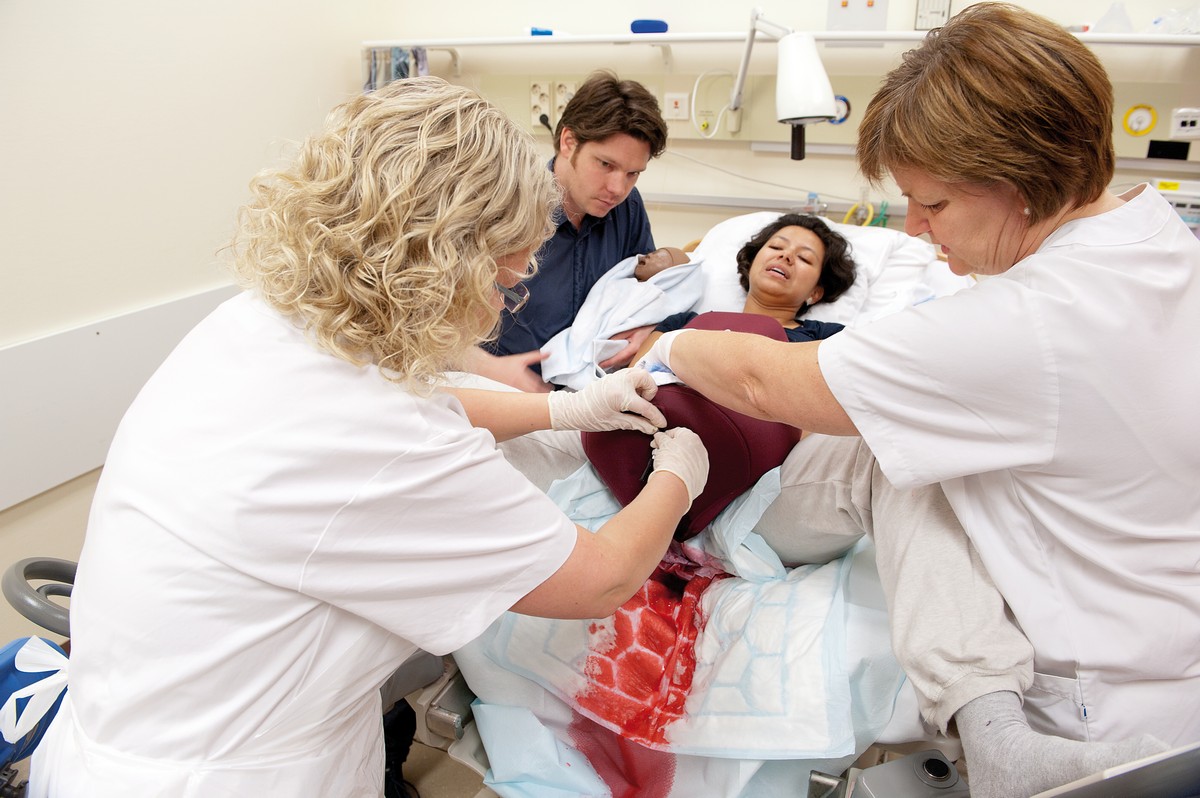
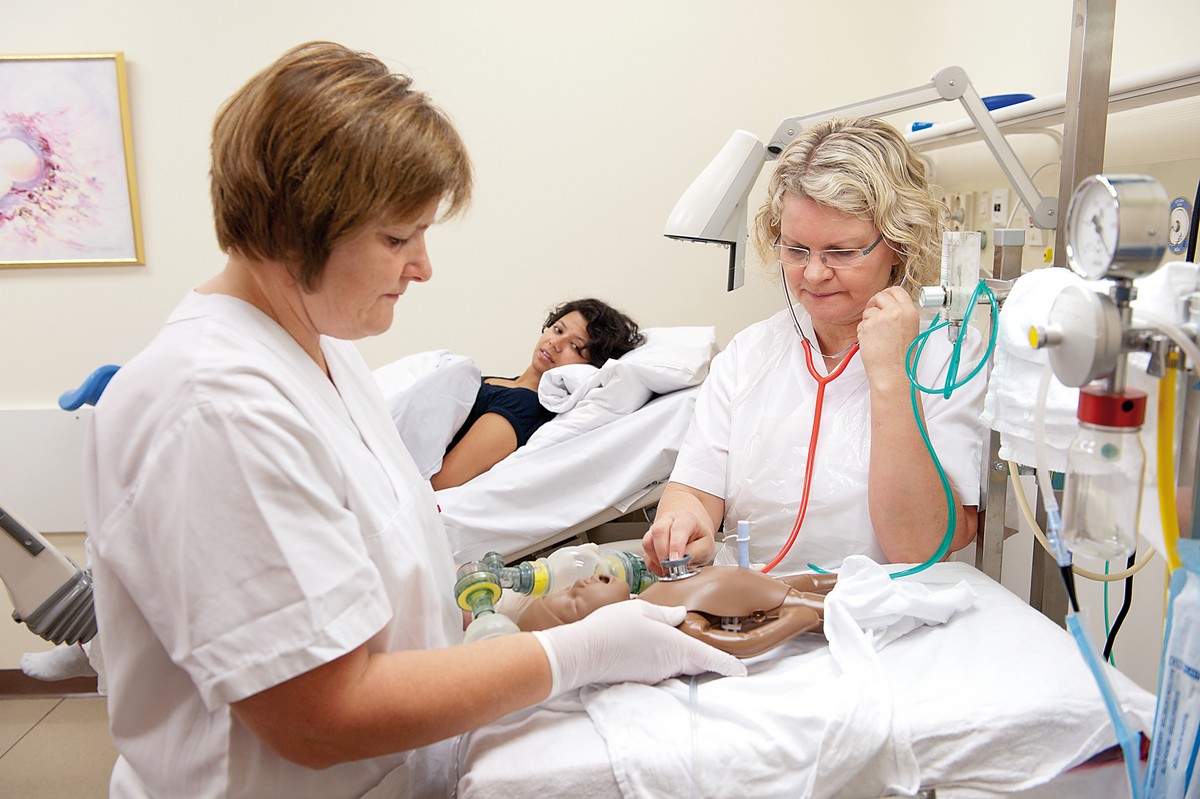
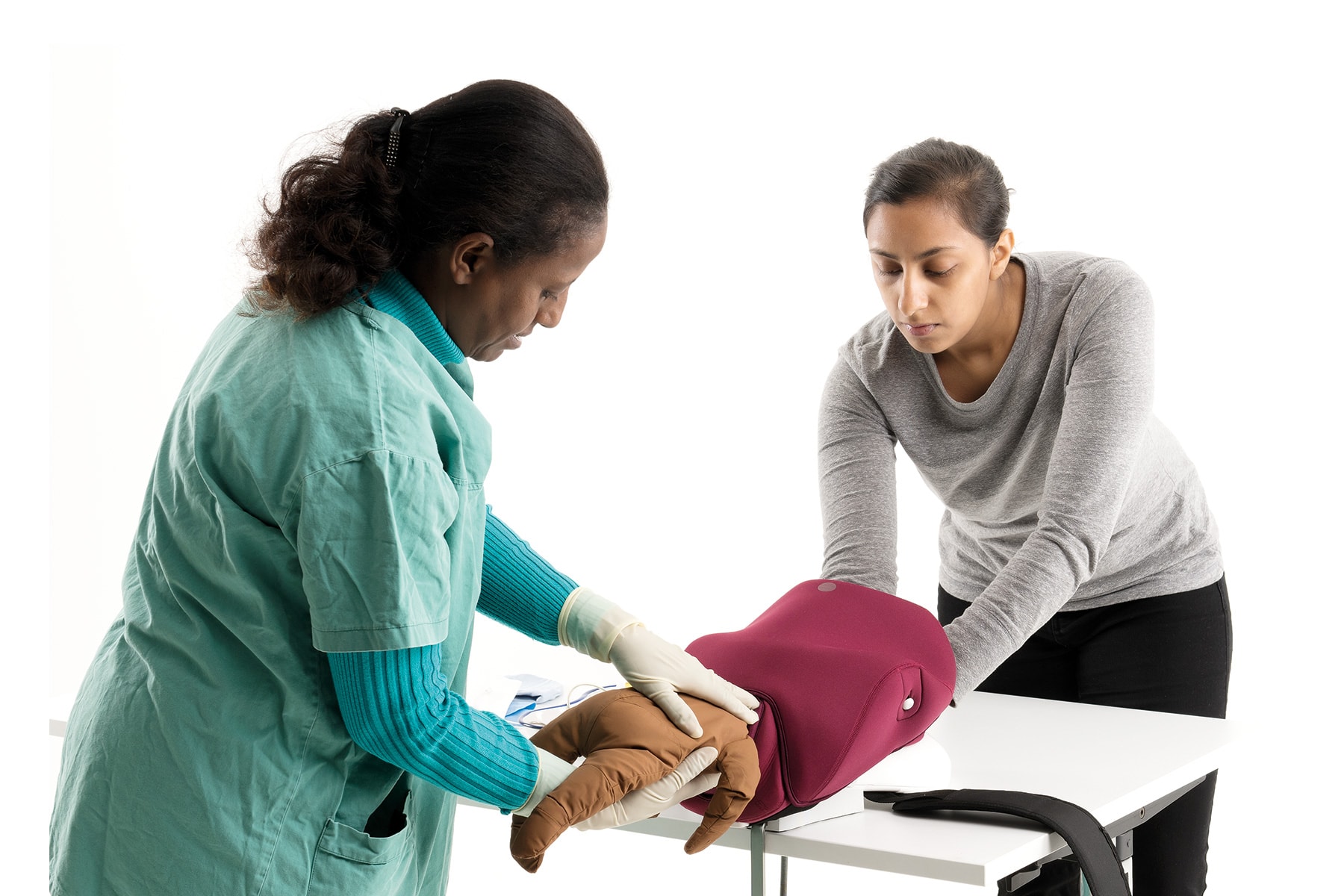
MamaNatalie is a cost-effective way to deliver high impact in your obstetric simulation program. In a randomized controlled trial of birth simulation for medical students1, MamaNatalie was found to be as effective for training medical students on how to perform a vaginal delivery as a high-end simulator.  Learners can train on normal delivery, post-partum complications and neonatal resuscitation to improve management of skills and communication from ambulance to delivery room.  

Improving Maternal and Newborn Care

The Role of Low-Fidelity Simulation in Labor and Delivery

Low-fidelity simulation can provide learners with a wealth of training experience – at minimal expense. Learn three ways that you can use low-fidelity simulation training to reduce preventable harm to maternal and newborn patients.

Learn More
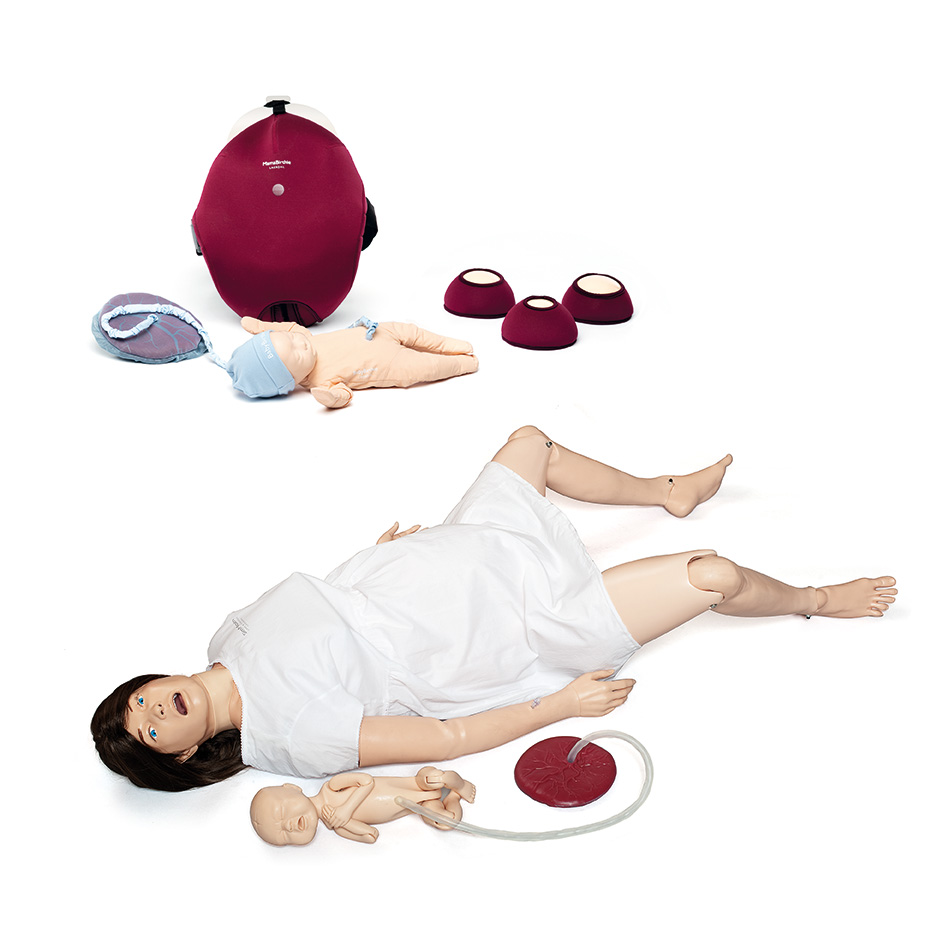
Specifications / Contents

MamaNatalie Features

Deliveries and drills

• Normal delivery

• Assisted delivery: forceps and vacuum

• Breech delivery

• Postpartum Hemorrhage


Anatomy and clinical features

• Positioning and delivery of the baby

• Delivery of the placenta (complete, partially retained and retained)

• Cervix landmark

• Urine bladder catheterization

• Uterine massage (atonic and contracted uterus)

• Controllable uterine firmness

• Realistic bleeding

• Bimanual compression

NeoNatalie Features

Airway features:
• Oxygen delivery procedures

• Suctioning techniques

• Positive pressure ventilation

• Spontaneous chest rise and fall

 
CPR features:
• Anatomical landmarks

• Ventilation with bag-valve mask

• Closed chest compressions

• Auscultate heart sounds

 
Blood pressure/puls features:
• Manual umbilical pulse

 
Other features:
• Simulated crying sounds

Items Included

• MamaNatalie Birthing Simulator

• Placenta w/umbilical cord

• Blood concentrate (2)

• 2 pairs of gloves (1 normal and 1 long)

• Fetal stethoscope

• Fluid collection tray 

• Fluid drain

• Floor protection

• Urine catheter

• 20 ml syringe

• NeoNatalie Newborn Simulator (dark complexion)

• NeoNatalie skull w/ fontanelles (dark complexion)

• Backpack for MamaNatalie

• Simulation squeeze bulbs for simulation of birth cries, spontaneous breathing, palpable umbilical pulse and auscultation of heart sounds

• External umbilical cord and 2 umbilical ties

• Two sheets to simulate towels

• Head cap

• Transport bag for NeoNatalie

• Directions for use

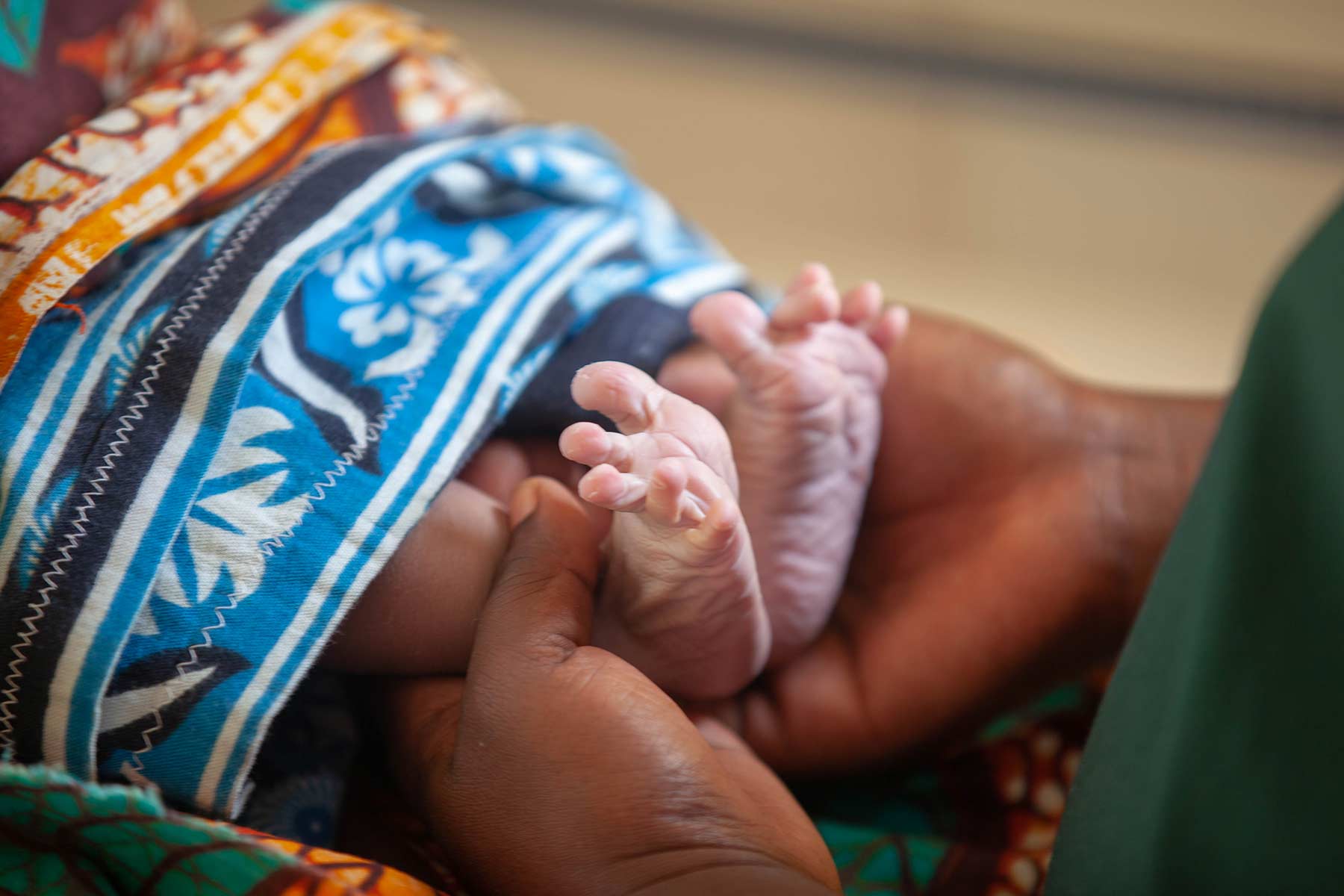
A medical worker checking the feet of a newborn baby

You can make a difference

Buy One Gift One

According to the World Health Organization (WHO), approximately 300,000 women die during pregnancy and childbirth every year and more than 2 million babies die during or soon after birth.Most of these deaths are preventable. By providing birth attendants around the world with opportunities to improve skills and competencies to manage life-threatening complications, we can help save many of these lives.

Learn More
Get the best out of your simulation by combining SimMom and MamaBirthie. Put together in one impactful simulation... Get the best out of your simulation by combining SimMom and MamaBirthie. Put together in one impactful simulation toolkit, this solution can be used at different stages of the Circle of Learning to support a complete learning experience....

References

  1. DeStephano CC, Chou B, Patel S, et al. A randomized controlled trial of birth simulation for medical students. Am J Obstet Gynecol 2015;213:91.e1-7. DOI: https://doi.org/10.1016/j.ajog.2015.03.024

  2. Egenberg, S., Øian, P., Eggebø, T.M., Arsenovic, M.G. and Bru, L.E. (2017), Changes in self‐efficacy, collective efficacy and patient outcome following interprofessional simulation training on postpartum haemorrhage. J Clin Nurs, 26: 3174-3187. doi:10.1111/jocn.13666

Egenberg S, Øian P, Bru LE, Sautter M, Kristoffersen G, Eggebø TM. Can inter-professional simulation training influence the frequency of blood transfusions after birth?. Acta Obstet Gynecol Scand. 2015;94(3):316-323. doi:10.1111/aogs.12569