7 Ways the Laerdal Advanced Airway Solution Can Strengthen Your Training Program
If you’re responsible for airway management training, you know that airway emergencies rarely unfold in calm, controlled conditions. The patient’s condition may be deteriorating, the environment is tense, and clinicians are working quickly to clear and secure the airway.
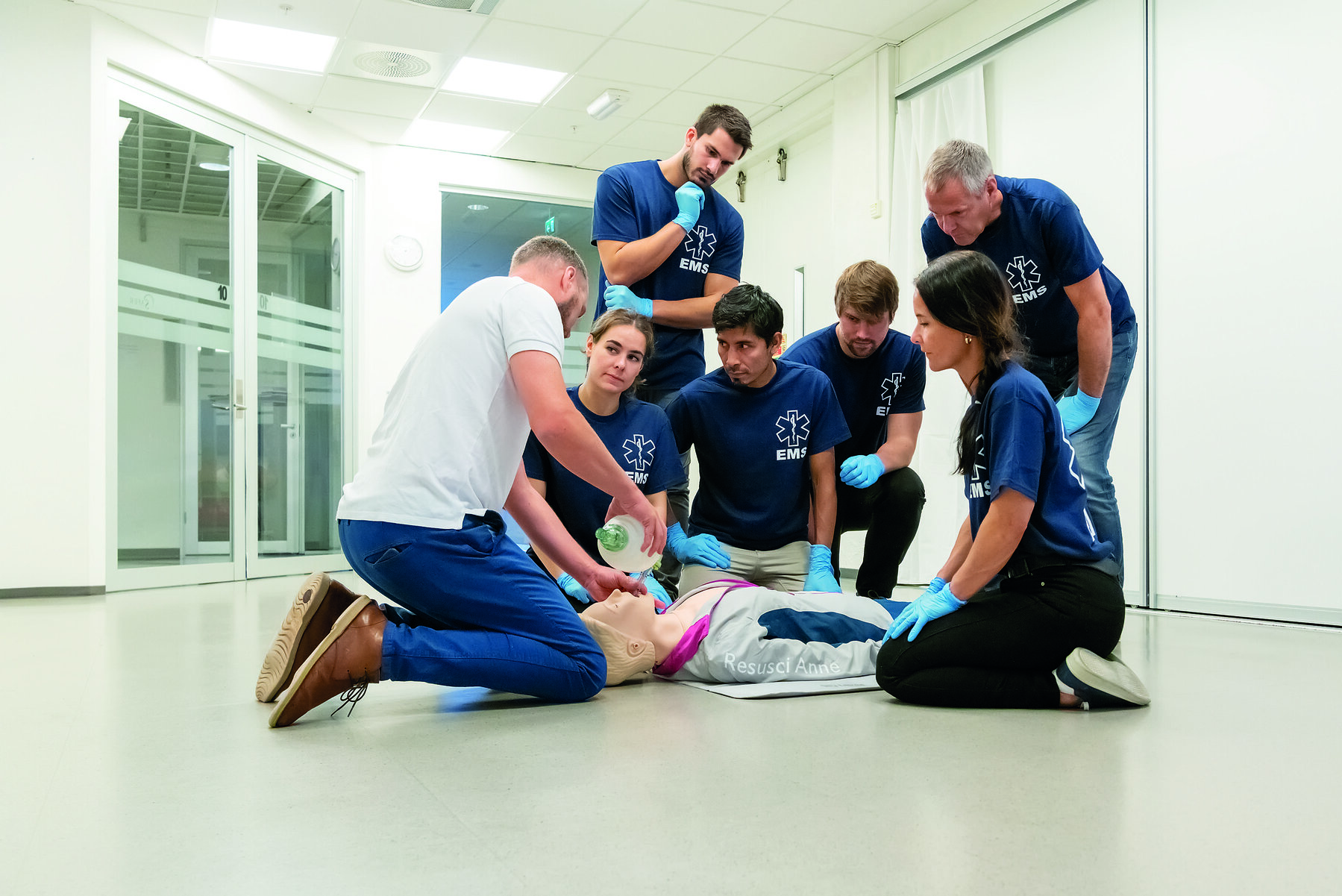
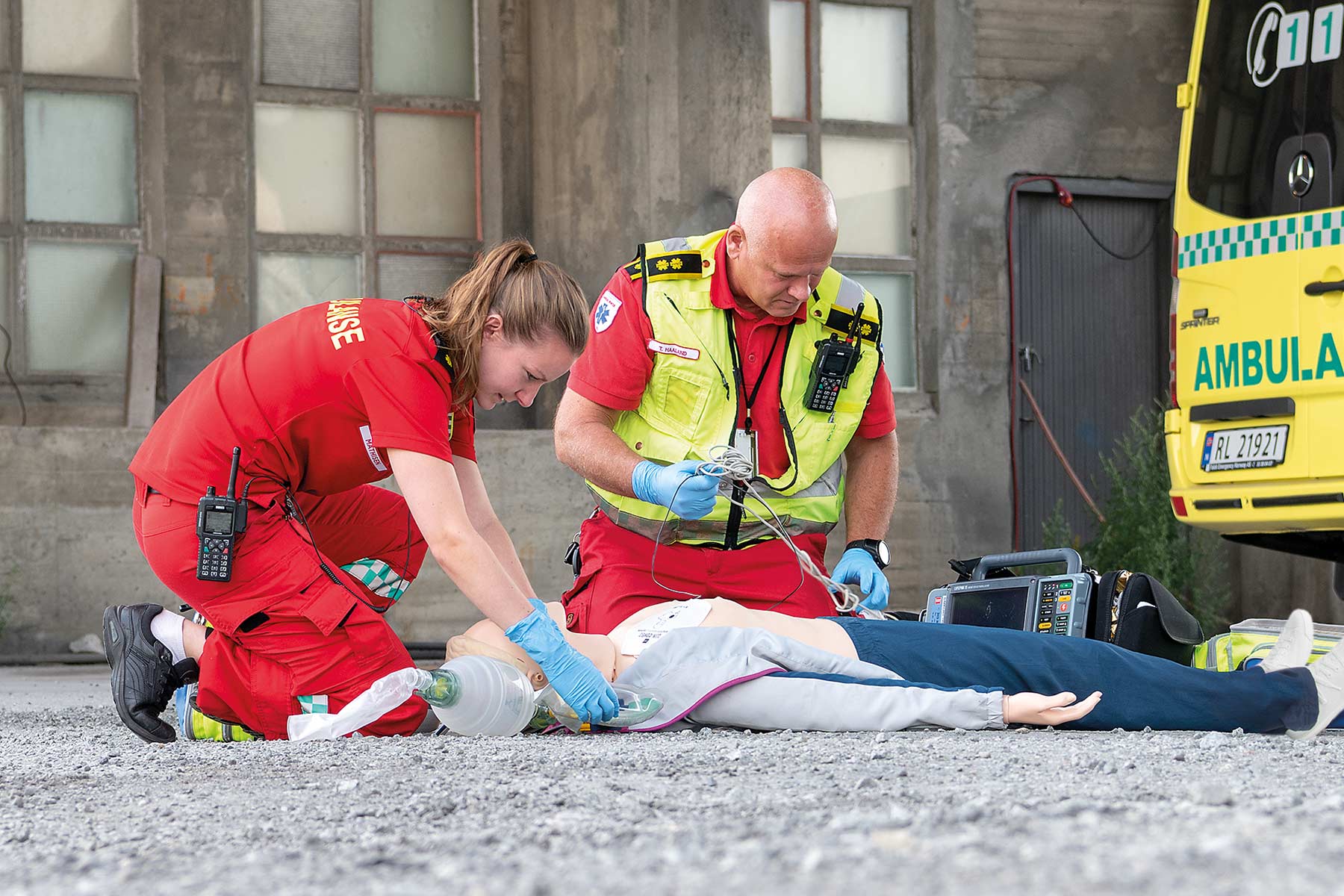
Whether you teach in a hospital setting or an EMS training program, preparing learners for these high-risk, high-stress moments requires training that feels realistic, without adding unnecessary setup time or complexity.
– Kerik Woodward, Firefighter Paramedic and EMS Purchaser
Novato Fire
The Laerdal Advanced Airway Solution was designed to help deliver realistic, effective training while making better use of limited time and resources.
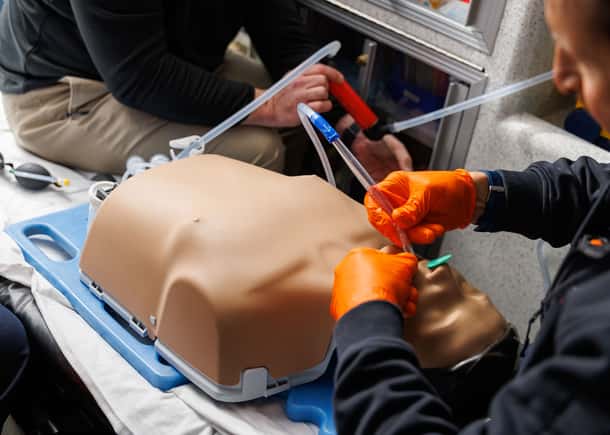
The Laerdal Advanced Airway Solution is a fully equipped training platform designed to support basic, difficult, and contaminated airway management, along with CPR practice. It allows you to train individual skills and team-based scenarios using one integrated solution.
With adjustable airway complexity, realistic anatomy, and the ability to practice suction with real fluids, it helps you create training experiences that represent the challenges in managing airways. Fast setup and cleanup make it practical for both hospital and EMS education programs.
In this article, we share seven ways that the Laerdal Advanced Airway Solution can strengthen your training program.
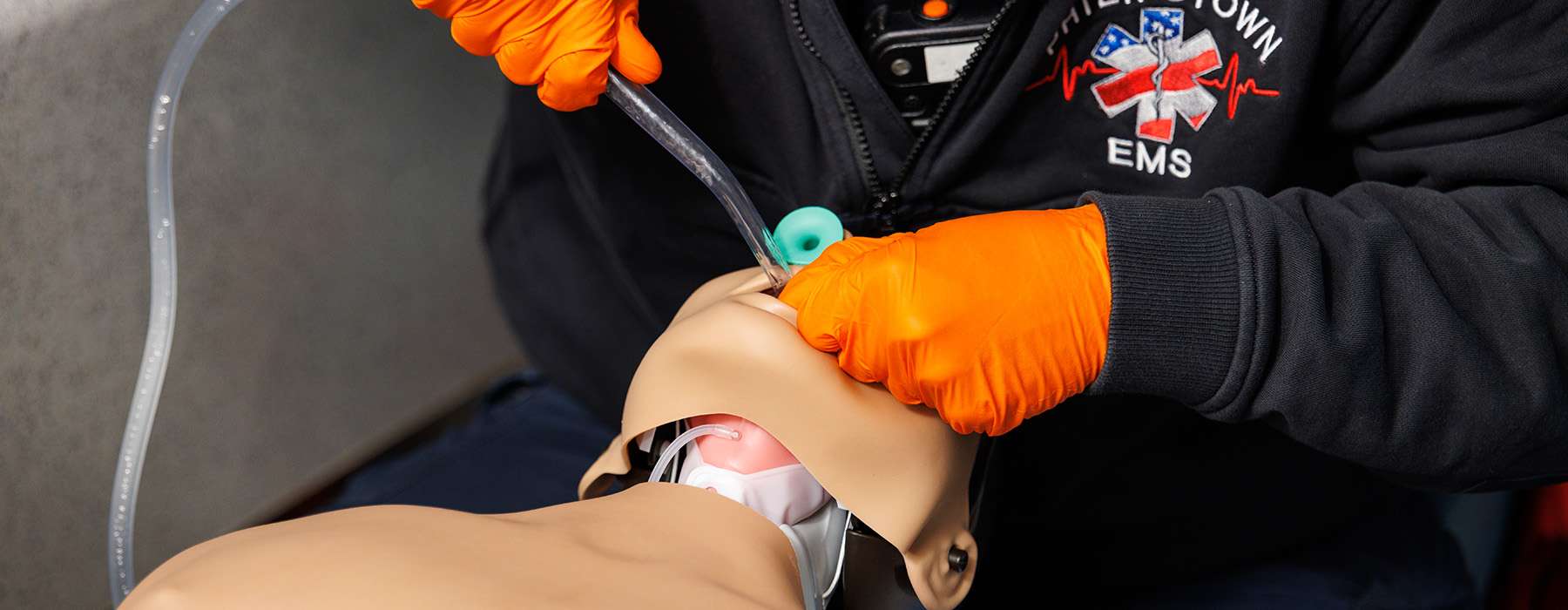
Contaminated airways are rarely clean scenarios. Blood, vomit, or secretions can quickly obscure the airway and increase the stress of the procedure. Training with realistic fluids helps learners practice maintaining visibility and managing suction in conditions similar to those they may encounter in the field.
With the Laerdal Advanced Airway Solution, you can train suction techniques using real fluids and simulated vomit. This allows learners to practice managing secretions, maintaining visibility, and making decisions under pressure. When learners encounter these challenges in training instead of for the first time in the field or emergency department, they are better prepared and more confident.
“Our EMTs and paramedics, sometimes they don’t know what's coming until it hits them,” shares Alicia Tate, Paramedic. “[The Laerdal Advanced Airway Trainer] is the perfect type of thing. You can [simulate] vomit, maybe catch them off guard. It’s much more realistic than a dry airway that … just everything runs perfectly.”
In most programs, learners come in with varying levels of experience. Some are building foundational airway skills, while others need exposure to more complex scenarios.
This solution allows you to adjust airway complexity to match your training goals.
You can start with basic airway management and gradually introduce challenges like tongue edema, pharyngeal swelling, trismus, or laryngospasm. This progressive approach helps you avoid overwhelming new learners while still pushing experienced providers to advance their skills.
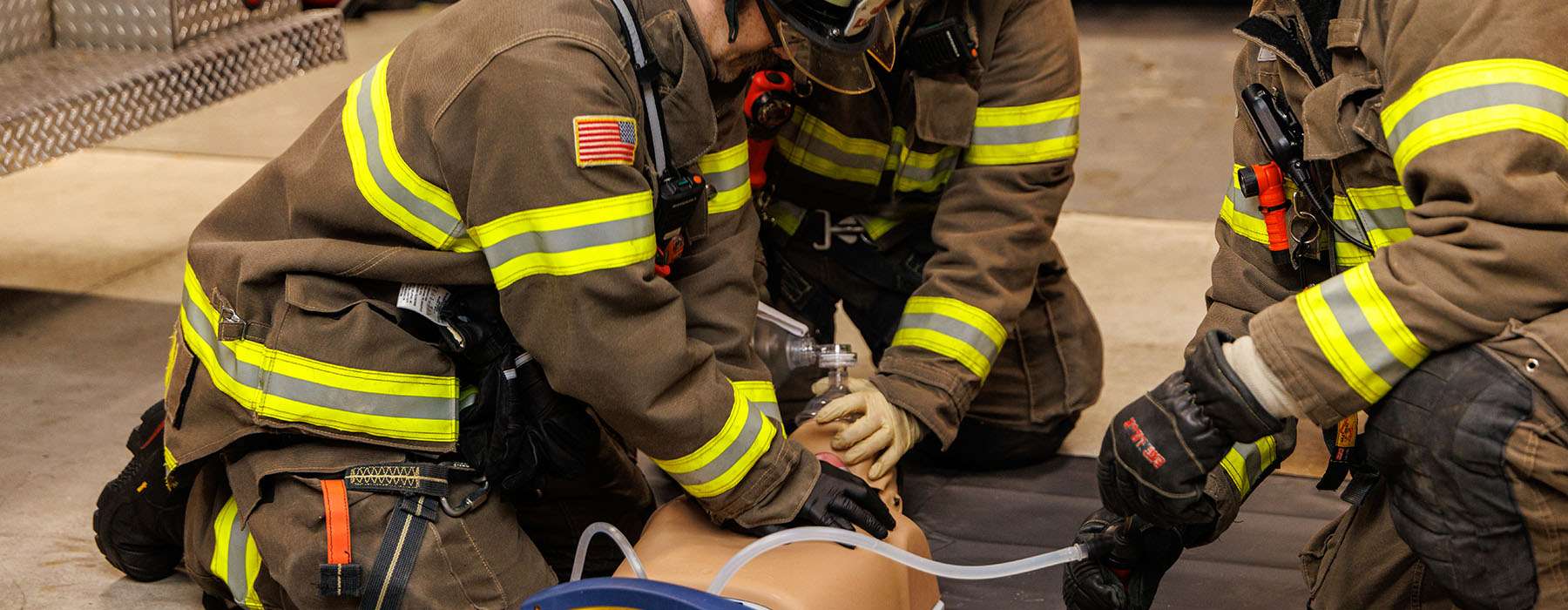
Airway management doesn’t happen in isolation. It’s often part of a larger resuscitation effort that requires coordination and communication.
The Laerdal Advanced Airway Solution allows you to train individual skills like suction technique and airway placement, then transition seamlessly into team-based scenarios such as cardiac arrest management. Using the same equipment for both types of training helps learners connect personal competence with team performance.
Time constraints are a reality in both hospital and EMS education. High call volumes, limited lab access, and busy schedules can all reduce hands-on training opportunities.
The Laerdal Advanced Airway Solution is designed for fast setup and cleanup, typically taking less than five minutes. Features like the infinite vomit loop allow you to run multiple learners through contaminated airway scenarios without stopping to reset between participants.
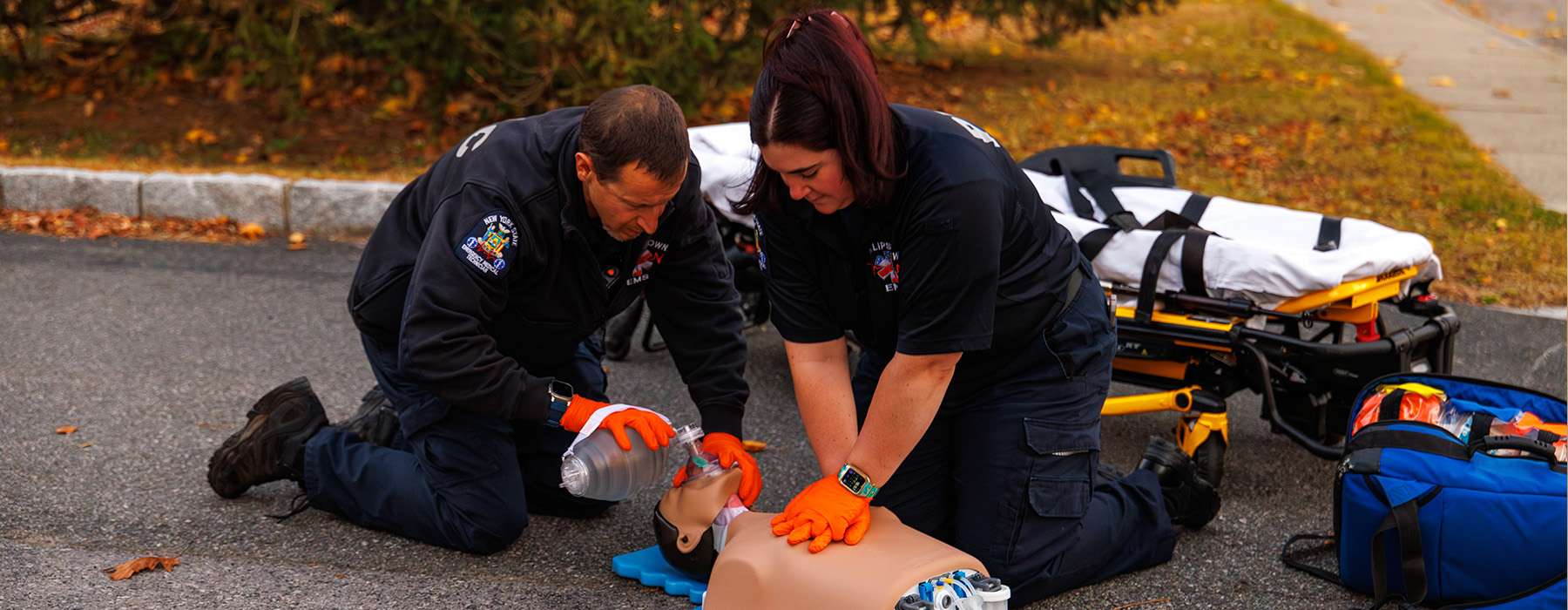
In real emergencies, airway management and CPR often happen simultaneously. Training these skills separately can make it harder for learners to perform under pressure.
The Laerdal Advanced Airway Solution integrates chest compressions and provides real-time CPR feedback through the QCPR app. This allows you to run complete resuscitation scenarios that reflect real clinical workflows.
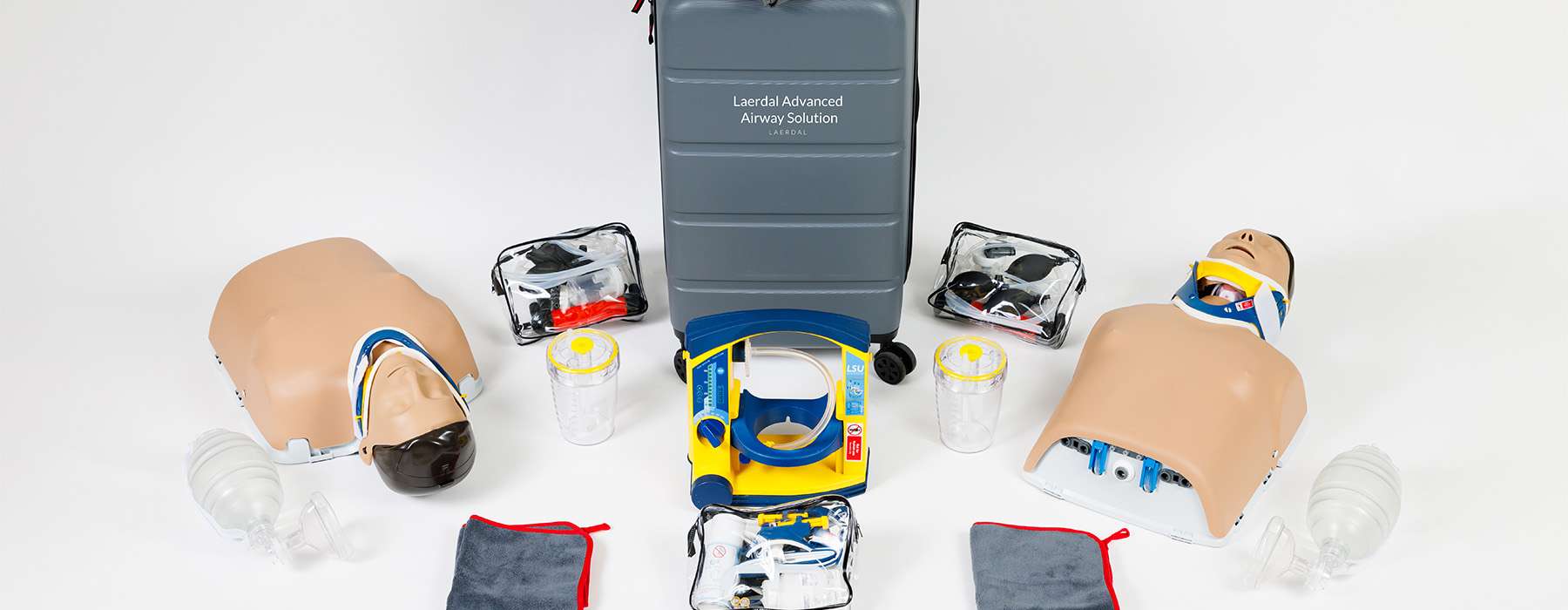
Many educators rely on multiple manikins and accessories to cover basic airway training, difficult airway scenarios, contaminated airways, and CPR. This approach can be costly and difficult to manage.
By bringing these capabilities together in one portable kit, the Laerdal Advanced Airway Solution helps simplify your equipment needs and standardize training across your program.
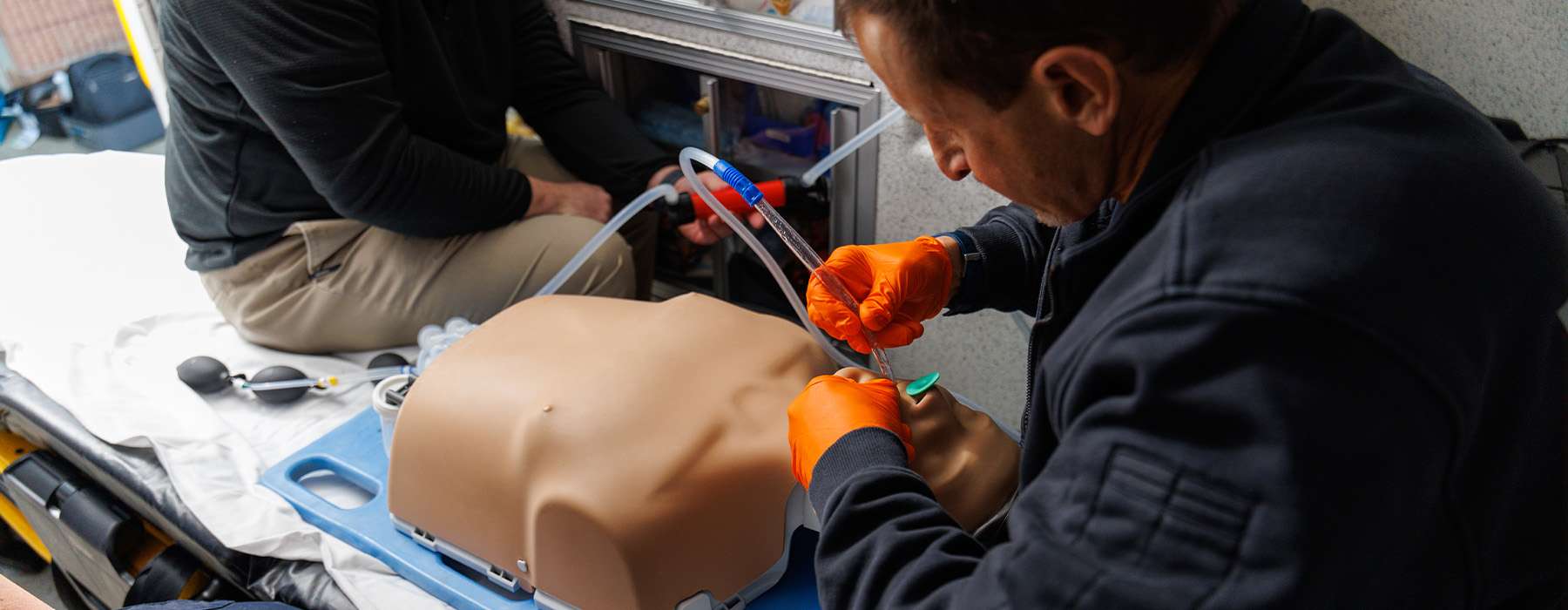
Learners are more engaged when training feels realistic and relevant. Realistic anatomy, fluid-based suction training, and adjustable challenges create scenarios that learners remember.
Training that engages learners and mirrors real-world conditions can help improve skill retention and support confident performance.
As an educator, your goal is to prepare learners for the realities they will face in clinical and prehospital environments. The Laerdal Advanced Airway Solution supports that goal by combining realism, flexibility, and efficiency in one training platform.
By enabling realistic contaminated airway training, supporting progressive learning, and simplifying logistics, it helps you deliver high-quality education without adding unnecessary burden.
“We want to be the best we can be as providers,” points out Nicholas Fleming, a Firefighter and Paramedic at Pikeville Fire Department in Kentucky. “So, with the feedback that we get on our aspiration [with Laerdal Advanced Airway Solution] it will let us know: during the SALAD technique, did we get any fluids in the airway? Did we secure our airway properly? And that also translates back to better care for the patient in real life.”