5 CPR Training Equipment Tools That Prepare Learners for Real‑World Bystander CPR
These tools can help your learners feel ready to act.
These tools can help your learners feel ready to act.
When cardiac arrest occurs, the difference between hesitation and action can determine survival. Effective CPR training is what closes that gap.
If you're a bystander CPR instructor, you know that effective training starts with the right tools. The equipment you choose shapes learners' confidence and how well their skills translate into real emergencies.
When equipment is realistic and easy to use, learning becomes more effective.
In this article, we share five CPR training equipment products that support effective bystander CPR training.
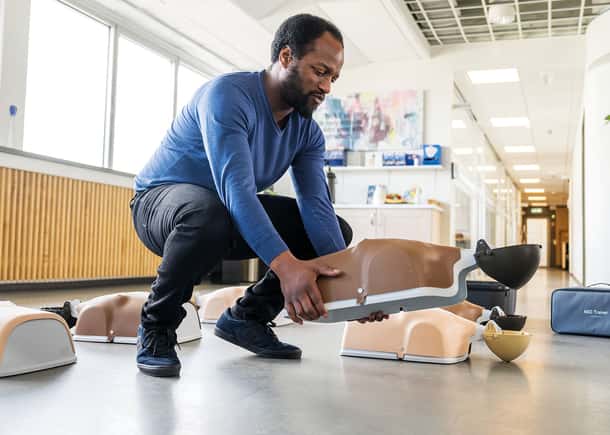
The next generation of Little Anne helps you keep sessions moving while giving your learners realistic adult CPR practice.
Features that support your training efforts include:
Why it works:
Little Anne reduces setup time and classroom interruptions. Your learners spend more time practicing CPR, and you spend less time managing equipment. The consistent compression feel helps learners build muscle memory they can rely on outside the classroom.
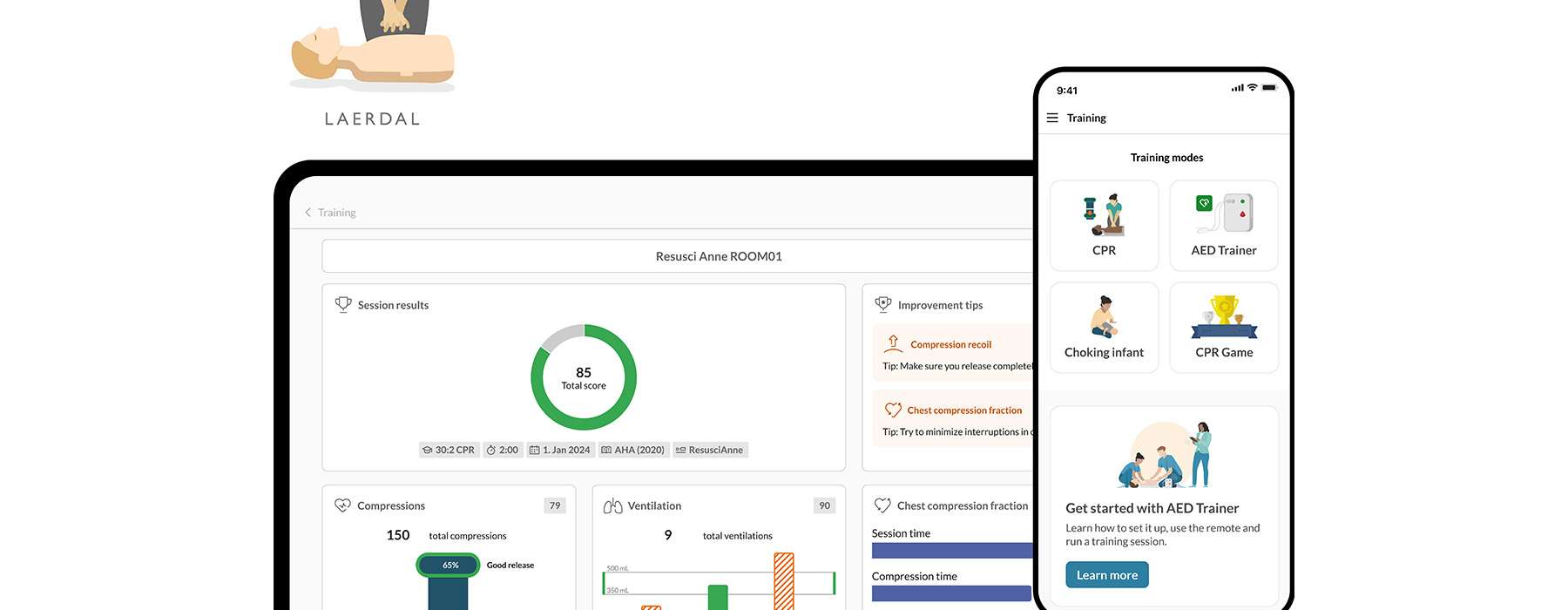
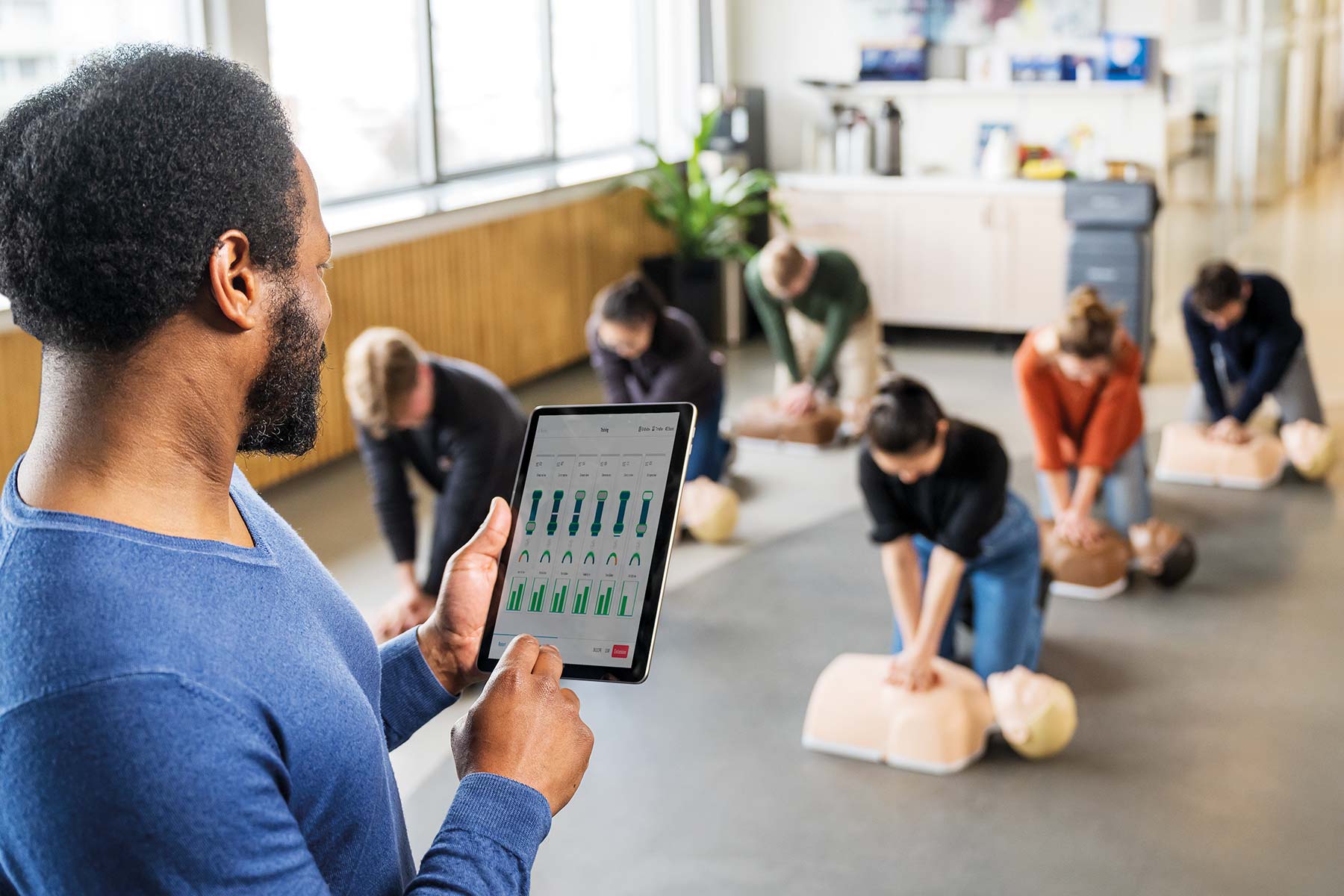
The QCPR App gives you and your learners real-time and summative CPR feedback. It connects with compatible manikins and the AED Trainer so you can manage all performance data in one place.
Features that support your training efforts include:
Why it works:
Immediate feedback helps your learners understand what effective CPR feels like, not just what it looks like. You can coach without stopping practice, which keeps everyone engaged and focused.
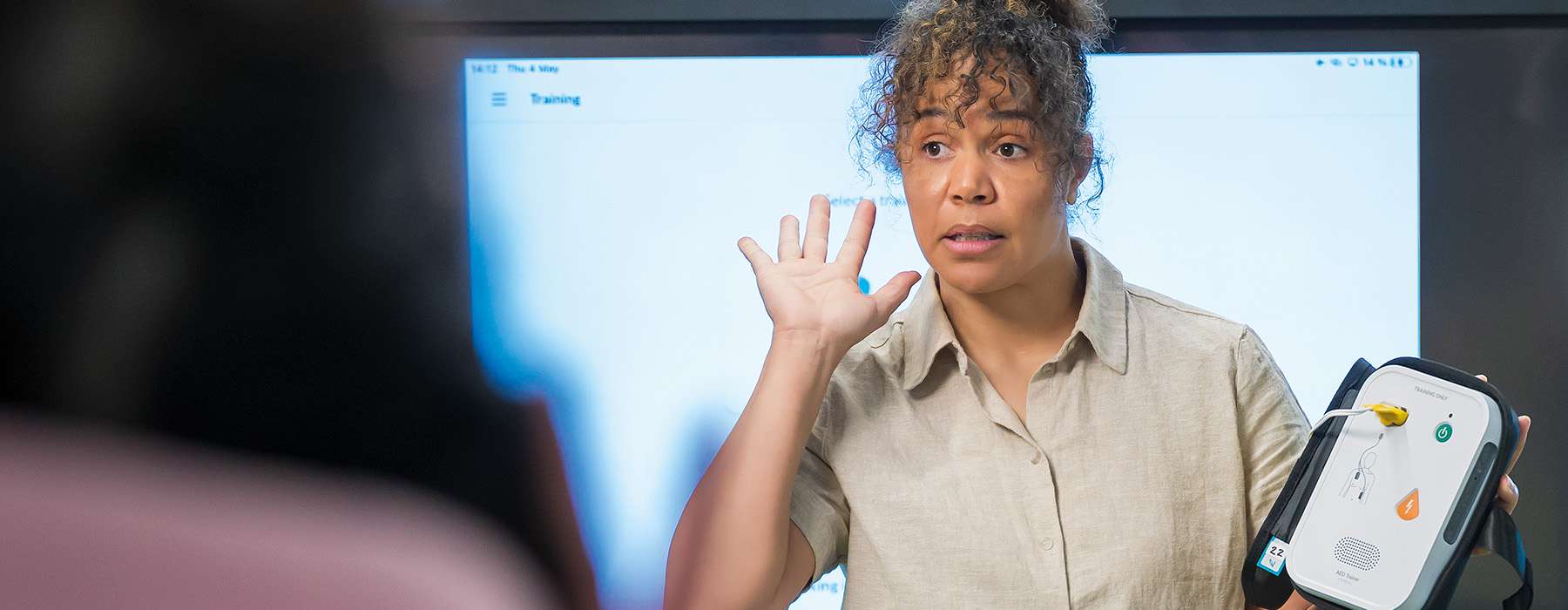
The AED Trainer mirrors the AED experience your learners are likely to encounter in public settings. It helps you teach AED use seamlessly alongside CPR.
Features that support your training efforts include:
Why it works:
Your learners practice CPR and defibrillation as a single, seamless process. This helps them become familiar with AED prompts and helps reduce hesitation during real emergencies.
Note: Supporting a Smooth Classroom Experience
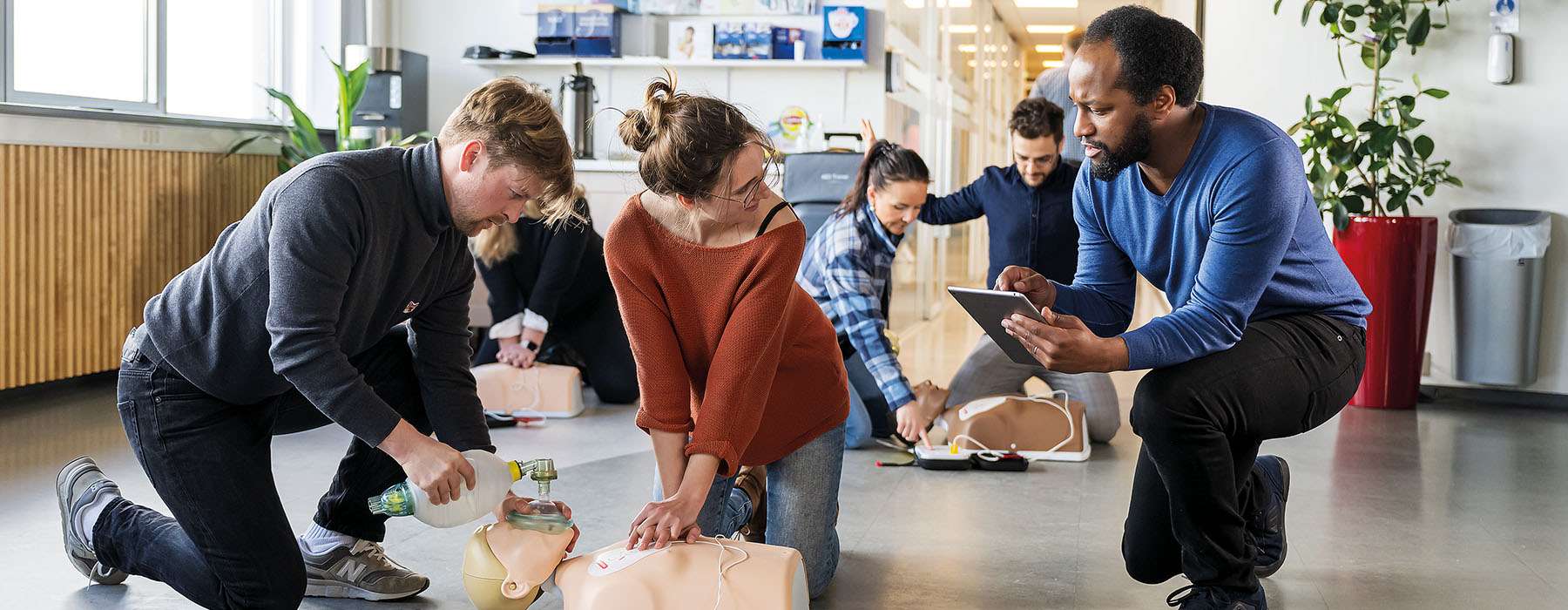
When you use Little Anne, the QCPR App, and the AED Trainer together, you create a connected bystander CPR training setup. You can teach compressions, breaths, and AED use in one smooth flow, with consistent feedback and clear prompts. This helps you focus on coaching while your learners build confidence through hands-on practice.
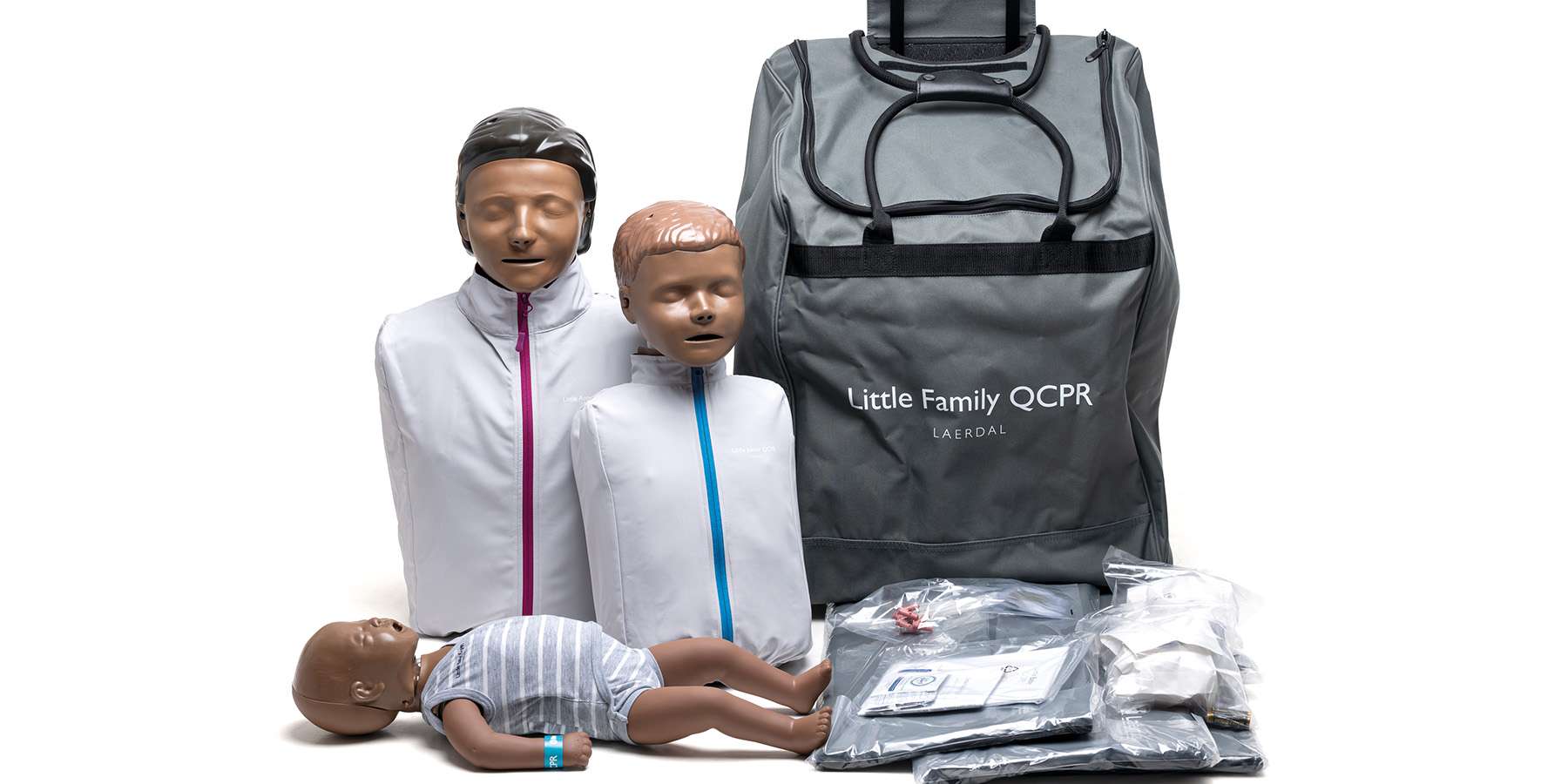
The Little Family QCPR lets you teach adult, child, and infant CPR all in one package.
Features that support your training efforts include:
Why it works:
Your learners gain confidence as they adjust CPR skills for different ages. For you, one system means smoother transitions and consistent coaching throughout your course.
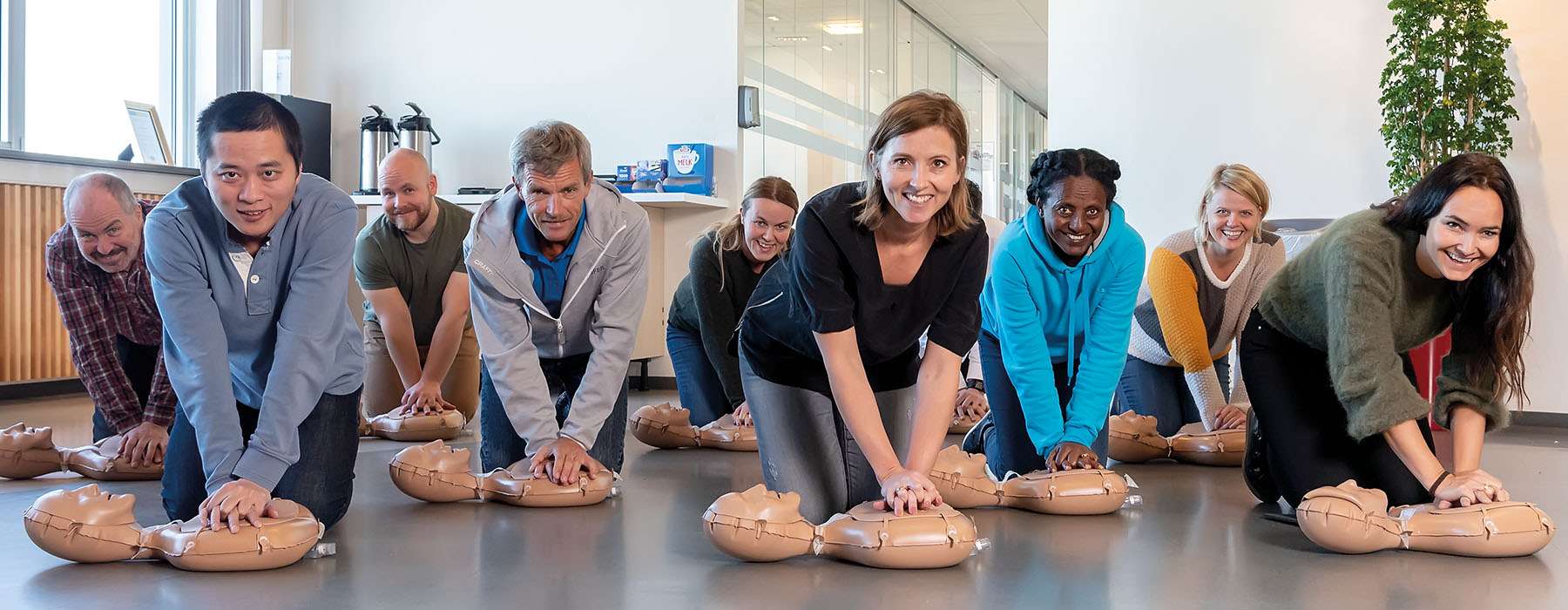
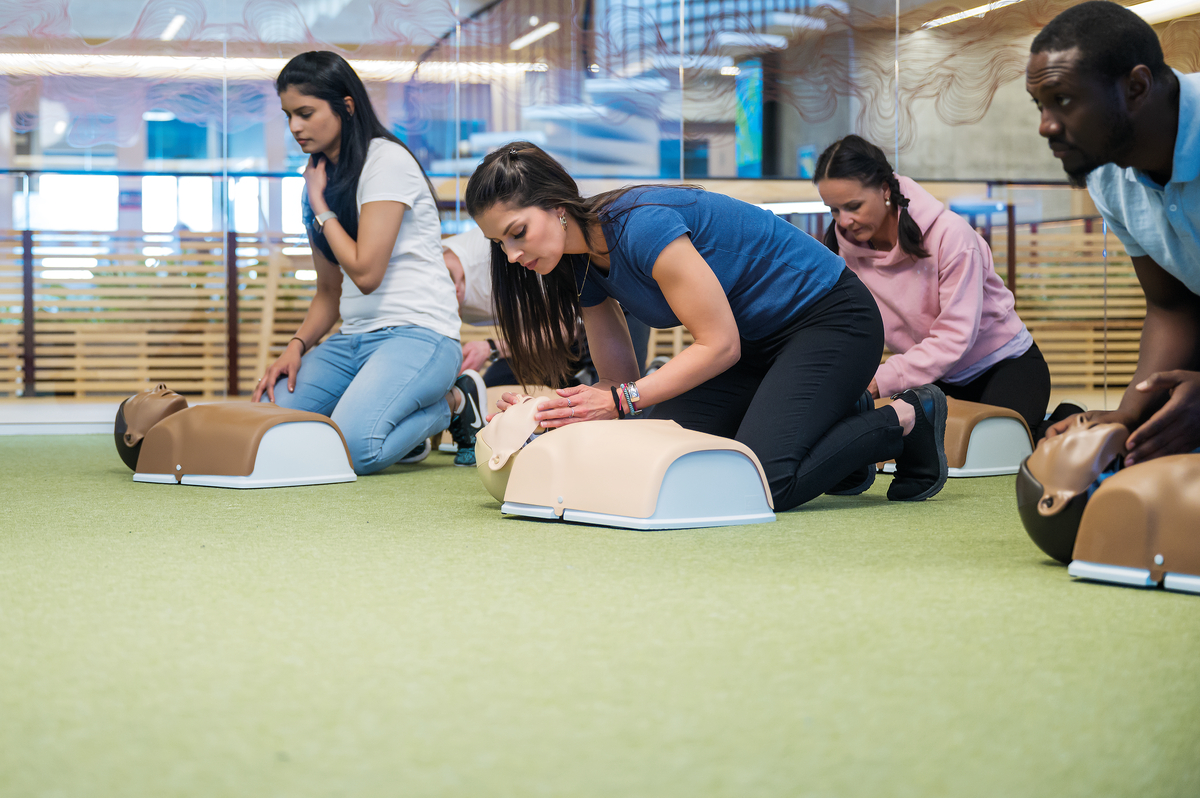
Mini Anne® Plus supports CPR training for large groups, community programs, and individual practice. Each learner receives their own manikin.
Features that support your training efforts include:
Why it works:
When each learner has a manikin, practice time increases. Simple feedback cues help your learners improve through repetition and build confidence quickly, even during short training sessions.
Below are a few common questions instructors ask when choosing CPR training equipment.
The best CPR training equipment for bystanders is easy to use, realistic, and made for hands-on practice. Lifelike CPR manikins, the AED Trainer, and clear feedback tools help you teach CPR skills that feel practical and familiar. This combination helps your learners build confidence quickly.
You should choose based on class size and training goals. If you teach instructor led classes and want realistic CPR practice, a manikin like Little Anne works well. If you teach large groups or community sessions where everyone needs their own manikin, options like Mini Anne Plus may be a better fit.
Realistic practice helps your learners trust their skills. When compressions feel right and chest rise is visible, learners understand what correct CPR feels like. This makes it easier for them to act in real emergencies instead of second guessing themselves.
Feedback technology shows learners how well they are performing CPR in real time. You can see compression depth, rate, and recoil, and learners can adjust right away. This helps you coach more effectively and helps your learners improve faster.
You should look for durability, ease of cleaning, clear feedback, and realistic practice. Equipment that saves setup time and supports repeated use helps you focus more on teaching and less on logistics. It also improves your learners' experience.