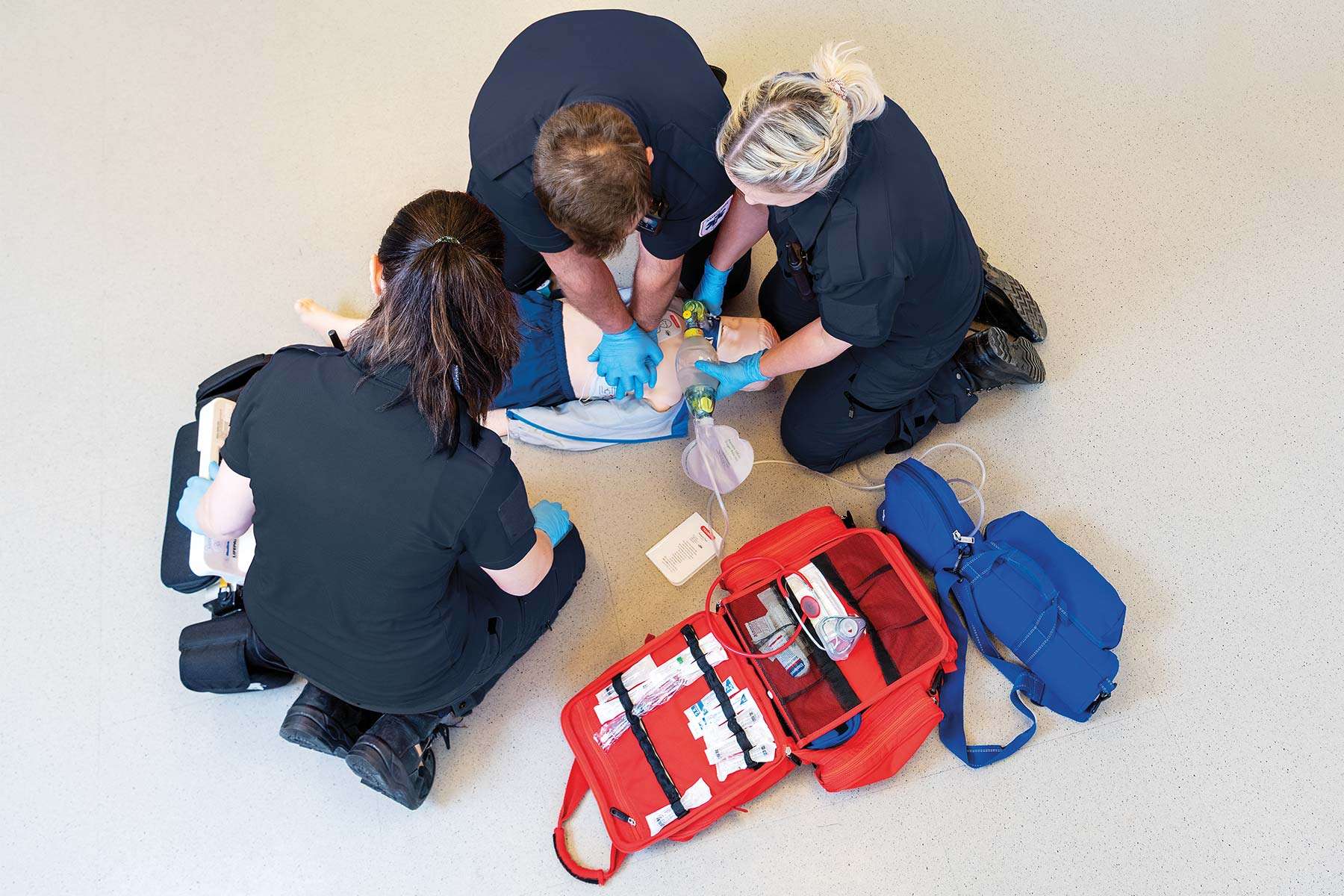
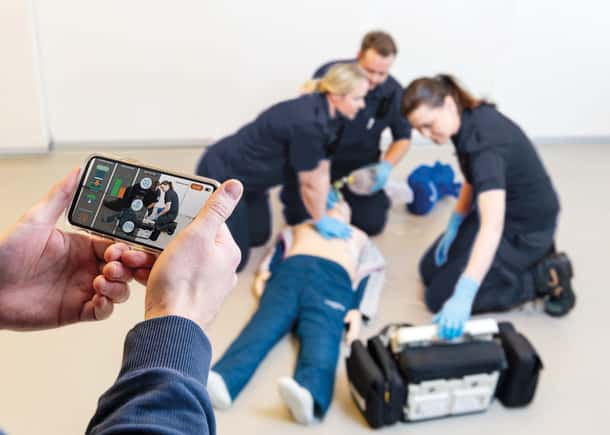
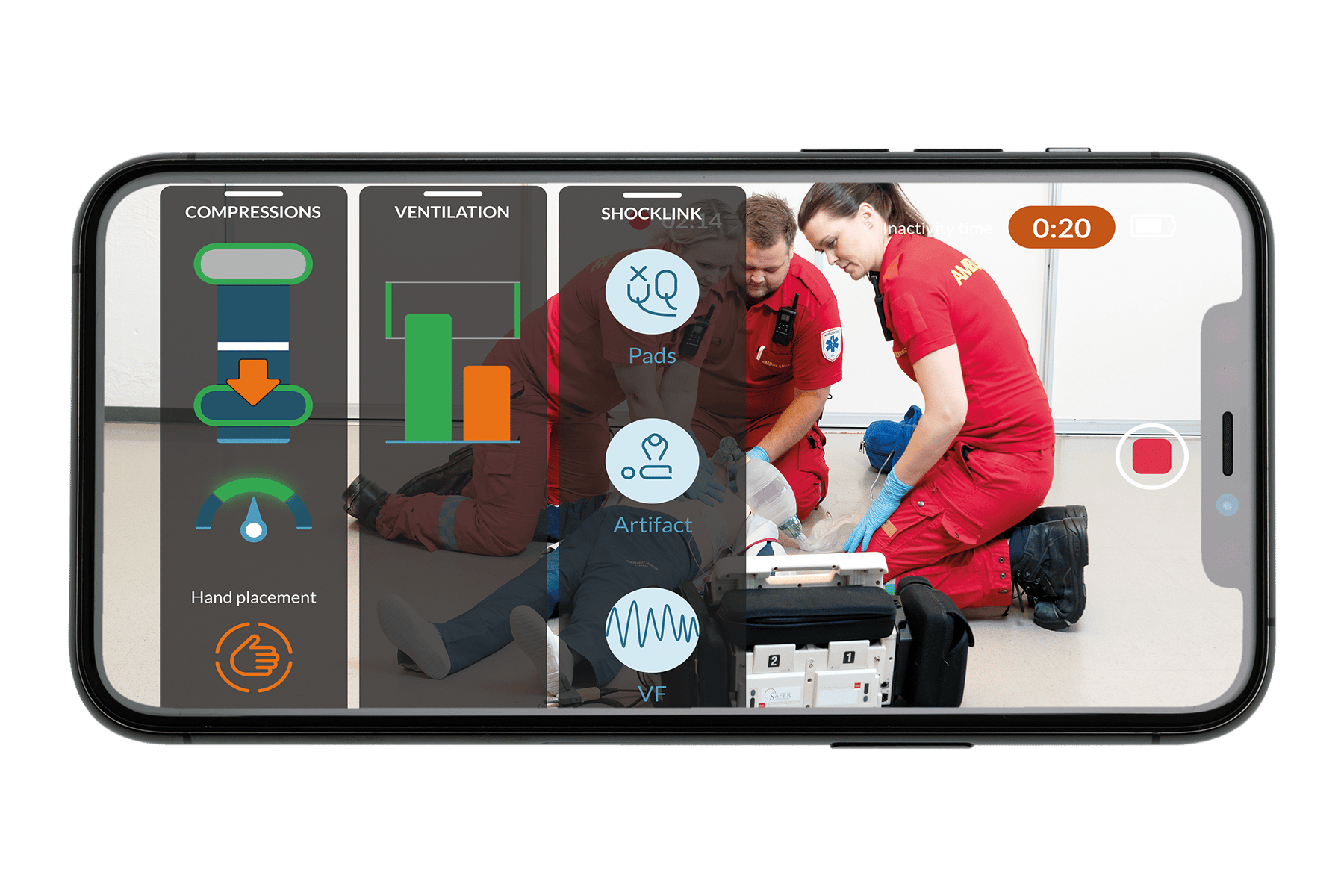
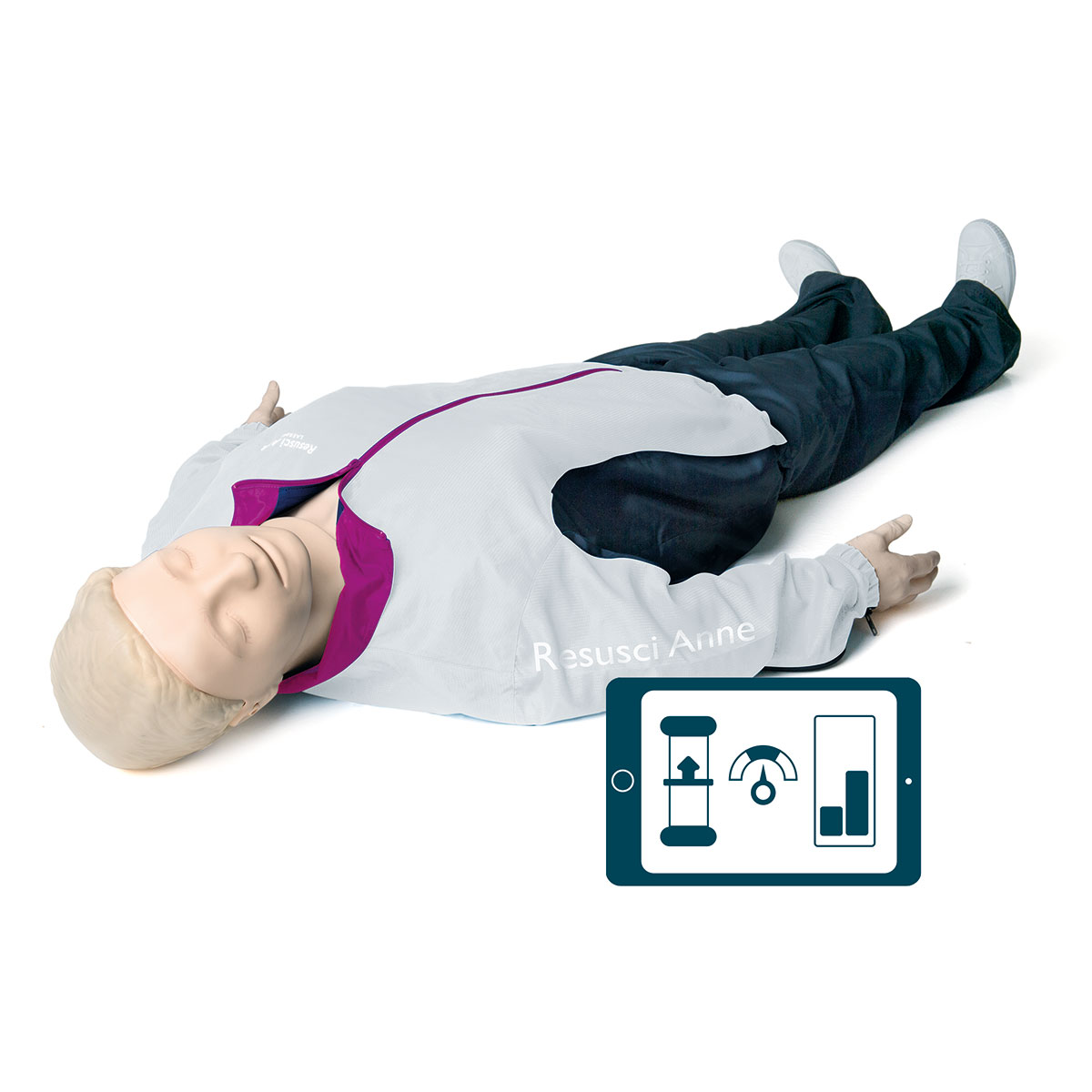
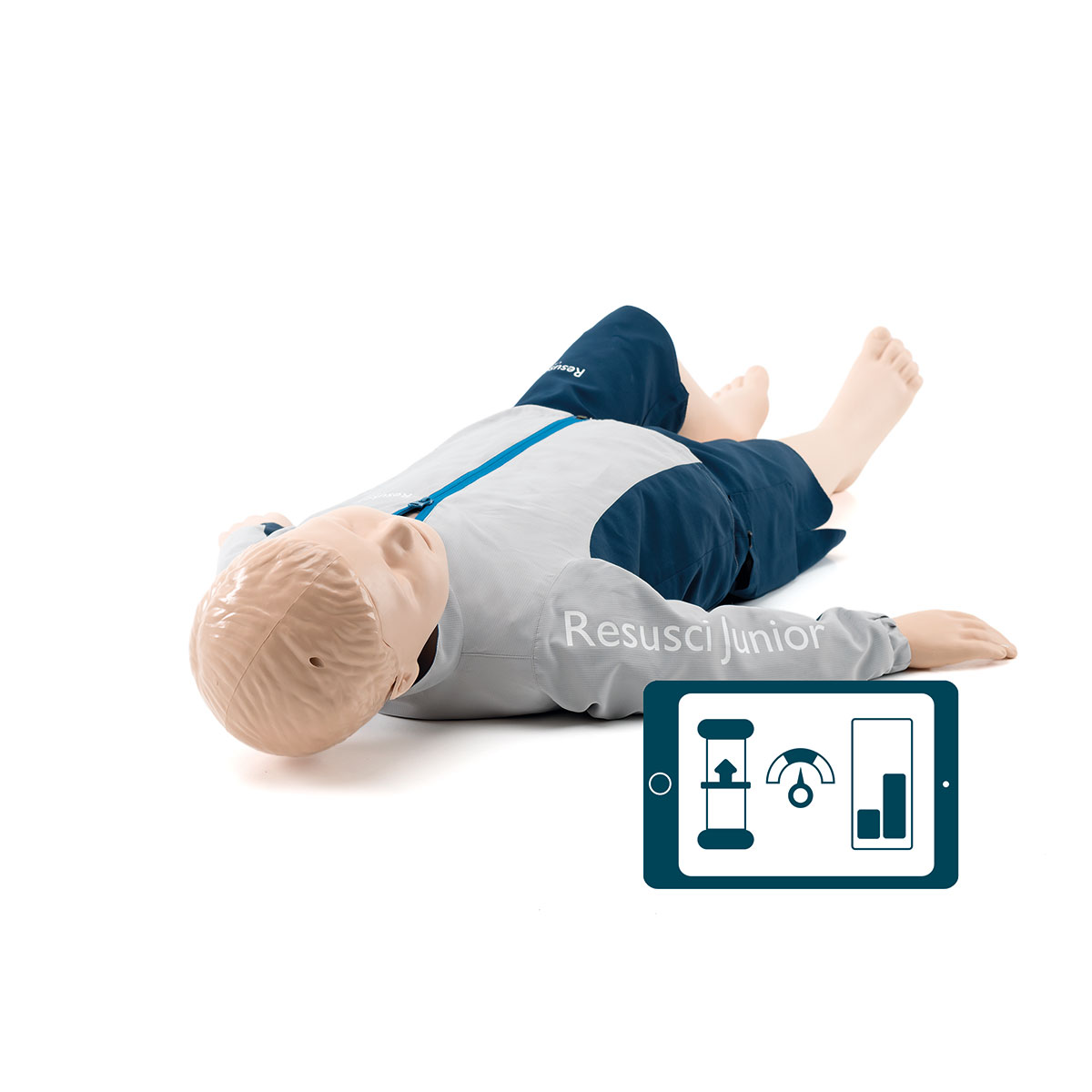
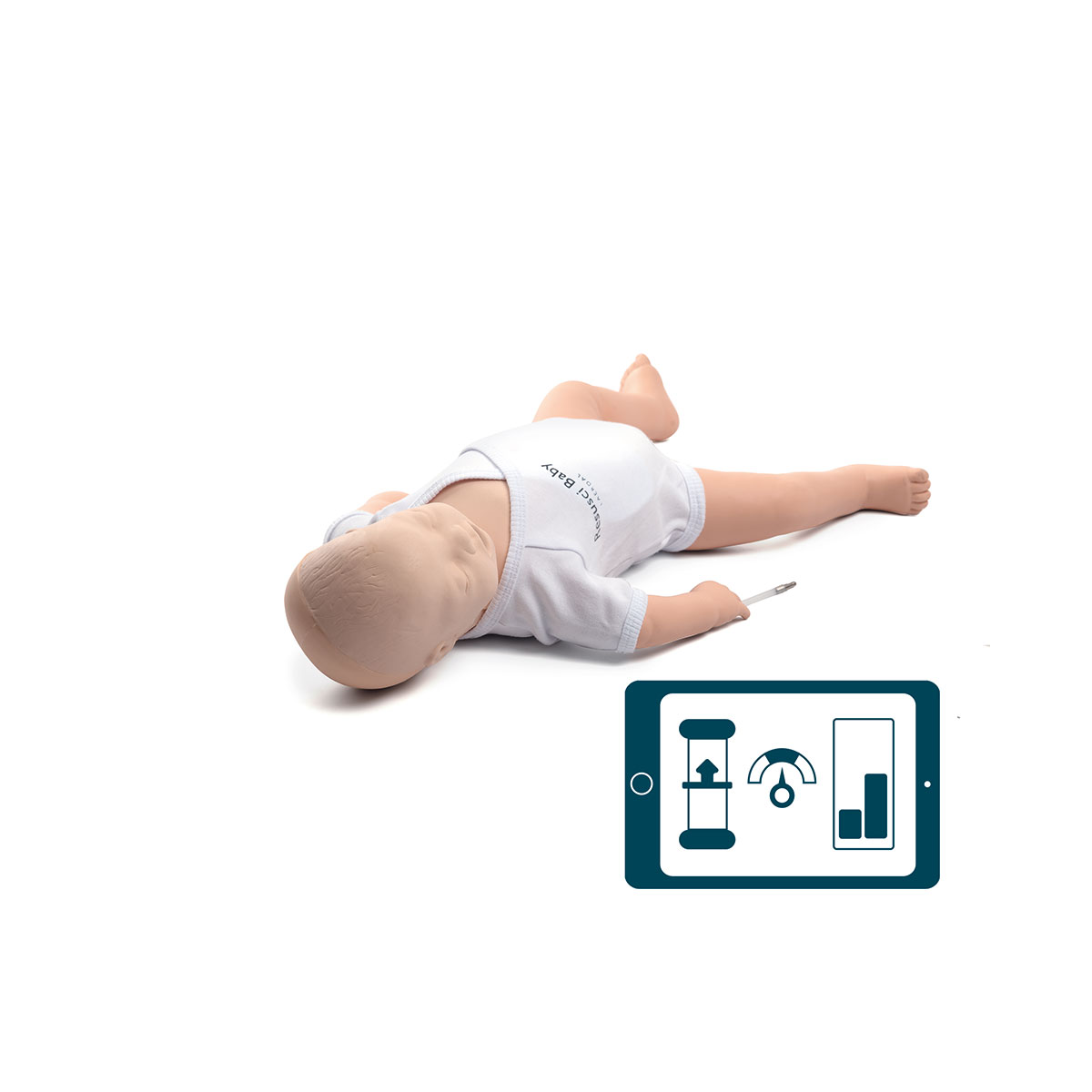
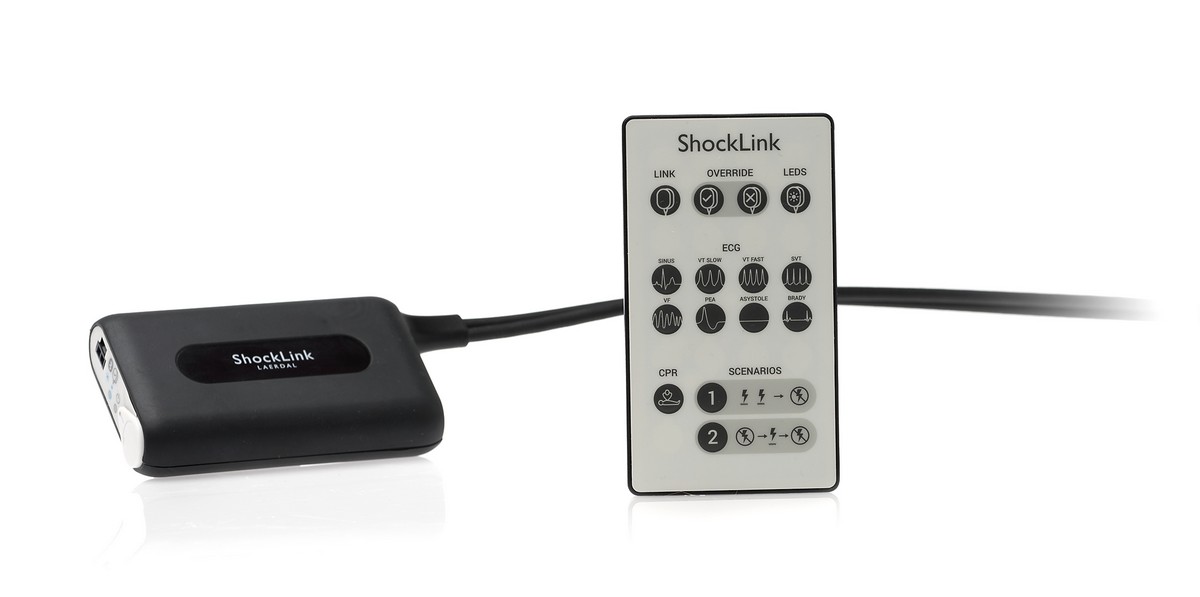
A well-coordinated team that performs at maximum efficiency has the potential to shave off critical seconds and maximize chest compression fraction during a resuscitation. When teams are practicing tactics that can increase efficiency, TeamReporter helps by monitoring how these efforts are affecting the team's CPR quality.
Evidence shows that increased chest compression fraction (CCF), or the total time spent doing compressions during a resuscitation attempt, improves outcomes.13 High-performing organisations aim for 80% time on the chest.14
It's a common misconception that a pause as short as 3 seconds is insignificant and that you can just pick up where you left off in terms of building blood pressure in the heart with compressions. But within 3 seconds of pause, this pressure falls to zero. When you resume compressions, you essentially start at the beginning – not where you were when you left off. It takes another 30 compressions, or about 16 seconds, to rebuild the same kind of blood flow you had before you paused. When you look at it this way, that 3-second pause costs your patient many more seconds of adequate blood flow.15
Data from the Resuscitation Outcomes Consortium shows that a 1% increase in fraction time equates to roughly a 1% increase in survival rates.16 This means that if you can increase your CCF by 20%, your patient has a 20% greater chance of surviving.
Add to all of this, studies have found that increasing pre-shock and post-shock pauses has an impact on defibrillation success and survival.17
These factors explain why high-performing teams use techniques that help them maximise their hands-on time. Observers of efficient high-performance CPR teams in action often notice that:
- It’s quiet, because everyone knows their roles and what to do – eliminating the need for much talking.
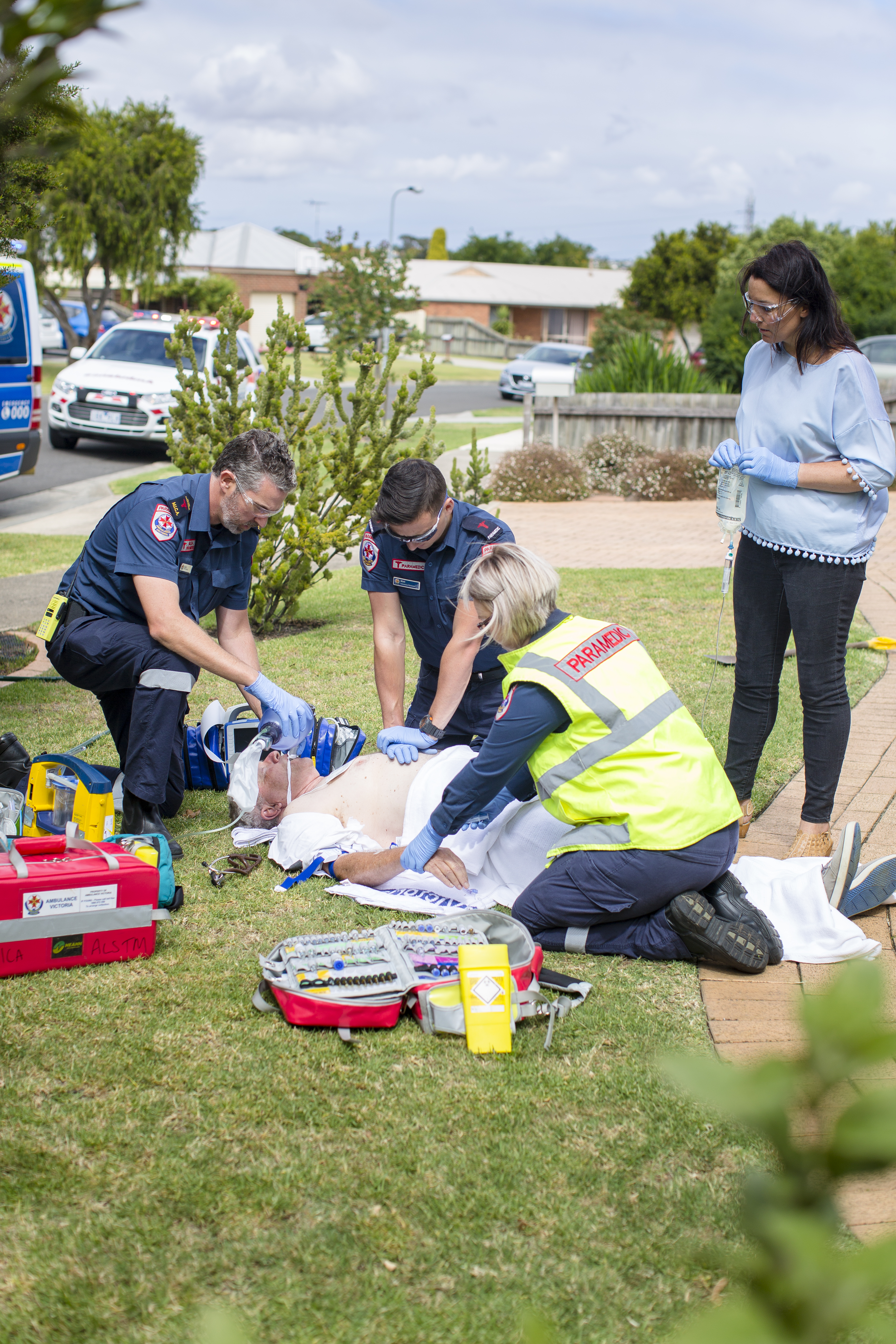
- The rotation between the responders seems like a choreographed ballet, because they’re moving in perfect harmony. For this reason, high-performance CPR is sometimes referred to as the “CPR ballet,” the “dance of resuscitation, “or the “pitstop approach” to CPR.
- The manual defibrillator is pre-charged to avoid time off the chest for charging.
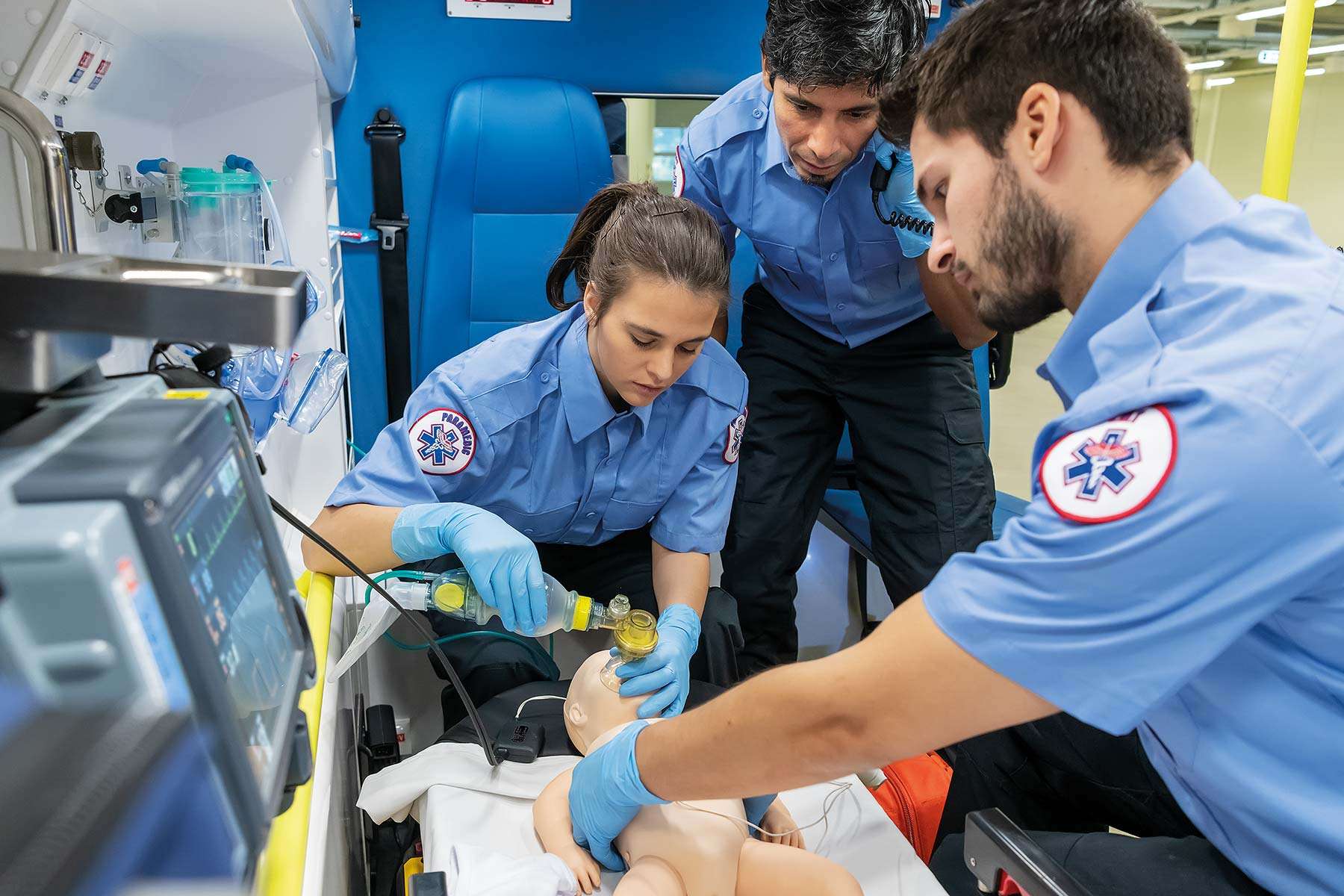
- Intubation occurs without ceasing compressions.18
These are only some of the tactics that high-performance teams use to increase efficiency and minimise wasted time, resulting in maximum time on the chest. This routine, of course, doesn’t come naturally: teams need to train and re-train in order to reach and maintain these levels of precision.
"Just because we have a team of experts, doesn’t mean we perform expertly."
Mike Helbock, M.I.C.P, NR-P, Division Chief – EMS Training, Seattle/King County Medic One (ret.), Faculty – Seattle/King County Resuscitation Academy19
As teams work on achieving improved synchronisation, TeamReporter helps ensure that they can closely monitor and perfect their CPR performance.