The 2025 ILCOR Guidelines: 4 Key Highlights
Stay up-to-date with the latest science in resuscitation training.
Stay up-to-date with the latest science in resuscitation training.
If you’re a CPR educator, you may know that the International Liaison Committee on Resuscitation (ILCOR) recently released its 2025 Consensus on Science with Treatment Recommendations (CoSTR). These ILCOR guidelines serve as the foundation for national resuscitation councils to create their own country-specific guidelines.
We’ve highlighted four key insights from the Education, Implementation, and Teams chapter of the CoSTR that are sparking conversations among training leaders. Plus, we’ve provided practical tips to help you turn these recommendations into real-world results.
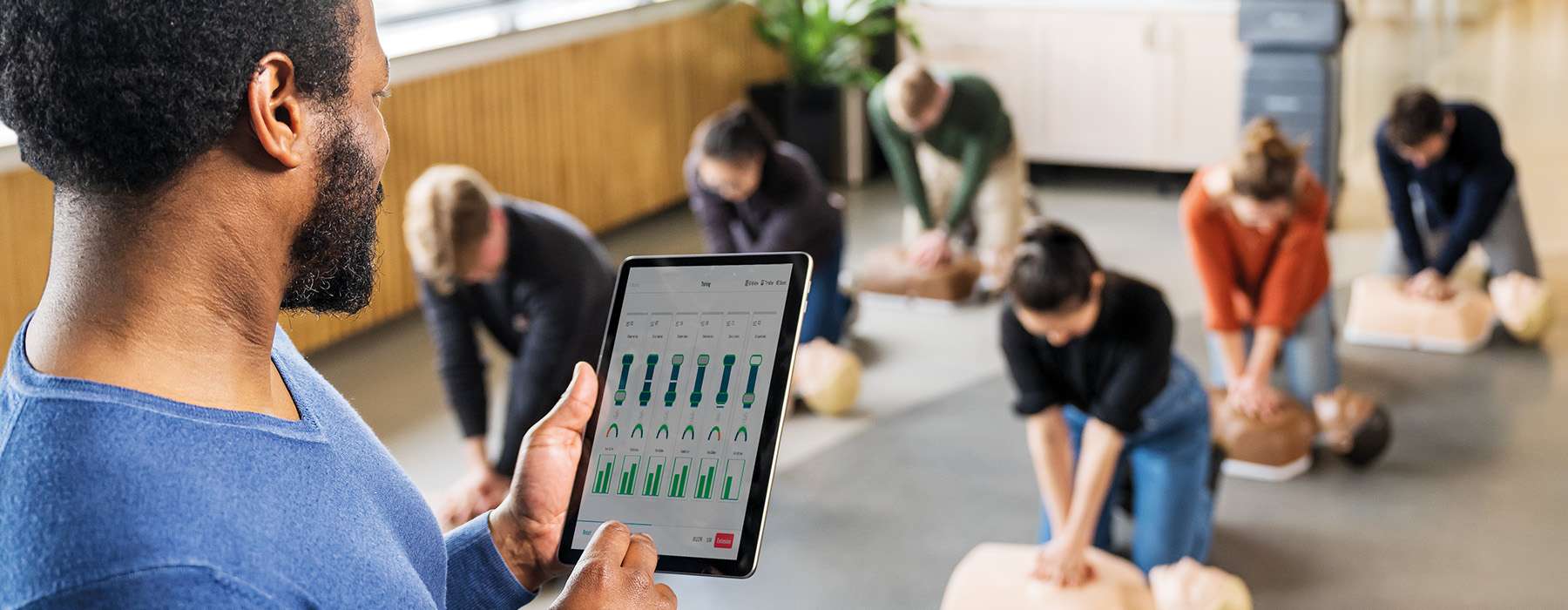
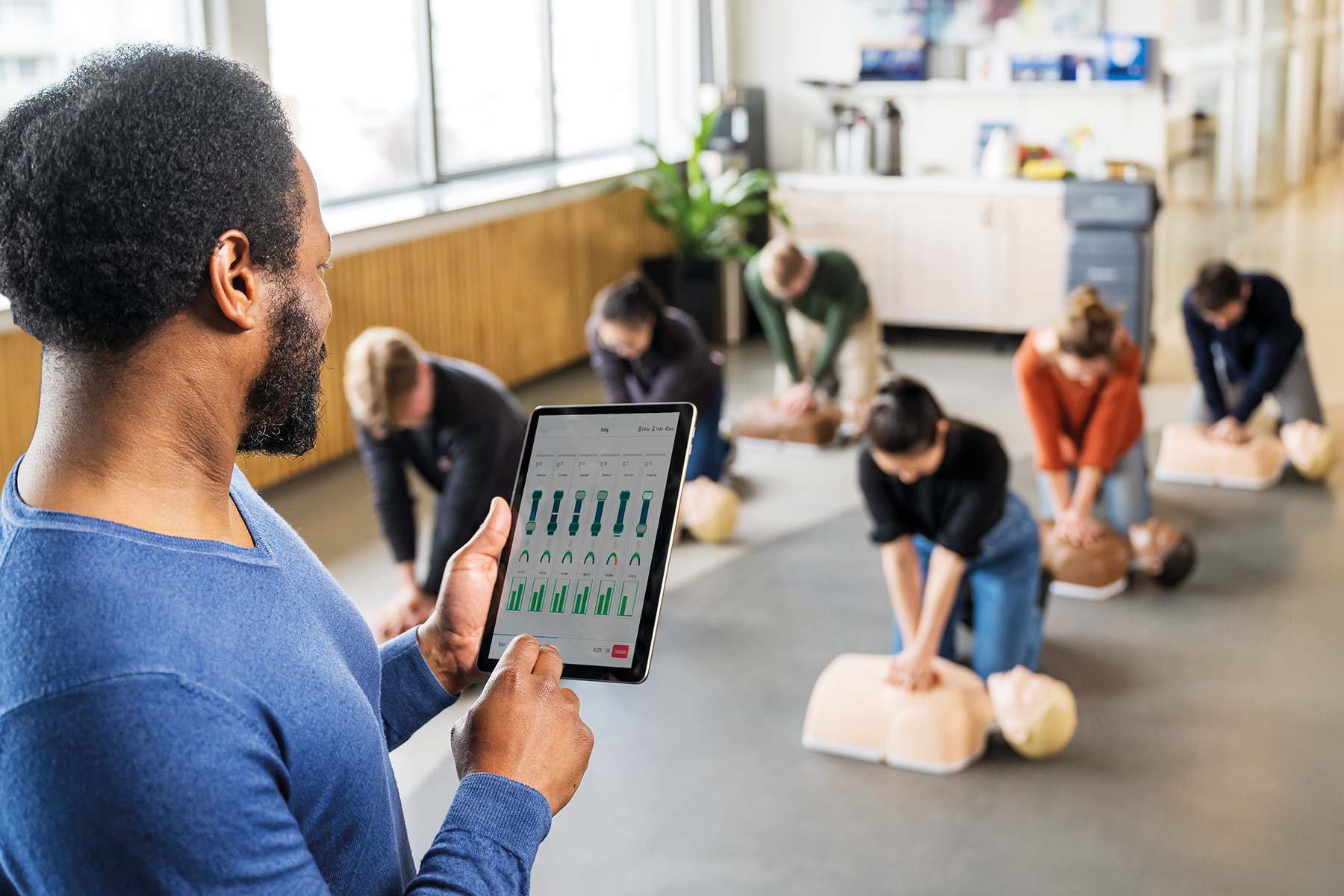
ILCOR Guidelines: “We recommend the use of CPR feedback devices during resuscitation training for healthcare professionals and laypersons.”1
Why this matters: “Recent scientific statements highlight a growing trend in the use of CPR feedback devices during resuscitation courses,”2 the ILCOR guidelines explain. “Use of CPR feedback devices during resuscitation skills training has the potential to enhance CPR skill acquisition and retention.”3
David Weed, CPR Educator — King County, Washington
Laerdal’s training tip: Monitoring multiple learners’ performance at once can be a challenge. The QCPR app, recently enhanced with new pro features, transforms CPR training with real-time feedback, automatic result tracking, and easy performance comparisons at no added cost. Instructors get the insights they need to guide targeted training, while learners build skill and confidence to act when it matters most.
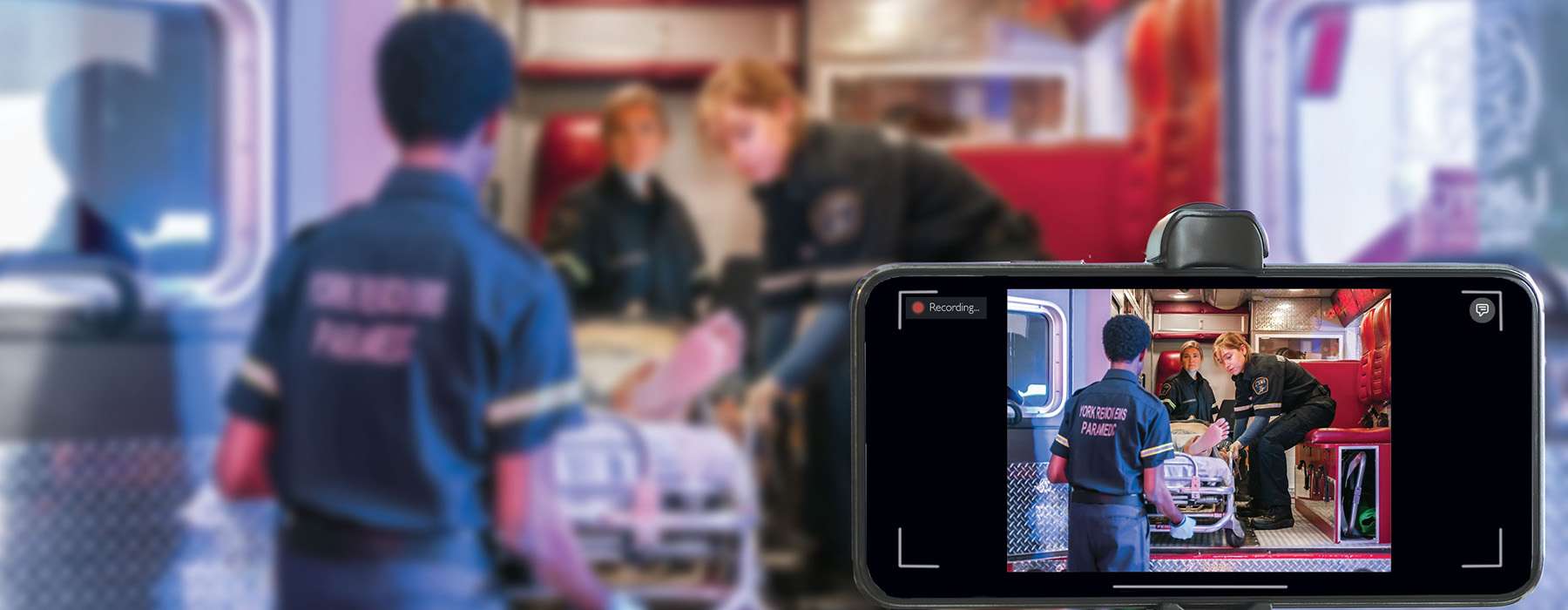
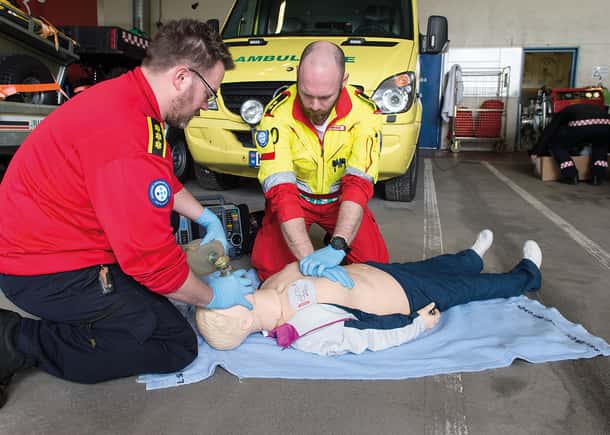
ILCOR Guidelines: “We recommend that in situ simulation may be considered as an option for CPR training where resources are readily available.”5
Why this matters: “Training using simulation is traditionally undertaken in the classroom setting, but moving such training to clinical areas may improve fidelity and provide a better test of organizational processes,”6 say the ILCOR guidelines. “Studies documented improvements in elements of clinical resuscitation performance following a period of in situ CPR training.”7
Laerdal’s training tip: Consider recording your in situ simulations with a hardware-free solution like the SimCapture Mobile Camera app. Video review offers learners an external viewpoint, driving self-reflection and improvement in both practical skills and body language.
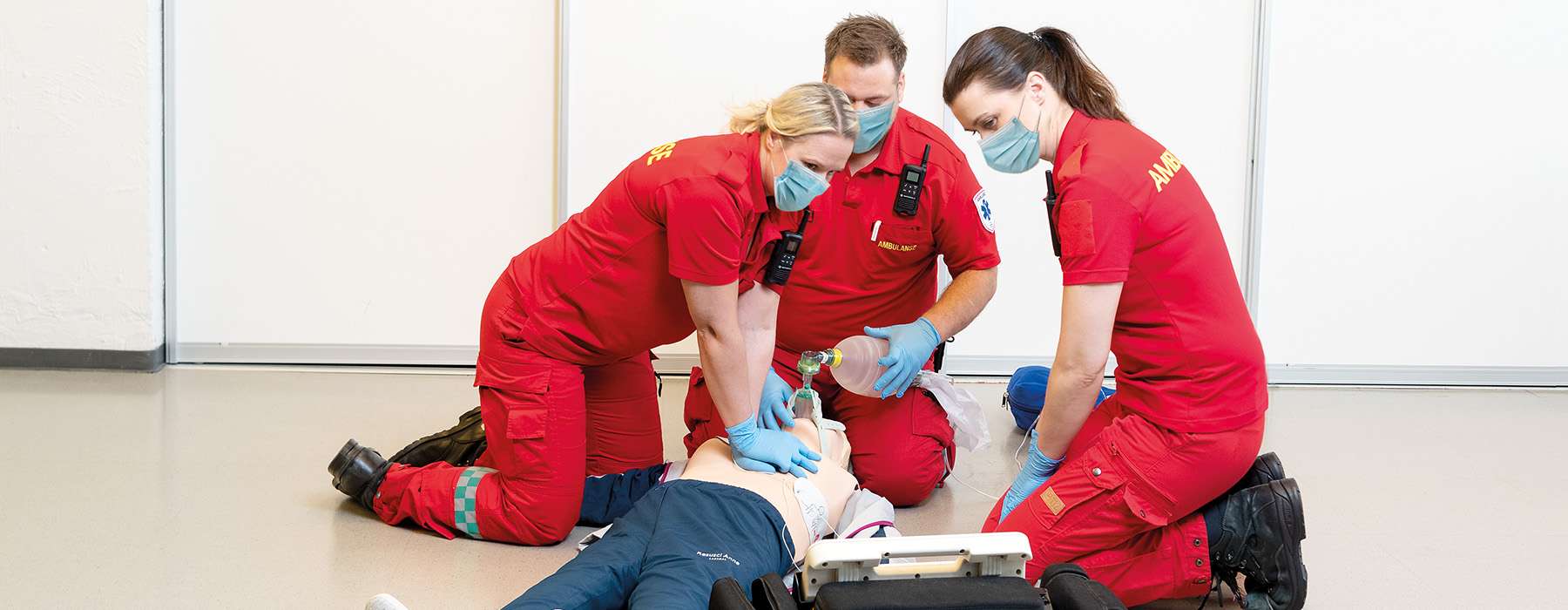
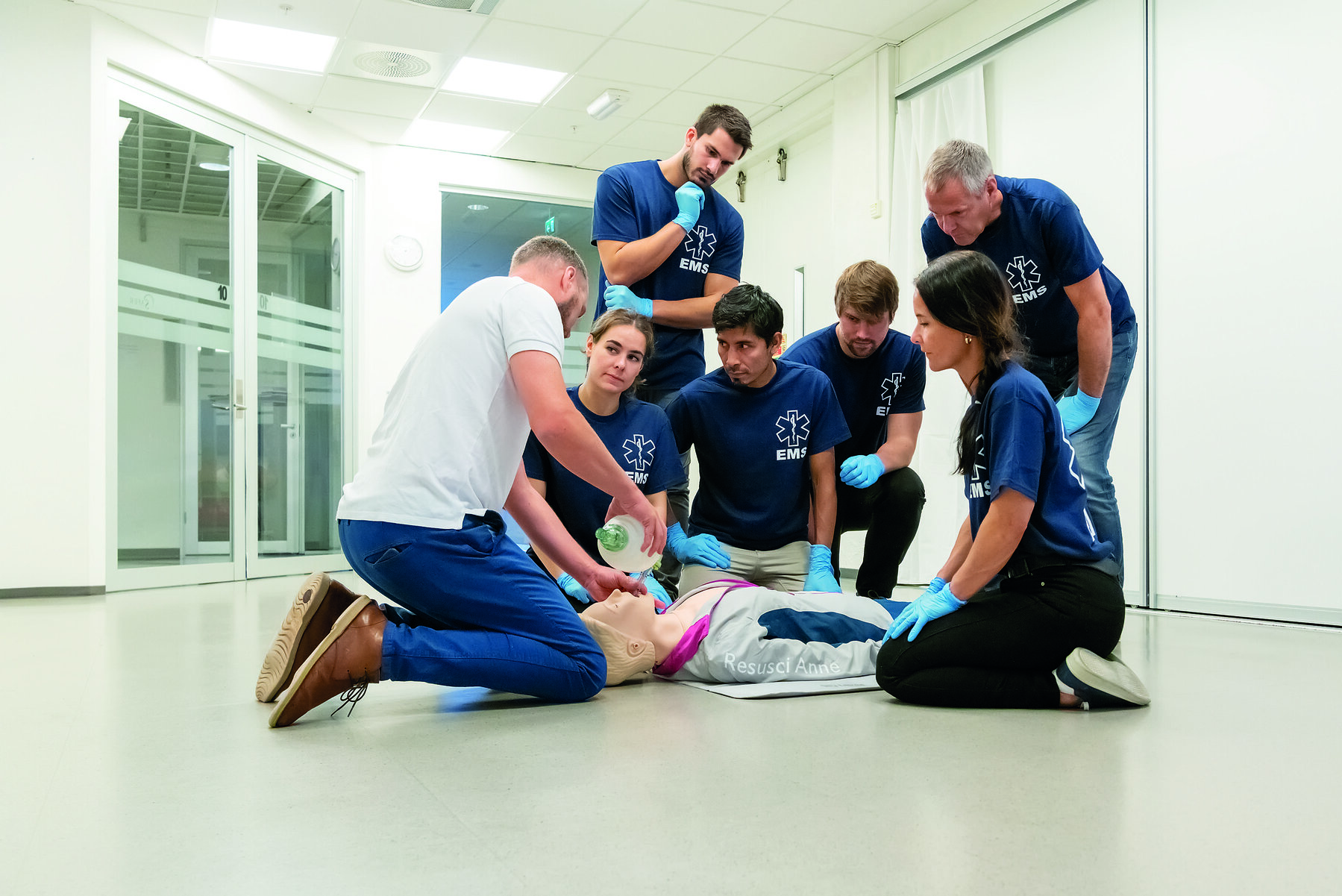
ILCOR Guidelines: “We suggest that teaching teamwork competencies be included in BLS and all kinds of advanced life support training.”8
Why this matters: Cardiac arrests require coordinated responses. Breakdowns in communication can compromise even excellent CPR. By explicitly training leadership, communication, and role clarity, you transform a group of skilled individuals into a cohesive unit that performs better under the stress of real emergencies.
Laerdal’s training tip: Allow your teams to practice their roles repeatedly until the “choreography” feels like second nature. A manikin with anatomically accurate features, like Resusci Anne QCPR, can provide the realism needed to make role rehearsal effective.
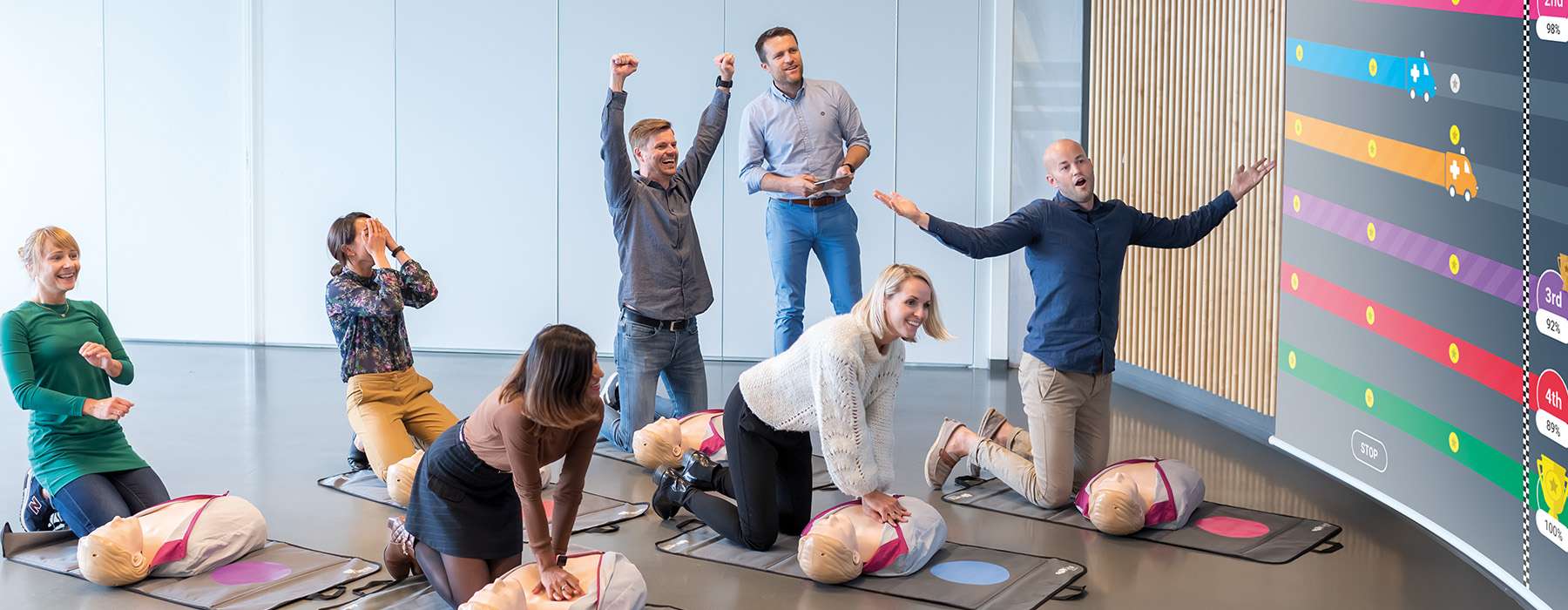
ILCOR Guidelines: “We suggest the use of gamified learning be considered as a component of resuscitation training for all types of BLS and ALS courses.”9
Why this matters: Gamification taps into intrinsic motivation through challenge and achievement, making repetitive practice feel engaging rather than tedious. This increased engagement leads to more frequent practice sessions and better long-term skill retention, as learners willingly return to improve their performance.
Brady McLaughlin, MS, NREMT, CEO and Founder — GoRescue
Laerdal’s training tip: Competition has been shown to encourage CPR practice and motivate learners to master their skills.11 Add some excitement with the QCPR Race: a fun game in the QCPR app that drives engagement while reinforcing essential CPR techniques.