Rural Health Transformation Program: 5 Tips to Get Started
The Rural Health Transformation Program (RHT) is a major initiative from the Centers for Medicare & Medicaid Services (CMS). The initiative will provide states $50 billion in funding over 5 years to improve healthcare access, workforce capacity, and patient outcomes in rural communities.1
According to CMS, the program focuses on system-wide transformation of rural healthcare delivery and emphasizes measurable, outcomes-driven improvements.2
The program operates through a state-led model, with funding distributed to states that design and implement healthcare transformation strategies tailored to their populations.3 While organizations do not apply directly to CMS, they can access opportunities by aligning with state priorities, participating in state-led initiatives, and engaging with funded transformation programs.
In this article, we outline five practical tips to help organizations navigate the program and align with state-led rural healthcare transformation efforts.
The CMS Rural Health Transformation Program is structured differently from many federal initiatives in that:
This structure enables states to address unique rural healthcare challenges while aligning with national priorities.
Organizations often have questions about how the program works in practice—particularly who manages funding, how to get involved, and which partners are relevant.
In the Rural Health Transformation Program:
The initial application period for the program’s first-year funding has closed, with all state applications submitted in November 2025. As a result, the focus has shifted from application to implementation, with states now rolling out ongoing funding opportunities, partnerships, and initiatives as part of their transformation plans.
State implementation strategies vary widely, with many states organizing efforts around specific priorities such as workforce pipelines, maternal health, behavioral health, technology-enabled access, or regional partnership models.4
Because the program is implemented at the state level, engaging early with state stakeholders and existing partnerships is often the most effective way to understand how funding is being allocated and where your organization may fit.
With this structure in mind, a practical first step is to identify the relevant state stakeholders and initiatives in your region, and understand how those priorities are being translated into programs and partnerships. From there, you can assess where your capabilities may align.

CMS defines five core priorities for the Rural Health Transformation Program:
These priorities provide the foundation for how states evaluate initiatives, making alignment essential for any organization looking to participate.
Review your organization’s current initiatives and map each one to at least one of these five priorities. Prioritize efforts that clearly support multiple goals.
Each state defines its own healthcare transformation plan.
Common focus areas include:5
Alignment with these plans increases the likelihood that an initiative will be relevant, fundable, and integrated into broader system efforts.
Identify your state’s transformation plan and prioritize 1–2 areas where your organization can actively participate or partner.

All 50 states have proposed utilizing Rural Health Transformation funds for workforce development initiatives.6
Workforce development is one of the most consistent priorities across the Rural Health Transformation Program.
CMS emphasizes:
Almost every rural county in the U.S. has been federally designated as a Health Professional Shortage Area (HPSA).8 This designation identifies an area, population, or facility that is experiencing a shortage of health care services.9
As a result, workforce-focused initiatives often represent one of the most practical and impactful ways organizations can contribute to rural healthcare transformation efforts.
Identify one workforce challenge in your region, such as staffing shortages or clinical readiness gaps, and define a targeted initiative that directly addresses it.
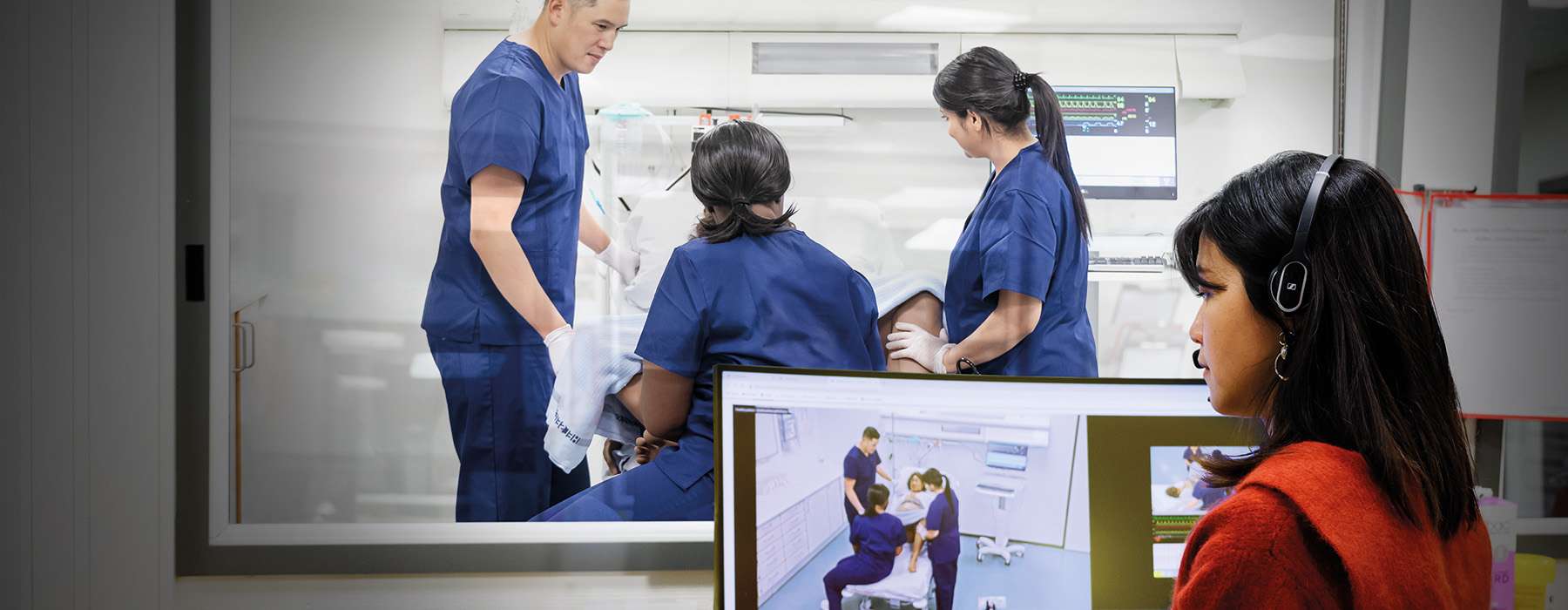
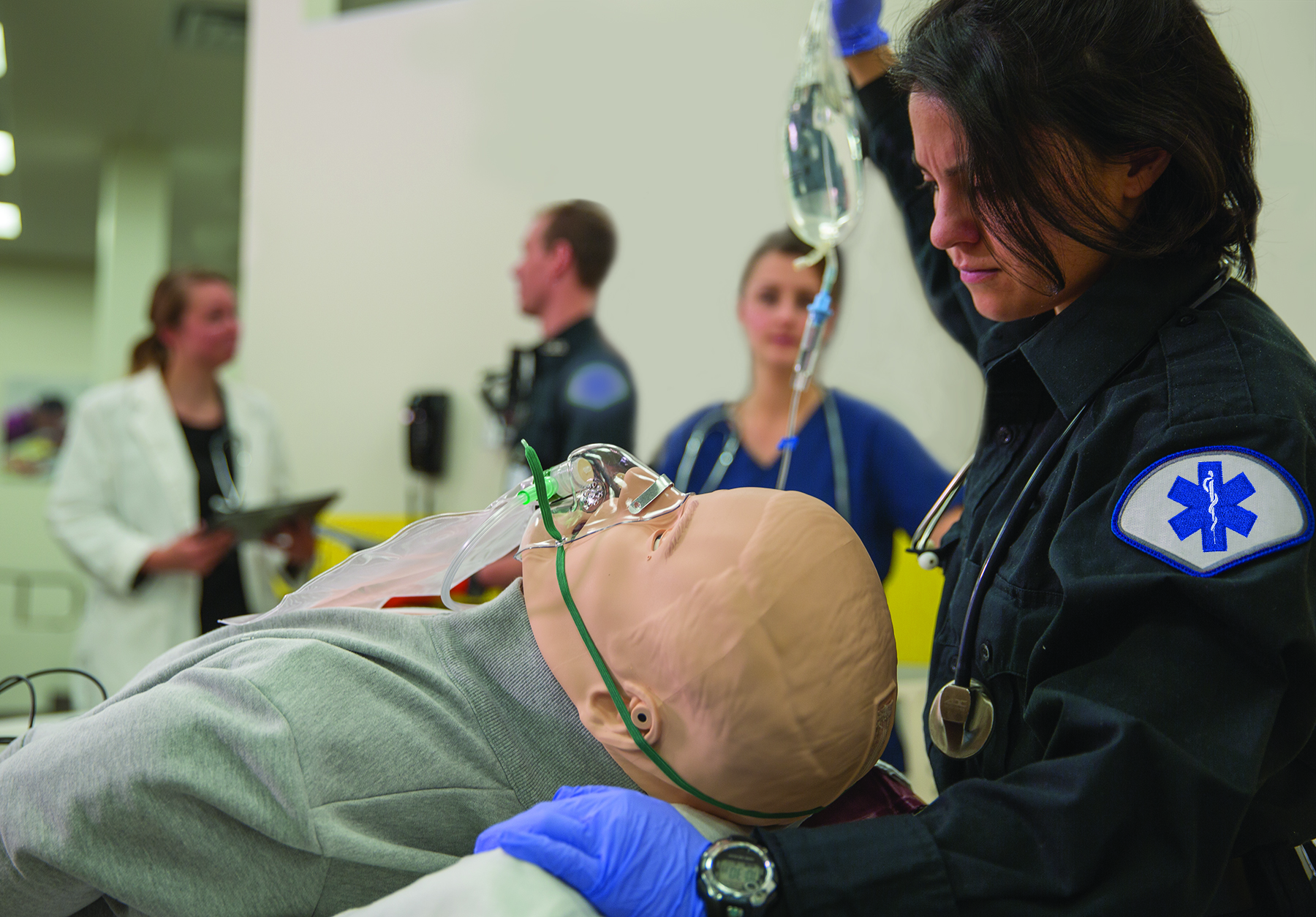
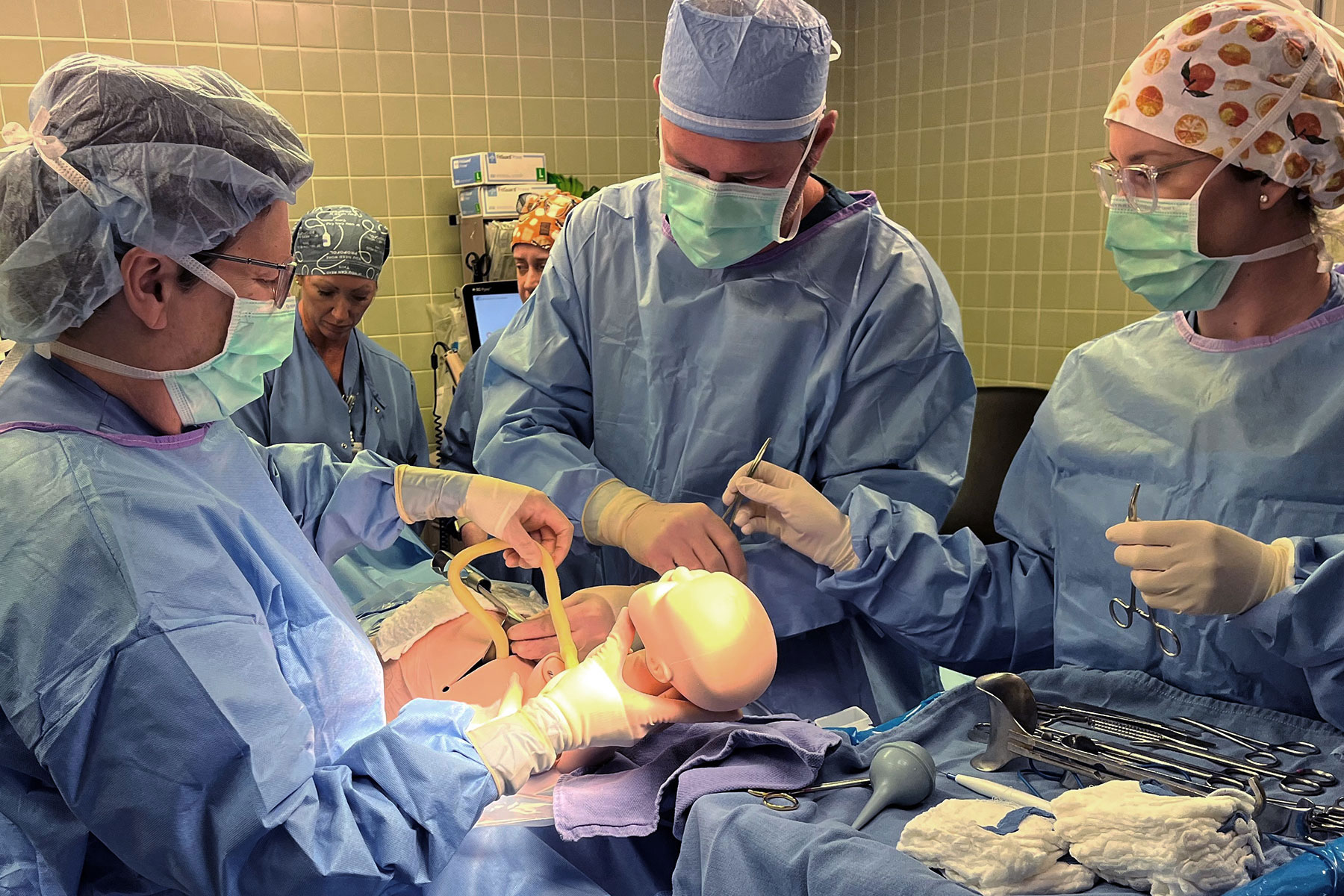
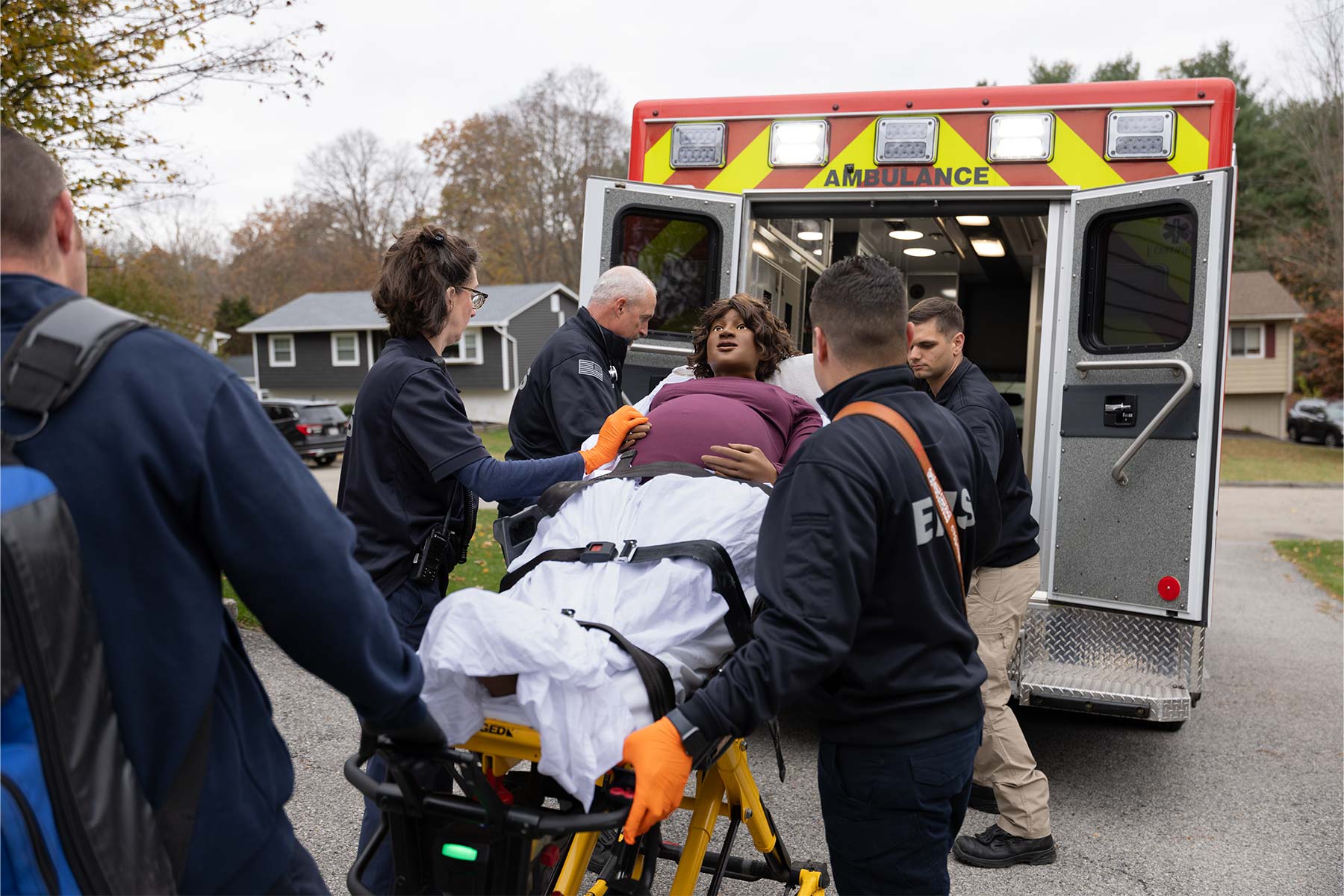
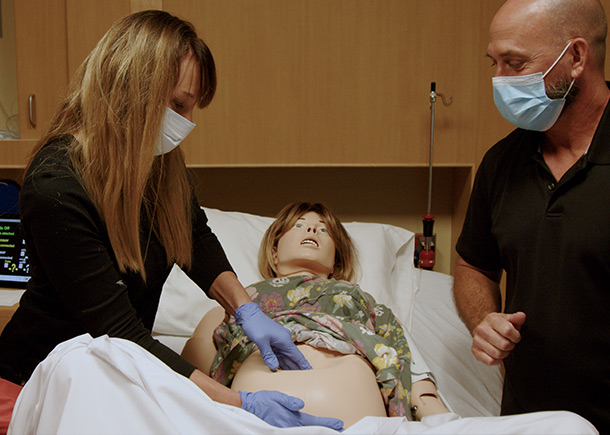
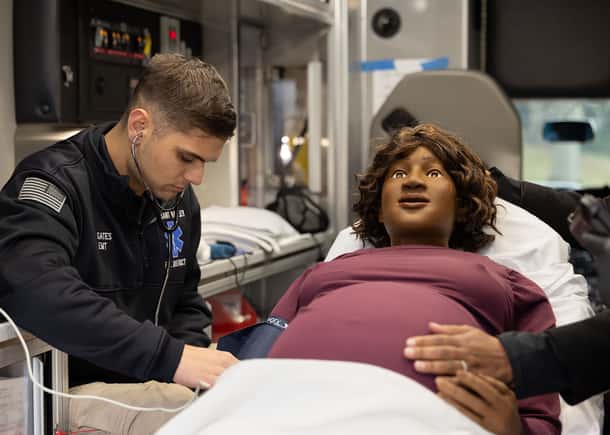
Simulation-based training is one of several approaches used in workforce training and clinical readiness.
In rural healthcare—where teams may encounter complex or high-risk situations less frequently—simulation-based training provides structured opportunities to build and maintain clinical readiness without posing any risk to actual patients.
As of December 2025, several states have included simulation in their plans, including:10

With funding already awarded, states are now focused on implementing their transformation plans.
Organizations should:
As implementation progresses, many states are releasing funding opportunities and initiatives over time, creating ongoing entry points for participation.
Explore the following resources to help you track and engage as opportunities develop.

The program prioritizes outcomes-driven approaches, so it's important to define how impact will be measured early in the process.
CMS has advised states to consider what measurable outcomes will be used to assess the impact of each initiative. States will be required to report quarterly and annually on achievement of measurable outcomes.11
You may want to start clearly defining:
Define 1–2 measurable outcomes early, along with how you will track and report them as your initiative develops.
In training and workforce development, approaches such as simulation can provide objective, performance-based insight into how care is delivered in practice.
This allows organizations to capture measurable data across multiple levels, including:
These types of insights can help organizations identify gaps, standardize practices, track improvement over time, and support broader system-level goals tied to rural healthcare transformation.

Our mission at Laerdal is to help save one million more lives, every year, by 2030. We work toward our mission by partnering with healthcare organizations like yours, supporting you with simulation and healthcare education tools to improve healthcare quality in your organization.
Contact us to discuss how we can support your initiatives to improve rural health in the community you serve. Together, we can build clinical readiness, strengthen system performance, and make a positive impact on rural health.
Use this checklist to move from understanding the program to taking clear, actionable next steps.
The Rural Health Transformation Program is a CMS initiative that provides states with $50 billion in funding over 5 years to improve healthcare access, workforce capacity, and patient outcomes in rural communities (CMS Overview).
States apply directly to CMS. Organizations do not apply directly and instead participate through state-led programs and partnerships.
State plans commonly include initiatives focused on workforce development, expanding access to care, supporting innovation, and improving measurable outcomes.
Organizations can participate by aligning initiatives with state priorities and engaging in state-led implementation efforts, partnerships, and programs.
The program spans fiscal year 2026 through 2030.
Funding is managed and distributed at the state level, based on each state’s approved transformation plan.
Yes. States continue to release funding opportunities and initiatives during the implementation phase, including active solicitations and awarded programs.
Simulation-based training can support workforce development and clinical readiness initiatives by providing structured opportunities for healthcare professionals to practice and maintain skills in a safe environment.
In rural settings, where high-risk or complex cases may occur less frequently, simulation can help teams build and sustain readiness without risk to patients.
It can also support measurable, outcomes-driven approaches by capturing performance data across individuals, teams, and systems, helping organizations identify gaps, track improvement over time, and align with state-level goals for measurable outcomes.