6 Ways to Assess Competence Using Simulation in K–12 Health Sciences Pathways
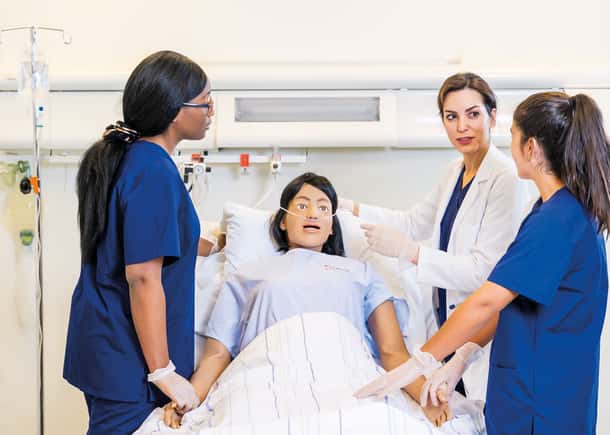
Simulation is a practical and effective way for you to assess learning in your K–12 Health Sciences program, especially when your students are novice learners who are still developing foundational skills. Because simulation allows you to see students in action, it helps you assess how well they apply what they are learning, follow procedures, communicate, and build confidence over time.
Below are six ways you can use simulation to assess student learning, with tips included throughout to help you put each approach into practice.
Direct observation during simulation gives you clear insight into how your students perform essential tasks and behaviors. For novice learners, your assessments should focus on foundational skills and habits, such as:
Your rubrics should be simple, clearly worded, and aligned to your program goals, pathway standards, or employability skills. Emphasizing progress and consistency helps novice learners understand expectations without feeling overwhelmed.
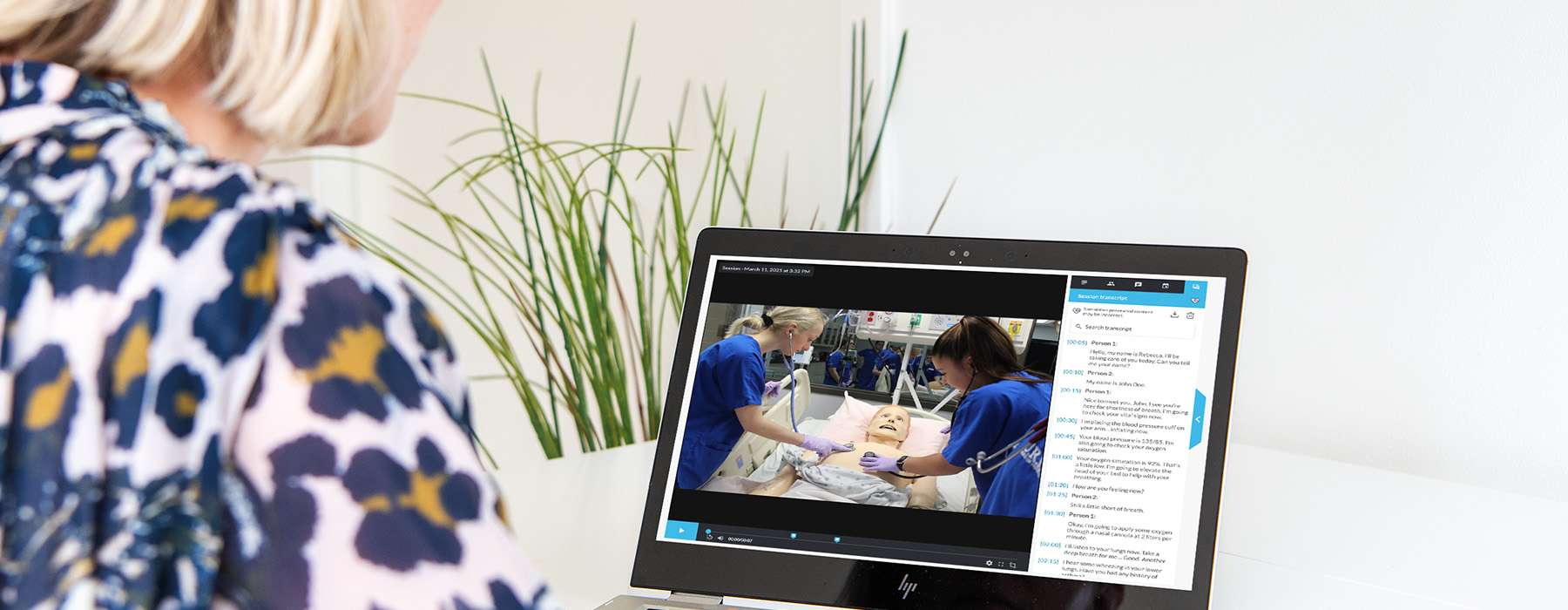
Tip: Using a simulation management system like SimCapture allows you to capture video recordings of student simulations and annotate key moments during or after the activity. This makes it easier for you to review students’ actions, identify evidence of skill development, and provide specific, timely feedback.
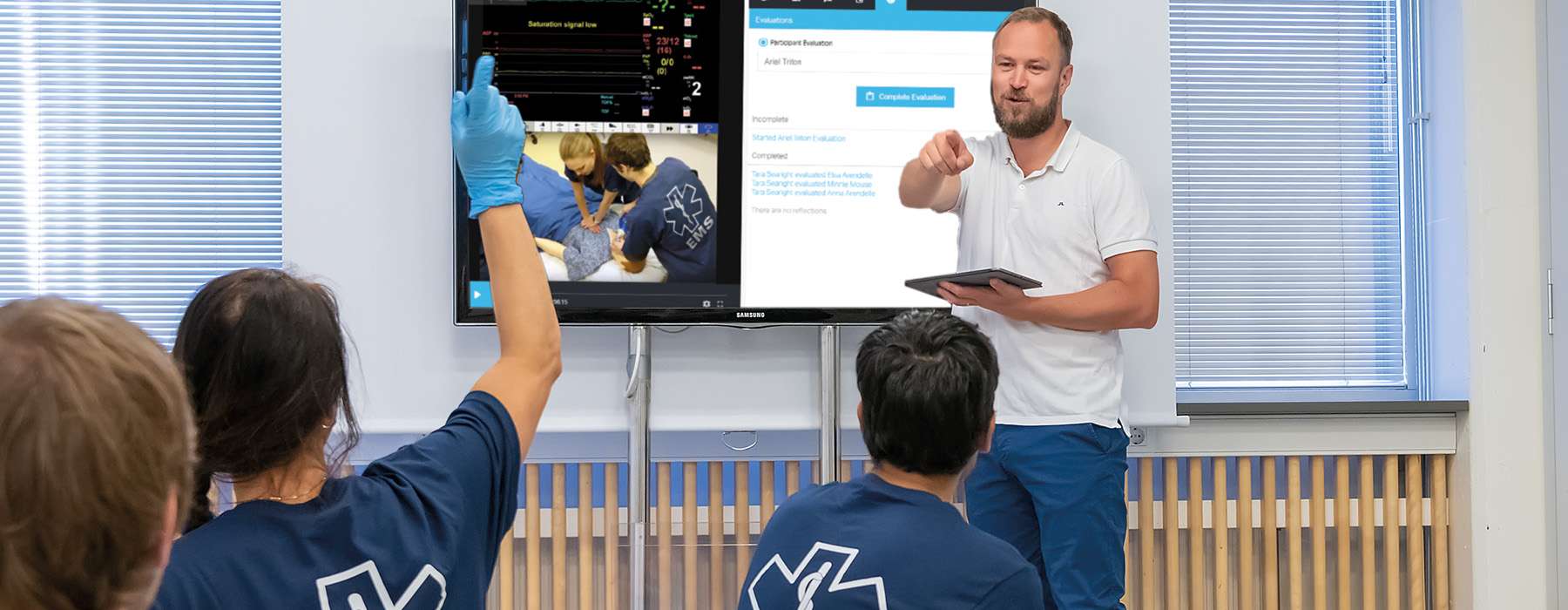
Debriefing gives you an opportunity to assess how well your students understand what happened during the simulation. Through guided discussion, you can evaluate whether your students can:
For novice learners, debriefing reinforces learning while helping students build confidence, reflect on their actions, and learn from mistakes in a supportive way.
Tip: Recording your simulations with a simulation video recording system like SimCapture can give students a “view of themselves from the outside.” Watching their own performance helps students develop greater self‑awareness by allowing them to observe their actions more objectively.
For novice learners, this can be especially powerful, since they may not yet realize how their technical skills, communication, body language, and teamwork appear to others. Video review supports deeper reflection during debriefing by giving students concrete examples to reference, which helps them better understand feedback, recognize strengths, and identify specific areas for improvement.
Feedback from standardized patients or role players gives you insight into how your students interact with others in a healthcare setting. This type of feedback can help you assess whether students:
This perspective is especially valuable for novice learners who are just beginning to develop patient-centered communication skills.
Journaling has been found to effectively foster reflection and the development of clinical judgment and emotional competence.
Watching simulation recordings and completing guided reflections helps your students think more intentionally about their performance. Reflection prompts you might use include:
These reflections allow you to assess student thinking and self-awareness, even when hands-on skills are still developing.
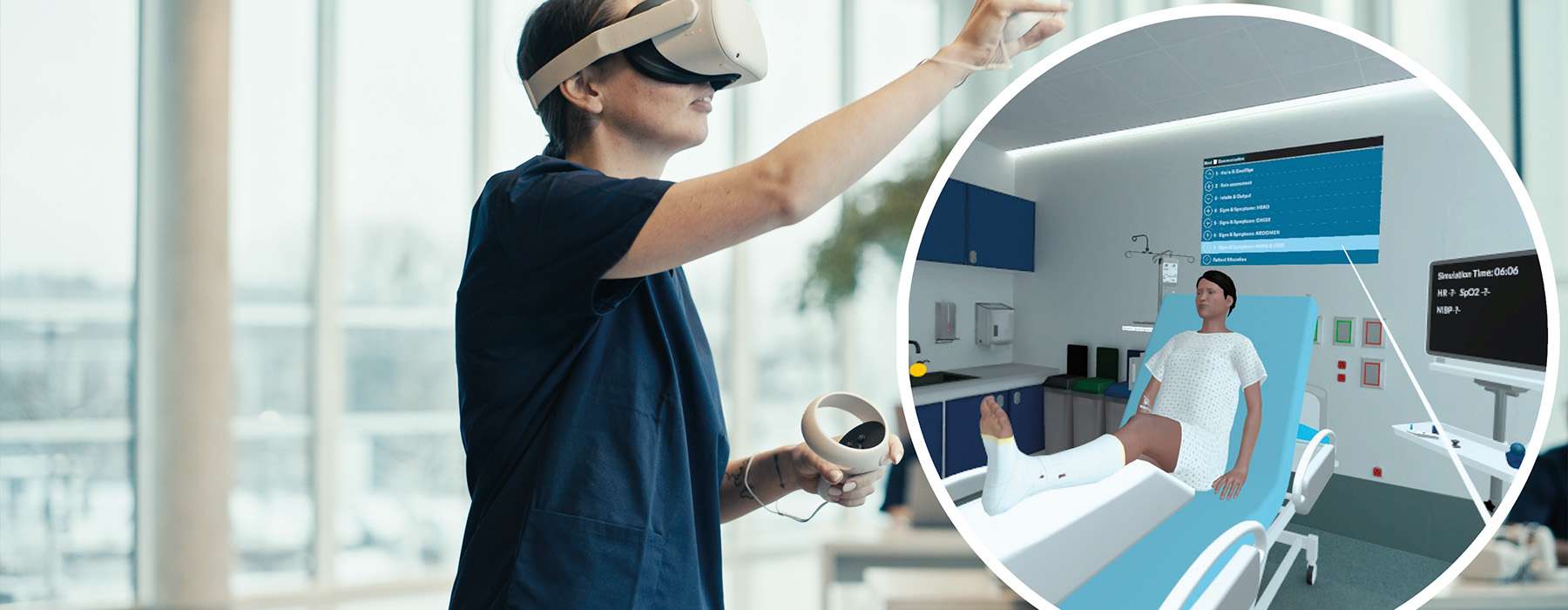
Virtual simulations and Virtual Reality (VR) simulations give your students additional opportunities to practice and apply skills in a low-pressure setting. Many virtual simulation and VR platforms provide performance data that allows you to assess:
These experiences help reinforce learning while giving students the chance to practice at their own pace.
Tip: You can use virtual simulation and VR together to create a scaffolded learning and assessment experience for novice learners. For example, you might begin with a virtual simulation such as vSim for Nursing to assess students’ understanding of foundational concepts, terminology, and decision-making in a structured, low-pressure environment. As students become more comfortable, you can introduce VR experiences such as vrClinicals for Nursing to assess how well they apply those same concepts in a more immersive and dynamic setting.
This progression allows you to observe student growth over time, gather multiple data points on performance, and build a clearer picture of readiness before students move into hands-on skills practice and in-person simulation.
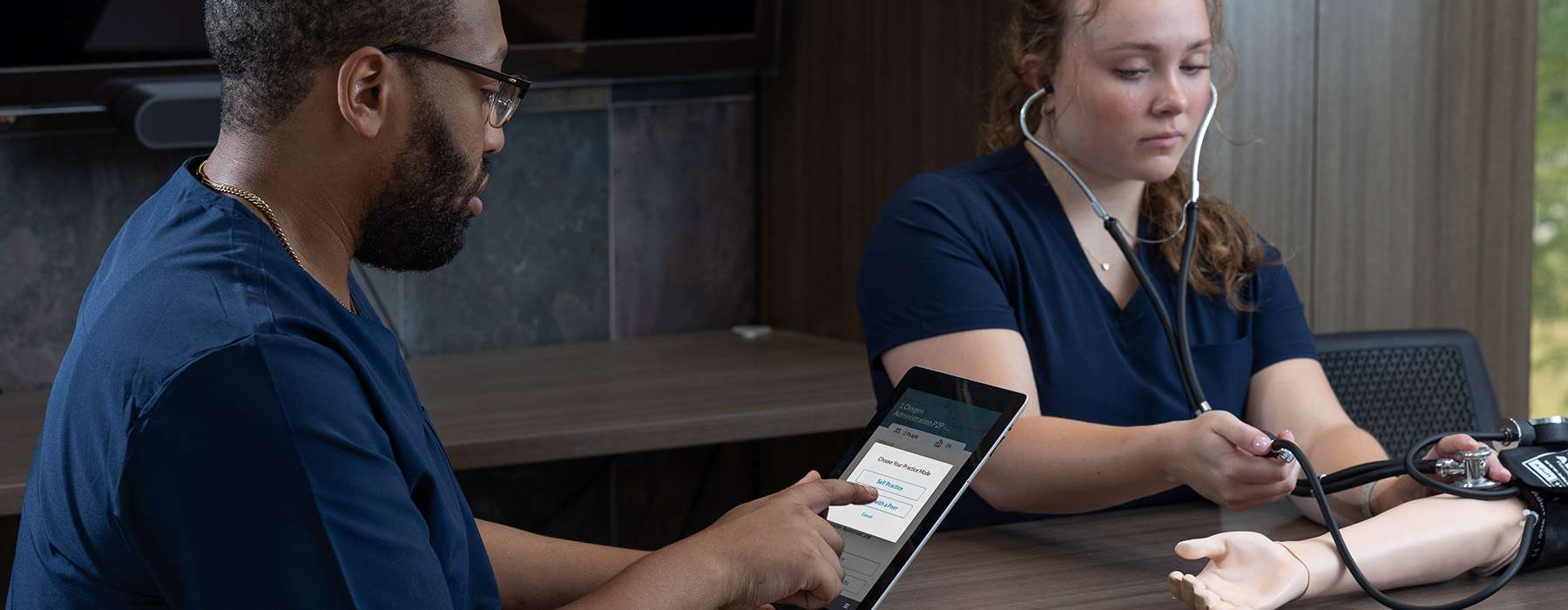
Peer-to-peer assessment allows your students to learn by performing, observing, and providing feedback. When students rotate through roles such as performer, patient, and observer, you increase engagement while reinforcing foundational skills.
Using simple checklists or guided questions helps keep feedback constructive and aligned to your learning goals.
Tip: You can use a tool like SimCapture for Skills to support and document peer-to-peer skills practice. SimCapture for Skills allows students to record themselves and submit the recordings for you to review and provide feedback on.
This is especially helpful for novice learners, since it encourages repetition, reflection, and ownership of learning while giving you clear evidence of skill development across your program.