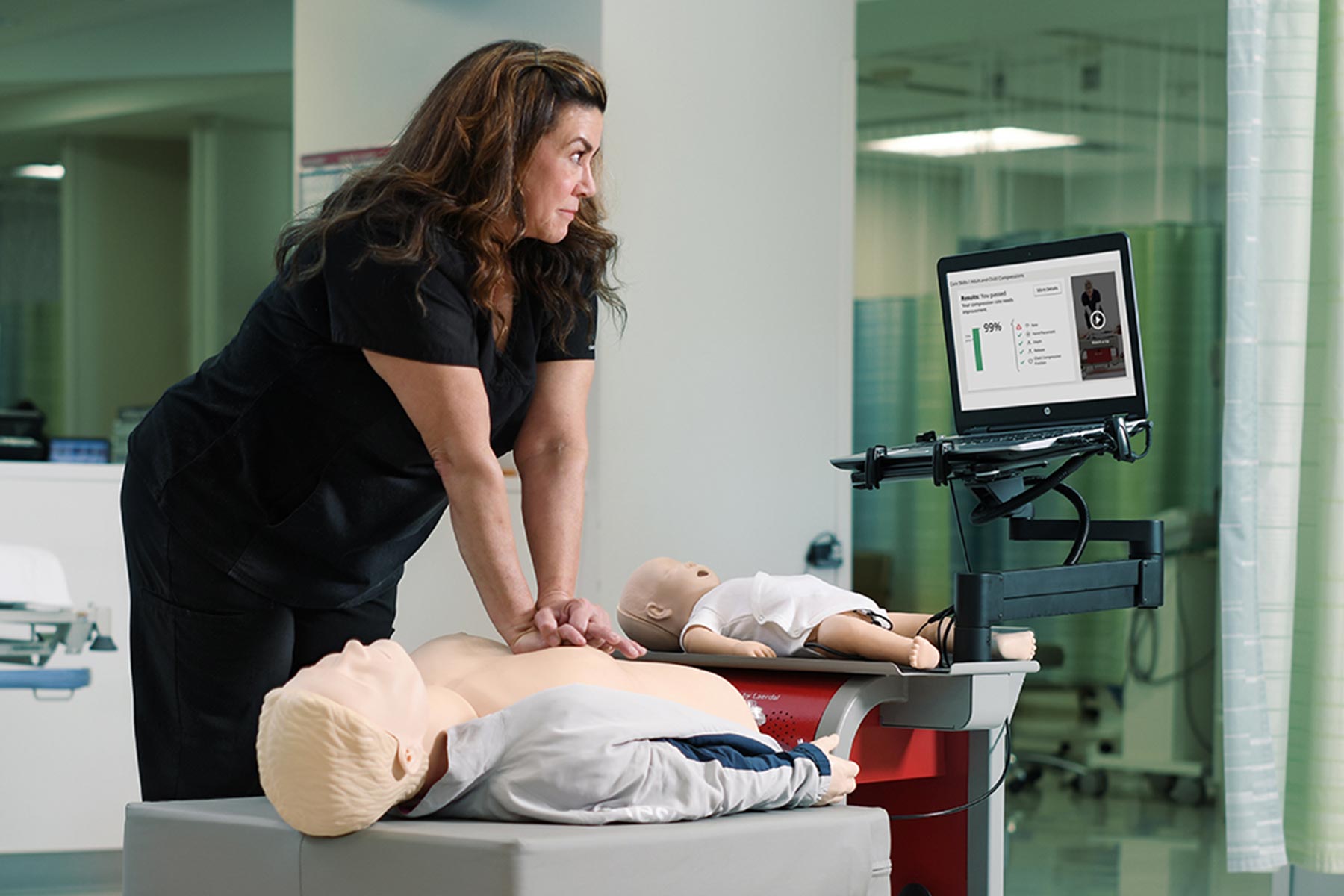
Modernizing CPR Training Through Digital Resuscitation Programs in Academic Settings
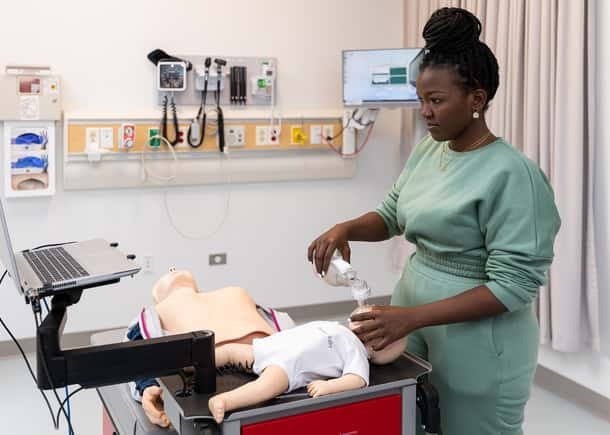
The landscape of CPR training is shifting from traditional, large-group classroom sessions to digital, adaptive learning models that prioritize competence and flexibility. This transition addresses critical challenges such as instructor shortages and the rapid decay of life-saving skills.
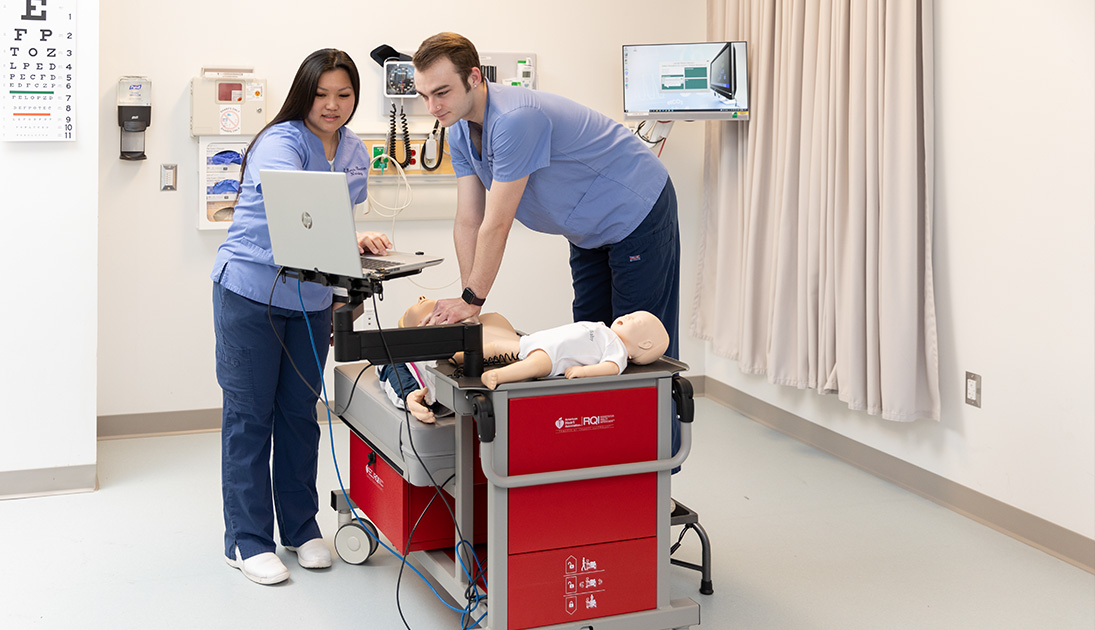
By utilizing programs like HeartCode Complete and the Resuscitation Quality Improvement (RQI®) program, academic health professions education programs can now offer standardized, objective training that ensures every learner achieves mastery.
We sat down with two health professions education programs to hear their stories. Watch the full webinar below or read on to explore their experiences.
Historically, resuscitation education followed a rigid, “one size fits all” classroom model. Today, the “Journey to High Quality Resuscitation” has evolved into a sophisticated digital platform characterized by:
Customer Story
David Patterson, the Director of the Hill ROM Simulation Center at Marian University, shares how his institution transitioned from “production-heavy” blended learning to the HeartCode Complete program.
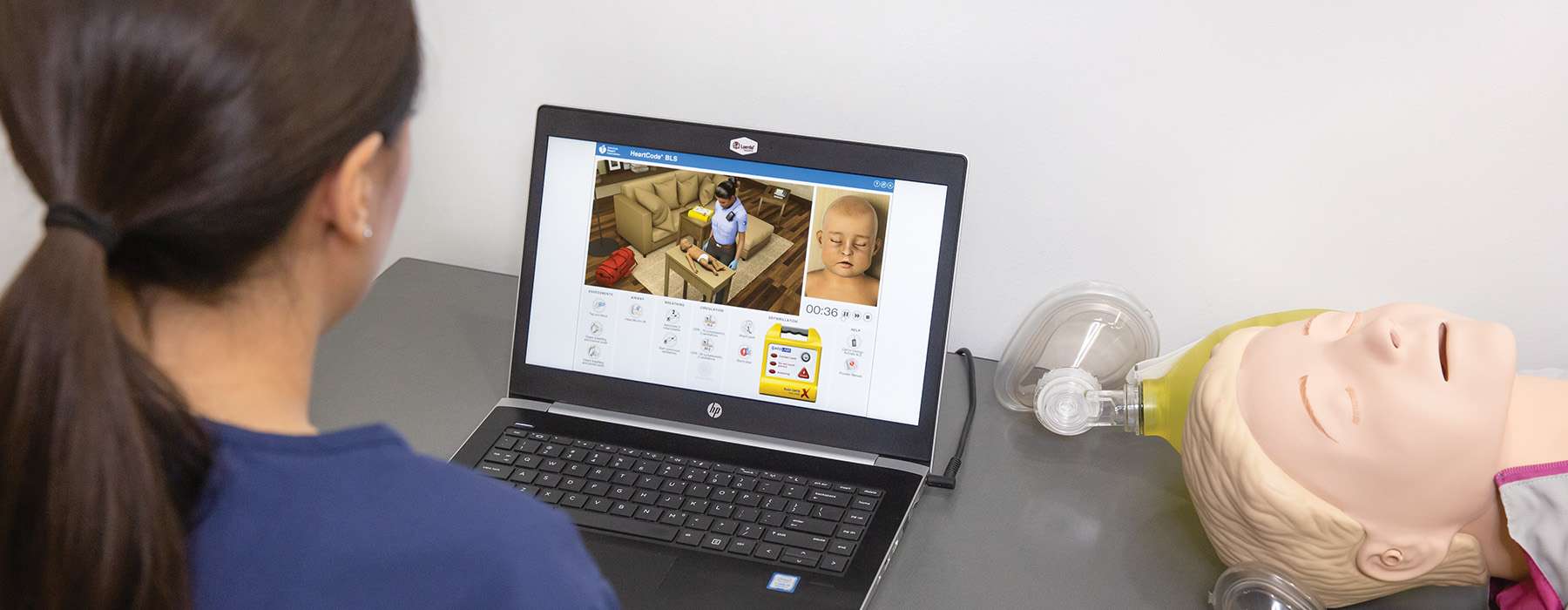
HeartCode Complete incorporates online learning and hands-on skills training, allowing learners to complete lessons on their own time. Learners earn a course completion card, valid for 2 years.
Before adopting the digital program, Marian University relied on large, scheduled classes and a dwindling pool of instructors, a problem exacerbated by the COVID-19 pandemic. Managing one-off recertifications and coordinating check-offs for hundreds of students had become increasingly difficult.
Since implementing HeartCode Complete two years ago, the College of Osteopathic Medicine has seen significant improvements in administrative efficiency:
“It’s been a great experience,” he says. “It saved me time. It has saved me a lot of work.”
Customer Story
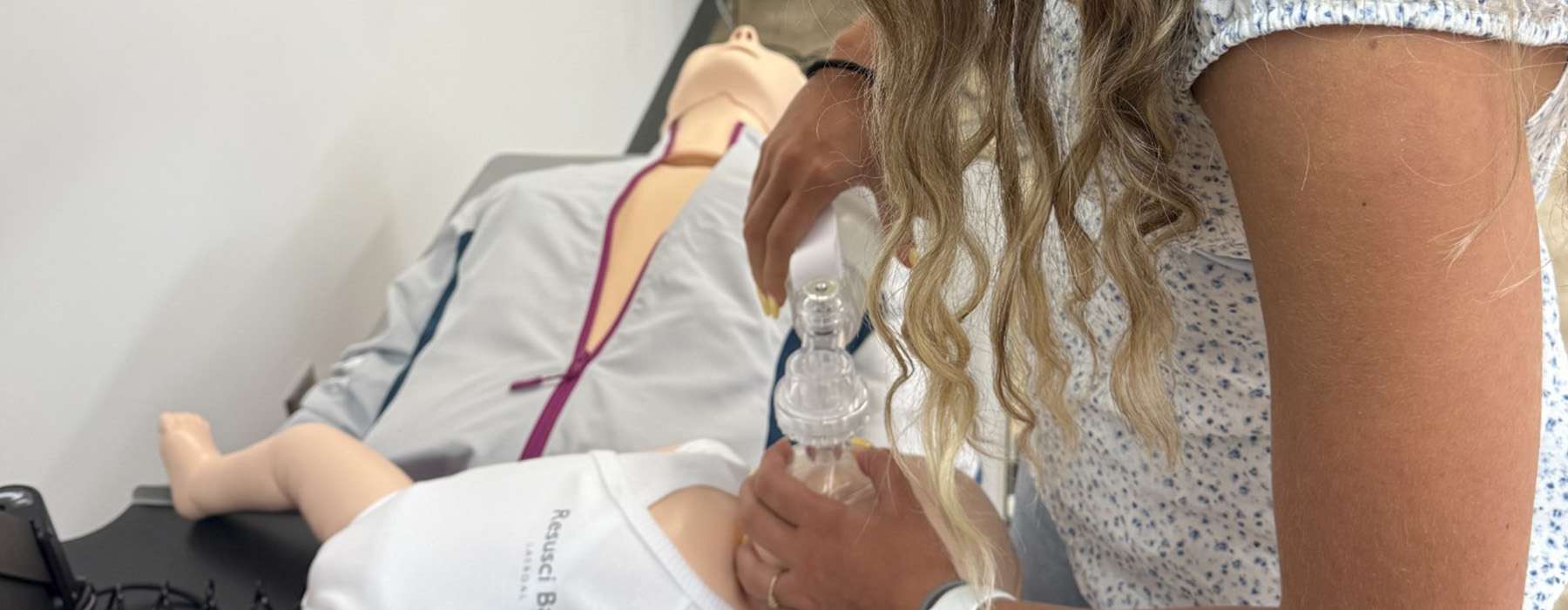
Shelby Neikirk, the clinical placement coordinator for the HEALS (Health Care Excellence Academy Lab School) at Emory & Henry University, highlighted the impact of the RQI program on high school and community college students.
The HEALS program found that despite traditional training, many students lacked the confidence to perform CPR in real-world settings. Traditional two-year certification cycles often lead to significant skill decay within three to six months.
By moving to RQI’s “low-dose, high-frequency” model—where students perform quarterly competency verifications—the university has fostered a culture of excellence:
“It's really, really beneficial,” she shares. “We love it. We hope that other programs latch on to this and take RQI and start utilizing it as well.”
The ultimate goal of these programs is illustrated by Briana Connors, a nursing student at Anderson University. After completing her RQI training, Connors was at an airport when a bystander suffered a cardiac arrest.
Despite being “really scared,” Connors credited her RQI training for giving her the confidence and muscle memory to perform CPR and use an AED until the patient was revived.
“Because of RQI, I did have the confidence to go and help someone who was in need,” Connors shares. “It has helped me prepare for the real world as a nurse.”