5 Competencies Obstetric Simulation Can Develop and Assess
Simulation makes maternal nursing competence observable.
If you're in nursing education, you know that preparing your learners to provide high‑quality maternal care means helping them perform confidently in real situations. Competence shows up in what learners do as care unfolds: how they recognize change, communicate with patients and teams, and respond as conditions evolve.
A competency‑based assessment approach focuses on what learners can do with what they know. This approach emphasizes direct observation, repeated opportunities to demonstrate performance, and a longitudinal view of development rather than relying on a single point‑in‑time evaluation.
Simulation supports this approach by recreating realistic situations where performance can be observed as it happens. Simulation has been shown to improve readiness for obstetric emergencies, reinforcing its value as an effective training strategy.¹
In this article, we explore how obstetric simulation can help you teach and assess five essential competencies through observable behaviors over time.

Clinical judgment is central to maternal nursing competence. Learners need to recognize cues, interpret what they mean, prioritize next steps, and adjust decisions as conditions change.
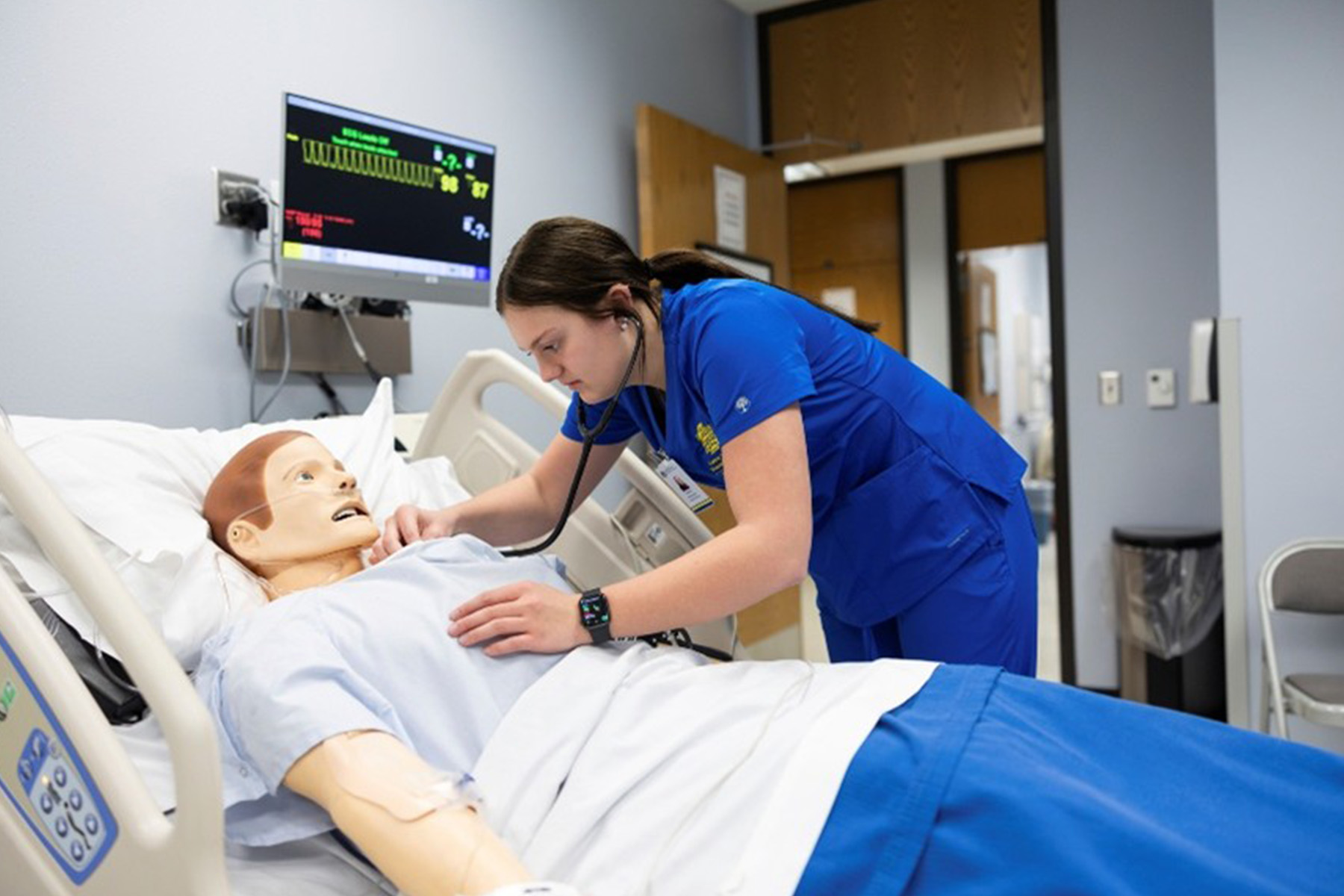
Obstetric simulation gives you a way to see clinical judgment in action. As scenarios unfold, learners can demonstrate competence through the decisions they make and how they explain their reasoning. They can show competence in their response to low-frequency, high-acuity emergencies like postpartum hemorrhage and shoulder dystocia.
Assessment becomes more meaningful when you observe clinical judgment across multiple experiences. Over time, you can see whether a learner’s reasoning becomes more consistent and reliable, giving you greater confidence in progression decisions.
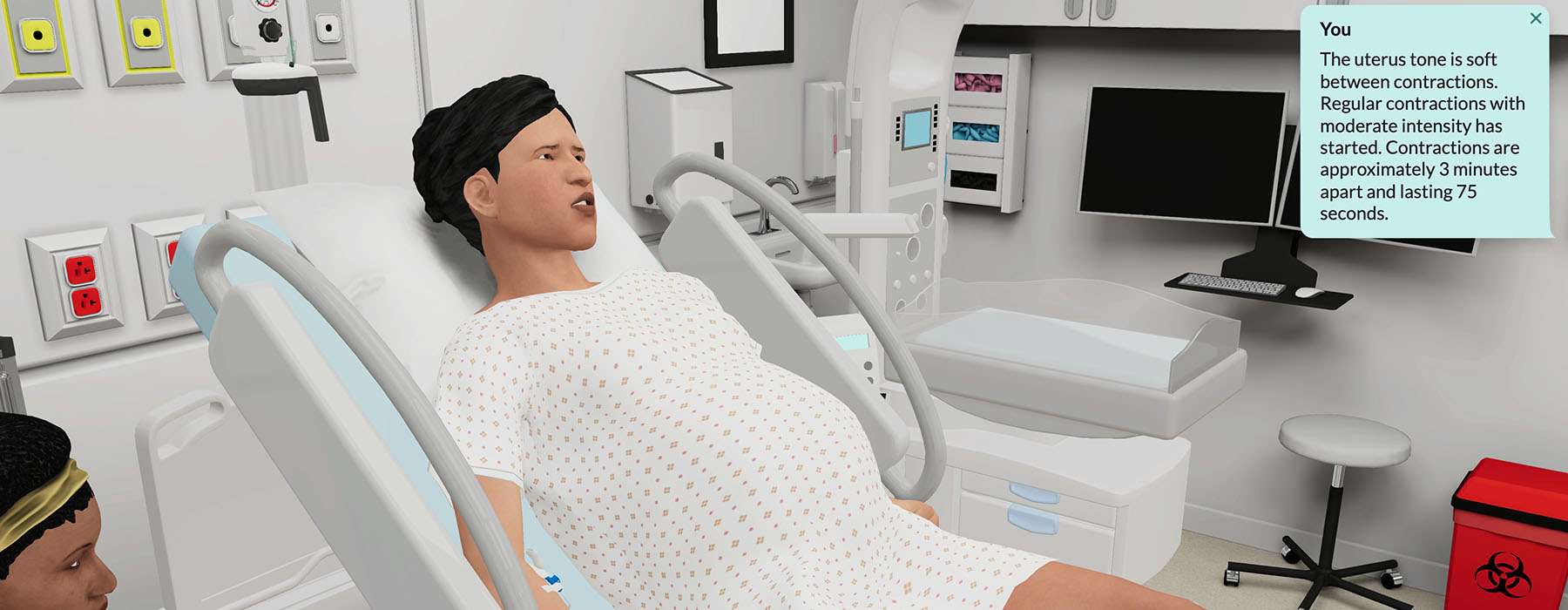
Use a scaffolded approach to build and assess clinical judgment over time. Start with NextGen vSim® for Nursing | Maternity, which includes built-in clinical judgment exercises to support development.
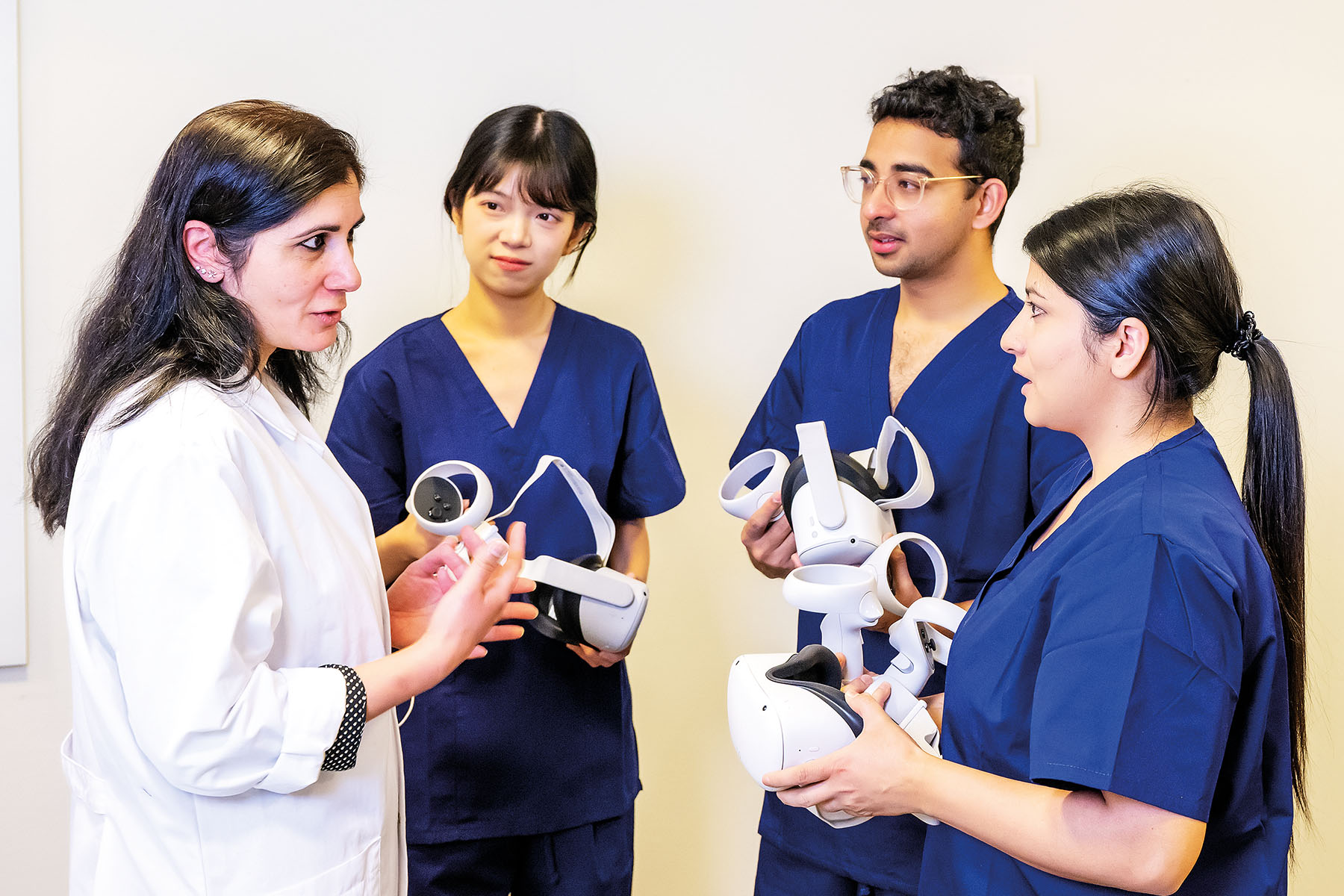
Add vrClinicals for Nursing to increase complexity by adding prioritization and decision‑making in immersive, multi‑patient scenarios.
Provide opportunities for deliberate practice with a task trainer like MamaBirthie, which allows for training on essential birthing maneuvers.
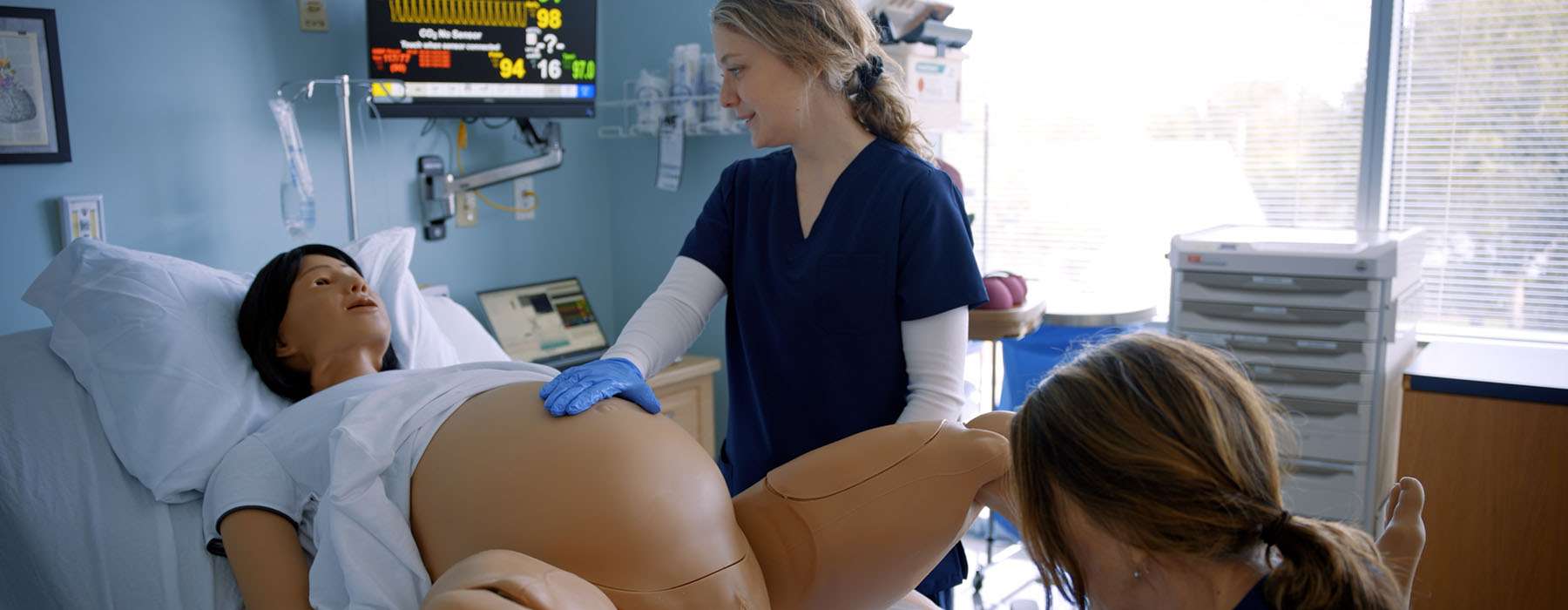
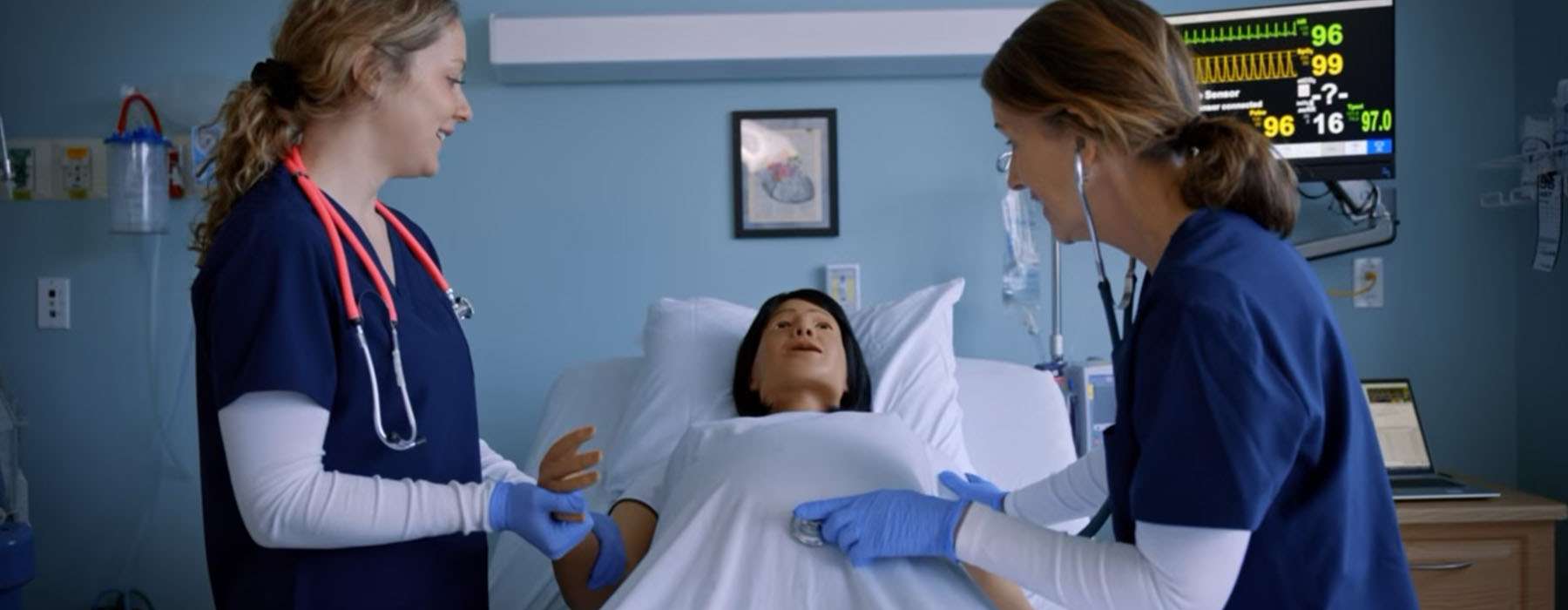
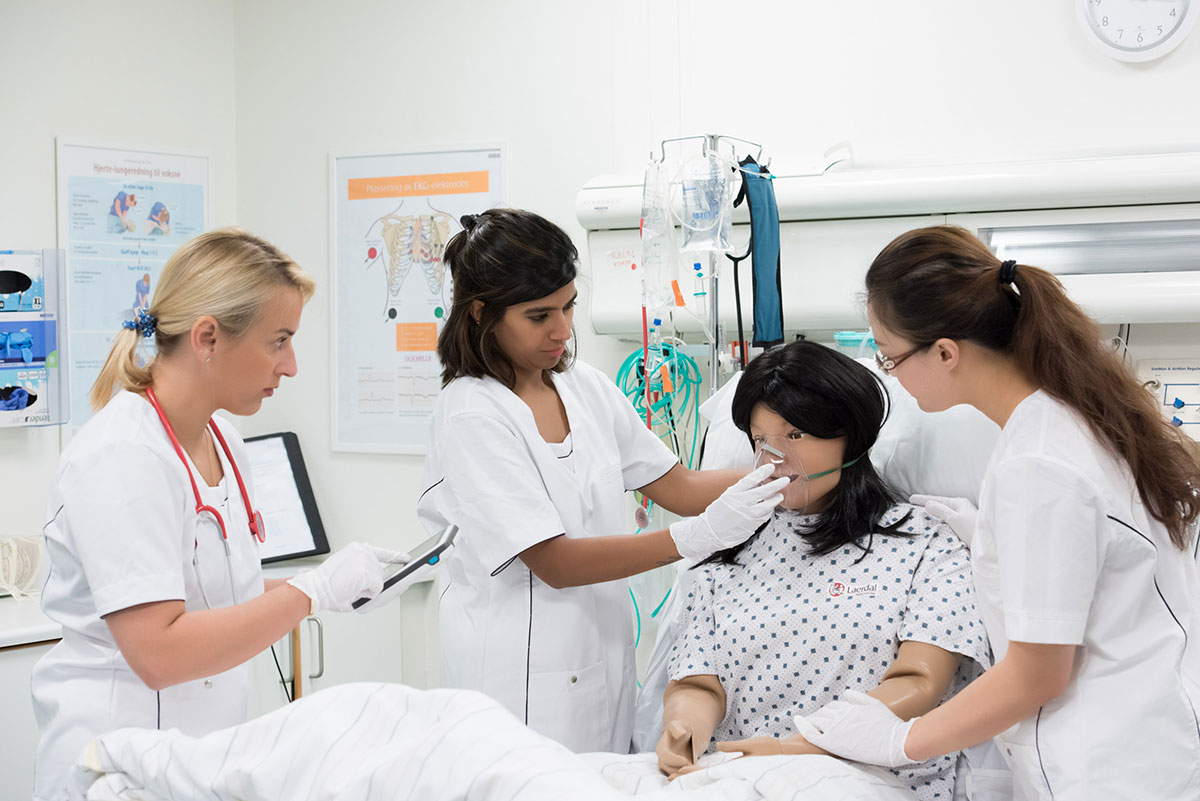
Then move into hands‑on obstetric simulation with MamaAnne®, where learners respond to evolving maternal conditions in real time.
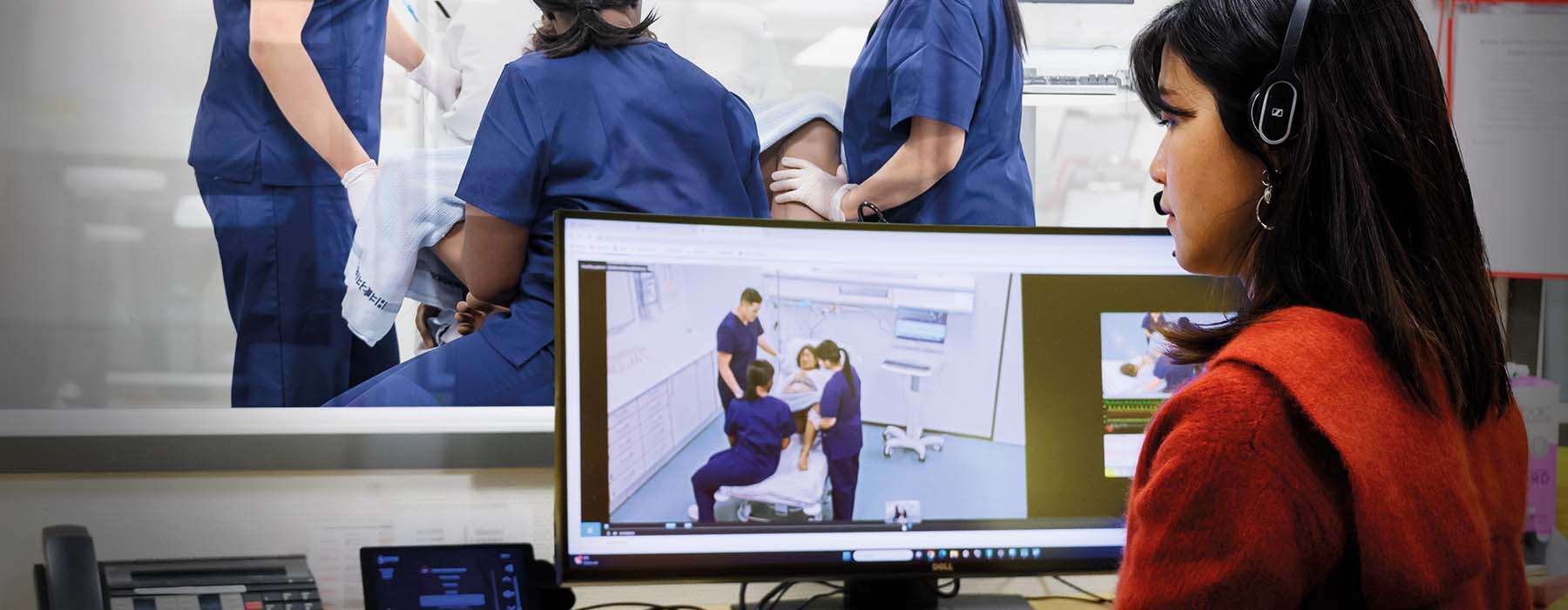
Finally, use a simulation management system like SimCapture to record in‑person scenarios, support debriefing with video, and track performance longitudinally as part of your competency‑based assessment approach.
Competency‑based assessment depends on repeated, observable performance over time. This requires simulation experiences that are not only realistic, but practical to run consistently within real program constraints.
High‑fidelity birthing simulators are often under‑utilized because of technical challenges and time‑intensive setup. MamaAnne’s belly‑latch system, accessible fluid reservoirs, limb connectors, and Automatic Delivery System (ADS) loading mechanism help reduce setup time and faculty burden, making it easier to run back‑to‑back simulations or stay within tight time windows.
This efficiency supports more frequent observation and more reliable assessment across learners and cohorts.

Effective communication is essential in maternal care. Learners need to feel confident in explaining what's happening, responding to discomfort, acknowledging concerns, and remaining present during emotionally charged moments.
Obstetric simulation allows you to observe communication as it naturally occurs during care delivery. You can see how learners adjust language, tone, and presence as the situation unfolds rather than evaluating communication in isolation.
When communication is observed across repeated scenarios, assessment shifts from judging a single interaction to understanding how consistently learners communicate effectively over time.
Use hybrid simulation to create realistic opportunities for therapeutic communication by combining a wearable birthing trainer with a standardized patient. With MamaBirthie, require learners to explain procedures, address patient concerns, and maintain respectful dialogue as labor progresses and conditions change.
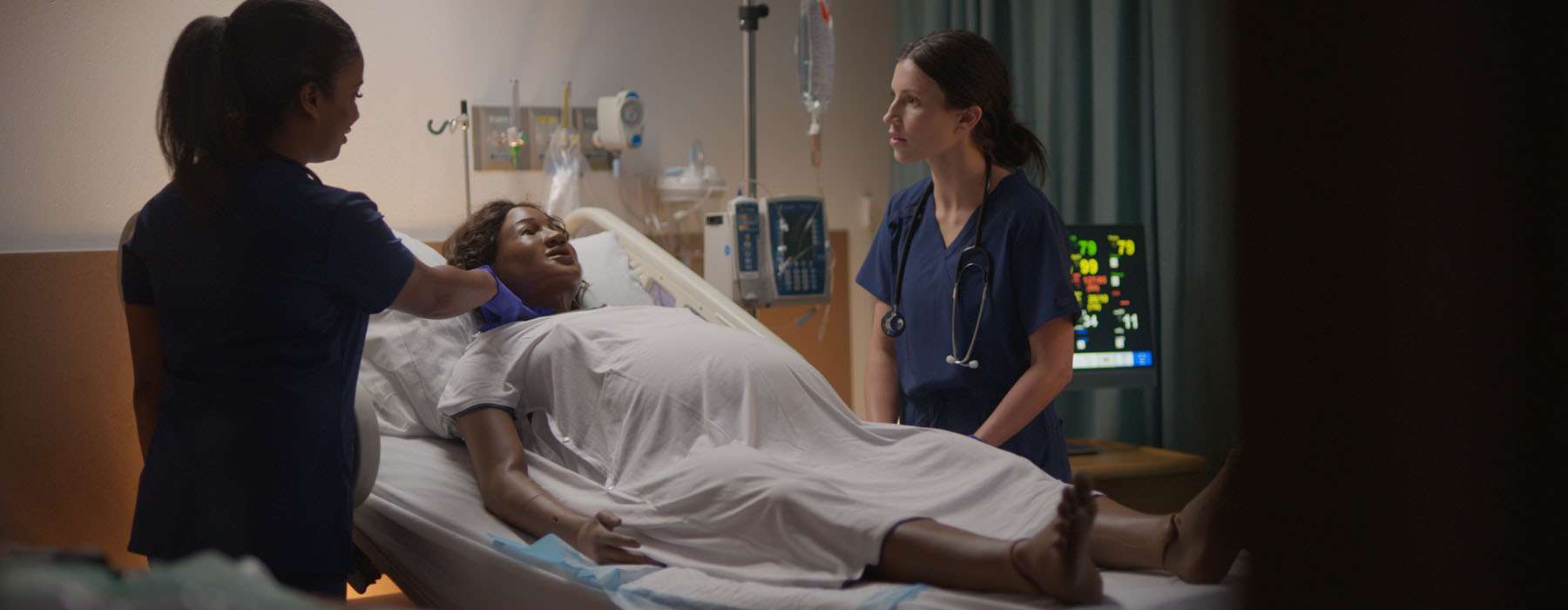
Use MamaAnne to create obstetric simulation scenarios that challenge learners to communicate effectively with the patient throughout evolving clinical situations.
Capture these interactions with a simulation video recording system like SimCapture so learners can review key moments during debriefing. The footage supports clear, behavior‑based feedback grounded in observable communication and clinical performance.
Maternal care is delivered by teams, and competence includes how learners function within those teams. Learners should demonstrate clear information‑sharing, role clarity, coordinated action, and responsiveness to others as conditions change.
Obstetric simulation makes collaboration visible. You can observe how learners contribute to shared understanding and how they coordinate under pressure while keeping the patient at the center of care.
Repeated observation across scenarios helps you assess collaboration more consistently and establish clearer expectations across learners and cohorts.
Design team‑based obstetric simulation scenarios using MamaAnne that require coordination and shared decision‑making. Use SimCapture to record the scenarios so teamwork behaviors can be reviewed objectively during debriefing and assessed consistently over time.
SimCapture organizes and simplifies assessment data to help you into actionable insights that can help you track learner progress, spot individual and cohort-level trends, and more.

Competent maternal care requires awareness of context. You want learners to recognize how social, cultural, and situational factors shape patient experience and influence care decisions.
Obstetric simulation allows you to embed context directly into scenarios. Learners demonstrate competence by how they adapt communication and care while maintaining focus on patient safety and clinical priorities.
Assessing context‑aware care over time helps you see whether learners apply this awareness consistently across different situations rather than only when prompted.
Use MamaAnne to run obstetric simulation scenarios that incorporate patient preferences, situational stressors, or environmental constraints. For example, this expert-validated postpartum hemorrhage scenario from Laerdal Scenario Cloud requires context‑aware care by allowing learners to practice quickly adapting clinical decisions, communication, and teamwork to a patient’s evolving condition, labor history, and language needs.
Capture performance with SimCapture so you can compare how learners respond across multiple scenarios and track development longitudinally.

Quality and safety in maternal care are shaped by the systems in which clinicians work. Learners should recognize system‑level risks, follow evidence‑based strategies, and follow standardized processes that support reliable care as conditions change.
Obstetric simulation makes these behaviors observable. You can see how learners interact with protocols, escalation pathways, and team workflows. Assess how they adapt processes to individual patient needs, and how effectively the system supports safe decision‑making as scenarios evolve.
Observing how learners engage with quality and safety systems over time helps you evaluate readiness to function reliably within maternal care systems and to contribute to ongoing quality improvement.
Use MamaAnne to design obstetric simulation scenarios that challenge students to reflect on how care systems support safe practice, including the use of protocols, escalation pathways, and standardized workflows.
Record scenarios with SimCapture so you can review how learners advocate for patient safety over time. Embedding quality and safety gaps or system errors within simulation can help student develop those competencies that students will need as they enter our healthcare systems.

Competency‑based assessment focuses on what learners can do with what they know. It uses observable behaviors across repeated simulation experiences rather than a single evaluation. These repeated experiences across the curriculum provide opportunities for deliberate practice and feedback, supporting learner progression towards skills mastery.
Competence develops gradually. Observing learners across multiple scenarios provides a clearer picture of growth, readiness, and reliability.
Virtual simulations such as NextGen vSim® for Nursing | Maternity and vrClinicals for Nursing provide early opportunities for learners to demonstrate performance before hands‑on obstetric simulation. These solutions allow learners to “walk before they run.”
Video creates an objective record of performance. Tools like SimCapture support debriefing, learner reflection, and consistent assessment over time.
Obstetric simulation can support assessment of competencies including clinical judgment, therapeutic communication, teamwork, context‑aware care, and quality and safety through observable performance over time.