Meteen naar de inhoud

How Dominican University Is Improving CPR Competency in Nursing Students

At Dominican University, faculty recognized a gap between CPR certification and real-world performance. By introducing repeated, hands-on practice with real-time feedback, they are helping students build the verified competence and confidence needed to act in critical moments. 

The challenge: students had certification, but not consistent confidence

Nursing students at Dominican University entered the program with CPR certification. As faculty evaluated performance in simulation, they saw the same challenge documented across healthcare education: CPR skills and confidence can decline without regular practice.

“We had variable confidence in our students who practiced CPR infrequently,” shares Dr. William Zic, Associate Professor of Nursing at Dominican University.

The variability stood out, especially given how critical CPR performance is in real patient situations.

The root of the issue came down to how students were maintaining CPR skills. Traditional certification cycles left long gaps between practice. Students lacked repetition, feedback, and the opportunity to build confidence over time. 


"The evidence suggests that—and our experience suggests that—it's not enough to have a two-year cycle for high-quality CPR performance when it truly matters."

William Zic, DNP, MSN, RN

Associate Professor of Nursing at Dominican University 


“We had multiple times where we would do a simulation…and I saw this opportunity,” adds Maureen Emlund, MSN, RN, Director of the Clinical Simulation Education Center at Dominican University.  

The solution: building repetition into the learning experience

Dr. Zic and Maureen introduced a low-dose, high-frequency approach to CPR training on a quarterly basis using the Resuscitation Quality Improvement® (RQI®) program.  

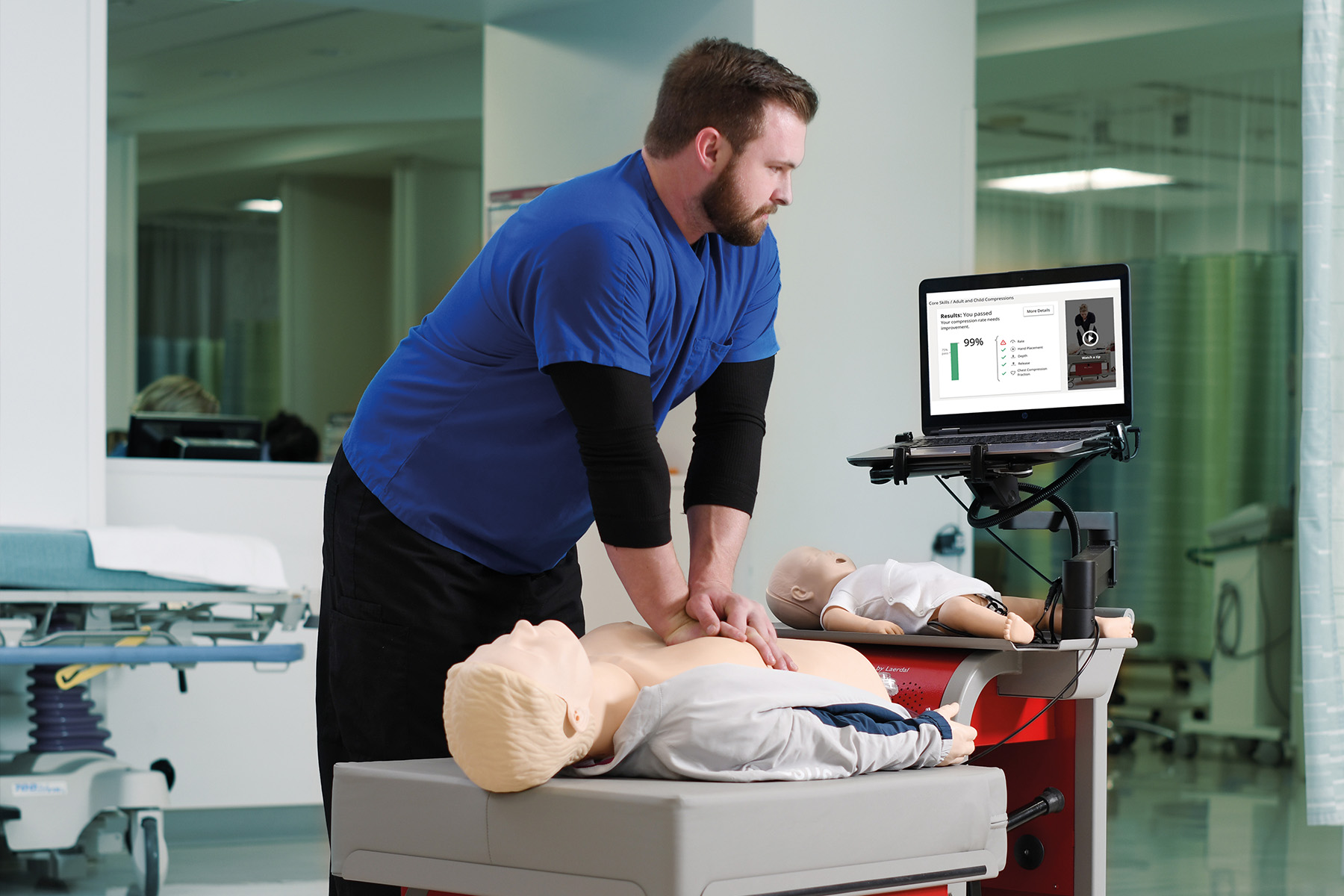
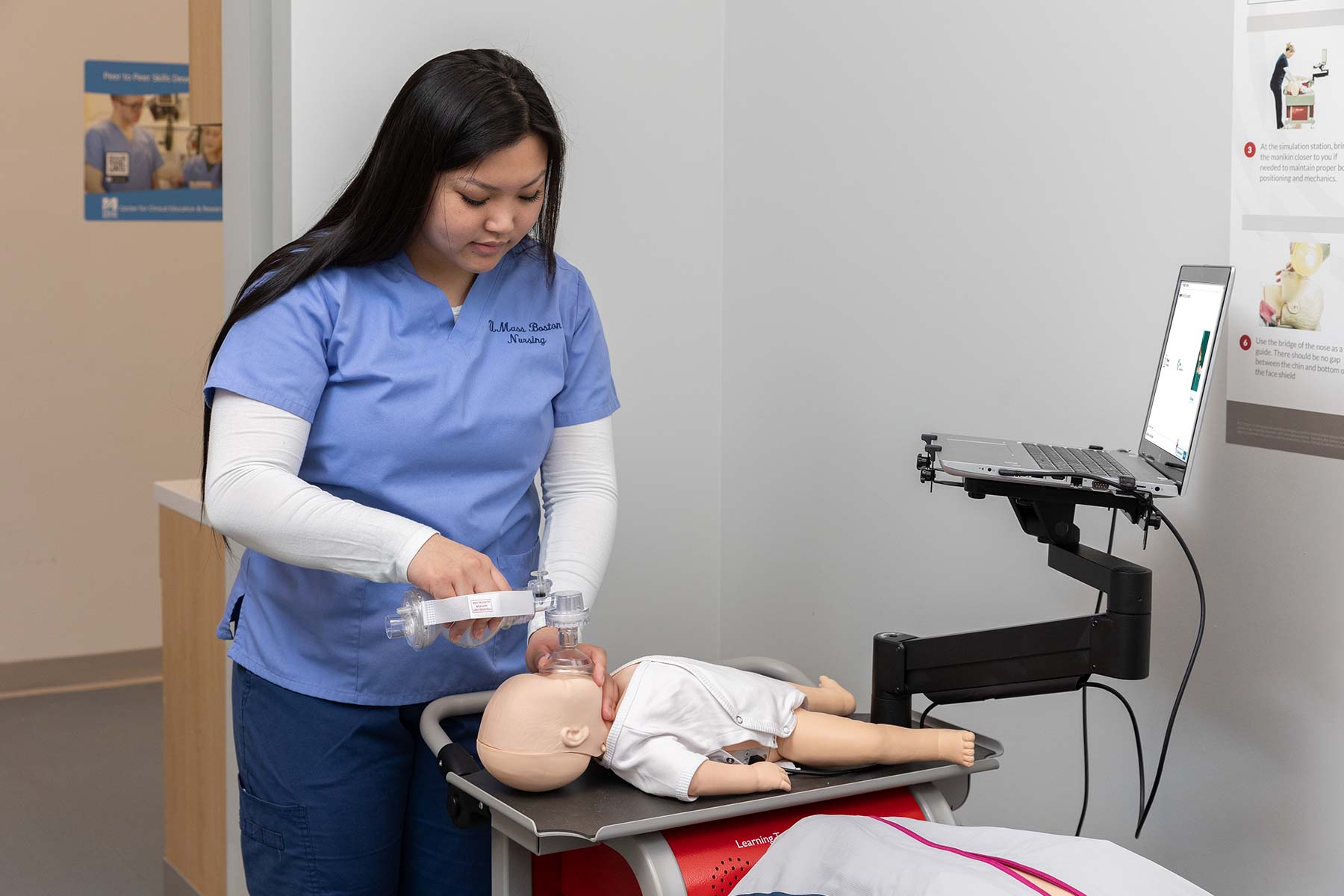
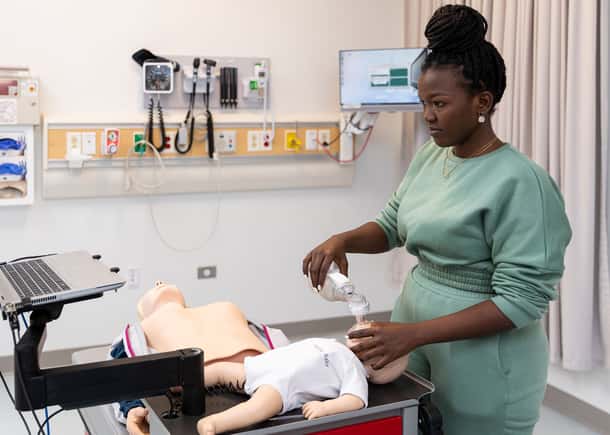
Instead of relying on a one-time certification, students return to CPR training multiple times throughout the program. Each session combines a short online cognitive module followed by a focused, hands-on practice experience on a RQI Simulation Station equipped with adult and infant manikins.

“It takes between 45 to 60 minutes to do the RQI BLS eLearning cognitive assessment activities,” Maureen says. “And then I have them sign up for hands-on time with the manikin. That normally takes them 10 to 20 minutes to complete.”

To make the model sustainable, the team embedded the RQI programs directly into the curriculum. Student’s complete sessions within their medical-surgical and pediatric courses, returning to the Simulation Station on a predictable schedule every three months. This integration made the training part of the learning pathway rather than an add-on.  

The RQI programs’ low-dose, high-frequency structure is what we used to reinforce our competency development from a smaller, repeated practice with immediate feedback,” Dr. Zic explains.  

Over time, that structure began to change how students approached practice.

“By far, I have to say that the biggest shift that we saw was the real-time feedback,” says Dr. Zic. “It turns practice into targeted coaching. Instead of repeating CPR the exact same way…they would come in instead with a very clear and specific goal to adjust their rate, or to adjust their compressions,” Dr. Zic says. 
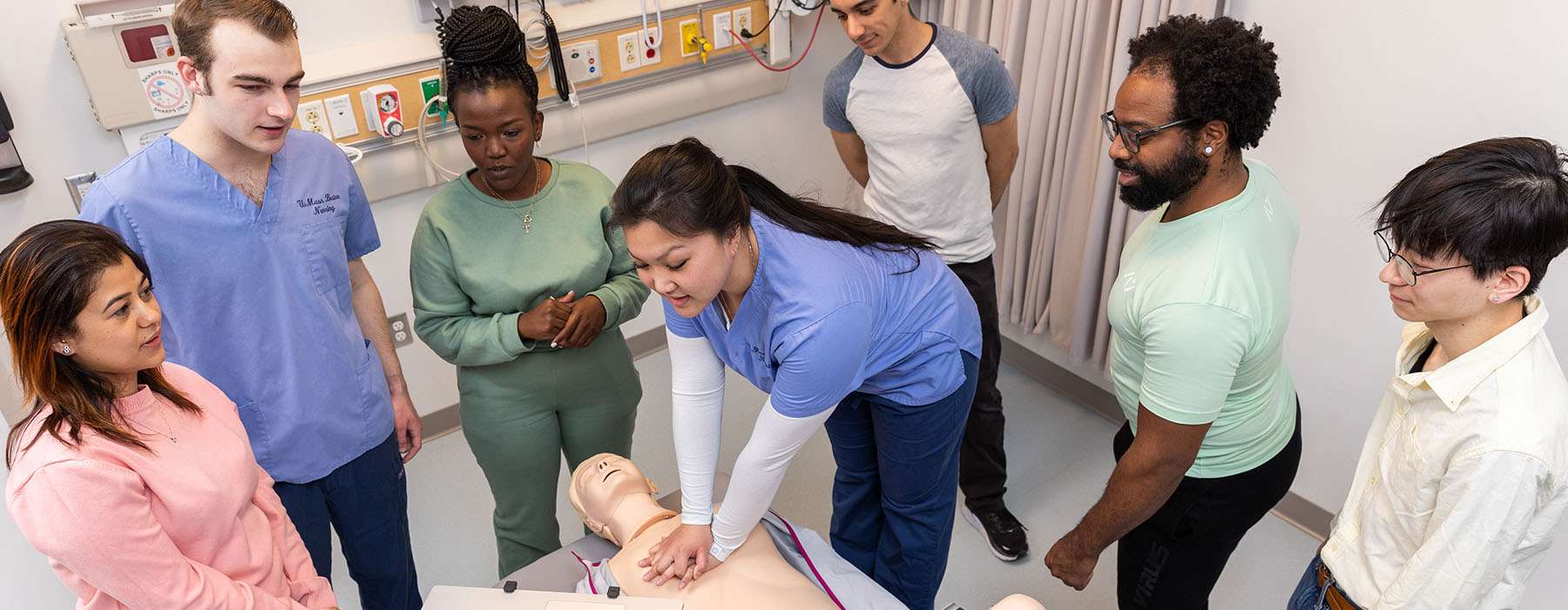
A team watching as a healthcare worker performs CPR on a baby manikin.

The results: students become more confident, capable, and ready to act

As students moved through repeated sessions, both faculty and students began to see clear changes.

Confidence improved first. “They all reported that they felt more confident after doing CPR training more than once,” Maureen says.  

At the same time, students began to understand the physical demands of CPR in a way they hadn’t before. “The students said they didn’t know how hard it was to compress,” Maureen says. “They struggled on the baseline compressions and bag mask ventilations, but were successful after learning how to do it through repeated practice,” she added.

They also began to see measurable improvements in technique. 


"We compared baseline performance levels to the performance after the RQI programs real-time feedback was provided, and it was very clear that that feedback tremendously helped students to correct that technique."

William Zic, DNP, MSN, RN


Research in practice


Alongside what Dr. Zic and Maureen observed in the simulation center, they also studied this approach within their program and have published the findings in Teaching and Learning in Nursing.


Their research focused on how repeated, low-dose, high-frequency CPR practice impacts student performance and confidence over time. The findings reinforced what faculty were already seeing in practice. 


“Integrating the RQI programs into an undergraduate nursing curriculum resulted in significant gains in both CPR competence and student confidence.”Teaching and Learning in Nursing


View the published research in Teaching and Learning in Nursing 


Student behavior also shifted with repeated practice. “Doing the programs more than once…you saw the difference,” Maureen says. “They asked to do it when they didn’t even have to do it,” she shares. Students weren’t just completing training. They were engaging in it.

Student confidence even carried into the clinical setting. “I did hear that they’ve been in experiences where they were able to do compressions and they felt confident,” Maureen shares. 

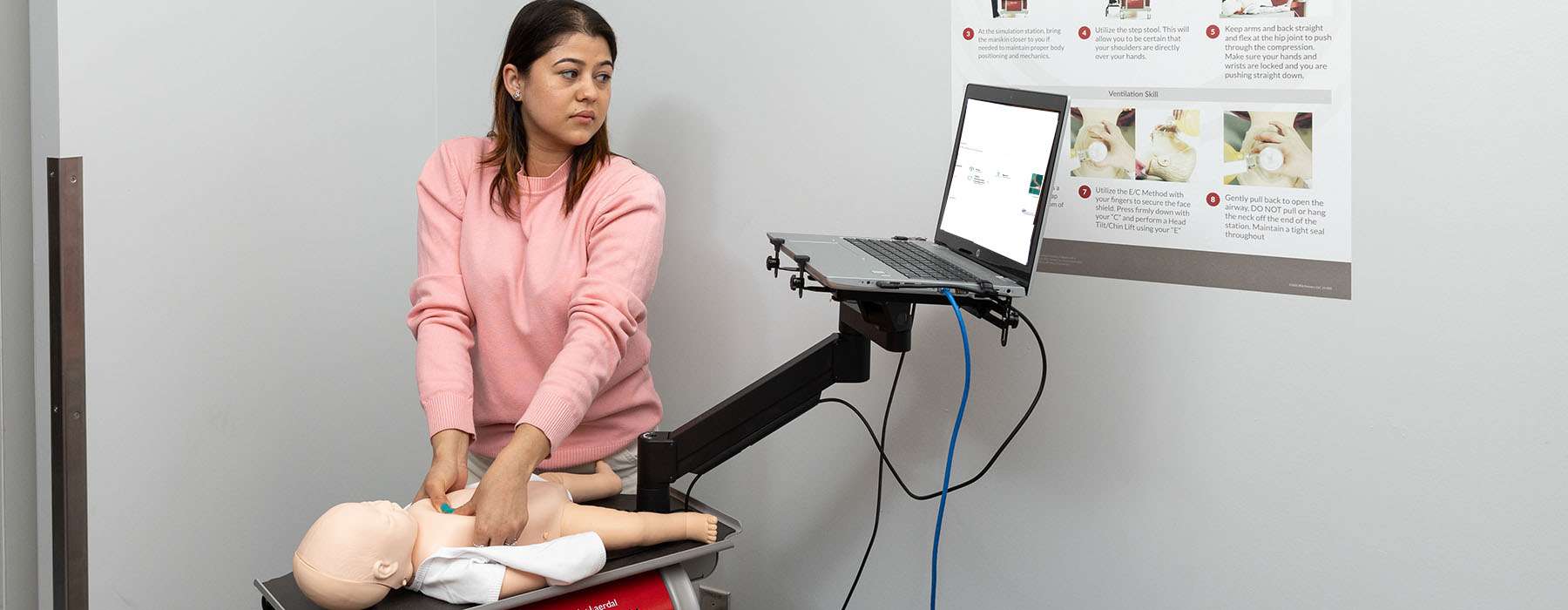
A woman practicing CPR on a baby manikin

Moving closer to practice-ready graduates

For Dominican University, the goal is straightforward. Students should not just know what to do in a critical moment. They should feel ready to do it.

By integrating repeated, feedback-driven practice into the curriculum with the RQI programs, students are given the opportunity to build that readiness over time.

My key takeaway is that if you want CPR competency and confidence and not just certification, then consider incorporating repeated practice with objective feedback into your curriculum,” Dr. Zic suggests. 


"Low-dose, high-frequency training aligns beautifully, remarkably, with any competency-based program or educational offering. It’s measurable, it’s repeatable, and it’s focused on closing specific performance gaps over time."

William Zic, DNP, MSN, RN


Key takeaways


  • CPR certification alone does not ensure competence in clinical situations.

  • Skills improve when students practice repeatedly over time.

  • Real-time feedback helps students correct technique in the moment.

  • Embedding CPR practice into the curriculum makes training sustainable.

  • Repetition builds both verified competence and confidence in nursing students. 

Frequently asked questions: Improving CPR competency in nursing education 

How can nursing programs improve CPR competency in students?

Nursing programs can improve CPR competency by introducing repeated, hands-on practice with real-time feedback instead of relying on one-time certification. 

Why is CPR certification alone not enough?

Certification confirms knowledge at one point in time, but skills decline without practice. Students need repeated opportunities to apply and refine their technique. 

What is a low-dose, high-frequency CPR training model?

A low-dose, high-frequency model, such as RQI, uses short, focused training sessions repeated on a regular schedule, such as quarterly, to reinforce skills and build long-term competency. 

How can CPR training be integrated into a nursing curriculum?

At Dominican University, CPR training was embedded into medical-surgical and pediatric courses, with students returning to the RQI Simulation Station every three months as part of their coursework. 

Does repeated practice improve student confidence?

Yes. Students reported feeling more confident after completing multiple training sessions and became more willing to participate during practice and clinical experiences. 

How do you know if a new CPR training approach is working?

At Dominican University, indicators included verified competence, improved technique, increased student confidence, more consistent performance over time, and greater student engagement in practice sessions. 

You may also like...

Contact us about Competency-based Education Solutions

We verwerken uw persoonlijke gegevens met zorg en zoals beschreven in Laerdal's Privacy Policy.

We verwerken uw persoonlijke gegevens met zorg en zoals beschreven in Laerdal's Privacy Policy.