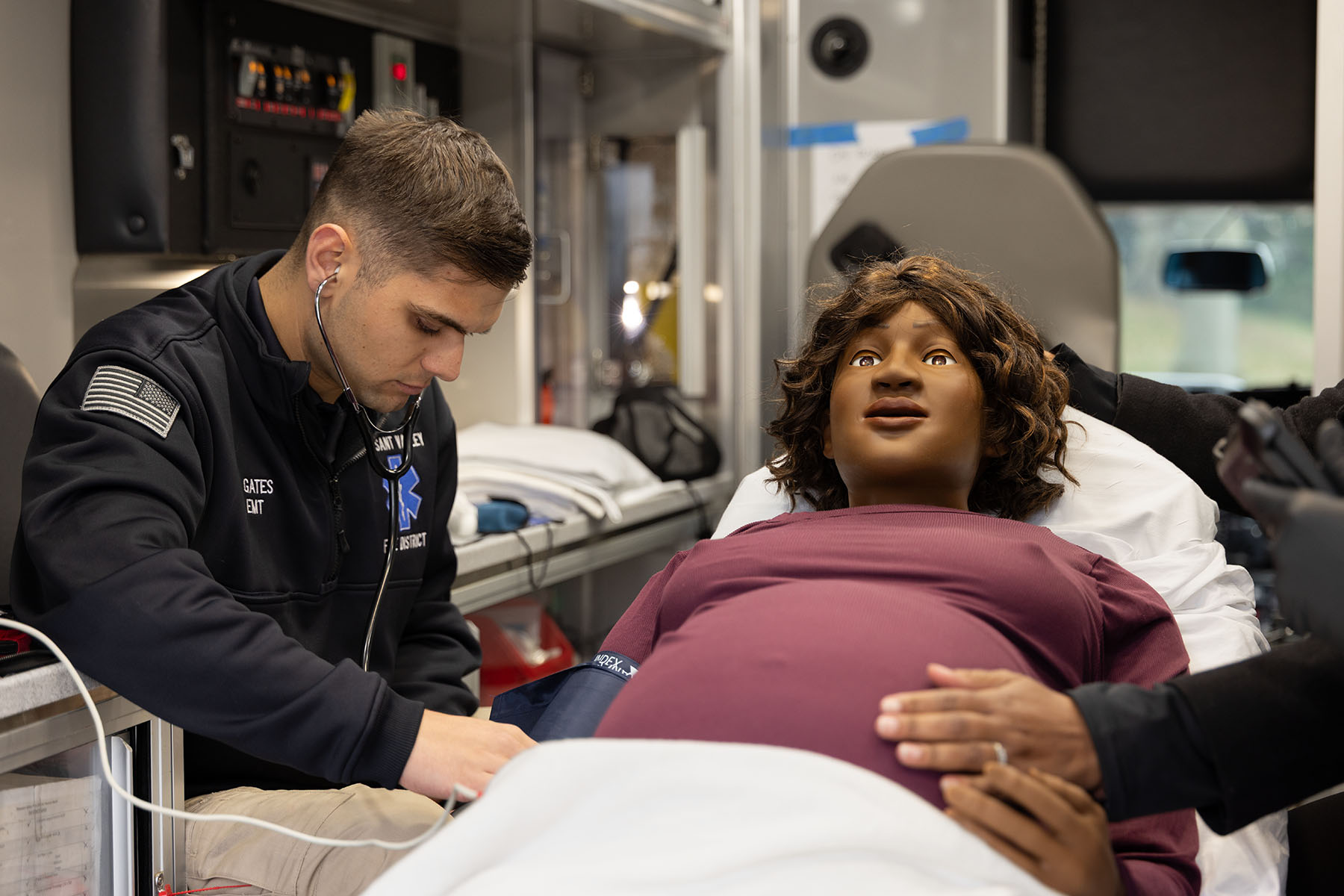
Why Obstetric Simulation Training Is Essential for EMS
Hear from Melissa Lawlor, CNM, FNP‑C, IBCLC, EMT, to discuss why simulation‑based training is critical for EMS teams managing obstetric and neonatal emergencies in the field.
Learn More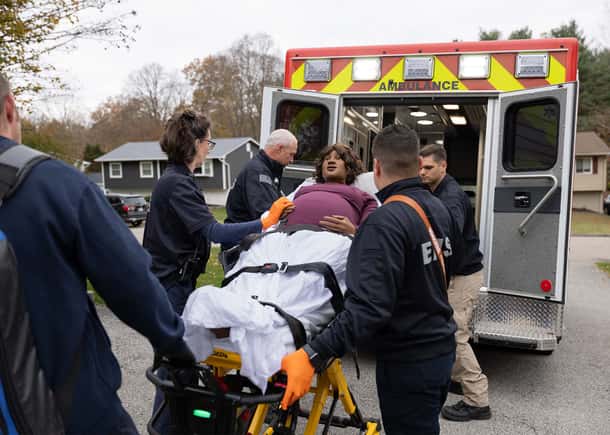
Simulation supports rural health transformation by strengthening workforce readiness, improving emergency response coordination, and increasing maternal care preparedness in low-volume environments.
"By investing in healthcare simulation, stakeholders can transform rural healthcare delivery, empowering healthcare professionals with the skills and confidence they need to provide exceptional care to those who need it most."1
Phillip Wortham, MBA, BA, CHSOS-A, FSSH
The Rural Health Transformation Program is supporting states in their initiatives to strengthen rural communities by improving healthcare access, quality, and outcomes.
Whether you're leading a rural hospital team or coordinating EMS response and transport in the field, the expectation is the same: deliver reliable, high-quality care across a wide range of situations, even when case volume is low.
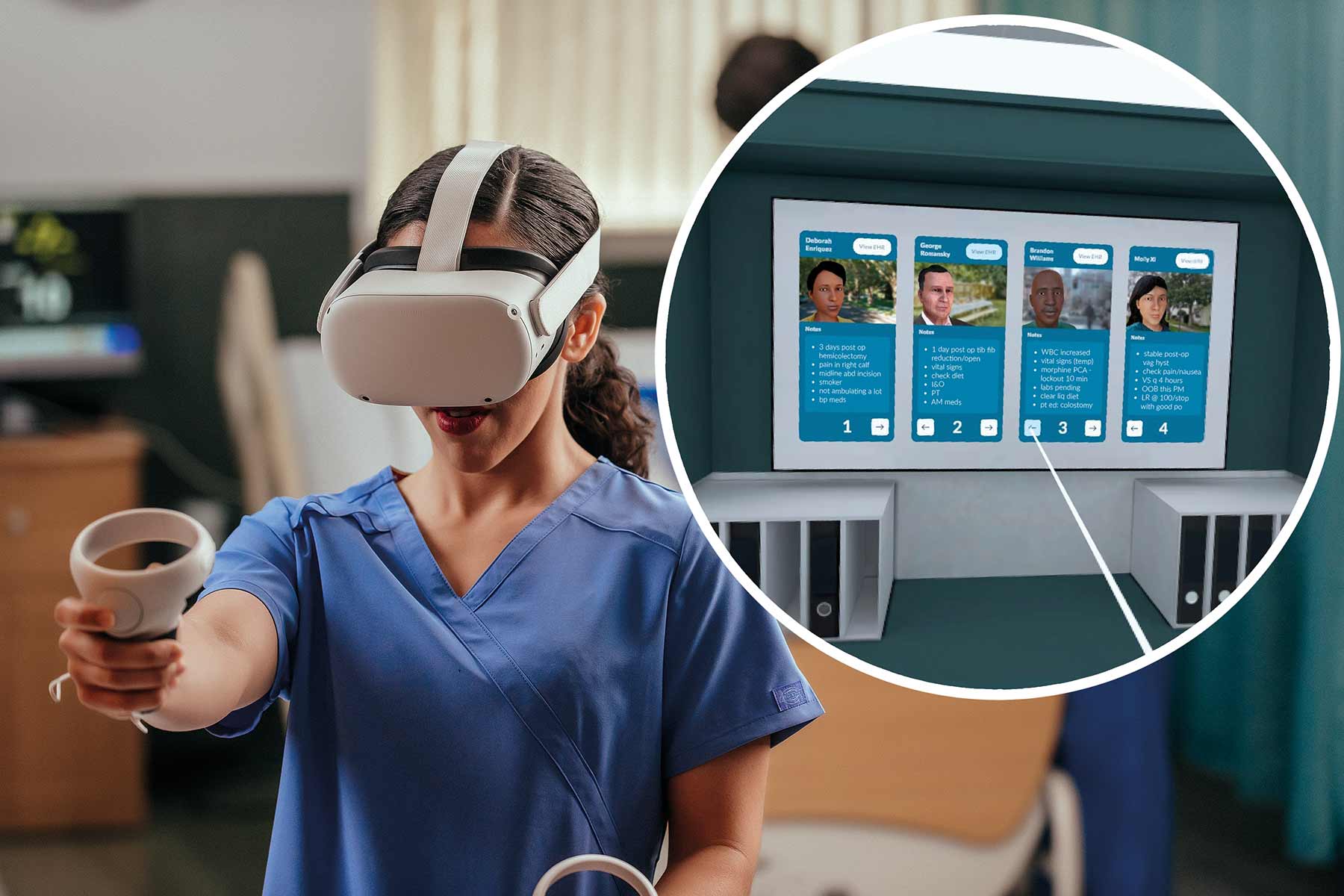
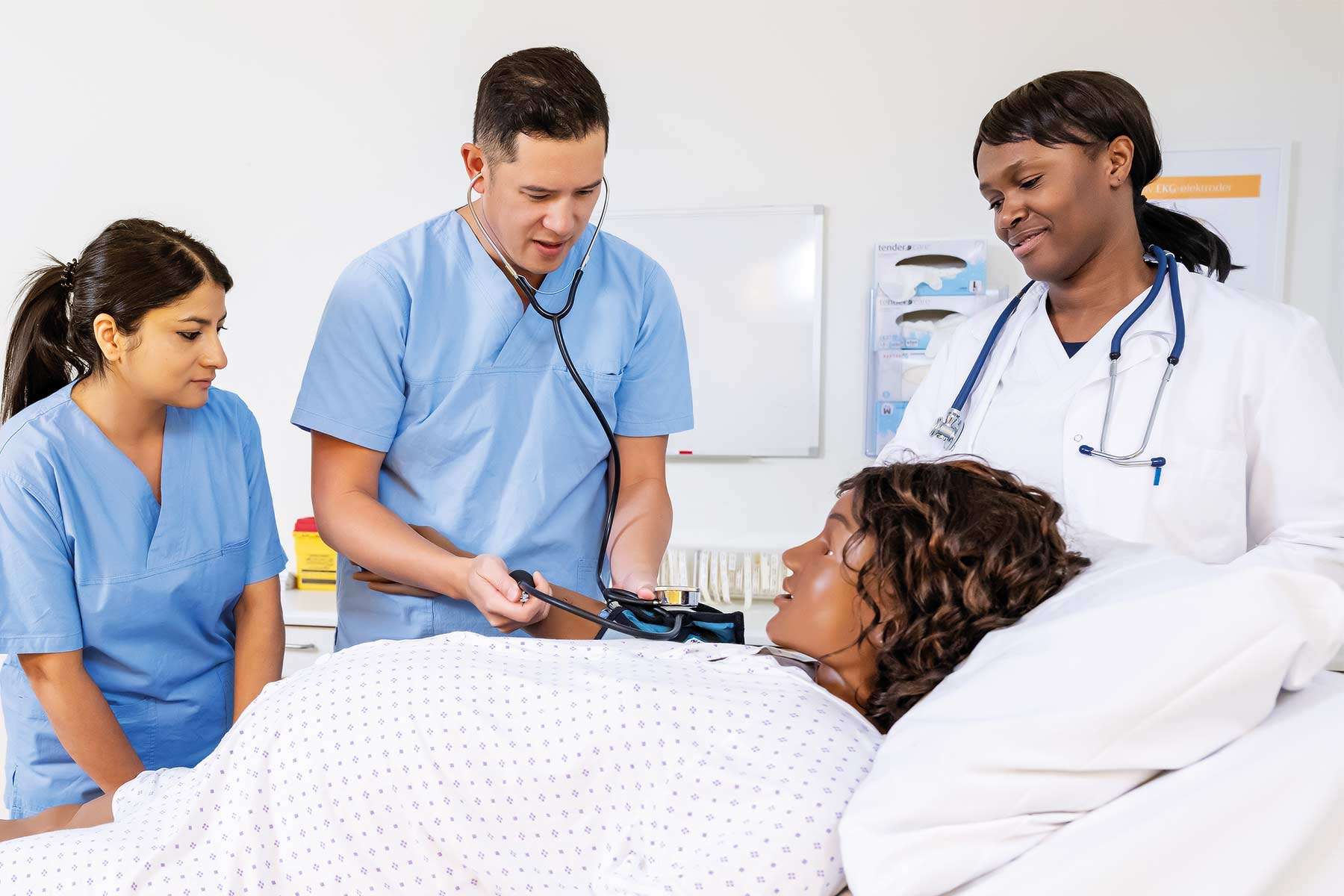
Patient simulation provides a safe, repeatable way to practice, assess, and improve both clinical performance and system-level care delivery using realistic scenarios—without posing any risk to patients.

Workforce development
EMS and emergency response
Maternal care readiness
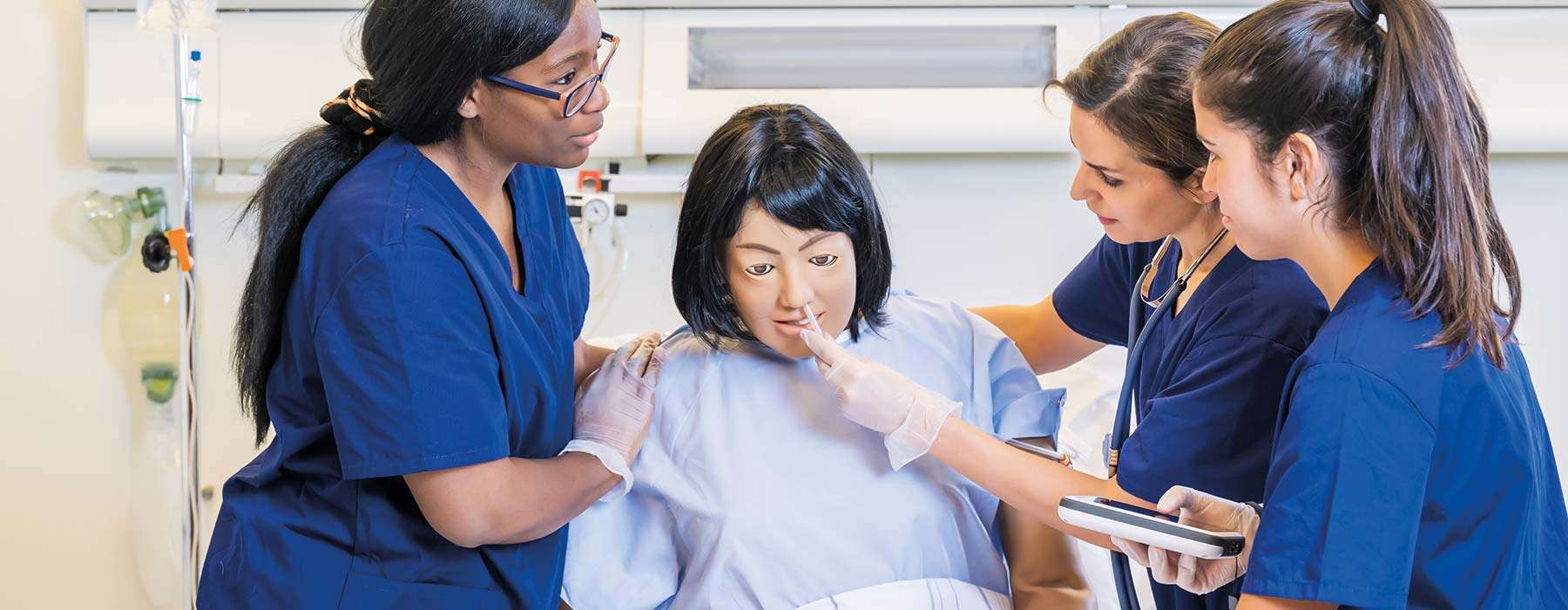
Workforce development is a central focus of the Rural Health Transformation Program, with all 50 states planning to utilize Rural Health Transformation funds for workforce development initiatives.3
Teams are expected to operate across a broader range of clinical scenarios, often with limited exposure to certain cases.
For hospitals, this often shows up in onboarding and maintaining clinical competency across nursing and interdisciplinary teams. For EMS, it may mean sustaining readiness for low-frequency, high-risk calls where consistent exposure is limited.
Common challenges include:
Simulation supports this by:
It also gives you visibility into readiness:
By building both capability and confidence, simulation supports smoother transitions into practice and a more stable workforce.
Your hospital is onboarding new nurses with varying experience levels and needs them ready to deliver consistent care as quickly as possible. At the same time, your team must maintain competency across a wide range of scenarios, even when exposure is limited.
Instead of relying only on preceptorship, you implement a structured pathway like Accelerate with OpusVi. This combines simulation with residency and preceptor training to standardize how readiness is built and assessed.
New hires move through scenario-based training aligned to real patient care situations, while educators use defined benchmarks to evaluate performance. This creates consistency across cohorts and provides visibility into where additional support is needed.
Over time, this approach helps reduce variability, strengthen confidence, and create a more consistent, measurable path into practice, while also easing the administrative burden on internal teams.
Related Reading
How Simulation Can Help Prepare New Nurse Graduates for Practice: A Guide for Residency Programs
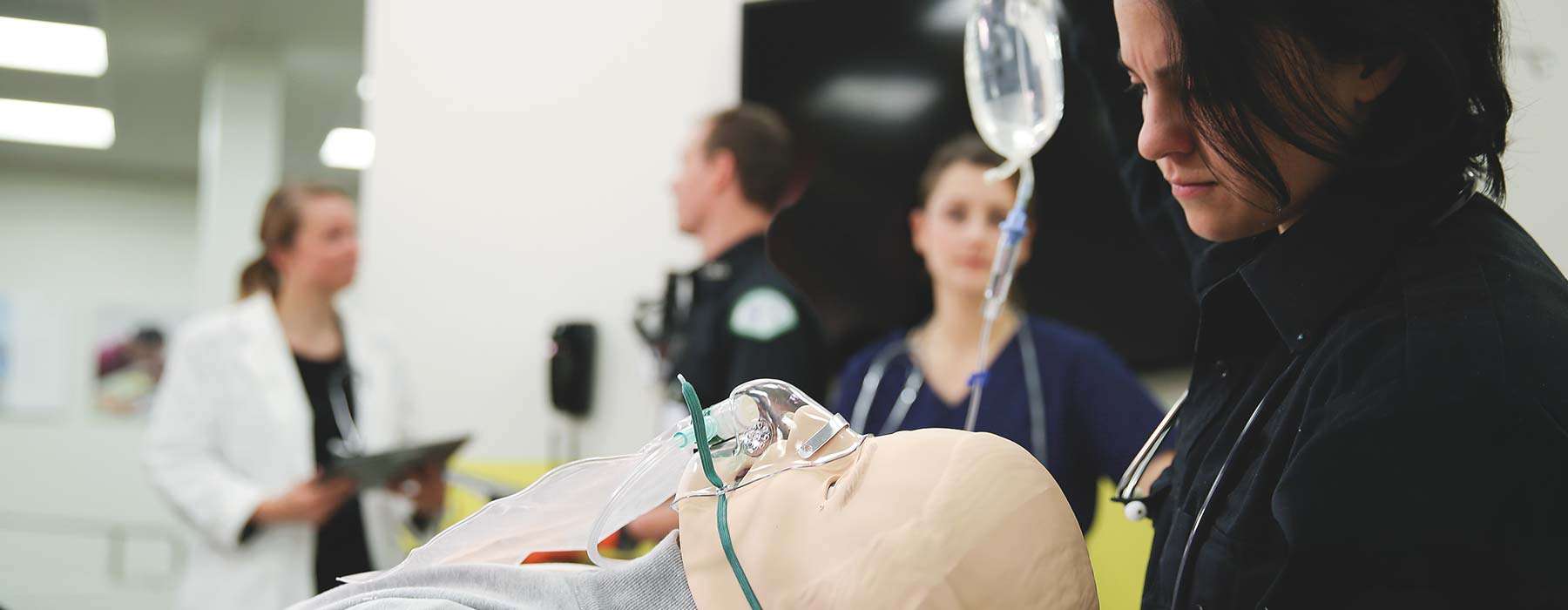
Emergency response is a key focus for many states, with increased investment in EMS modernization and system-wide coordination.
The challenge is not just individual training. It is ensuring teams across settings deliver timely, coordinated care.
This requires:
Simulation supports this by allowing you to evaluate care across teams and transitions.
With simulation, you can:
It also provides insight into system performance:
You bring EMS and ED teams together for a simulation of a low-frequency, high-acuity emergency like stroke or cardiac arrest. Using a high-fidelity simulator such as SimMan Critical Care, teams practice the full pathway from field response to hospital handoff. You run the simulation “in situ,” or in the actual environment where care is delivered, to get a realistic picture.
You record and review the simulation using a simulation recording system, like SimCapture. You identify inconsistencies in communication and delays in transfer of care. After targeted adjustments and repeated simulations, handoffs become faster and more consistent, supporting more coordinated emergency response.
Related Reading
3 Powerful Benefits of Interprofessional Cardiac Arrest Simulation Training
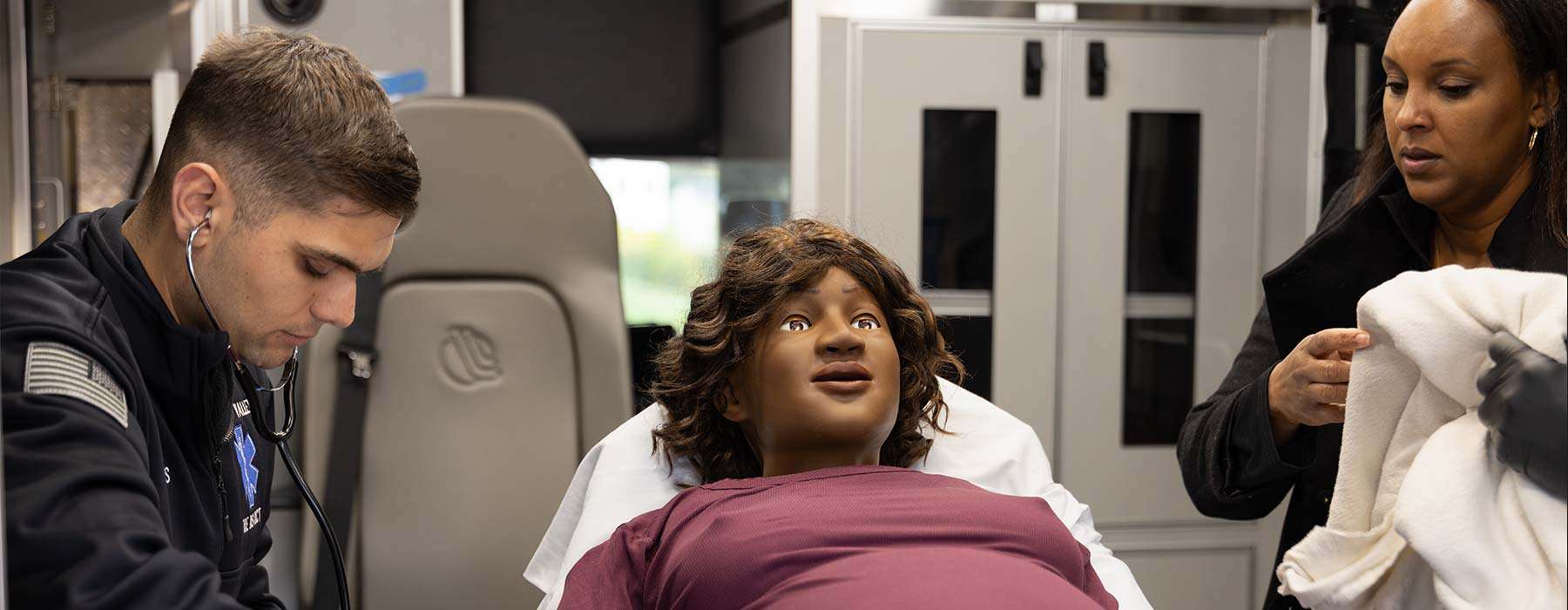
"Simulation is really important because obstetrics is a high-acuity event with low frequency. This is just not something [EMS sees] every day. And you need to be able to build the skill set if they don't see it that often."
Melissa Lawlor, CNM, FNP‑C, IBCLC, EMT

Maternal care remains a priority, especially in areas without consistent obstetric services.
For EMS, this often means being the first point of care during a maternal emergency. For hospitals, it means ensuring ED and inpatient teams can respond effectively even without dedicated obstetric units.
Key challenges:
Simulation supports this by enabling teams to:
It also helps evaluate readiness:
"We know that we need to be ready to respond as quickly and effectively as possible – but we don't have the actual events happen to practice it. Simulation gives you that safe place to practice it [and] learn how we need to do better on all of those high-risk, low-volume kinds of patient care emergencies that happen in every hospital – big or small."
Jeannie Eylar, MSN
Pullman Regional Hospital

Your EMS agency serves a rural community with limited access to obstetric care. You run in situ simulations involving EMS and ED teams to practice maternal emergencies across the care pathway.
Using a high-fidelity birthing simulator like MamaAnne, or wearable simulators like MamaBirthie and MamaNatalie, teams practice clinical interventions and coordination. With a simulation management system like SimCapture, you review performance to assess recognition, communication, and escalation.
After identifying delays and clarifying roles, repeated simulations lead to more coordinated and timely response.
Related Reading
Read how Pullman Hospital partnered with Laerdal to prepare their providers for low-frequency, high-acuity obstetric emergencies
Article: Ensuring EMS Readiness for Maternal Care Through Simulation
Our mission at Laerdal is to help save one million more lives, every year, by 2030. We pursue our mission by partnering with organizations like yours, supporting you with simulation and education tools to help prepare your providers be prepared to deliver optimal care in the communities they serve.
The program supports state-led initiatives to improve healthcare access, quality, and outcomes in rural communities, with a strong emphasis on workforce development, emergency response, and maternal care readiness.
Simulation provides scenario-based training that helps clinicians build and maintain skills across a wide range of situations. It supports onboarding, cross-training, and consistent performance evaluation, even when real-world exposure is limited.
Simulation allows EMS and hospital teams to practice time-sensitive scenarios together, align on protocols, and improve coordination. It helps identify communication gaps, delays, and inconsistencies across the care pathway.
Simulation enables teams to practice low-frequency, high-acuity events such as obstetric emergencies and neonatal resuscitation. It helps reinforce protocols, improve team coordination, and ensure readiness across EMS and hospital settings.
Simulation helps address challenges such as limited case exposure, skill variability across teams, inconsistent training, and gaps in coordination between care settings.
Simulation provides structured opportunities to assess whether clinicians are meeting skill standards, identify gaps in performance, and track improvement over time.
In situ simulation takes place in the actual care environment. It provides a more realistic view of team performance, workflows, and system-level challenges, helping identify issues that may not appear in classroom training.