Strategies for Simulation Success
Some of the key strategies the experts discussed include:
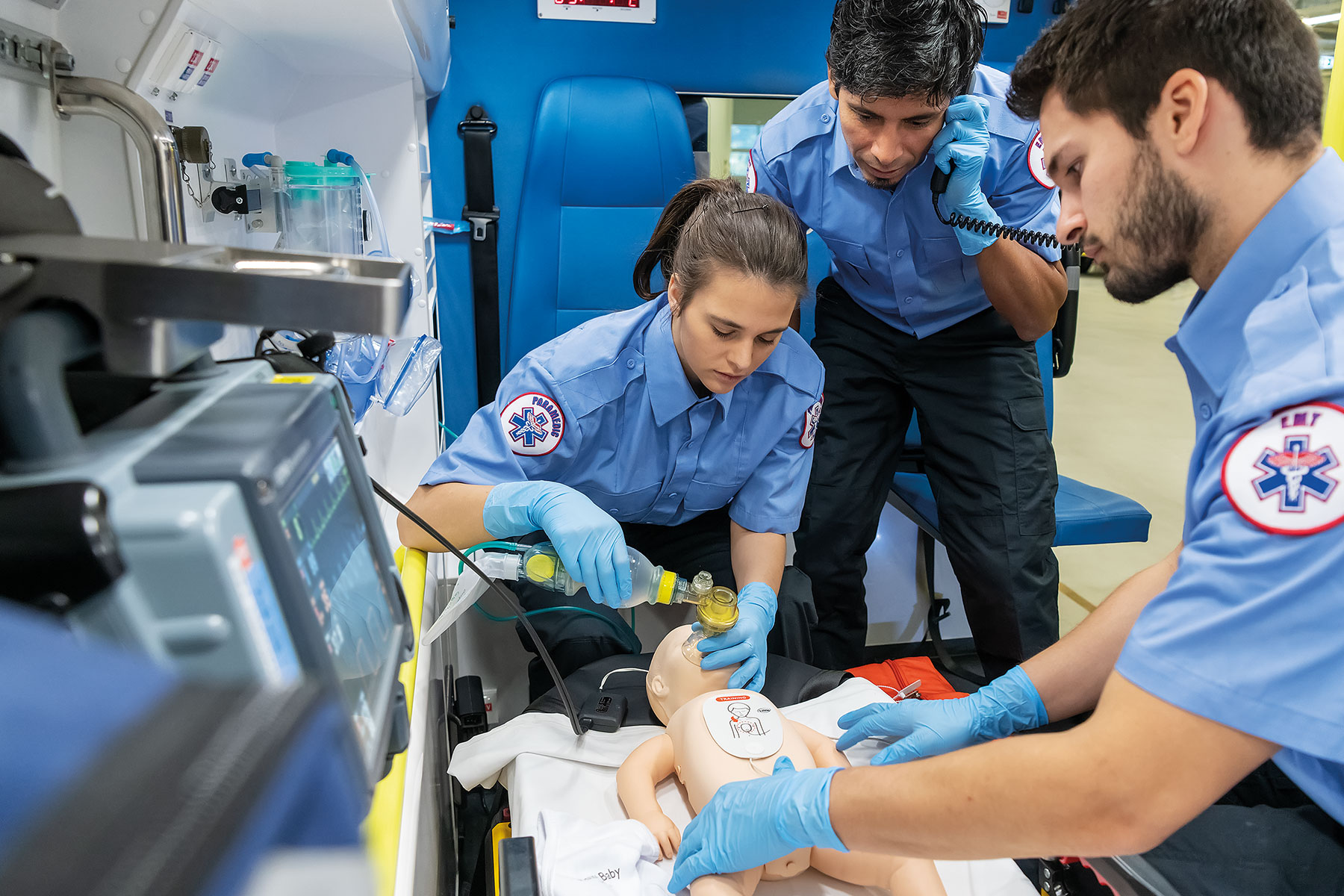
Contextualize your training. Training must move away from the hospital setting and recreate the realities of the field. “Stop training like you were taught, which is the hospital setting. Start training in the bathroom, out in the cars, things like that. Small shifts,” Dr. Travis advised.
Laerdal tip: You may want to consider recording your simulations using a portable recording system designed for in situ training, like the SimCapture Mobile App. Reviewing the recording during debriefing will give medics a “view of themselves from the outside,” providing rich opportunities for self-reflection.
Strive for real-life chaos. “We’re giving them the tub births [in our training],” Melissa said. “We’re giving them the closet births. The full monty of a hemorrhage or a shoulder dystocia with a baby who’s not breathing right – and they’re working through all of this with the commotion in the background. [This] is how we should be training.”
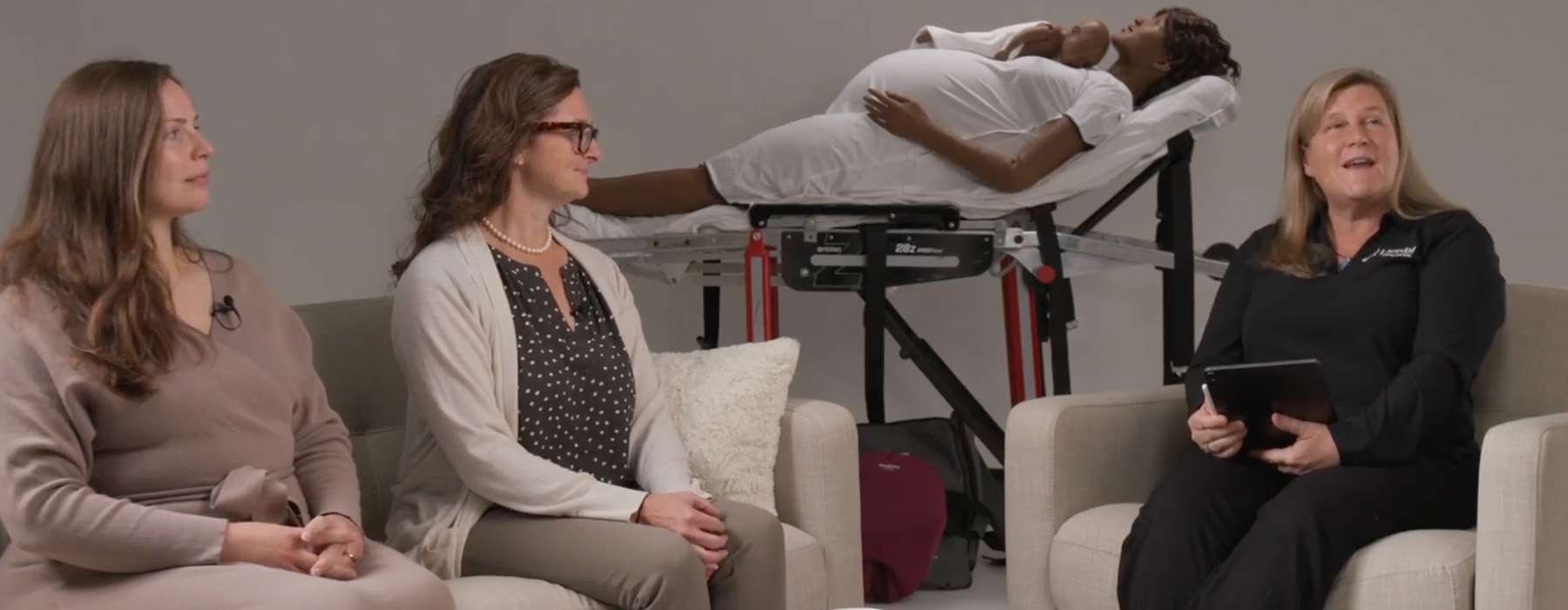
Laerdal tip: Maximize realism with a maternal and birthing simulator like MamaAnne. From realistic contractions to postpartum hemorrhage management, this high-fidelity simulator can immerse medics in true-to-life scenarios. If you’re on a budget, a trainer like MamaBirthie allows for training on essential birth maneuvers and respectful communication.
Train frequently. “It’s drills. It’s practice,” advised Melissa. “It’s like CPR. When you drill it down and you’re practicing it, it becomes rote memory in a way.”
Laerdal tip: Competence is achieved through frequent practice and assessment of learning. A simulation management system like SimCapture for EMS Training can help you collect, monitor, and analyze simulation data on medics’ progress. Use it to get actionable insights to guide remediation and corrective training efforts.