Implementation and Maintenance: What It Takes
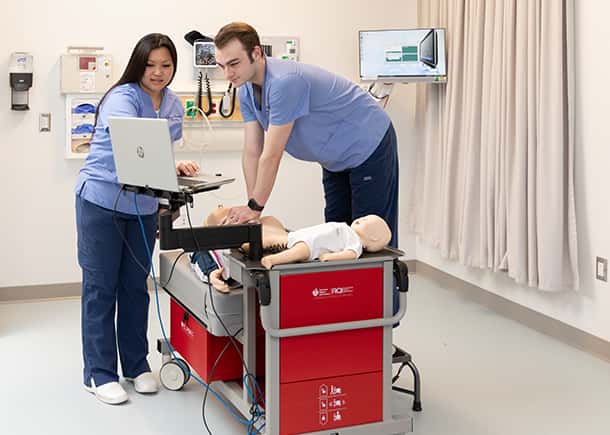
Both guests shared their experiences with implementing and maintaining the RQI program.
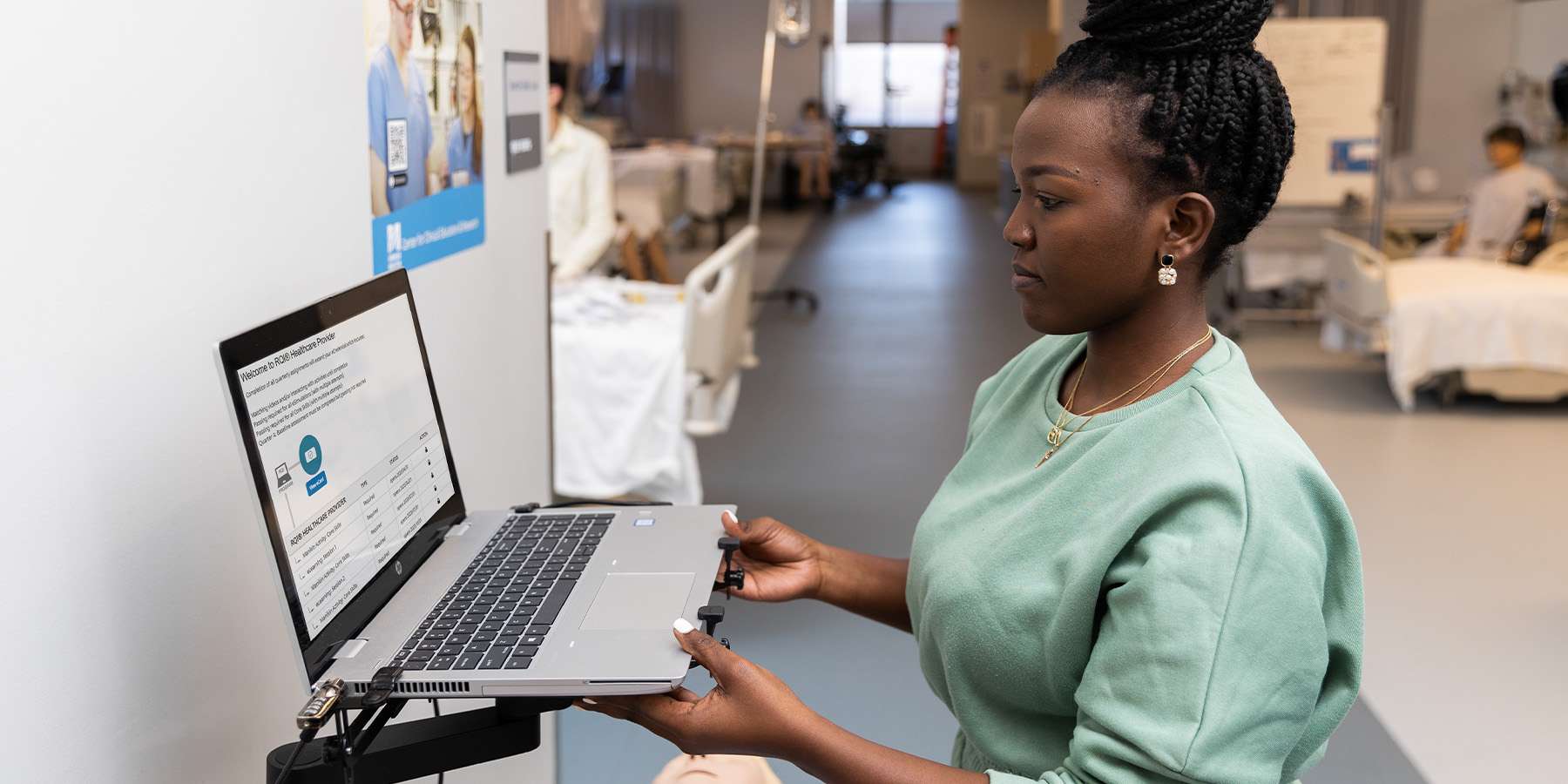
“From an academic standpoint, I would say that it’s somewhat minimal,” Dr. Guerra shared. “We have a system administrator who inputs new learners – which, for us, that’s every semester. That probably takes most of the time.”
At Bayhealth, an educator oversees the program. “The overall lift is not what it was when they were teaching classes nonstop,” Dr. Beebe said. “There is maintenance involved and then also there’s some backend work depending on what type of learning management system you have. But it’s well worth it.”
Conclusion: RQI Is a Game-Changer for Ongoing CPR Competency
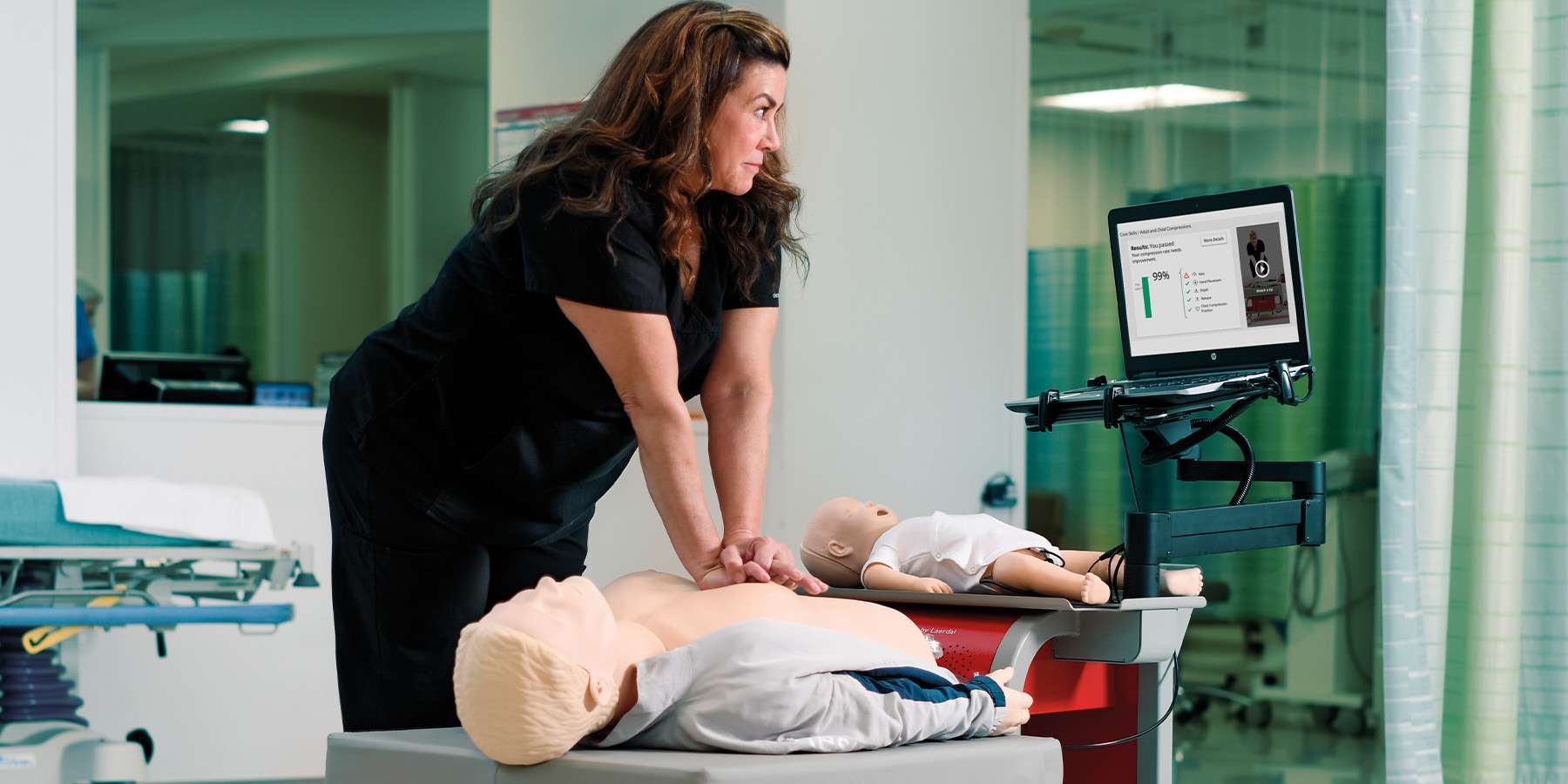
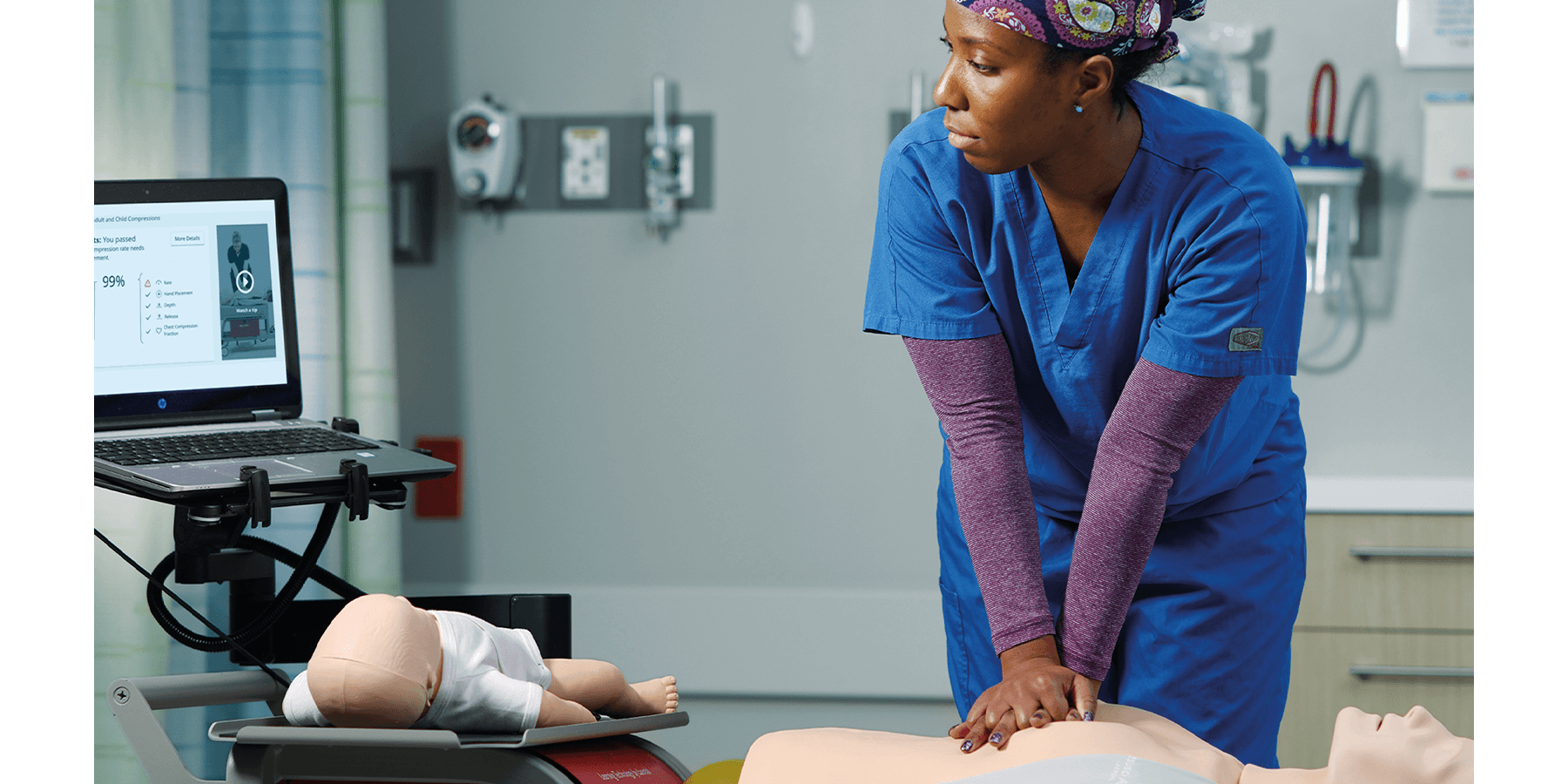
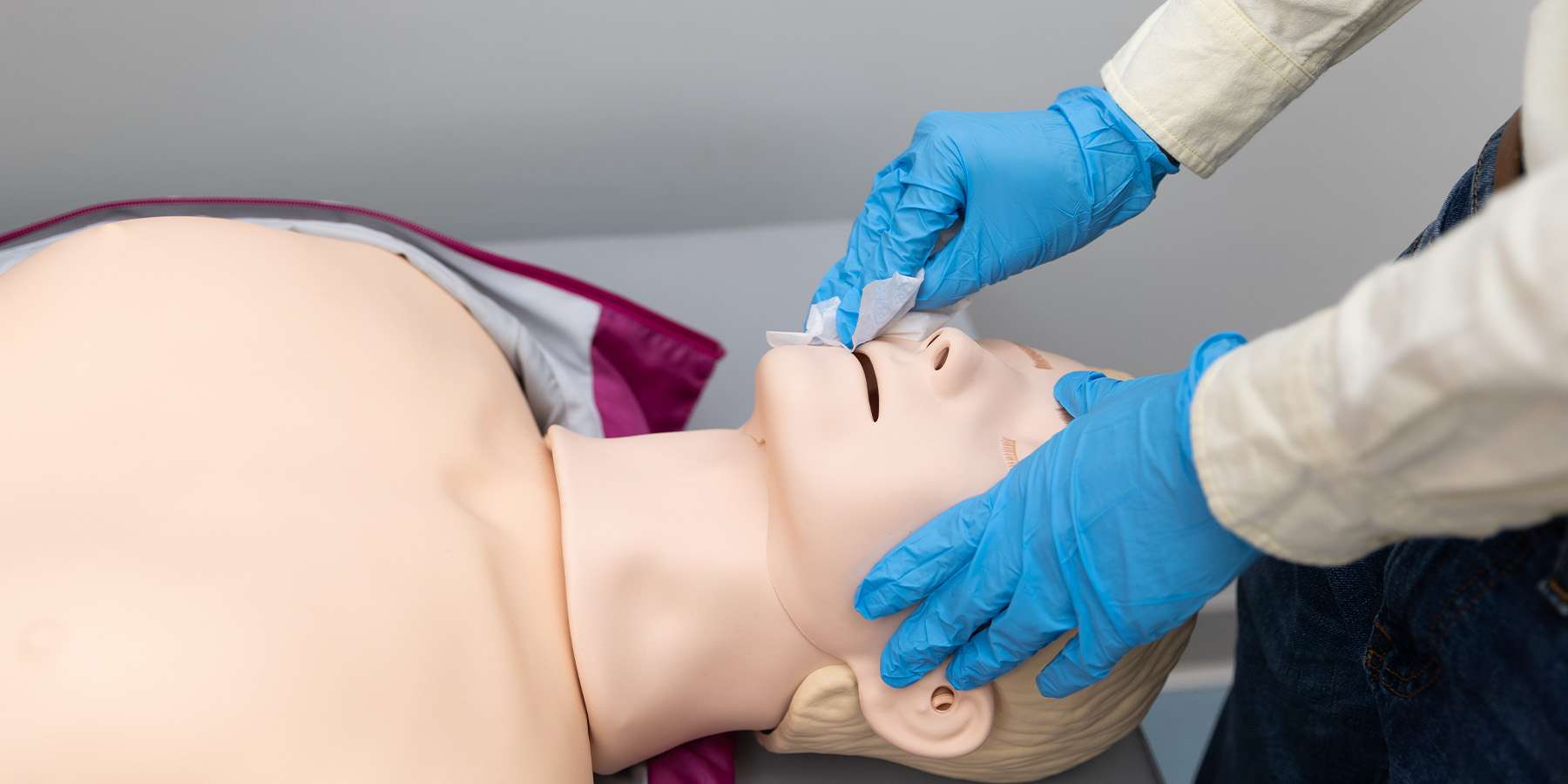
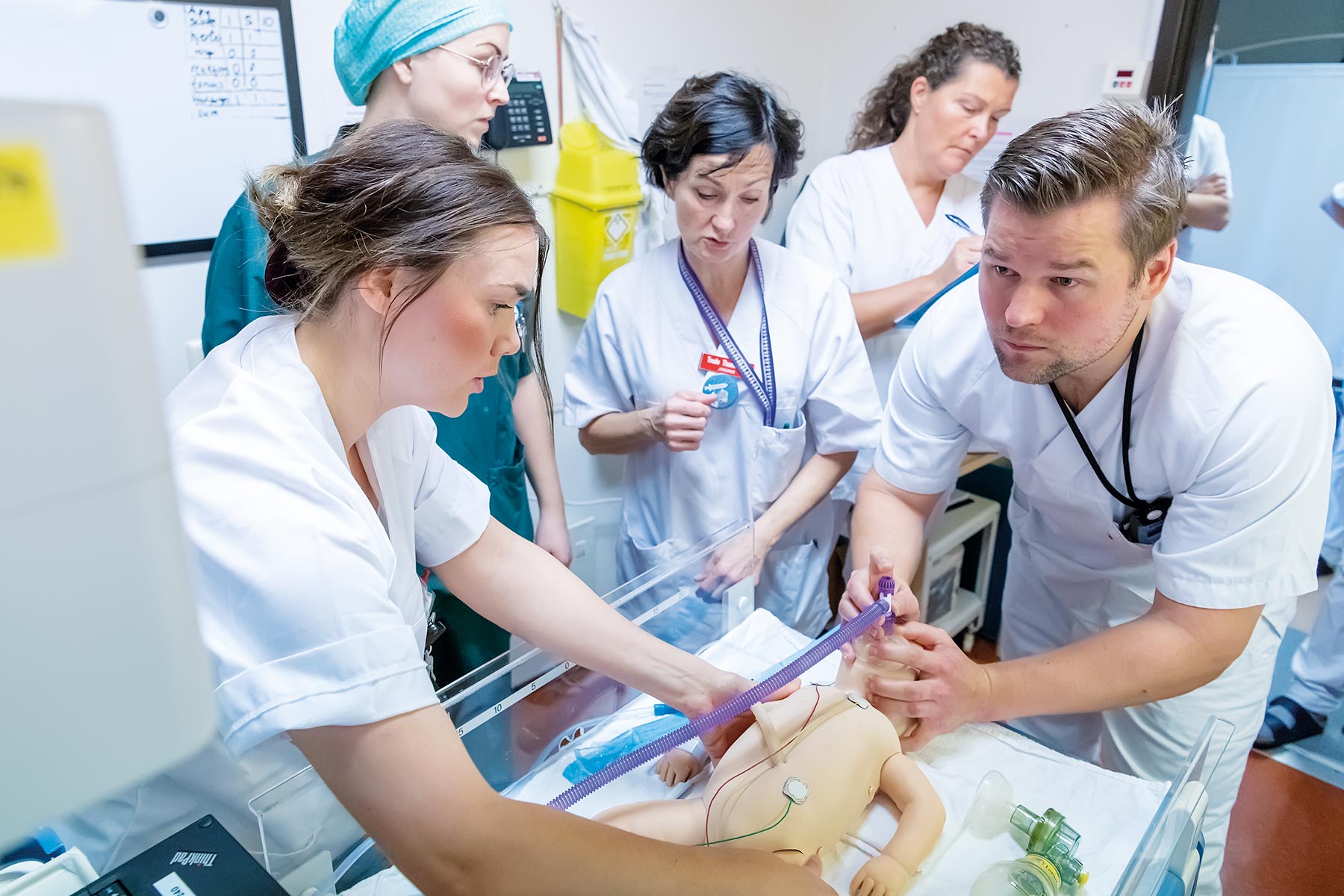
The podcast emphasized that the RQI program offers a scalable, efficient, and highly effective way to teach and sustain CPR skills in both academic and clinical settings. It empowers students and professionals alike to be confident, competent, and ready to save lives.
“Hopefully our listeners out there learned a little bit more how the system can really improve patient outcomes by the frequent exposure and deliberate practice of CPR skills that can help prevent that decay that happens when you’re going two years in between certification,” said host Dr. Bryant.