Priorities in K-12 Learning for 2026: How Simulation Can Help

High-quality teaching is known to be a leading factor in student success.21 However, K-12 schools continue to battle an ongoing faculty shortage.22 This situation has led to an increased focus on faculty retention.23
Regular training can enhance an employee’s initiative and quality of work as well as make them more committed to achieving organizational goals.24 And, research suggests that employees who are engaged and thriving are 59% less likely to seek another job elsewhere.25
If you're interested in starting or expanding a simulation program, professional development will be an important factor in your program's success. Enrolling in courses taught by skilled simulation educators can help empower your faculty with the knowledge they need to thrive and grow an effective simulation program.
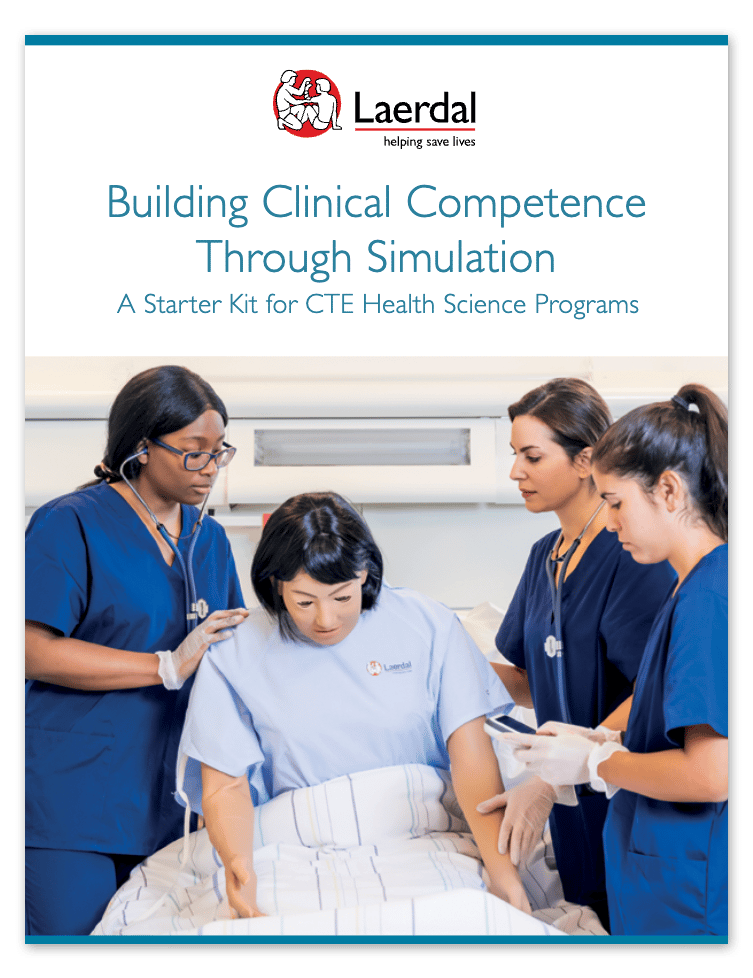
Download our comprehensive guide for using simulation to prepare your students for the realities of clinical practice.