Achieve Competency-Based Education in Nursing
Competency-based education (CBE) ensures learners are practice-ready and equipped with the essential knowledge, skills, and attitudes needed in real-world healthcare settings.
Learn More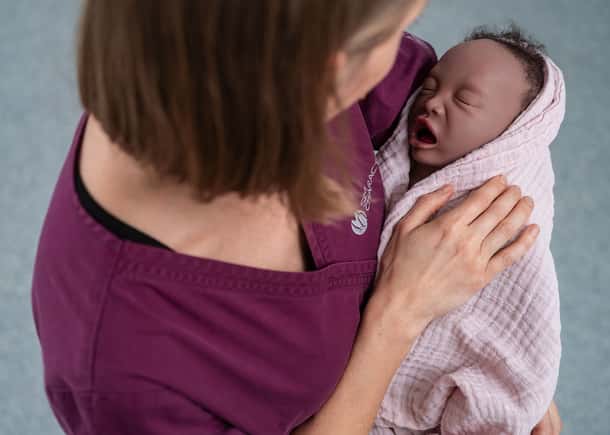
If you’re in nursing education, you know that preparing your students for neonatal and pediatric care goes beyond coursework completion and clinical hours. You need confidence that graduates will effectively apply their knowledge and exercise sound clinical judgment from their first day on the job.
In neonatal and pediatric nursing education, achieving that goal can be particularly challenging. Students may gain valuable clinical experience throughout their programs, yet opportunities to encounter certain patient populations, conditions, and high-acuity situations can vary considerably.
As a result, many educators are focused on an important question:
What does readiness for neonatal and pediatric practice actually look like, and how can we build confidence that students have demonstrated it?
According to research, pediatric nursing is associated with higher levels of anxiety and fear than any other clinical environment for pre-licensure nursing students.1
Readiness for practice means that students can face this challenging and anxiety-inducing clinical setting with enough knowledge, confidence, communication skills, and decision-making ability to care for children and families safely.
Students who are prepared for neonatal and pediatric care should be able to demonstrate observable behaviors such as:
These capabilities reflect a learner’s ability to move beyond knowing what to do and apply their knowledge in realistic clinical situations with confidence.
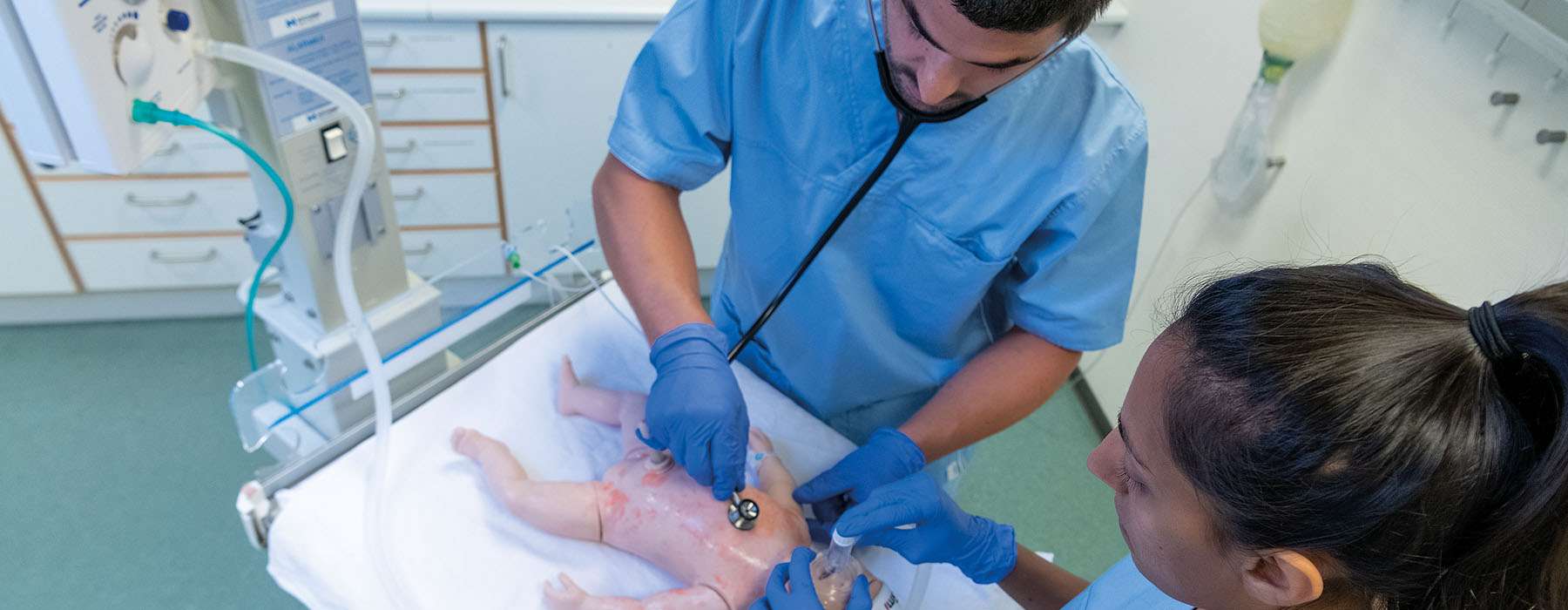
Clinical placements provide valuable opportunities for students to care for patients, work alongside experienced clinicians, and connect classroom learning to practice.
Student experiences naturally vary. Some learners encounter a wide range of neonatal and pediatric conditions, while others have fewer opportunities to participate in complex or time-sensitive situations.
This doesn’t diminish the value of clinical placements. Rather, it highlights the importance of creating additional opportunities for students to develop and demonstrate readiness across a range of situations.
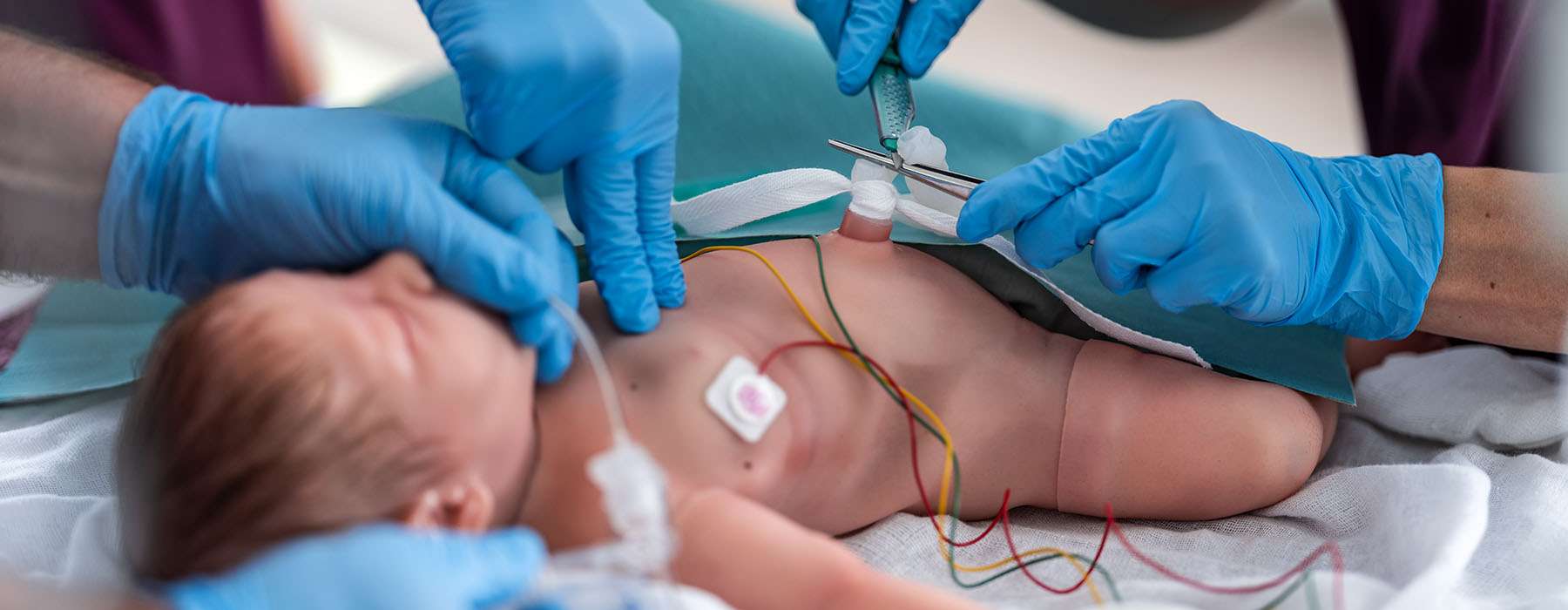
Building readiness requires opportunities to apply knowledge, practice decision-making, receive feedback, and refine performance over time.
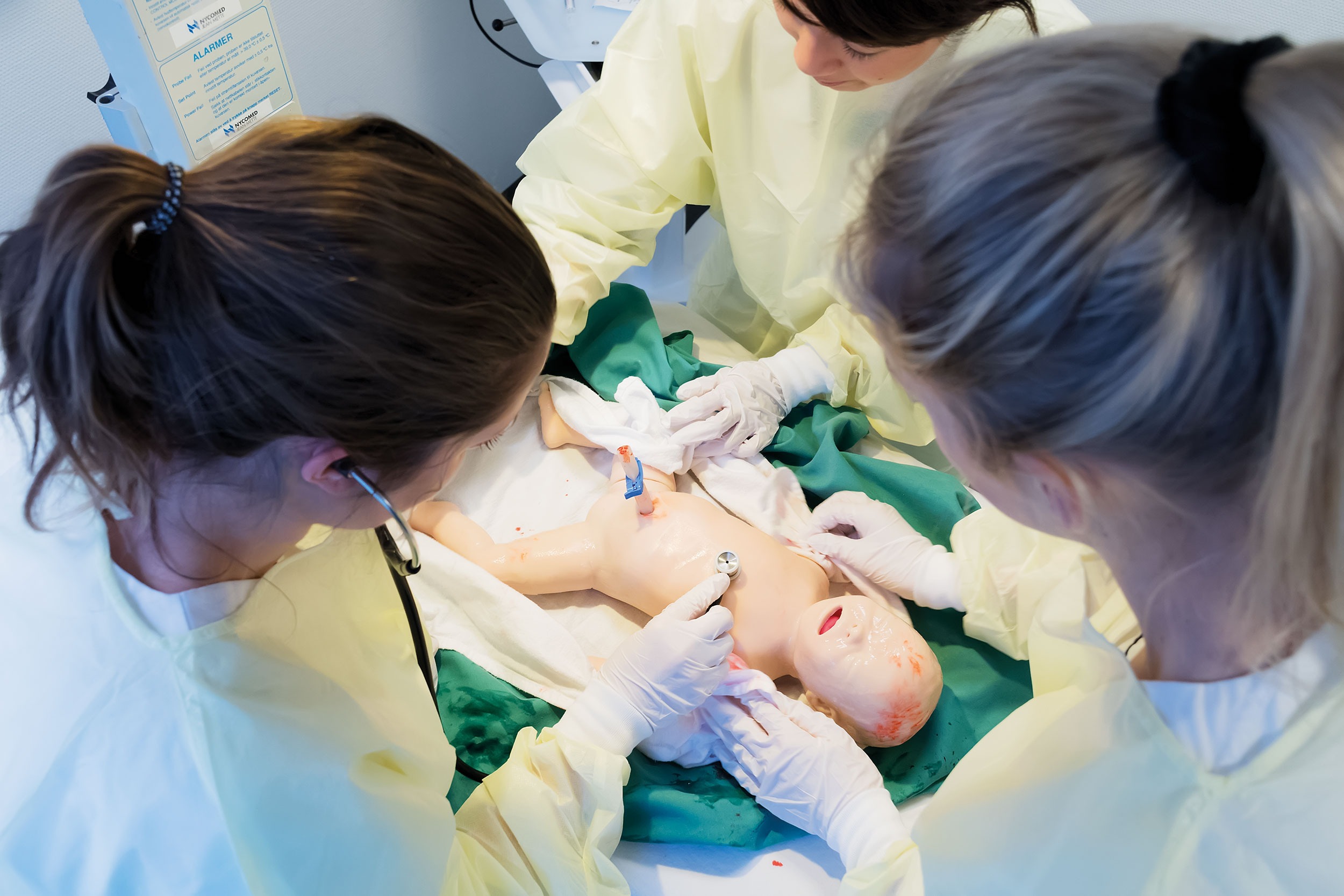
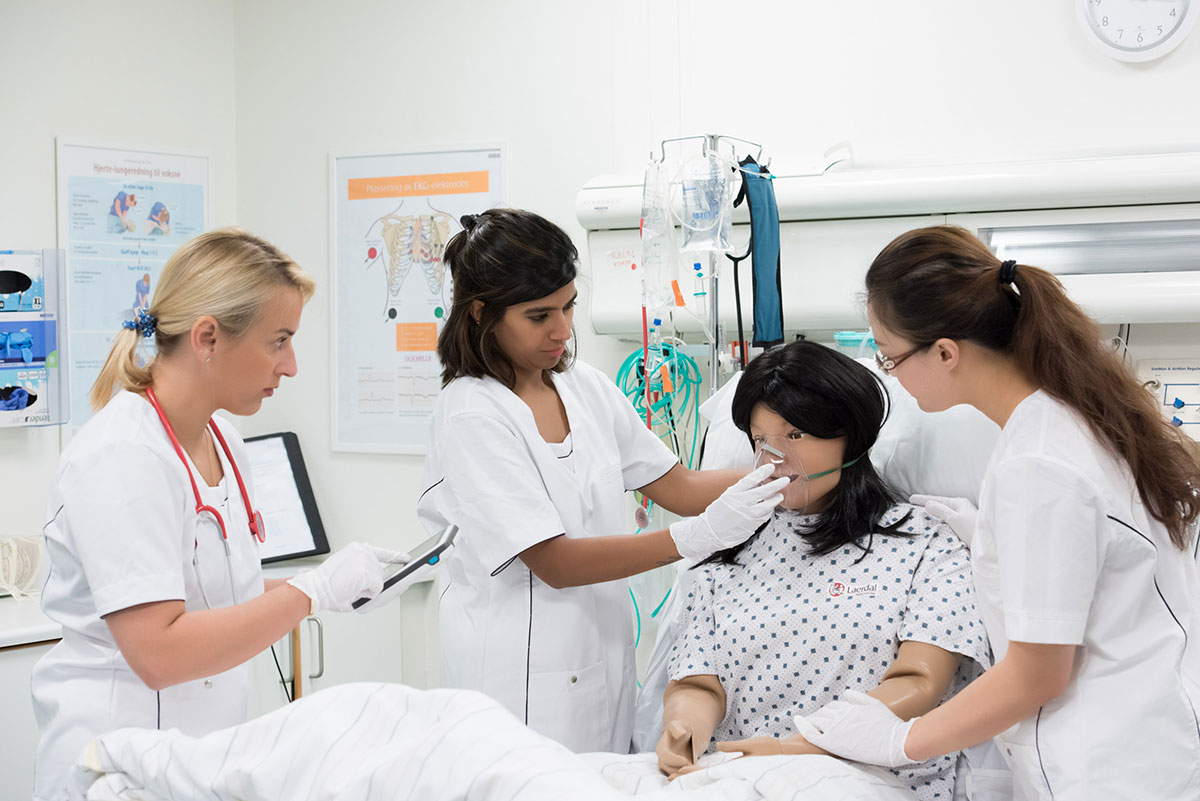
Simulation can help by creating realistic experiences where students can:
These experiences allow learners to practice how they would respond in clinical situations while receiving feedback that supports continued development.
According to one study, prelicensure nursing students who participated in simulated pediatric experiences reported increased confidence in pediatric assessment skills, communication, teamwork, and application of the nursing process.2
Simulation training tip: Build readiness through a progressive neonatal and pediatric learning pathway
Consider creating a learning pathway that builds in complexity, allowing learners to “walk before they run.” For example:
Together, these experiences provide repeated opportunities to strengthen clinical judgment and build readiness for neonatal and pediatric practice.
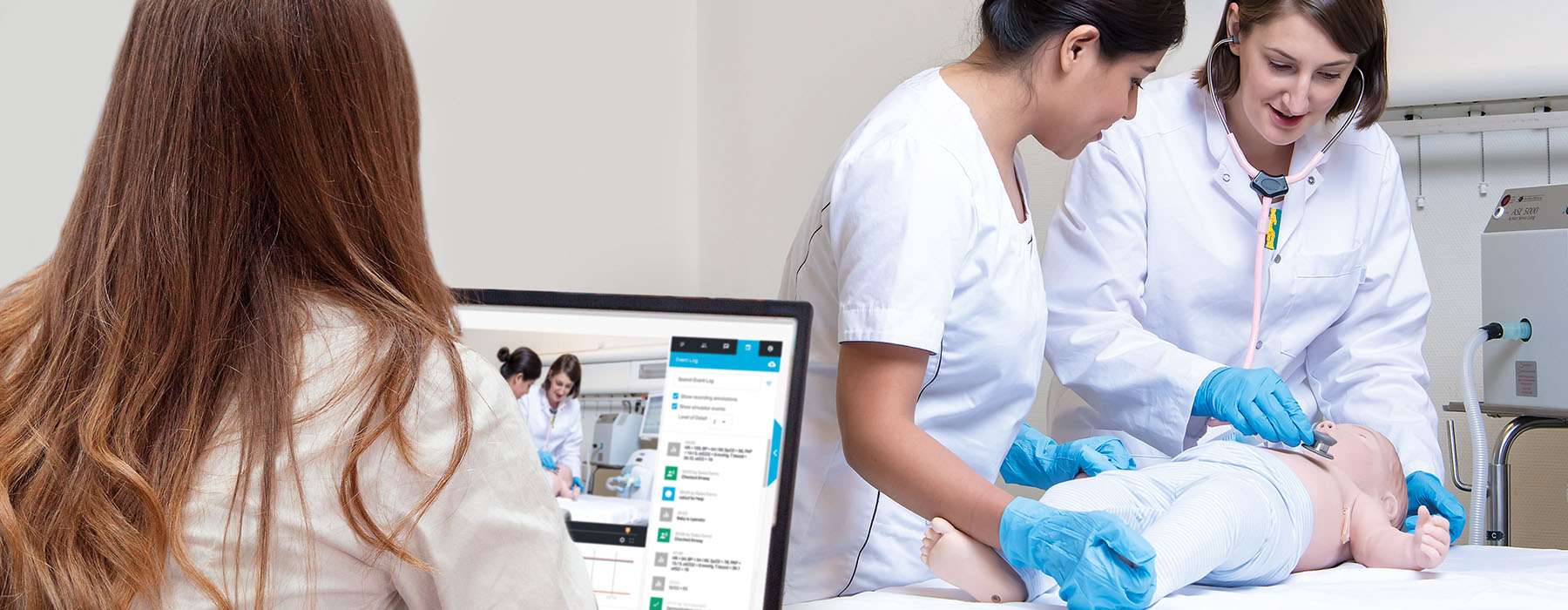
Developing competency is only part of the journey. You also need ways to evaluate learner progression and gather evidence that supports readiness-for-practice decisions.
Readiness for practice is rarely determined through a single observation or assessment. Instead, educators often look for evidence of progression over time across multiple learning experiences.
Simulation-based assessments can help you observe what students can do with what they know. In simulation, students must apply knowledge, communicate, prioritize care, and respond to changing patient conditions. By focusing on performance in realistic situations, you can gather evidence of competency development and identify opportunities for continued growth.
When viewed across multiple simulation learning experiences, these observations can help create a more complete picture of learner progression.
Simulation training tip: Use learner data to support readiness decisions
Competency-based education relies on multiple sources of evidence rather than a single assessment. Collecting and organizing learner data across simulation activities can help you identify patterns, monitor progression, and make more informed readiness decisions.
A simulation management system like SimCapture can help you document performance and track learner development over time. By viewing learner data across multiple experiences, you can build a broader evidence base to support competency assessment, coaching, and readiness-for-practice decisions.
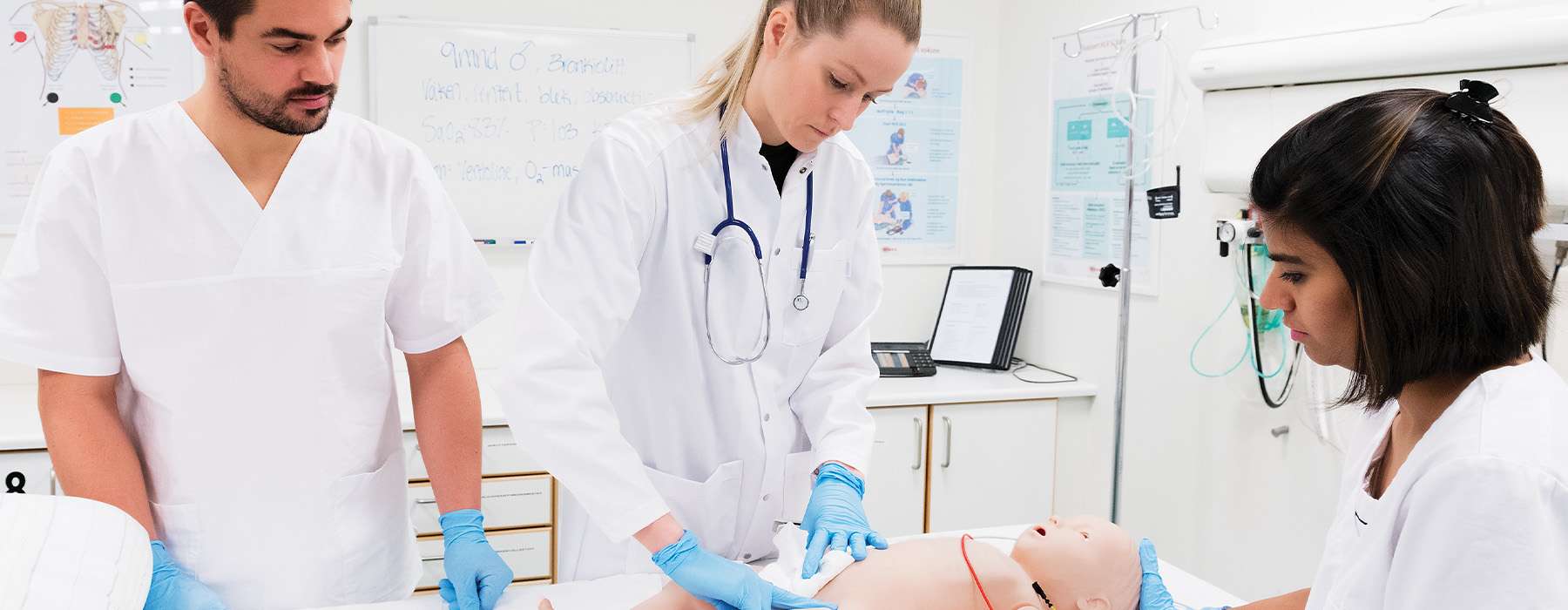
Every nursing program shares the ultimate goal of graduating nurses who are ready to provide safe, effective care.
Building confidence in readiness for neonatal and pediatric practice requires opportunities for students to apply what they have learned, demonstrate clinical judgment, and receive meaningful feedback as they progress through increasingly complex learning experiences.
By combining clinical experiences, realistic simulation, and structured assessment, you can create a more complete picture of learner development and strengthen confidence that your graduates are ready to provide the best possible care for neonatal and pediatric patients.
Readiness for neonatal and pediatric nursing practice refers to a learner’s ability to integrate knowledge, clinical skills, communication, and clinical judgment to provide safe and effective care in real-world situations.
Student clinical experiences vary. Some learners encounter a wide range of patient populations and conditions, while others have fewer opportunities to participate in complex or high-acuity situations. As a result, programs often rely on multiple sources of evidence to evaluate learner progression.
Simulation provides realistic learning experiences where students can practice assessment, communication, clinical judgment, teamwork, and decision-making in a safe environment. It also allows learners to gain experience with scenarios they may not encounter during clinical placements.
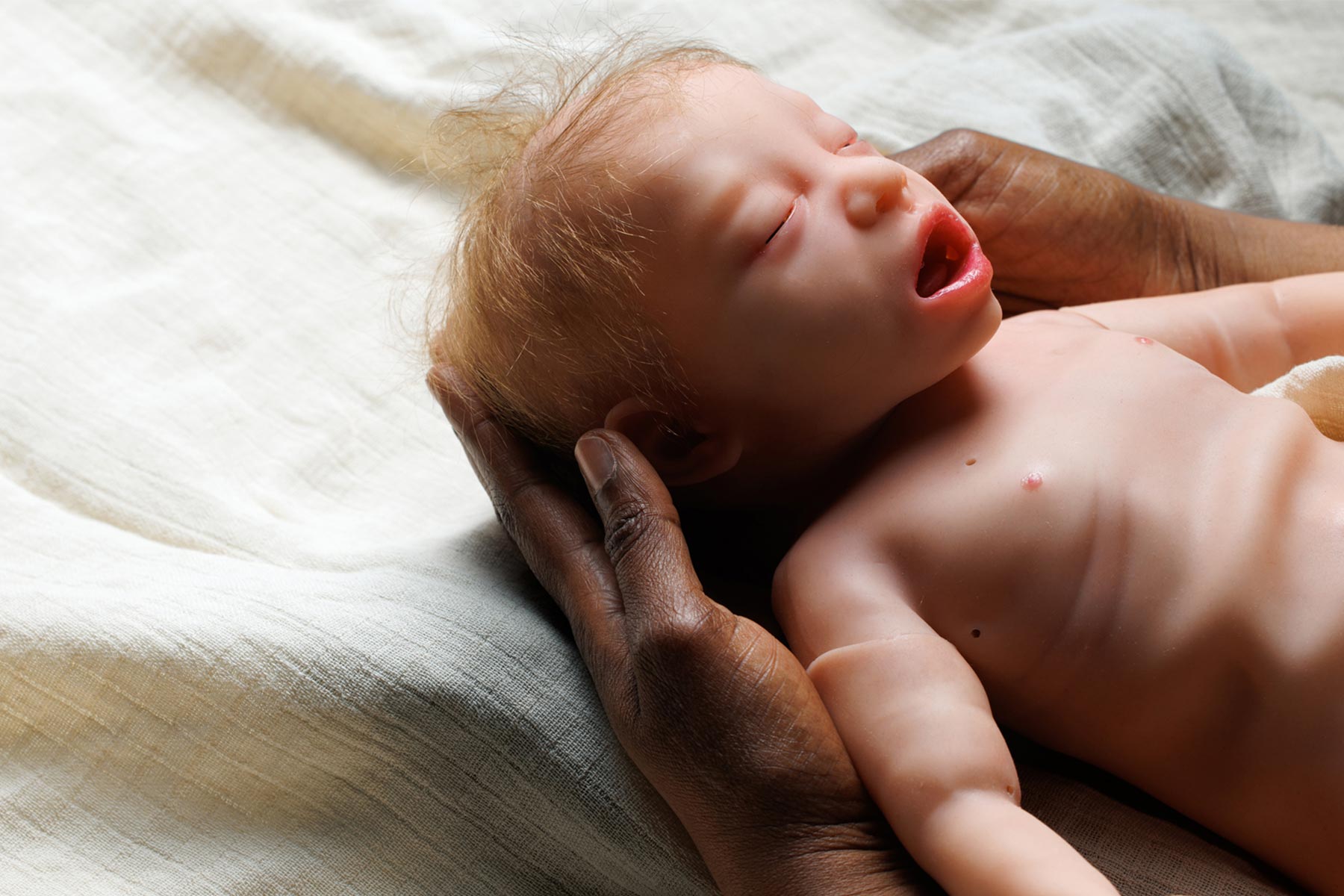
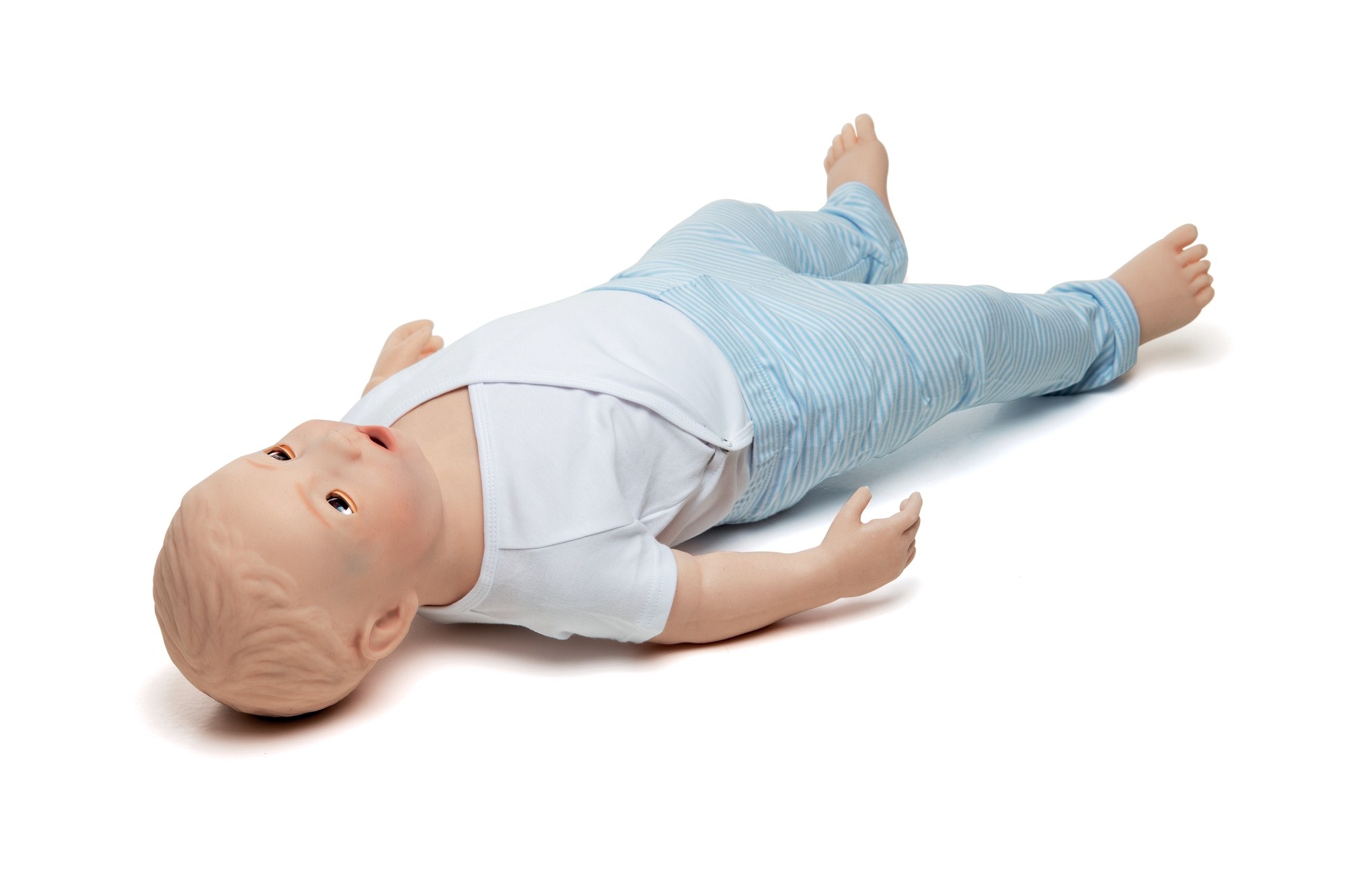
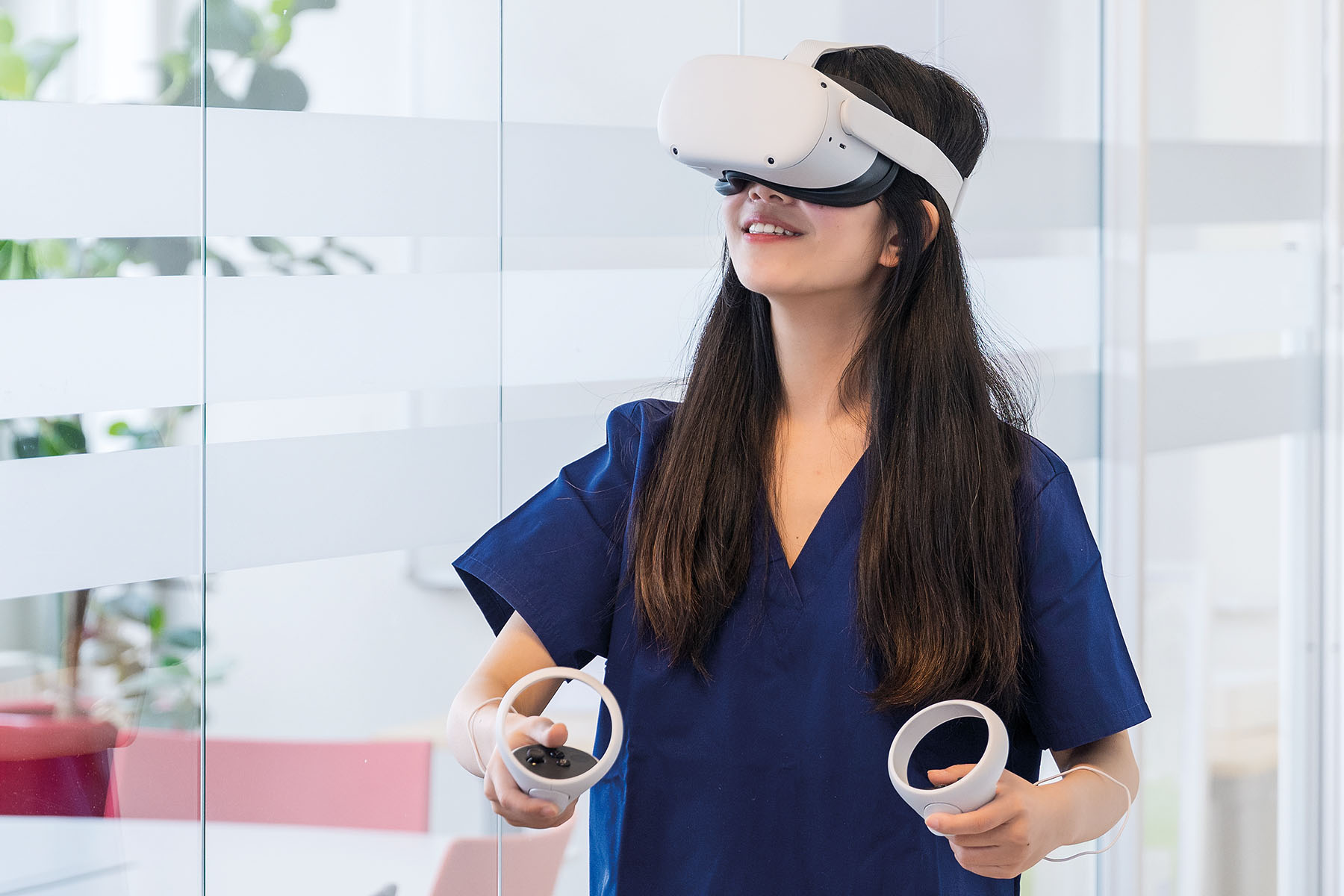
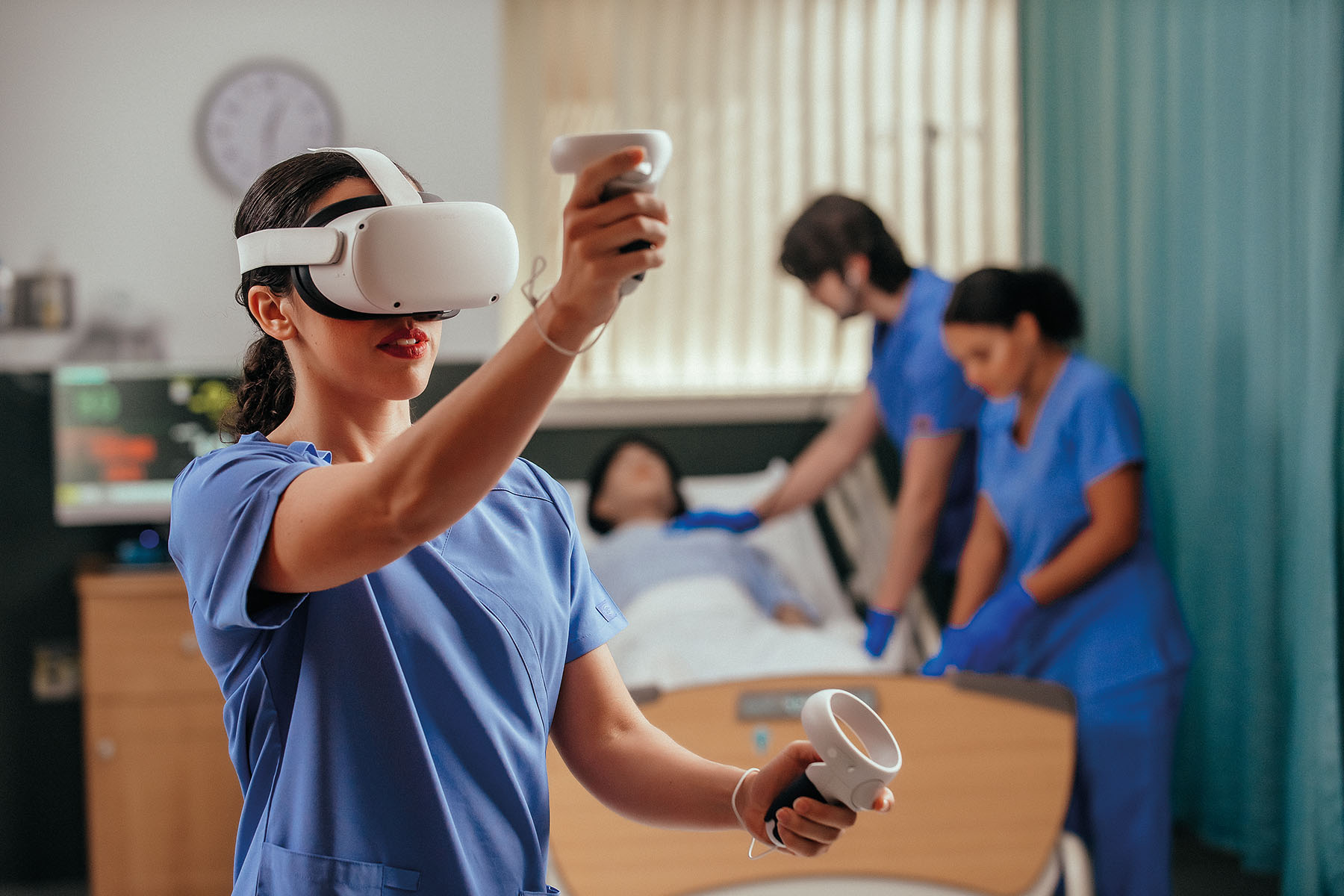
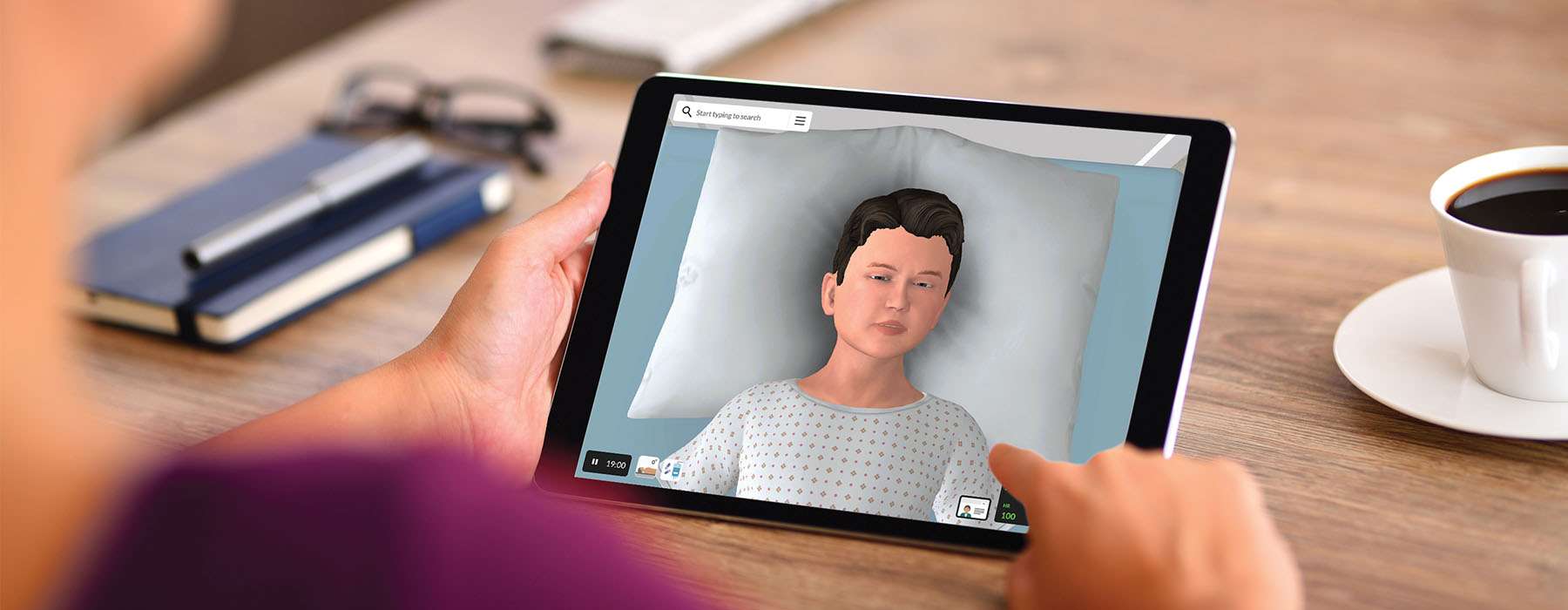
Programs may use virtual simulation simulation, virtual reality, and manikin-based simulation to support learning. Examples include NextGen vSim® for Nursing | Pediatric, vrClinicals for Nursing, SimNewB, Emily, Emma, and SimBaby.
Yes. Simulation can provide opportunities for learners to demonstrate knowledge application, clinical judgment, communication, and patient-care decision-making. Educators can use observations from simulation alongside other assessment methods to gather evidence of learner progression.
Many programs use multiple sources of evidence, including clinical experiences, simulation activities, and direct observation. Looking across these experiences can provide a more complete picture of readiness for practice.
Learner data can help educators identify patterns, track progression over time, and support coaching and assessment decisions. When viewed across multiple learning experiences, data can contribute to a stronger evidence base for readiness-for-practice decisions.
Clinical judgment is a core component of readiness. Learners must be able to recognize clinical cues, prioritize care, communicate effectively, and adapt their actions as patient conditions change.