3 Undersøgelser, der viser, hvordan simulation forbedrer plejekvaliteten på NICU
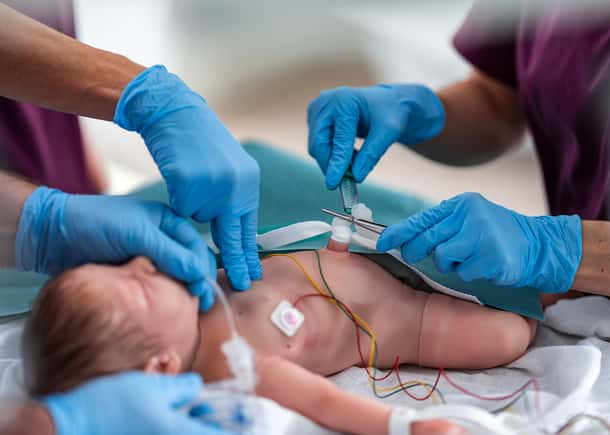
Patienter på neonatal intensivafdelingen (NICU) er unikt sårbare på grund af deres fysiske udviklingsstadie og kompleksiteten af deres pleje. I dette specialiserede miljø er risikoen for medicinske fejl særligt høj.
Traditionelt har forbedringsindsatser fokuseret på individuel præstation. Dette kan give positive resultater på kort sigt. Men hvis det er den eneste løsning, kan forbedringsindsatser let stagnere, hvilket fører til potentiel udbrændthed, følelsesmæssig udmattelse, medfølelsestræthed og endda moralsk stress, når personalet identificerer nødvendige ændringer, men føler sig ude af stand til at handle.
I lyset af dette anerkender ledere i neonatalafdelinger, risikomanagere og kvalitetsmedarbejdere i stigende grad, at de fleste utilsigtede hændelser ikke skyldes en enkelt kliniker, men systemfejl.
- Dr. Jens-Christian Schwindt,
Neonatolog

Den nye forståelse af, at "systemfejl" eller fejl i, hvordan arbejdet udføres, snarere end hvem der udfører arbejdet, har drevet adoptionen af et nyt paradigme inden for simulation: translationel simulation.
Translationel simulation er brugen af simulation til at identificere, teste og forbedre kliniske systemer, processer og miljøer i den virkelige verden for at forbedre kvalitet og resultater.
Et grundlæggende element i translationel simulation er brugen af in situ-simulation, eller simulation, der foregår i det faktiske kliniske miljø. Ved at teste “arbejde som udført” snarere end “arbejde som forestillet” hjælper in situ-simulation med at afsløre latente sikkerhedstrusler (LST'er).
Ofte omtalt som “uheld, der venter på at ske,” er LST'er skjulte sårbarheder i udstyr, miljø eller processer. Disse sårbarheder kan forblive ubemærkede, indtil de bidrager til patientskade.
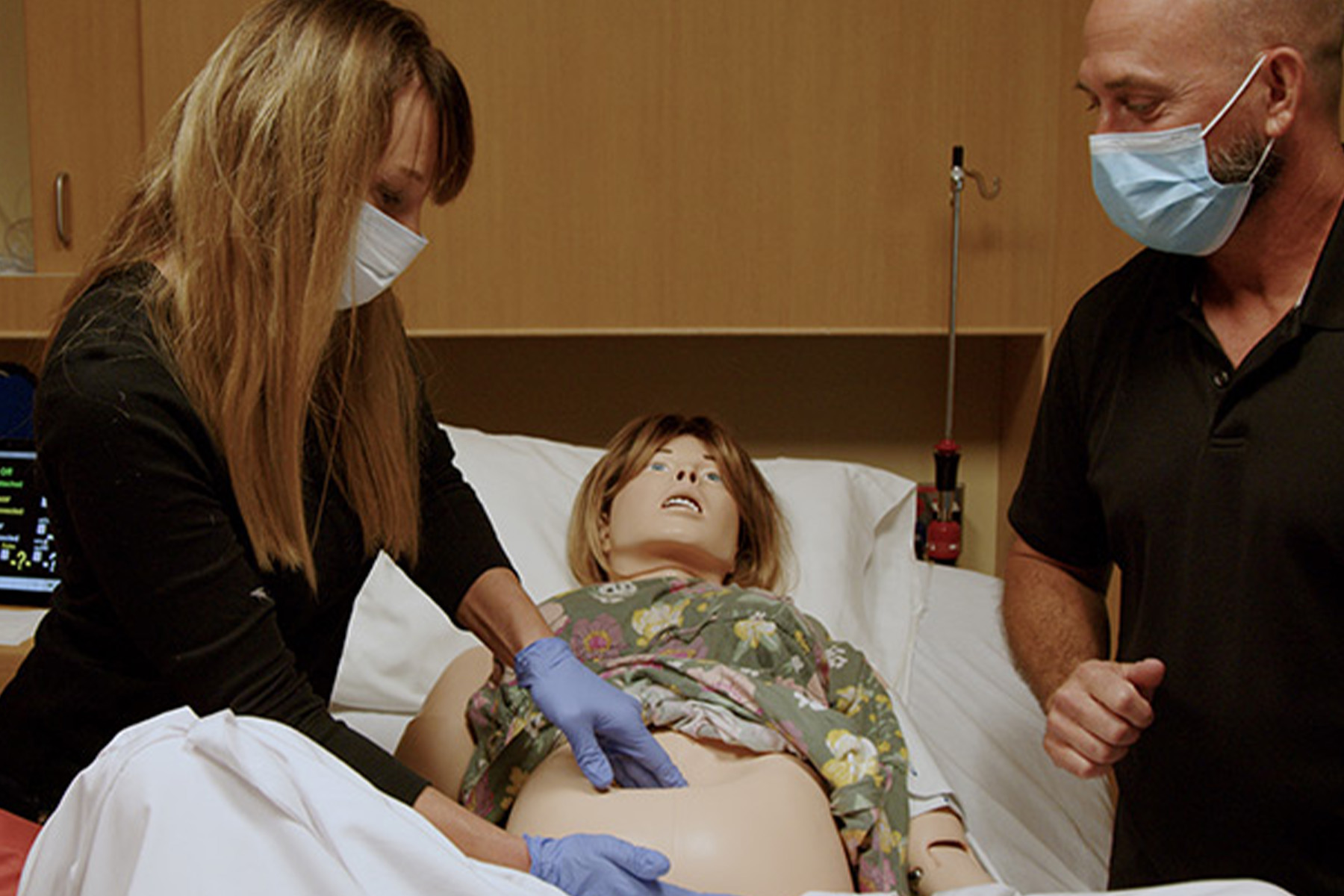
“Det, der gør in situ-simulation så stærk, er, at det giver medicinske teams mulighed for at træne lige dér, hvor det betyder mest: i deres eget kliniske miljø under virkelige forhold,”2 forklarer Dr. Jens-Christian Schwindt, neonatolog.
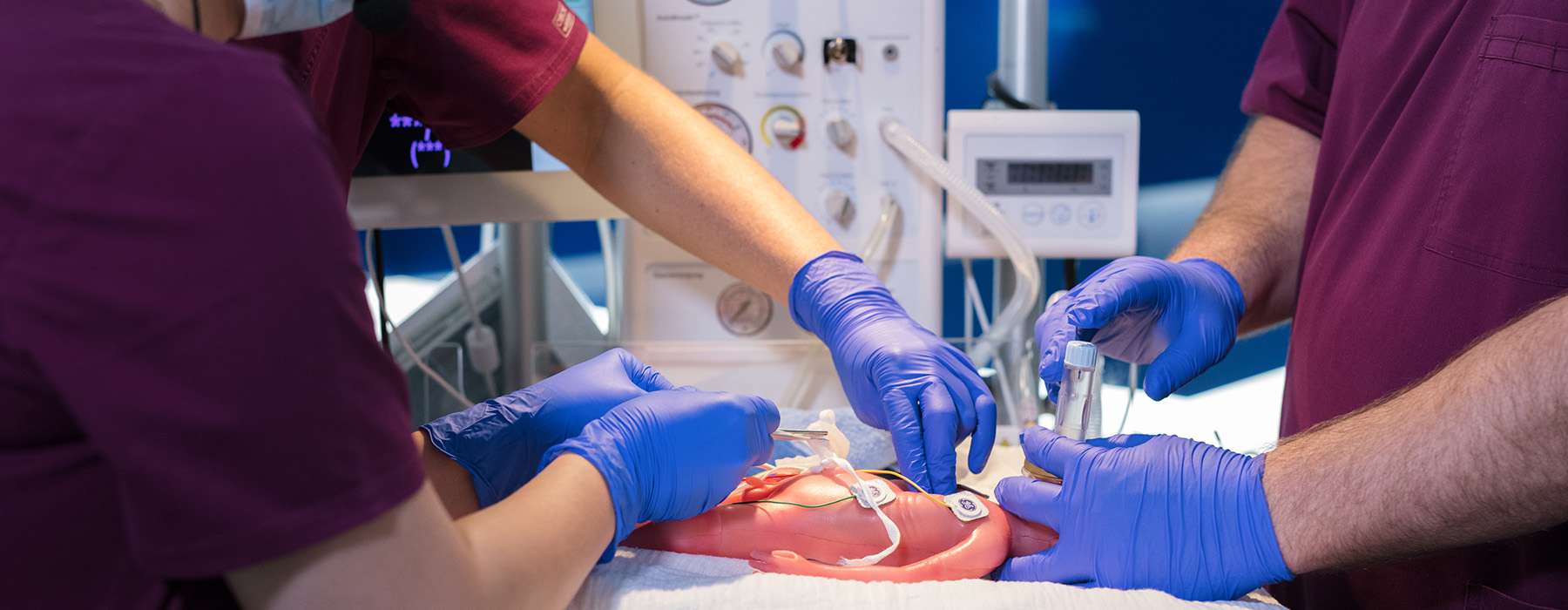
En multicenterundersøgelse af neonatal genoplivning blev udført på tværs af ni østrigske hospitaler ved hjælp af en række tværfaglige in situ simuleringer.3 Målet var at identificere latente sikkerhedstrusler (LST'er) i de indledende simuleringer og teste, om disse LST'er opstod igen eller var blevet løst i opfølgende simuleringer.
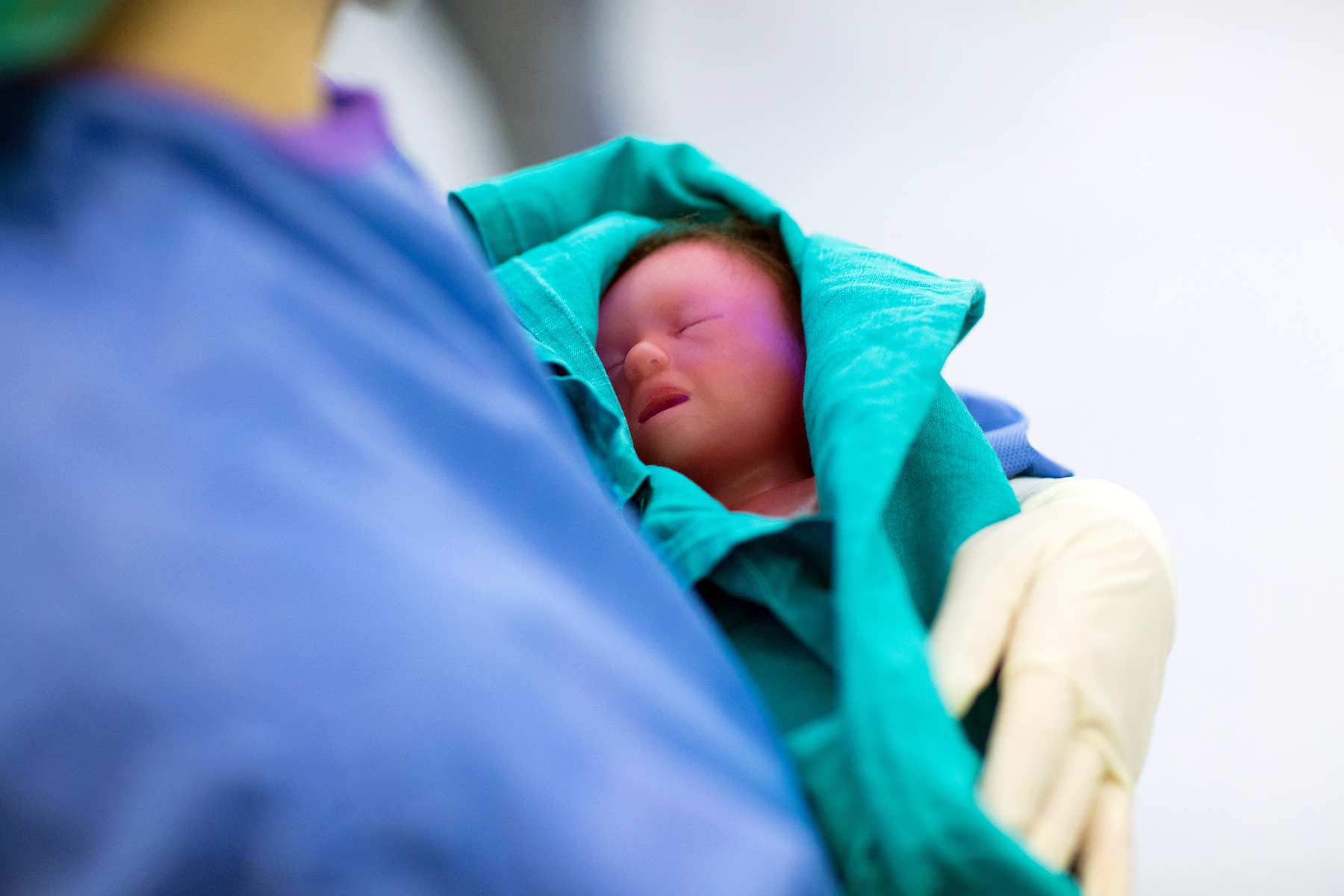
For at opnå et højt niveau af realisme brugte undersøgelsen SimNewB®: en nyfødt, trådløs simulator, der er ideel til in situ træning.
I alt blev der identificeret 400 latente sikkerhedstrusler på tværs af simuleringerne inden for områder, herunder:
Trusler blev reduceret med 62% fra en simulering til den næste.
Trusler blev reduceret med 45% fra én simulation til den næste.
I kategorien systemer, pathways og ressourcer så de en mindre reduktion i LST'er: en nedgang på 10% fra den ene simulation til den næste. Denne opdagelse antydede, at problemer i denne kategori var mere udfordrende at løse og ville kræve mere tid og ressourcer at afhjælpe.
Denne undersøgelse understreger i sidste ende simulationens effektivitet i at afdække, reducere og løse LST'er over tid.
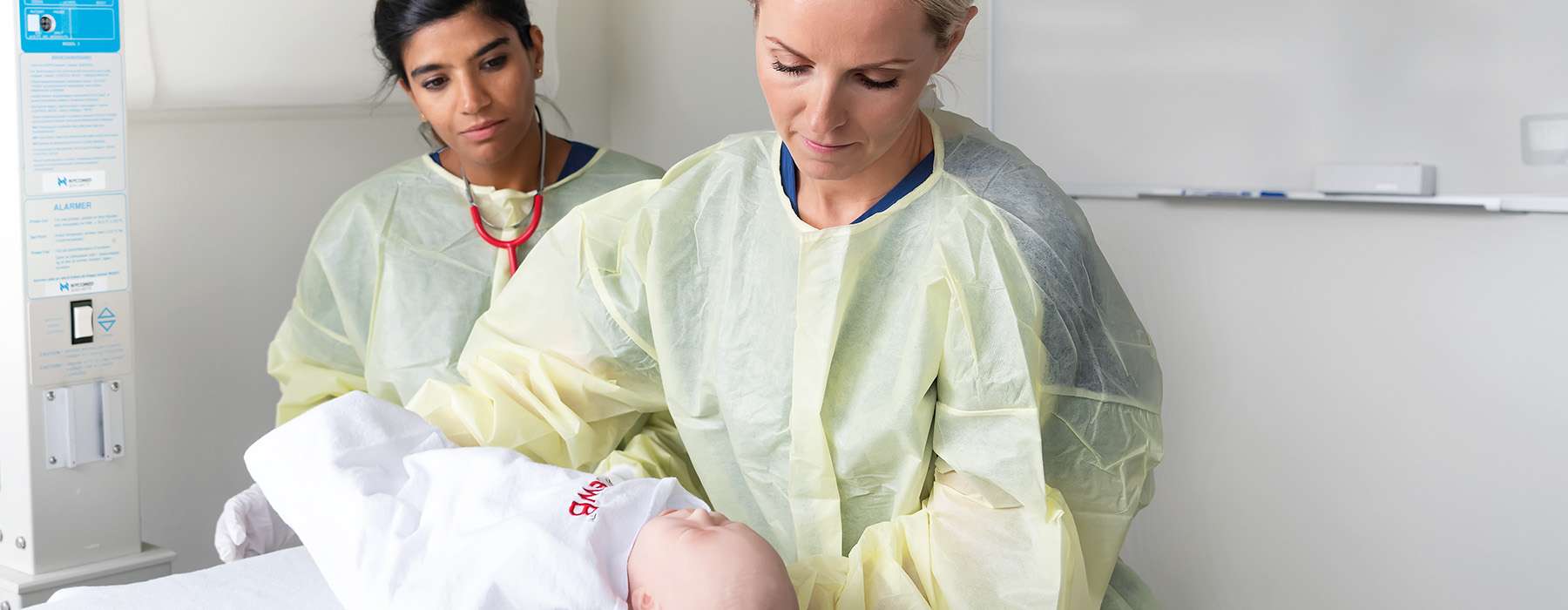
Et stort børnehospital havde brug for at overføre 70 kritisk syge nyfødte til en ny afdeling for intensiv behandling.4 For at forberede sig anvendte de simulation til at teste hver eneste detalje i deres flytteplan, så de kunne reducere risikoen, inden den første patient blev transporteret.
De gennemførte seks intensive simulationssessioner, hvor de simulerede flytningen af NICU-patienter fra den oprindelige enhed til den nye. Holdene identificerede nøgleproblemer og håndterede dem succesfuldt:
Problem identificeret gennem simulation |
Løsning |
|
Pladsbegrænsninger for patienter med højt plejebehov: |
Holdet identificerede alternative ruter for disse patienter. |
| Fysiske miljøproblemer: Under transporten blev en manikin utilsigtet ekstuberet ved en gulvsamling med ujævnt underlag mellem de gamle og nye afdelinger. |
Holdet udviste ekstrem forsigtighed ved manøvrering gennem dette område. |
| Udstyrs- og forsyningsproblemer: Kode-medicinsæt manglede essentielle sprøjter og beroligende midler. |
Hver holdsygeplejerske medbragte en dedikeret taske med sprøjter og essentielle mediciner klar til hurtig adgang. |
Resultaterne var ekstraordinære: alle 70 patienter blev flyttet sikkert på 6,5 timer — næsten halvt så lang tid som forudset. Der var ingen sikkerhedshændelser eller aktivering af nødkoder.
Denne undersøgelse demonstrerer, hvordan simulationsbaseret systemtest kan sikre operationel parathed inden virkelige overgange.
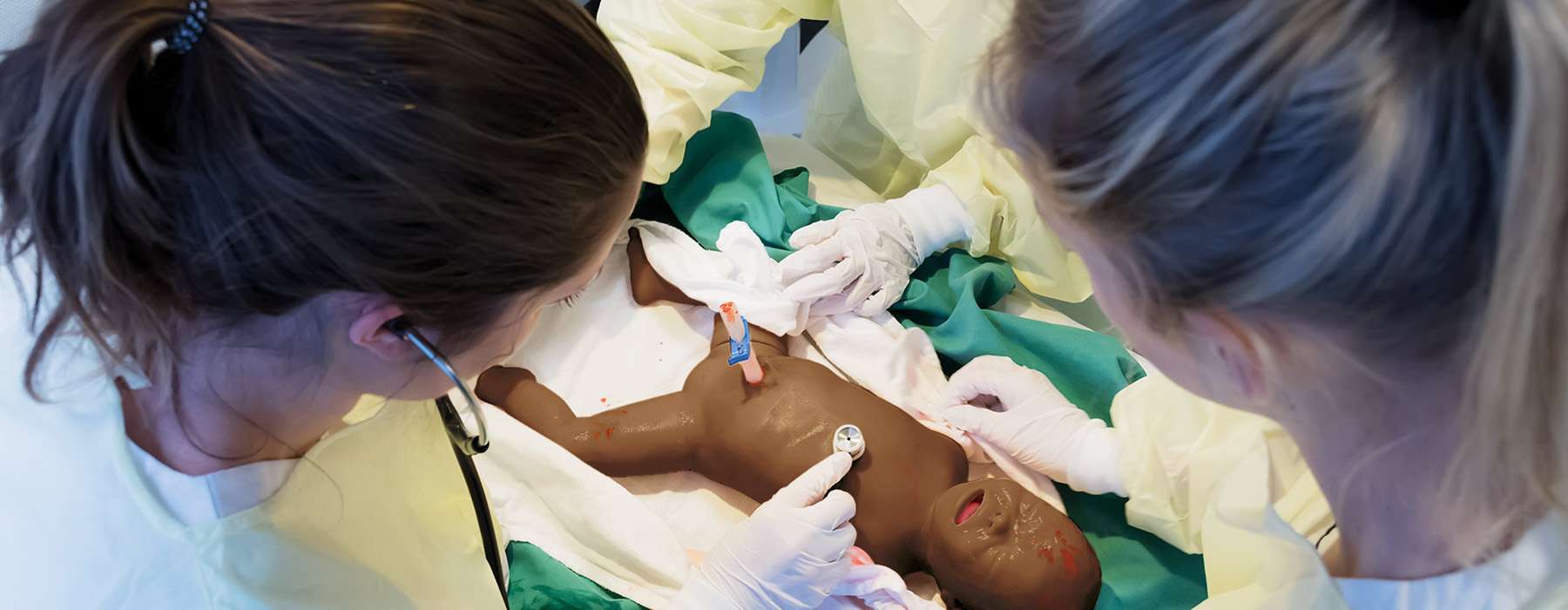
En grundlæggende fordel ved at bruge simulation er, at det samler folk i problemløsningsprocessen. En otteårig langtidsundersøgelse undersøgte, hvordan regelmæssige in situ simulationer påvirkede LST'er på en regional hospitals neonatalafdeling (NICU).5 Tretten tværfaglige sessioner blev gennemført, hvor anæstesilæger, fødselslæger, jordemødre, sygeplejersker og børnelæger deltog.
Simulationerne afdækkede 67 latente sikkerhedstrusler, herunder:
Resultatet var tydeligt:
Da in situ-simulationsprogrammet blev sat på pause under COVID-19-pandemien, steg de latente trusler igen. Dette er bevis på, at løbende simulation er afgørende for at opretholde patientsikkerheden.
- Dr. Lou Halamek
Professor, Afdeling for Neonatal- og Udviklingsmedicin, Institut for Pædiatri
Afdeling for Maternal-Føtal Medicin, Institut for Gynækologi og Obstetrik
Stanford University

Klar til at prøve in situ-simulation for at drive kvalitetsforbedring i din neonatale intensivafdeling? Her er 3 tips til at komme i gang.

1. Brug realistiske neonatalsimulatorer.
For at teste den virkelige effekt af LST'er - og for at teste eventuelle forbedringer, før der behandles rigtige patienter - vælg en neonatal simulator med høj realisme, som for eksempel fuldbårne Emily/Emma og for tidligt fødte Paul. Disse simulatorer har realistiske indre strukturer samt livagtige ansigts- og huddetaljer. En sømløs kombination af avanceret teknologi og et autentisk udseende og følelse forvandler en simulation til en fuld sanselig oplevelse.

2. Optag dine simulationer.
Ved at bruge et trådløst simuleringsoptagesystem som SimCapture Mobile Camera app kan du optage simulationer in situ. Gense optagelser, annotér nøgleøjeblikke, og debrief med dit team. At se optagelsen kan hjælpe med at give udbydere et “perspektiv på sig selv udefra” - og hvordan de systemer, de arbejder i, kan påvirke præstationen.

3. Generer simulationsdata, der kan fremme forbedring.
Dine simulationer vil generere en enorm mængde af ydelsesdata. Et simulationsstyringssystem som SimCapture kan hjælpe dig med at organisere alle disse data til meningsfulde og handlingsorienterede indsigter. Du kan benchmarke ydeevne over tid, identificere områder med forbedringspotentiale og bruge dataene til at drive kontinuerlige kvalitetsforbedringer i din neonatalafdeling.
Vi arbejder med spændende initiativer inden for sundhedsvæsenets kvalitetsforbedring. Følg vores hub-side for sundhedsvæsenets kvalitetsforbedring for flere ressourcer, og sørg for at tale med en af vores Laerdal-repræsentanter for at se, hvordan vi kan hjælpe dig i dine bestræbelser.