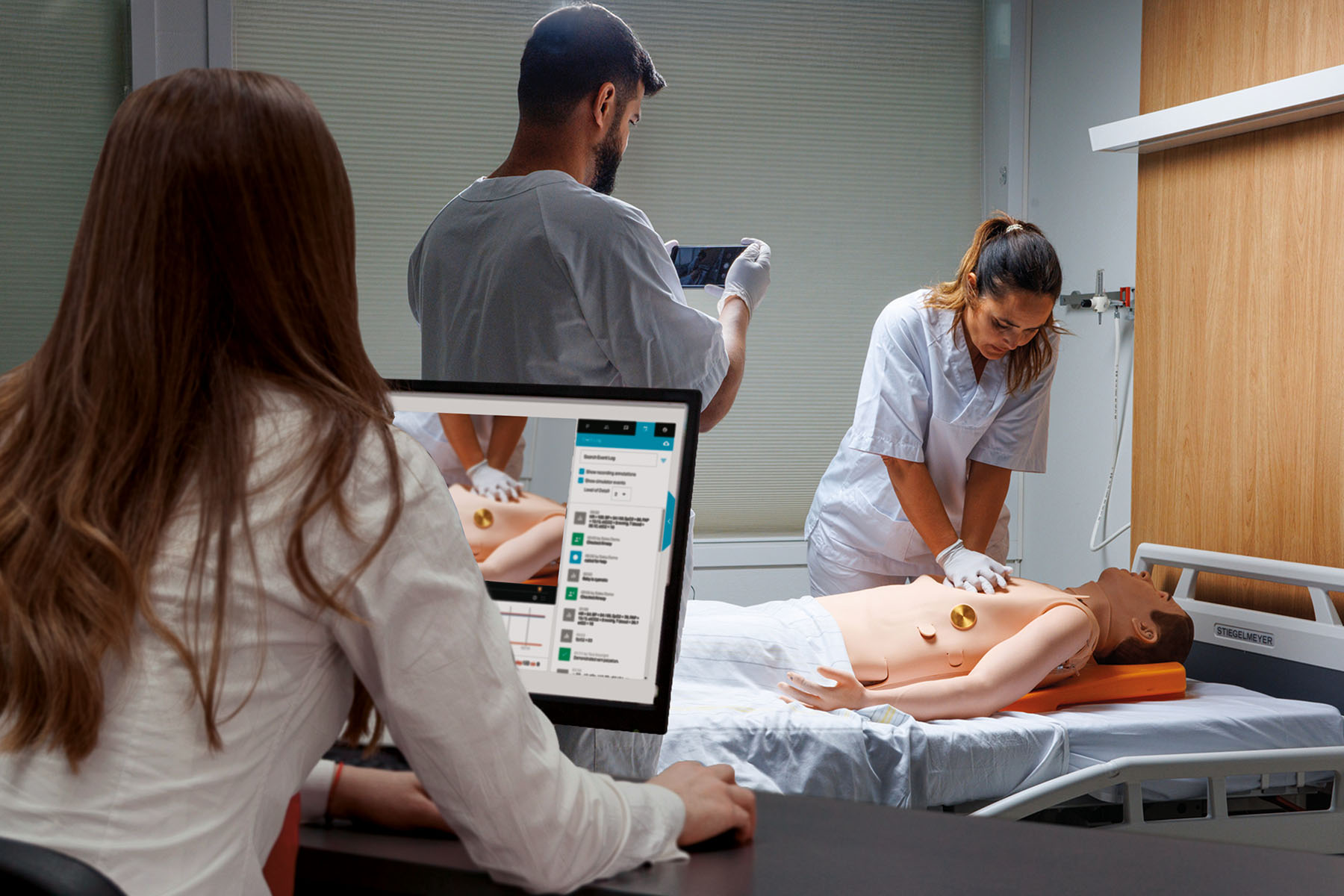
Healthcare Simulation Funding: How to Find Grants and Financial Support
Explore how to identify and evaluate funding opportunities for your healthcare simulation program.
Mere information
A successful healthcare simulation grant proposal explains the need for funding, the proposed solution, expected outcomes, and how success will be measured. Most proposals include an executive summary, organization background, statement of need, project description, outcomes and outputs, evaluation methods, and a budget narrative.
Whether you’re seeking funding for simulation equipment, faculty development, curriculum expansion, or a new simulation center, understanding the core components of a grant proposal can prepare the information needed to support your request.
The executive summary provides a concise overview of the proposal and is often the first section reviewers read.
Typically, the executive summary includes:
While usually presented near the beginning of a proposal, some organizations draft the executive summary after completing the remaining sections.
This section provides context about the organization submitting the proposal and establishes its ability to carry out the proposed project.
Common elements include:
The level of detail varies depending on the funder’s requirements.
The statement of need describes the problem, challenge, or opportunity the project is intended to address.
In healthcare simulation, statements of need frequently focus on:
Organizations often support the statement of need with data, research, accreditation requirements, community needs assessments, or internal program findings.
The project description explains what the organization intends to accomplish and how the project will be carried out.
Common elements include:
Healthcare simulation projects may include activities such as purchasing equipment, expanding simulation access, developing new educational experiences, training faculty, or launching new programs.
Many grant proposals include sections focused on project results and how success will be measured.
Outputs are the activities completed or products delivered through the project.
Examples include:
Outcomes describe the changes or benefits that result from those activities.
Examples include:
Evaluation methods explain how outputs and outcomes will be measured and documented.
Examples include:
Together, outputs, outcomes, and evaluation methods help demonstrate project impact and accountability.
The budget outlines how funding will be used to support project activities.
Common budget categories include:
Many proposals also address sustainability, describing how project benefits may continue after the grant period ends.
Common sustainability considerations include:
Budget and sustainability information helps funders understand both the immediate and longer-term value of the proposed investment.
Funding opportunities vary by organization and funding source, but healthcare simulation initiatives may be supported through several grant categories.
Program or project grants support specific activities, initiatives, or educational goals outlined in the proposal.
Some organizations offer general operating grants that provide broader support for organizational activities and operations.
Capital grants support larger investments such as facilities, infrastructure, simulation center development, equipment purchases, or technology implementation.
Most healthcare simulation grant proposals include an executive summary, organization background, statement of need, project description, outcomes, outputs, evaluation methods, and a budget narrative. Many proposals also include sustainability information.
The statement of need explains the problem, challenge, or opportunity that the proposed project is intended to address. It provides the rationale for funding.
Outputs are measurable activities or deliverables, such as the number of learners trained. Outcomes are the changes that result from those activities, such as improved confidence, preparedness, or performance.
Evaluation methods explain how project results will be measured, documented, and reported. They help demonstrate accountability and project impact.
Grant budgets commonly include categories such as equipment, software, faculty development, educational materials, personnel costs, and evaluation activities. Specific requirements vary by funder.
A sustainability plan describes how project benefits may continue after grant funding ends through institutional support, maintenance strategies, future funding opportunities, or ongoing program integration.
Depending on the funding source, simulation initiatives may be eligible for program grants, general operating grants, capital grants, workforce development funding, patient safety initiatives, quality improvement programs, or other healthcare-related funding opportunities.