4 Training Products for High-Performance CPR In Real-World Conditions
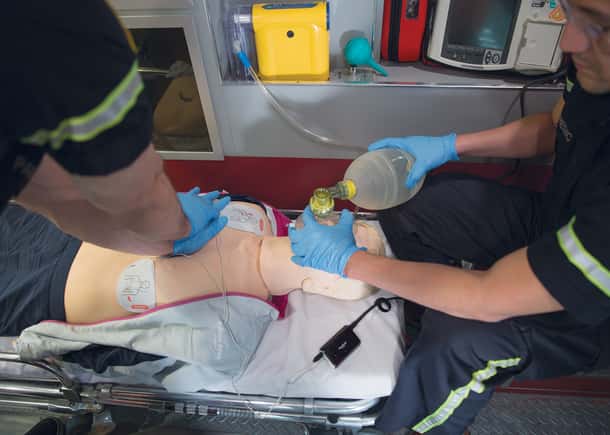
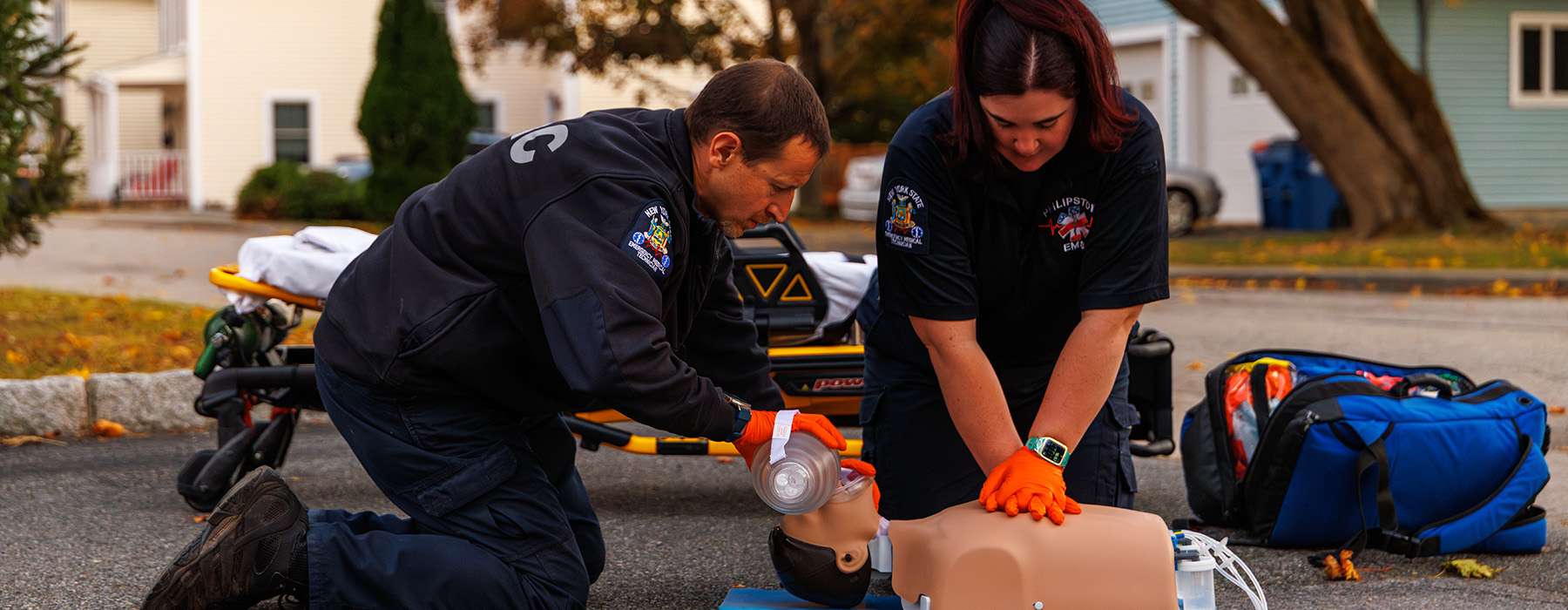
If you’re a pre-hospital provider, you know that high-quality CPR doesn’t happen on a flat floor in a quiet classroom. It happens in cramped locker rooms, small bathrooms, stairwells, and the back of a moving ambulance. Often, it’s with limited hands, rising fatigue, and constant distractions. Yet much of CPR training still occurs in controlled environments that don’t mirror this reality.
Many EMS clinicians feel the struggle to maintain CPR standards while also managing the operational realities of the field. The challenge isn’t a lack of knowledge about what high-quality CPR is. The challenge is sustaining it when space is tight, resources are limited, and conditions are far from ideal.
Training for that reality requires tools that let learners practice team dynamics and manage cognitive load under pressure. These tools also help learners adapt in real time and reflect on how their decisions and teamwork affect performance.
Simulation helps bridge that gap. By recreating the sensory, spatial, and cognitive challenges of real cardiac arrests, simulation allows learners to build skill, judgment, and confidence without putting patients at risk.
In this article, we list four training products that can help you design a high-performance CPR program grounded in the realities of pre-hospital care.
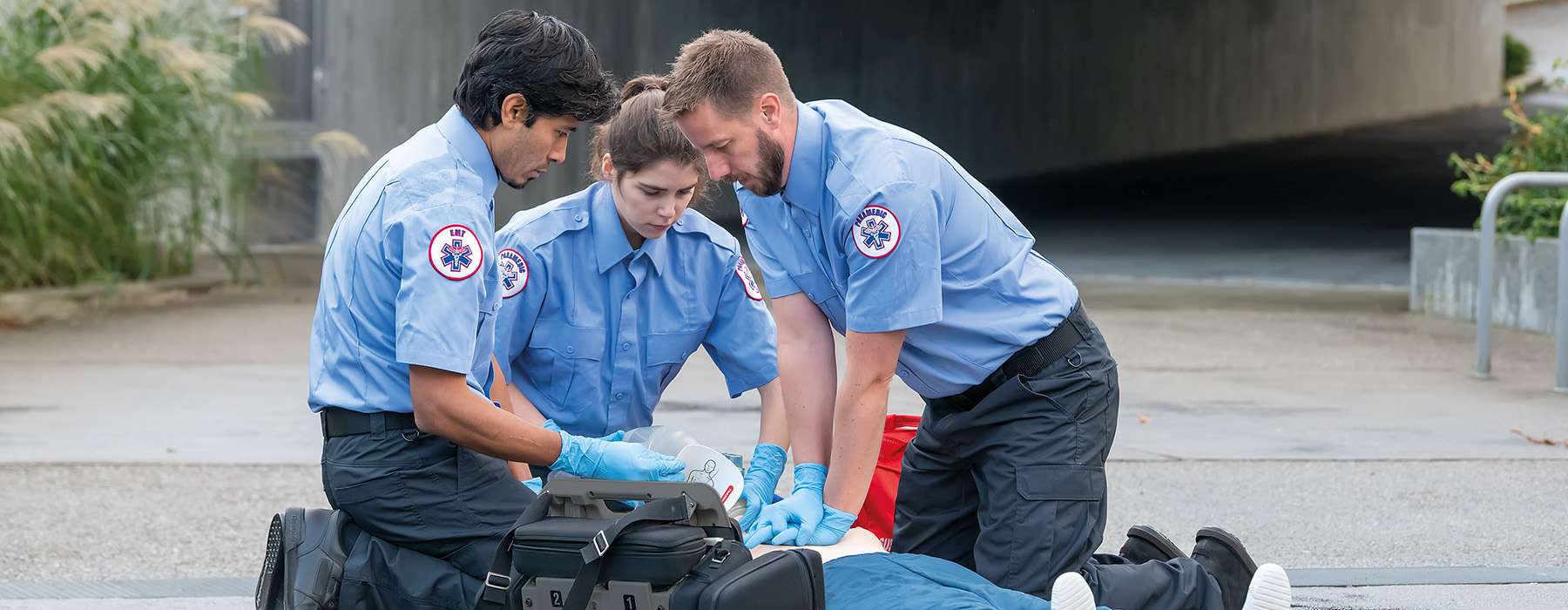
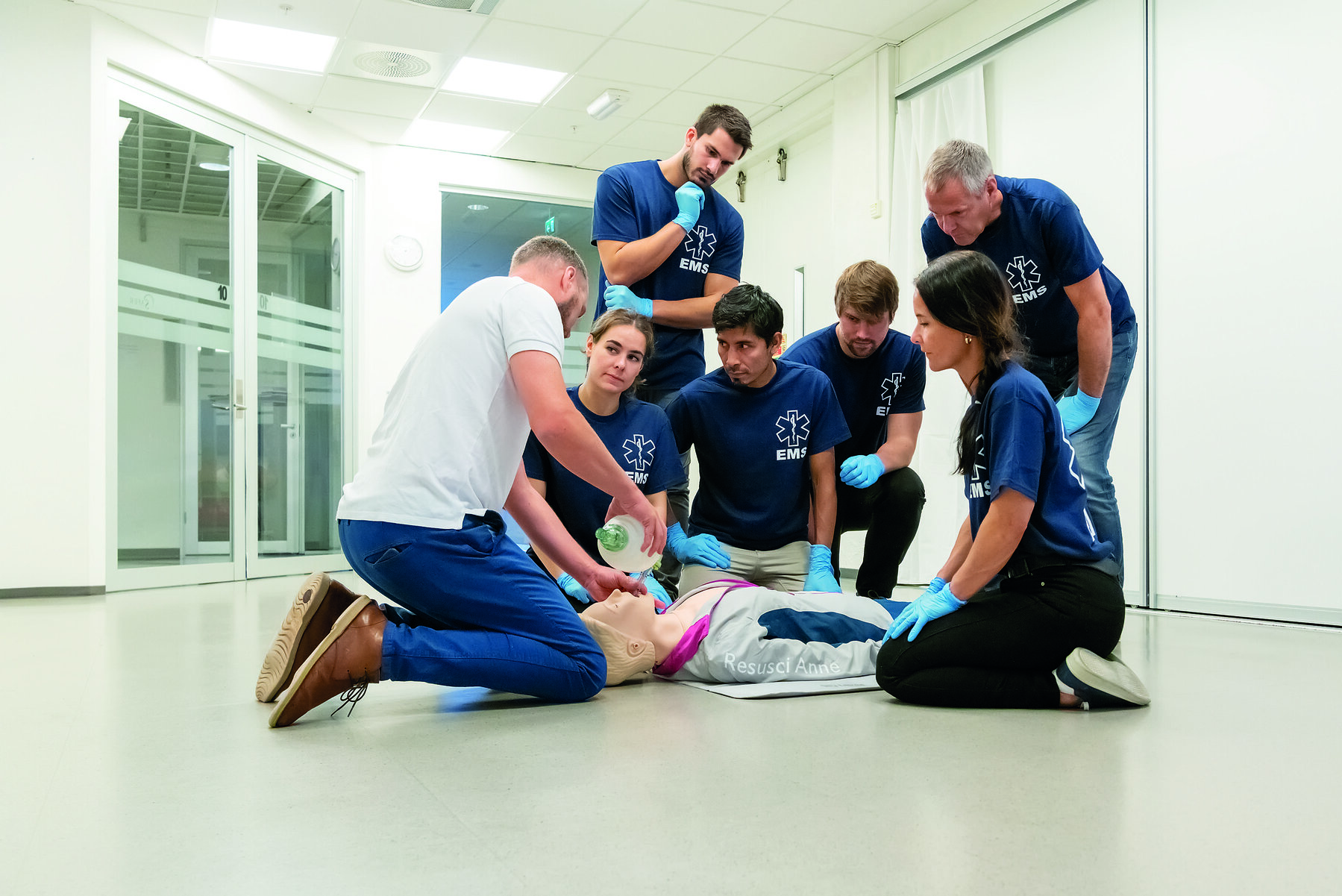
The foundation of high-quality CPR training is objective, reliable feedback, especially when conditions are less than ideal. Resusci Anne QCPR is a full-body manikin designed for complex environments. It allows learners to practice compressions and ventilations with real-time, measurable feedback on depth, rate, recoil, ventilations, and hand placement.
Resusci Anne QCPR is designed to be customizable, with upgrade kits and accessories to help you grow your program over time.
Paired with the QCPR app, instructors can get a detailed timeline view of performance, which helps to identify pauses easily. Track performance across multiple learners, sessions, and environments to drive continuous improvement.
Adding the ShockLink device allows you to train with your own defibrillator, allowing teams to practice safe pad placement, shock delivery, and CPR continuity without breaking immersion.
Learners can train in hallways, confined rooms, or on stretcher platforms, spaces that mirror real calls, while still receiving precise feedback. Over time, instructors can identify trends related to fatigue, positioning, and environment, turning subjective observation into actionable data.
Conduct drills in varied environments such as stairwells, hallways, cramped bathrooms, or stretcher platforms. Set up extended sessions simulating long transport scenarios with limited crew members. Use QCPR metrics to guide rotation timing, pacing, and technique adjustments. Encourage learners to notice how fatigue affects their compression quality and adjust rotations proactively.
Practicing regularly in this way builds muscle memory for maintaining performance under fatigue and reinforces team awareness of when to rotate compressors.
High-performance CPR doesn’t rely just on compression and ventilation quality. It’s also about communication, role clarity, situational awareness, and decision-making under pressure – especially in chaotic or space-restricted environments.
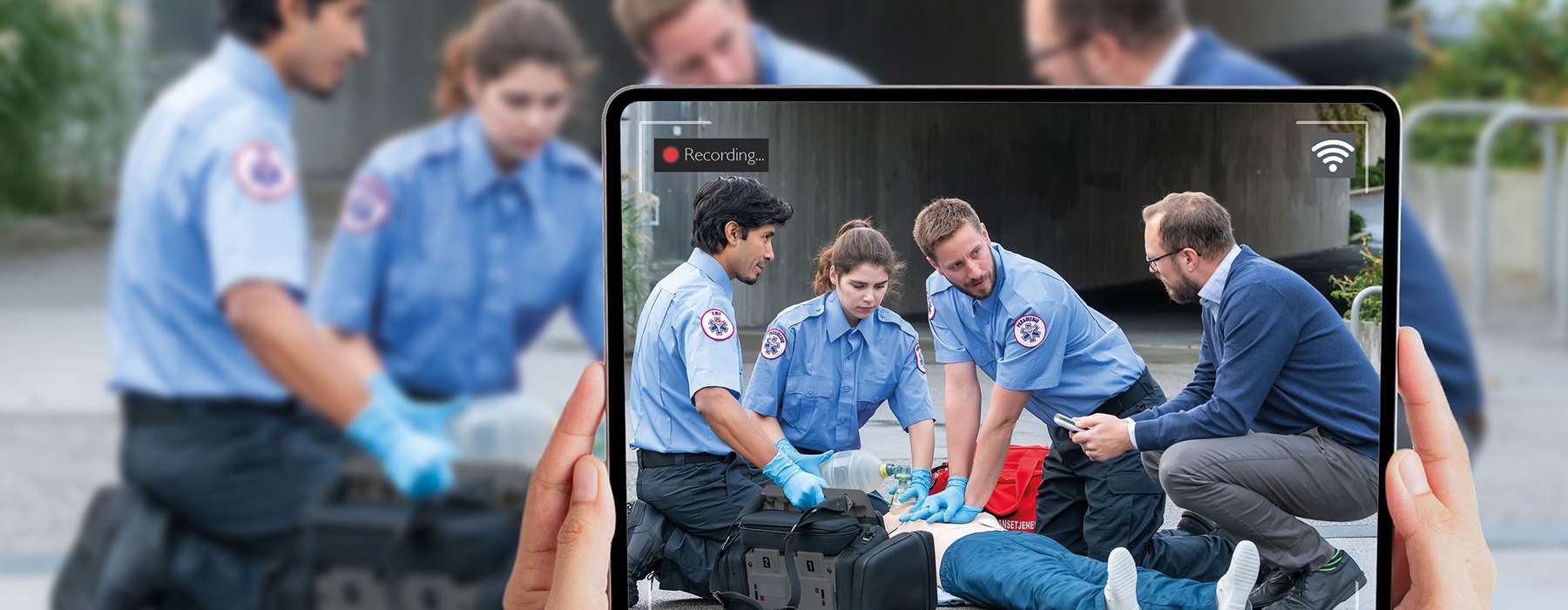
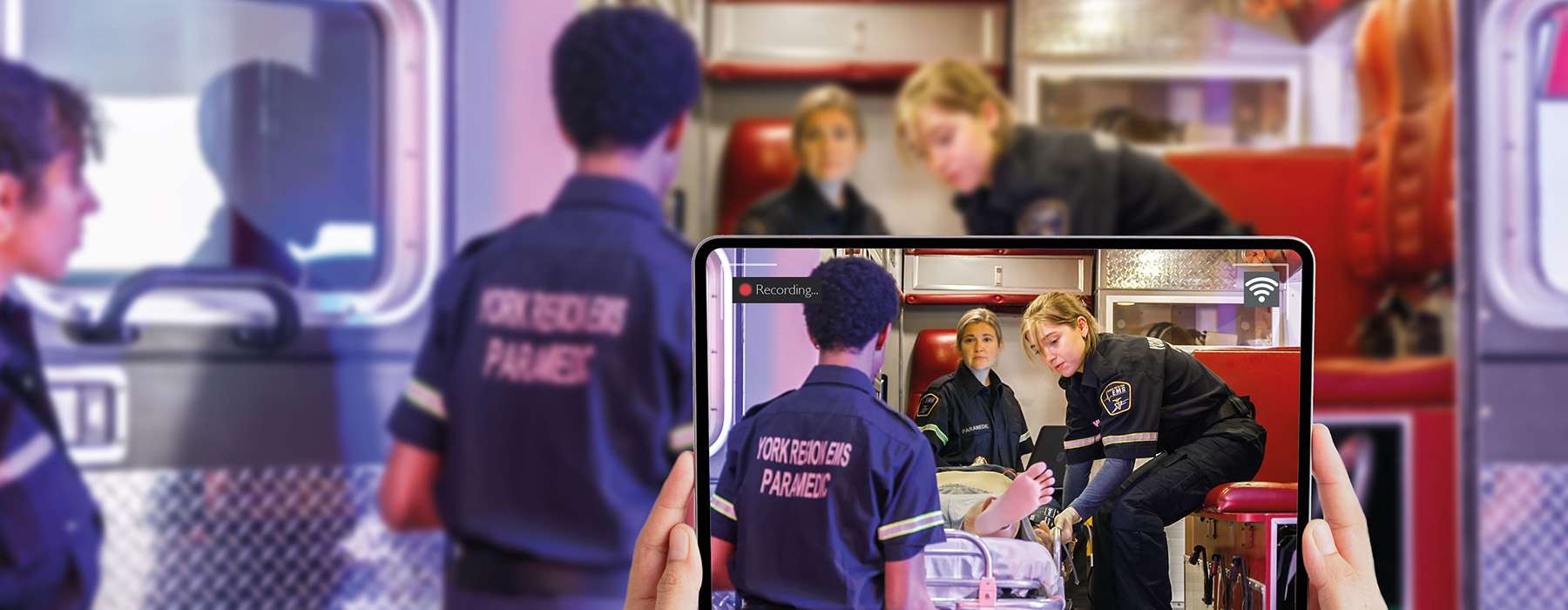
SimCapture for EMS Training allows you to record any on -the-move simulation scenario. and annotate key moments, creating a powerful foundation for debriefing. Multi-angle and mobile recording, combined with annotations, supports solid and objective post-training debriefing in these contextualized training environments.
With video-assisted debriefing, learners don’t have to rely on memory or perception alone. They get a “view of themselves from the outside.” They can see exactly how positioning, timing, leadership, and communication affected CPR performance. For example, learners can see the impact of another team member blocking access to the patient, or delays in switching compressors. This can help teams recognize how environmental stressors influence both technical and non-technical skills and how small adjustments can make a real difference.
- Ed Biebel
Clinical Simulation Manager, Rowan College at Burlington County

Read Ed's full story: Preparing Paramedic Students with Video-Assisted Debriefing at Rowan College.
After completing a scenario, review the footage with the team alongside QCPR data. Encourage each member to identify at least one adjustment in communication, rotation, or positioning that could improve performance. Discuss strategies to anticipate fatigue, manage limited crew resources, and maintain CPR quality under pressure.
This reflective practice strengthens non-technical skills such as situational awareness, leadership, and collaboration. Over time, teams perform more smoothly and consistently during real emergencies. – which can make a real impact on reducing on-scene chaos.
Related Content: 10 Tips for Expert EMS Simulation Debriefing
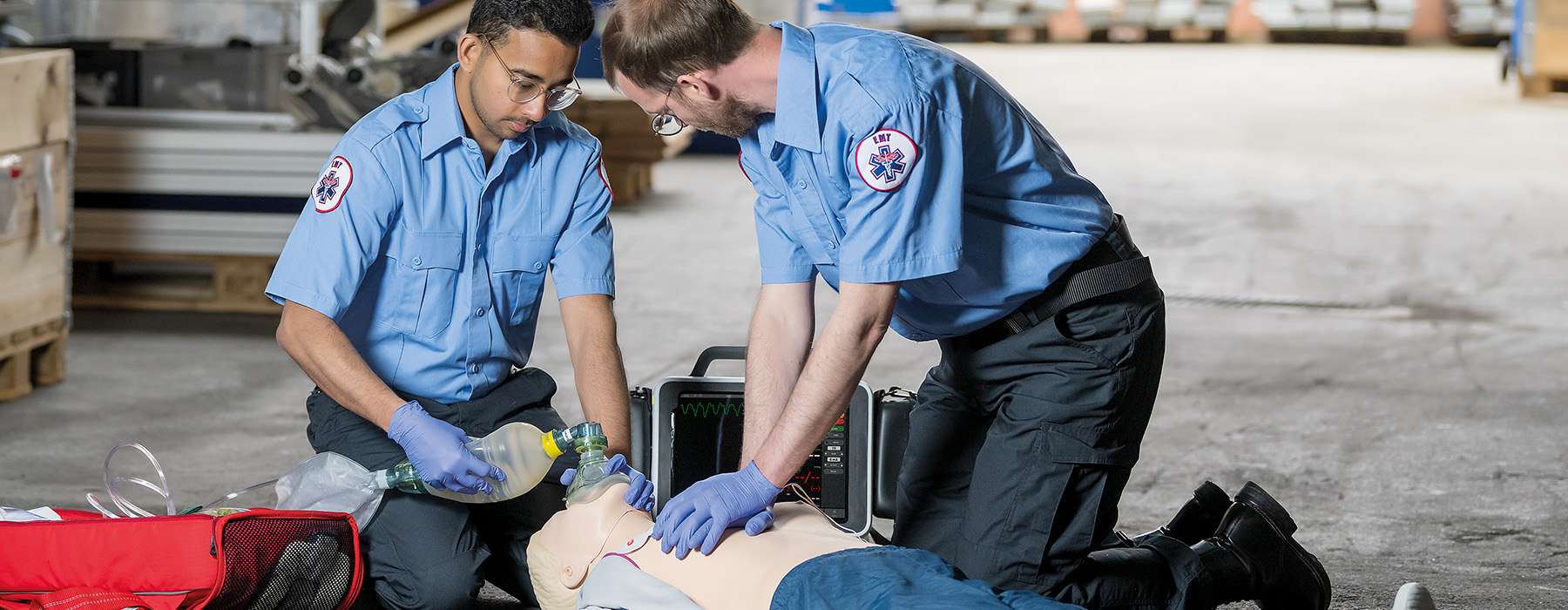
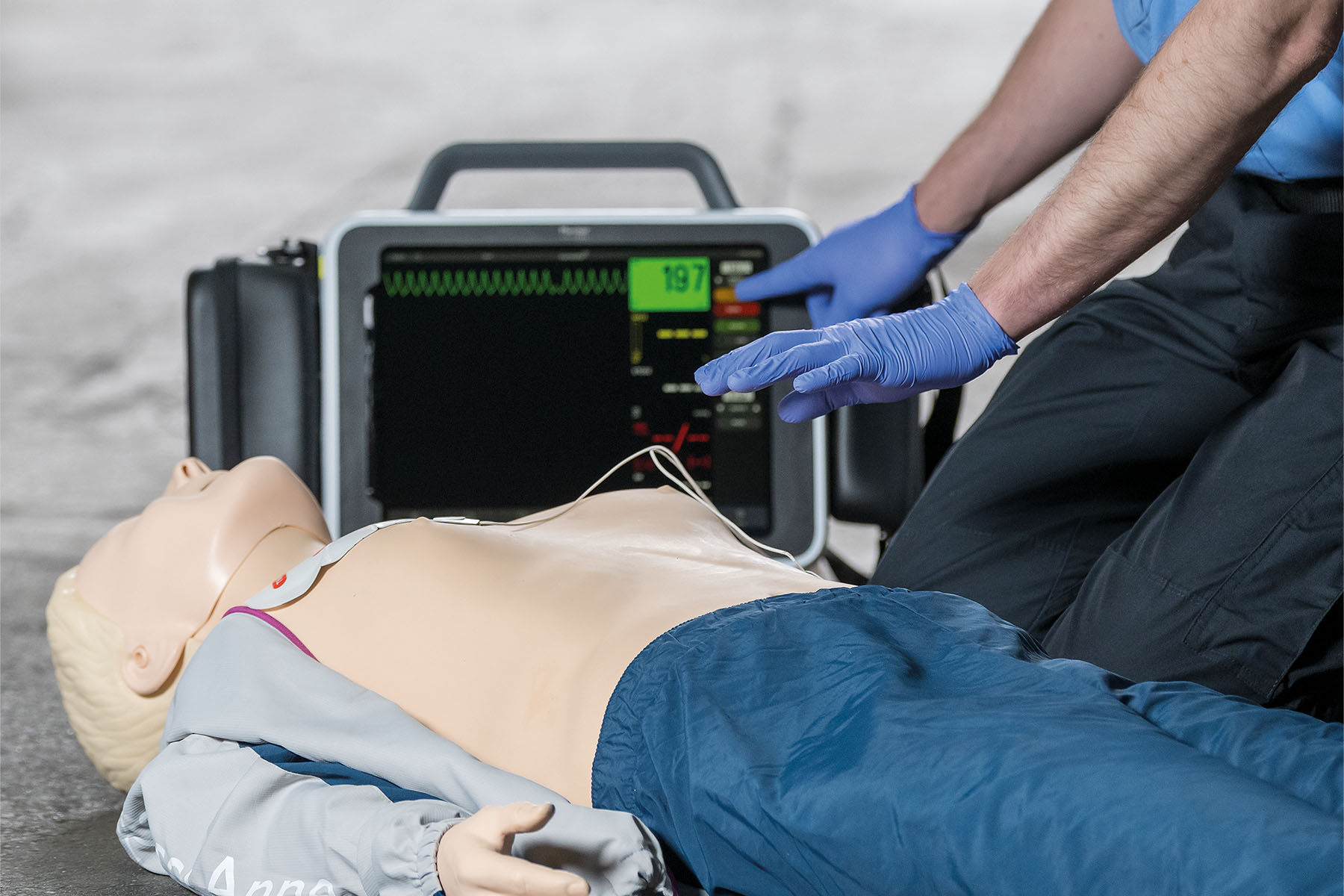
Effective CPR training should also prepare learners to interpret patient data and act on it. Monitor by Laerdal is a portable, three-in-one application-based learning tool that functions as a simulated defibrillator, ventilator, and patient monitor. It integrates seamlessly with Laerdal manikins.
Learners can monitor vital signs, interpret ECG rhythms, perform defibrillation and pacing, and practice ventilator operation while coordinating care during a cardiac arrest scenario.
Rather than treating monitoring as a background task, learners must actively process changing data and make decisions while CPR is ongoing. This reinforces the reality that high-quality CPR happens alongside defibrillation, airway management, and team coordination – not in isolation.
Using Monitor by Laerdal, assign one learner to verbalize rhythm interpretation, vitals changes, and defibrillation readiness. Use this to reinforce closed-loop communication and role clarity while compressors focus on maintaining quality under fatigue and distraction. Rotate roles so that all learners can practice cognitive load management.
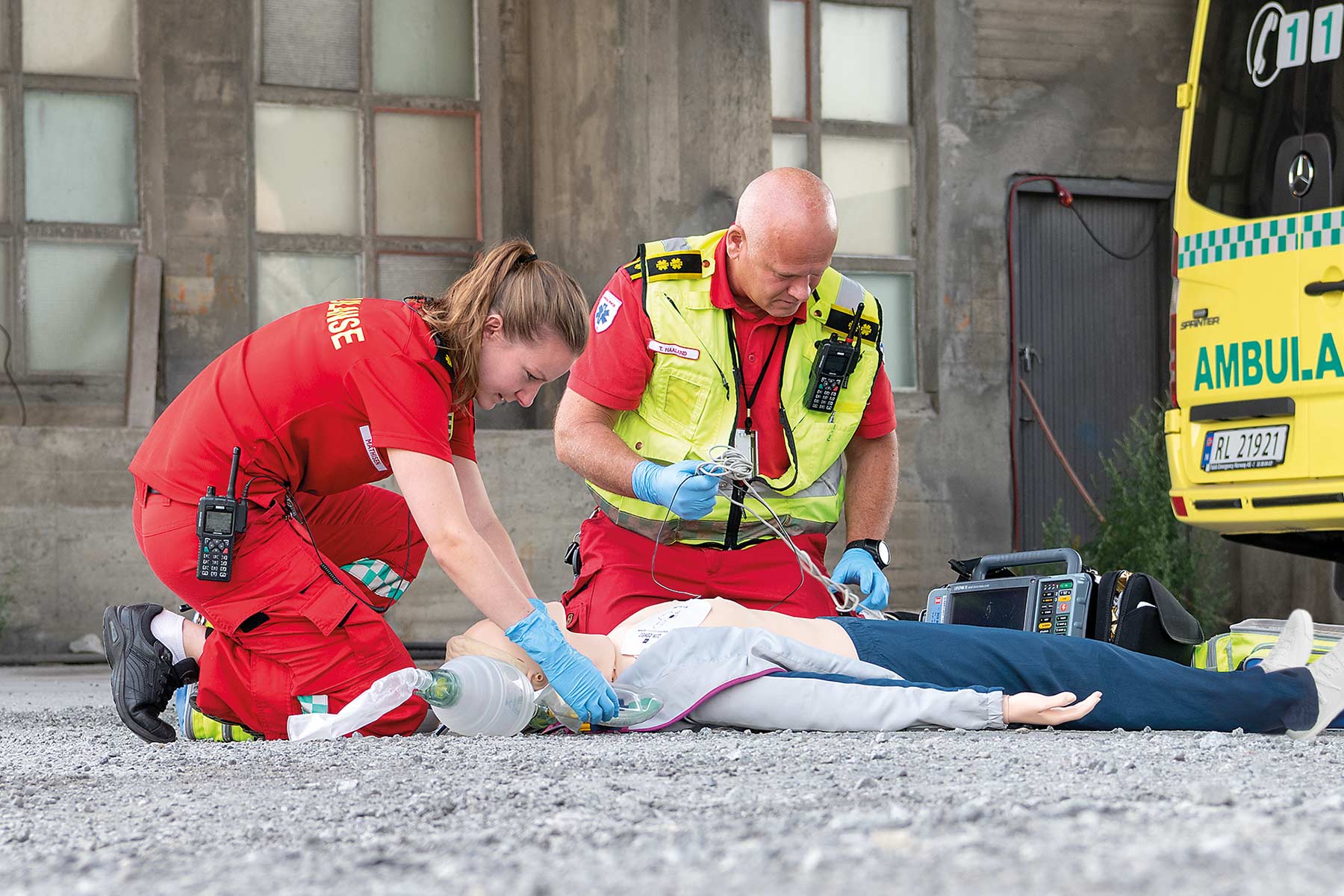
High‑performance CPR rarely happens in isolation from airway management. In real cardiac arrests, teams are often performing compressions while managing suction, ventilation, and intubation—frequently in contaminated airways and space‑constrained environments.
The Laerdal Advanced Airway Solution allows teams to train on CPR and airway management together in realistic, fluid-based scenarios, including Suction-Assisted Laryngoscopy and Airway Decontamination (SALAD)-based suction. With continuous blood and vomit analogs, adjustable airway difficulty, and integrated QCPR feedback, the Laerdal Advanced Airway Solution helps learners experience how airway challenges directly impact CPR quality, timing, and team coordination.
Dual manikins support parallel wet and dry stations, allowing more learners to practice in less time without sacrificing realism. Fast setup, minimal cleanup, and continuous contamination support repeated, high-throughput training sessions. This is key when time, space, and resources are limited.
Airway complications, suction demands, and CPR performance are tightly linked during real resuscitations. Training with the Laerdal Advanced Airway Solution helps learners practice maintaining high‑quality compressions while coordinating suction, visualization, and airway interventions — reinforcing the reality that CPR excellence depends on effective team integration, not isolated skills.
Run scenarios where one team manages compressions and defibrillation while another manages a contaminated airway using suction and advanced airway techniques. Use QCPR feedback to observe how airway interruptions affect compression fraction and timing. Rotate roles to reinforce communication, anticipation, and shared mental models during high‑stress resuscitations.