5 Takeaways for Leveraging Technology in Simulation
What Simulationists Need to Know About Using Technology with Intention
What Simulationists Need to Know About Using Technology with Intention
If you’re in healthcare simulation, you know that emerging technologies like AI, VR, and adaptive learning are opening new possibilities. At the same time, educators are asking more practical questions. What fits into day-to-day teaching? What improves learning outcomes? What helps without adding complexity?
In our recent webinar, Practical Strategies for Leveraging Technology in Simulation, we explored these questions. Throughout the session, speakers shared concrete examples of how technology can support curriculum design, assessment, and faculty efficiency when implemented with intention and aligned with real educational needs.
In this article, we share five key takeaways from the webinar.
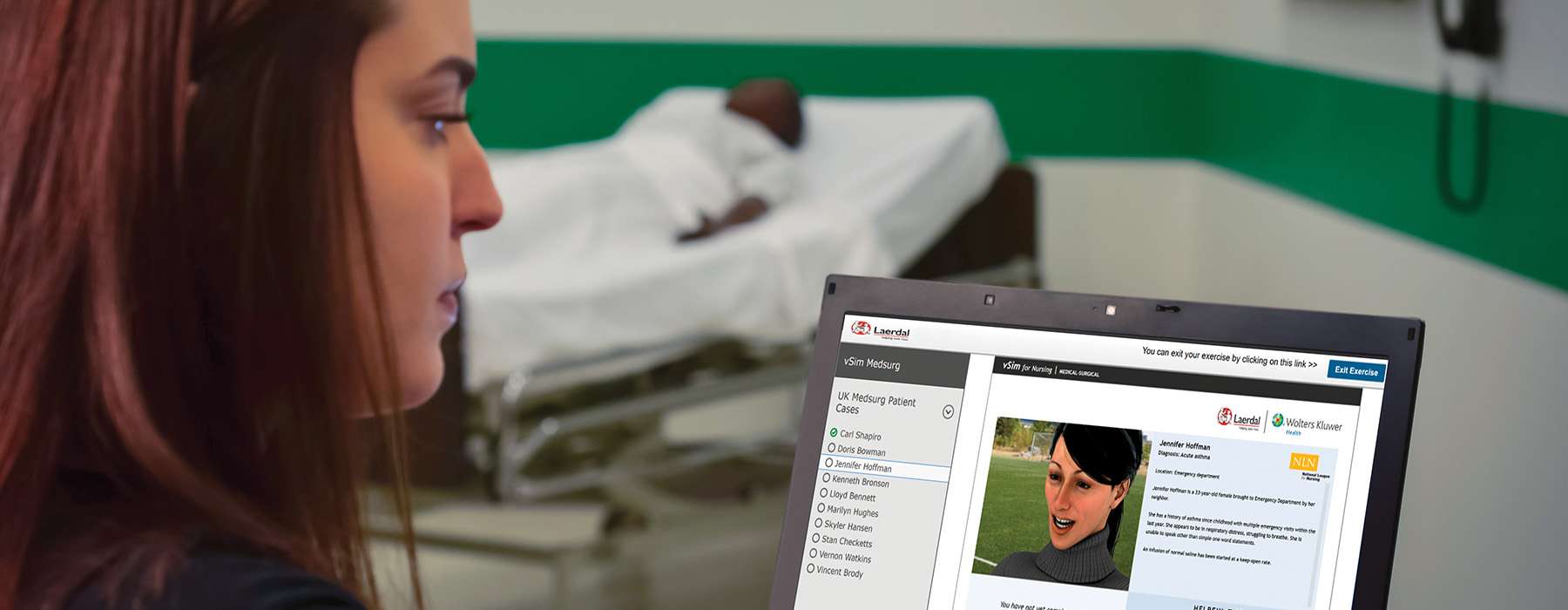
A central theme of the webinar was starting with learning goals rather than tools. Buffy Allen, Product Manager at Laerdal, encouraged educators to first identify where learners struggle and where faculty need support. From there, you can select technology to address those gaps.
“The important thing to keep in mind is that we don’t want to just use technology to add one more thing to our curriculum, but rather find ways to enhance, bolster, or maybe even replace some of the learning activities that we’re already doing,” Buffy explained. “It’s about finding the best modality for the outcomes we’re hoping to achieve.”
This guidance reflects a real challenge educators face. About 13% of webinar participants said their biggest obstacle to adopting technology was knowing which solutions actually add value. Starting with outcomes helps reduce that uncertainty and keeps decisions grounded in curriculum needs.
Key Point:
Starting with identifying learning gaps can help you determine which technologies are most relevant to your curriculum.
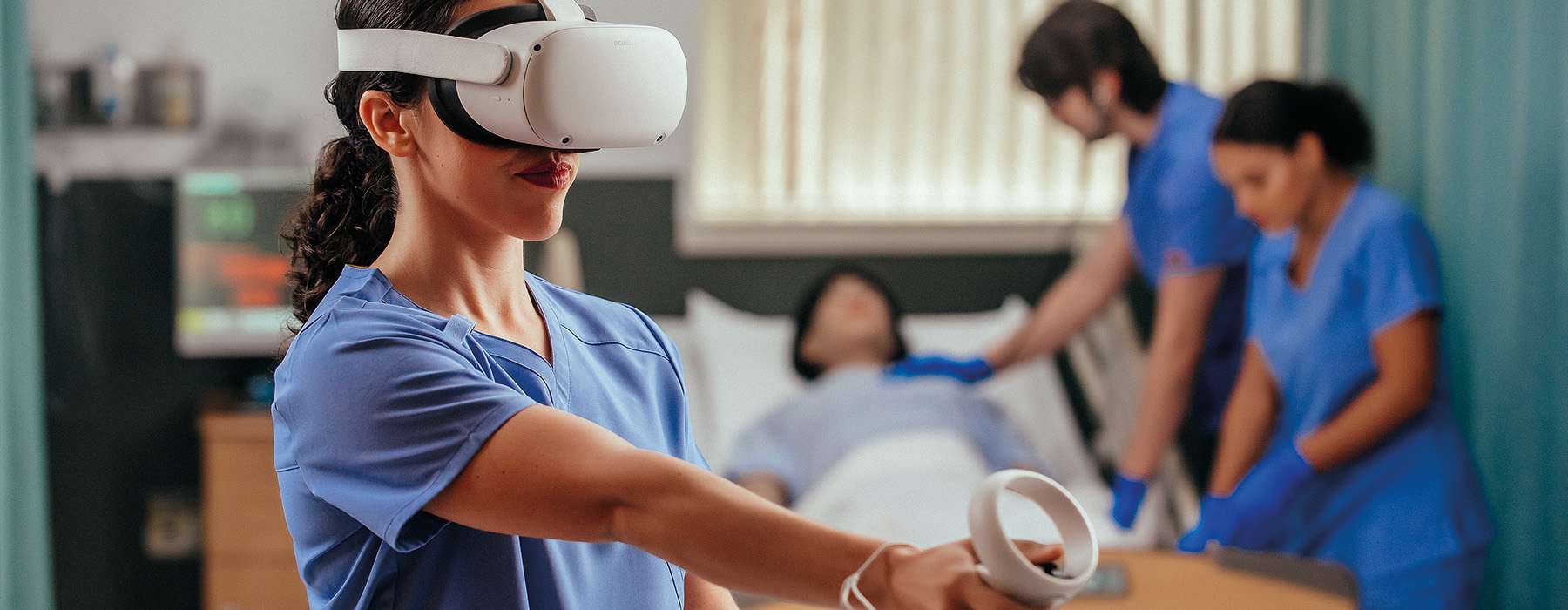
Rather than relying on a single solution, the webinar emphasized layering technologies over time. Buffy Allen explained how educators can sequence virtual simulations like vSim® for Nursing and virtual reality experiences like vrClinicals for Nursing so learners progress from individual patient care to managing multiple patients and priorities.
This scaffolded approach supports two of the most common goals that the webinar attendees shared.
Repeated, progressive exposure helps reinforce both goals.
Key Point:
You can layer virtual simulation and VR simulation across a semester to reinforce clinical judgment, decision-making, and prioritization.

Faculty time and workload were among the most pressing concerns attendees had, cited by 23% of respondents as their biggest challenge.
We addressed this issue directly during the discussion of AI-supported workflows in SimCapture.
Tara Searight, Director of Product Management at Laerdal, explained that SimCapture’s AI features support faculty by reducing manual effort—not by replacing expertise.
The goal is “making the busy work involved in actually executing that expertise significantly less of a time sink,” she explained.
Examples included AI-assisted evaluation building from existing documents and AI-powered transcription to make simulation review more efficient at scale.
Key Point:
AI-supported workflows within SimCapture can help you spend less time on administration and more time on teaching and feedback.
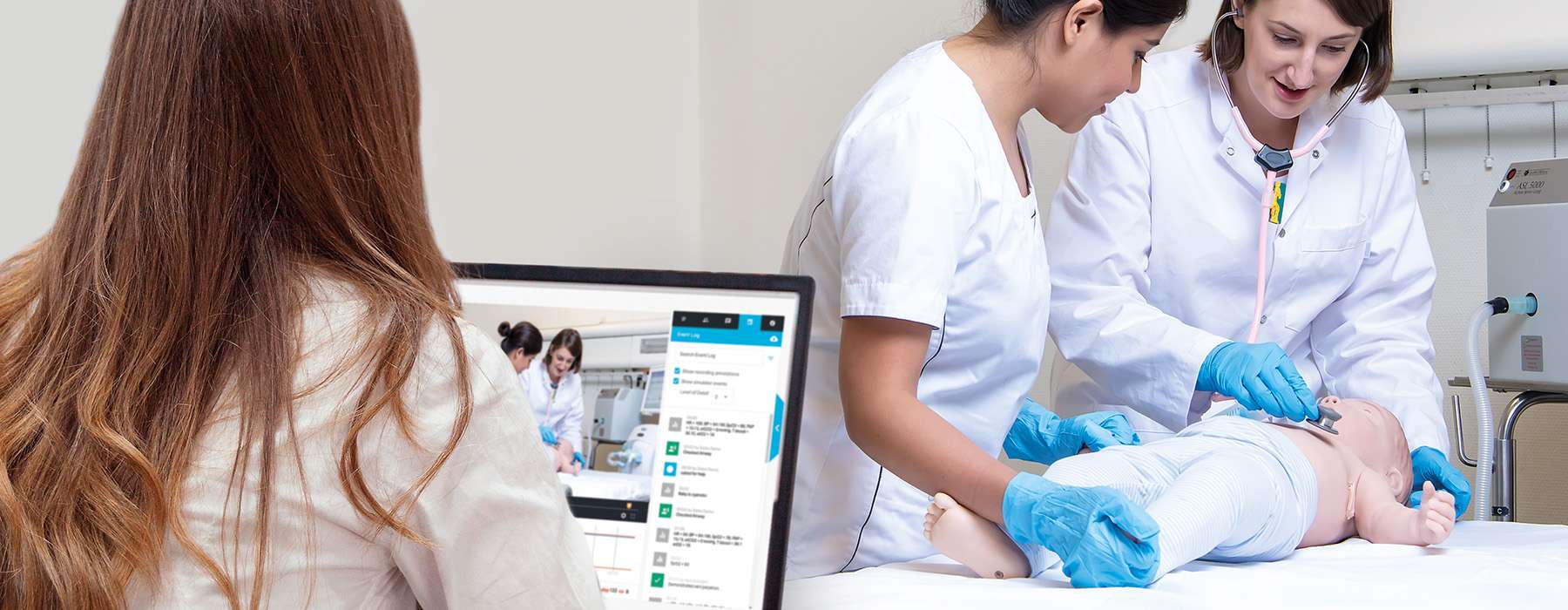
Assessment and feedback was another area where educators see opportunity. About 9% of attendees said it was the top improvement they hoped technology could deliver.
Tara Searight described how AI-assisted simulation evaluation can serve as a second set of eyes, helping faculty identify patterns, variation, or areas that warrant closer review. These tools support consistency and confidence while faculty retain control of final decisions.
Key Point:
AI-supported evaluation can help you reduce variation and increase confidence in assessment without removing human judgment.
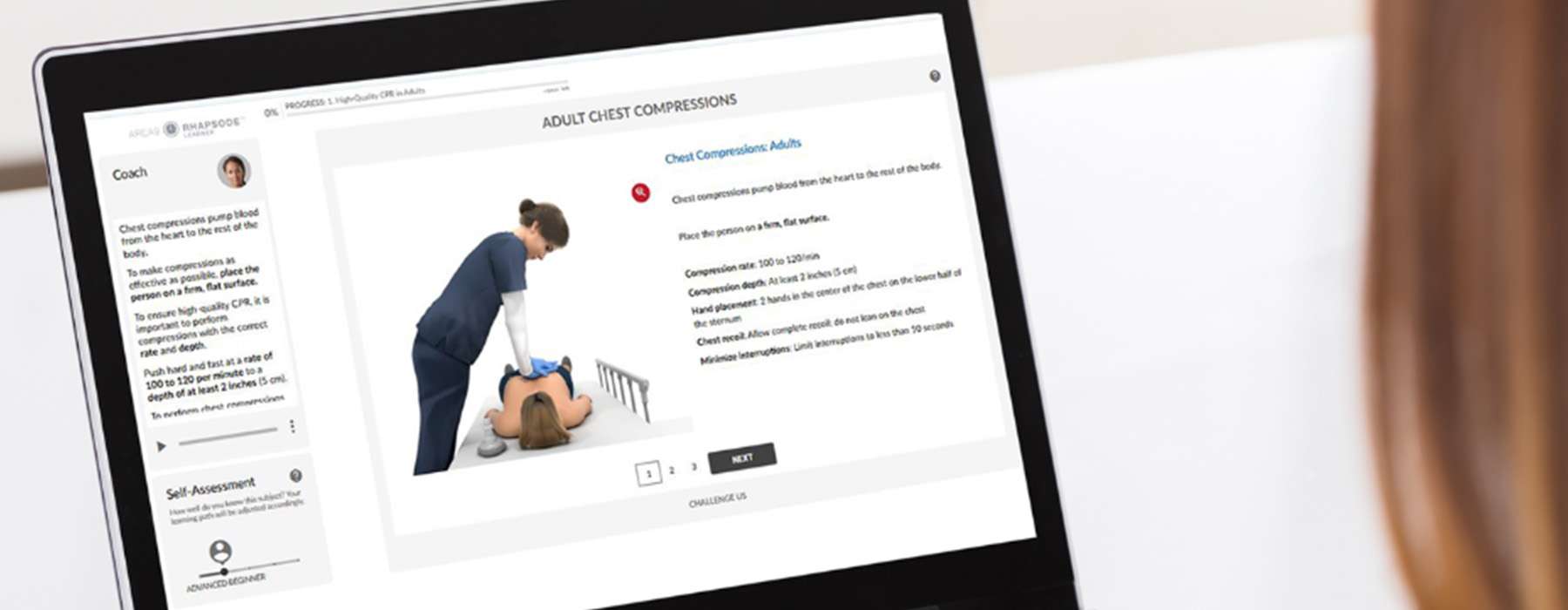
The discussion highlighted adaptive learning as a practical way to support CPR education for learners with different experience levels.
Danica McDonough, Portfolio Director, eLearning, at RQI Partners, explained how Resuscitation Quality Improvement® (RQI®) and HeartCode® use true adaptive learning to tailor education based on each learner’s knowledge and confidence. This helps ensure learners spend time where they need it most.
“True adaptive learning enables learners to receive tailored education, which is specific to their individual level of knowledge and confidence,” Danica explained.
Key Point:
Adaptive learning in programs like RQI and HeartCode can help you tailor CPR training to each learner while supporting consistent, verified competence at scale.
"If you start with where your gaps might be, I think that’s the best place to go. Choosing the right technology, the right tool for the right job, and then knowing that it isn't just one piece of technology to really solve all, but it’s how we stack each one of these tools together to help our learners really attain that confidence they need to be successful."
Buffy Allen, Product Manager
Laerdal Medical

"Understanding not just what's out there, but where your program needs a little bit more support, or where you personally might need a little bit more support, and looking for ways to fill in those gaps and try things. See if it helps, especially when the barrier is low. Keep what works and move on from what doesn't."
Tara Searight, Director of Product Management
Laerdal Medical

"Keep an open mind to new technologies that might seem overwhelming. A lot of these solutions are thoughtfully and intentionally designed so that they can guide you and your learners through the adoption process. Keep a willingness and an open mind to explore."
Danica McDonough, Portfolio Director, eLearning
RQI Partners

This webinar shows how Laerdal’s latest innovations can reduce faculty workload, enhance assessment and feedback, and offer new ways to build clinical judgment and readiness—without adding unnecessary complexity.