Hvorfor tilbakemeldingskompetanse er nøkkelen til å bygge læringskompetanse
Gi elevene muligheten til å få mest mulig ut av tilbakemeldinger.
Denne siden har blitt automatisk oversatt ved hjelp av AI og kan inneholde feil. For å sikre nøyaktig informasjon, se den originale engelske versjonen eller kontakt oss.
“Den kraftigste enkeltstående påvirkningen på prestasjon er tilbakemelding.”1
Simulering gir mange muligheter for deg til å gi verdifull tilbakemelding på elevenes atferd — men tilbakemelding er bare så nyttig som evnen til å bli brukt.2
Det er lett å anta at elevene dine naturlig er klare til å motta tilbakemelding når de går inn i programmet ditt. Forskning viser imidlertid at ikke alle elever i utgangspunktet er klare til å motta og engasjere seg i tilbakemelding.3
Noen elever kan unngå å søke tilbakemelding fordi det vekker negative følelser som angst. Eller de kan vise defensive reaksjoner når de mottar tilbakemelding. Defensivitet er særlig vanlig, og det kan hevdes at denne følelsen er medfødt hos mange.4 Disse faktorene hemmer en elevs evne til å bearbeide og respondere på tilbakemelding på en effektiv måte.5
Hva er tilbakemeldingskompetanse?
Å kunne håndtere tilbakemeldinger er en tillært ferdighet, og det kalles tilbakemeldingskompetanse. Fokuset på tilbakemeldingskompetanse har økt i høyere utdanning.6
Å utvikle tilbakemeldingskompetanse gir lærende evnen til å forstå og bruke tilbakemeldinger effektivt. Denne ferdigheten fremmer en følelse av mestring og handlekraft, og gjør det mulig for lærende å ta gjennomtenkte beslutninger om hvordan de nærmer seg læringen sin.7
Etter hvert som lærende blir mer dyktige til å ta imot tilbakemeldinger, får de en mer aktiv rolle i vurderingsprosessen. Dette styrker ytterligere følelsen av kontroll og deltakelse i læringen deres.8
“Tilbakemeldingskompetanse er noe som ikke har fått helt nok oppmerksomhet. I kompetansebaserte læreplaner er det avgjørende at vi lærer elevene våre hvordan de skal håndtere tilbakemeldingssamtalene de vil ha på skolen.”9
– Mary Fey
Senior Director, Teaching and Learning ved Center for Medical Simulation
Boston, MA
Ifølge en ramme utviklet i 2018 av Carless og Boud, har lærende lykkes med å utvikle tilbakemeldingskompetanse når de har lært hvordan man:10
✓Verdsetter tilbakemeldinger. De anerkjenner den avgjørende rollen tilbakemeldinger spiller i å forbedre prestasjonene deres.
✓Foretar vurderinger. De har evnen til å gjøre gode vurderinger av sitt eget arbeid og andres arbeid, og kan delta effektivt i kollegabasert samhandling.
✓Håndterer følelsene, reaksjonene og holdningene sine. De kan opprettholde emosjonell balanse og blir ikke defensive når de får tilbakemelding. De er proaktive i å be om tilbakemeldinger og streber etter kontinuerlig forbedring.
✓Tar handling. De forstår hvor viktig det er å sette i gang tiltak som respons på tilbakemeldinger.
Tips for å hjelpe studentene dine med å være klare for tilbakemeldinger
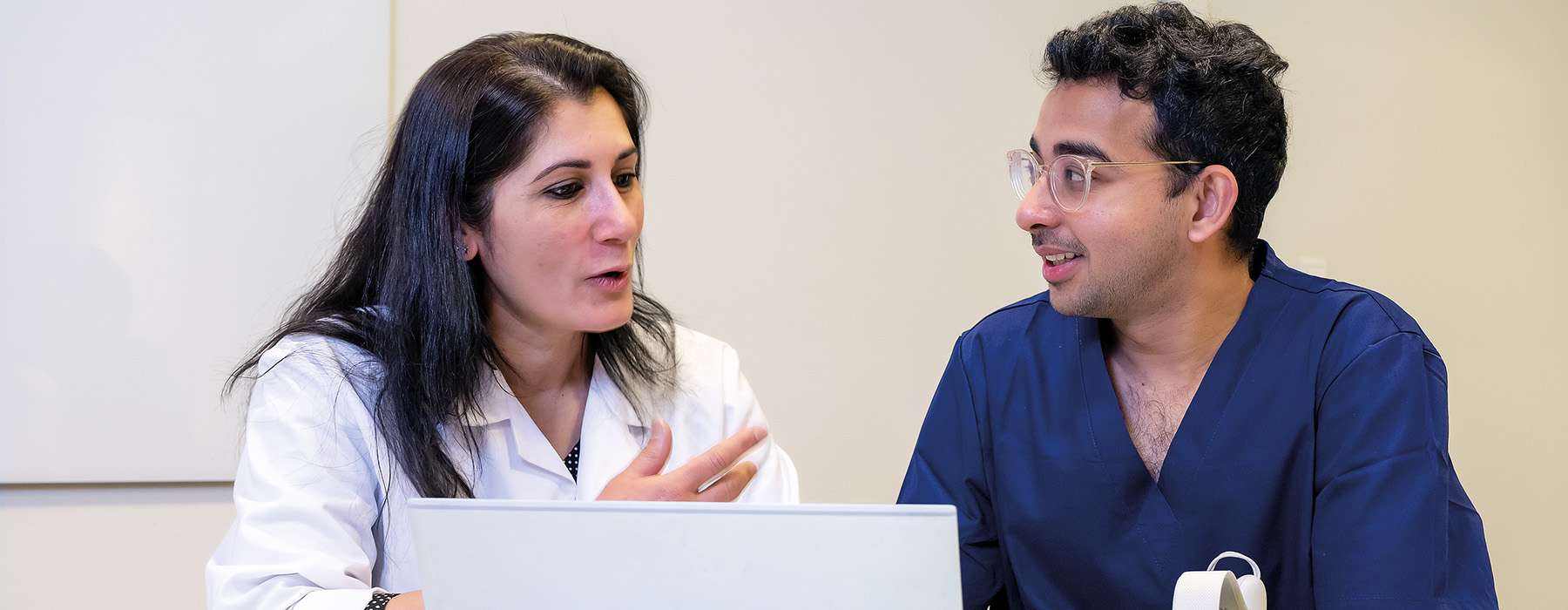
Du kan hjelpe studentene dine med å bygge tilbakemeldingskompetanse, slik at de får mest mulig ut av tilbakemeldingene de mottar fra simuleringene dine. Nedenfor gir vi noen tips for å fremme tilbakemeldingskompetanse hos studentene dine.
✓Forsterk «hvorfor» bak tilbakemeldinger. Ved å forklare studentene dine at tilbakemeldinger vil hjelpe dem med å oppnå kompetansemålene og til syvende og sist føre til bedre pasientbehandling, kan du hjelpe dem å se verdien av tilbakemeldingene.11
✓Legg vekt på hvor viktig tilbakemeldinger er for læringsprosessen. Sørg for at de vet at bevisst øving med tilbakemeldinger er den eneste veien til å bli bedre.12
✓Normaliser det å streve. Helsefagutdanning er krevende. Minn studentene dine på at feil og tilbakemeldinger er helt normale deler av læringsprosessen.13
✓Tilby rikelig med læringsopplevelser mellom jevnaldrende. Eksponering for medstudentenes arbeid hjelper studentene med å vurdere seg selv mer effektivt ved å sammenligne eget arbeid med andres arbeid.14
✓Bruk en omsorgsfull tone når du gir tilbakemeldinger. Tonen din er en av de viktigste faktorene for hvordan de vil reagere på tilbakemeldingene dine. En omsorgsfull tone vil øke deres engasjement i det du har å si.15
✓Gi tilbakemeldinger i tide. Vurder å bruke teknologi for å legge til rette for dette, for eksempel virtuelle eller VR-simuleringer som kan gi dem umiddelbar tilbakemelding på hvordan de kan forbedre seg.
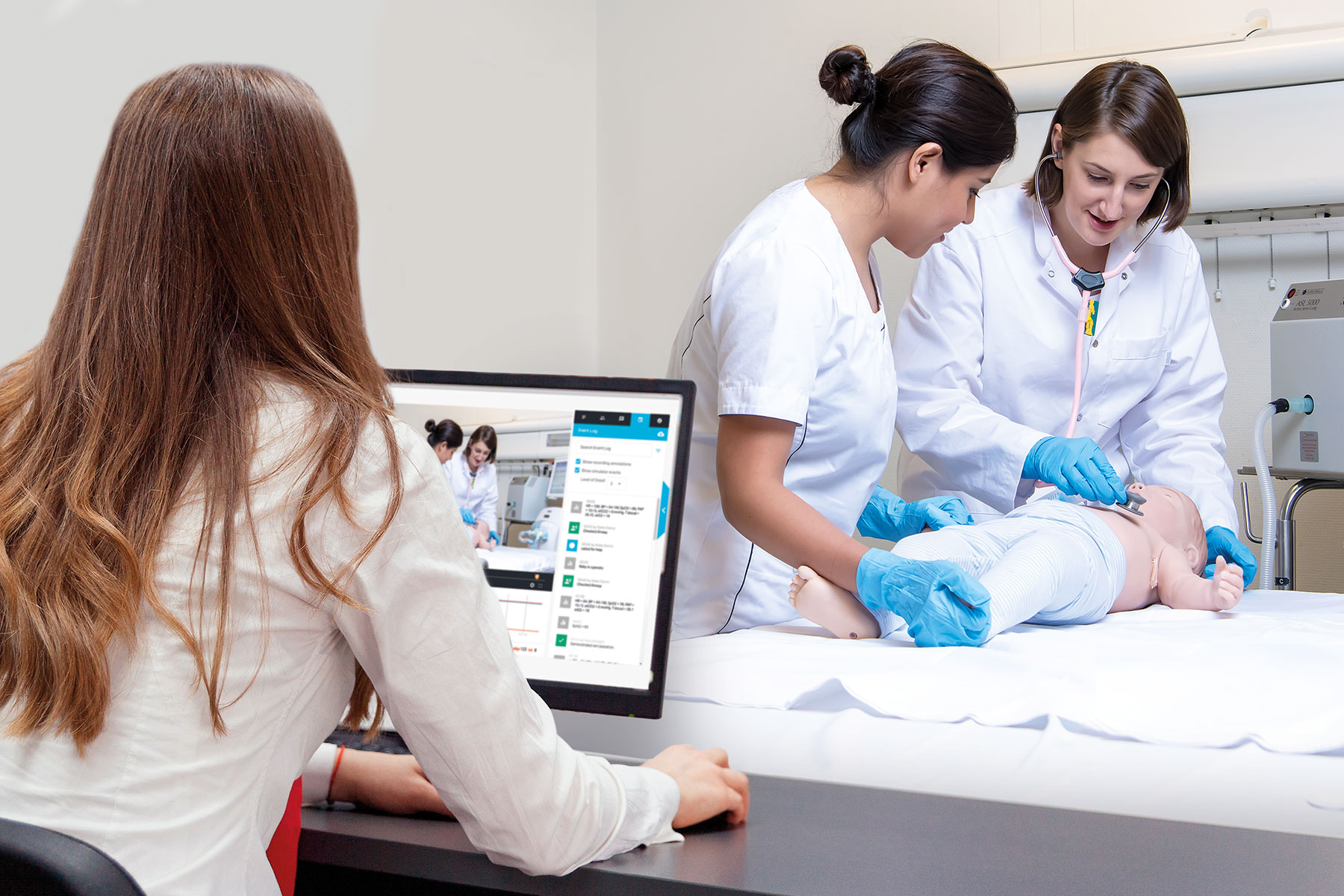
✓Bruk eksemplarer. For eksempel kan det å la studentene se og analysere en videoopptak av en simulering gjøre det mulig for deg å vise, ikke bare fortelle, studentene hva forventningene dine er — samtidig som du også bygger deres evne til å gjøre vurderinger.16
✓Gi dem en tydelig vei videre. Vær konkret i tilbakemeldingene dine om hvilke handlinger de må ta for å forbedre seg.
✓Oppmuntre dem til å strebe etter kontinuerlig forbedring gjennom tilbakemeldinger.17 Forklar at karrieren deres i helsesektoren er en reise der de vil fortsette å utvikle ferdigheter og ekspertise — og at du også gjør det samme.18
✓Start tidlig. Sikt på å begynne å fremme tilbakemeldingskompetanse allerede i første semester.
✓Vær klar over at det tar tid å bygge tilbakemeldingskompetanse. Legg til rette for muligheter der studentene dine kan utvikle denne ferdigheten gjennom hele studieforløpet.
SimCapture er en omfattende programvareløsning for innsamling og administrasjon av simuleringsbasert opplæring...
SimCapture er en omfattende programvareløsning for innsamling og administrasjon av simuleringsbasert opplæring i helsesektoren. Løsningen kan skaleres for å tilpasses dine behov.
Carless, D., & Boud, D. (2018). Utviklingen av studenters feedbackkompetanse: å muliggjøre tilegnelse av tilbakemeldinger. Assessment & Evaluation in Higher Education, 43(8), 1315–1325. https://doi.org/10.1080/02602938.2018.1463354
Tran, M., Rhee, J., & Smith, O. (2024). Forbedring av feedbackkompetanse i en rotasjon i primærhelsetjenesten. Medical Teacher, 1–3. https://doi.org/10.1080/0142159x.2024.2310591
O’Connor, A., & McCurtin, A. (2021). En feedbackreise: å bruke en konstruktivistisk tilnærming til utviklingen av feedbackkompetanse blant lærende i helseprofesjonsutdanning. BMC Medical Education, 21(1). https://doi.org/10.1186/s12909-021-02914-2
Tripodi, N., Feehan, J., Wospil, R., & Vaughan, B. (2020). Tolv tips for å utvikle feedbackkompetanse hos studenter i helseprofesjonene. Medical Teacher, 43(8), 1–6. https://doi.org/10.1080/0142159x.2020.1839035
Clark, C. M., & Fey, M. K. (2019). Å fremme høflighet i læringssamtaler. Nurse Educator, 1. https://doi.org/10.1097/nne.0000000000000731
Tripodi, N., Feehan, J., Wospil, R., & Vaughan, B. (2020). Tolv tips for å utvikle feedbackkompetanse hos studenter i helseprofesjonene. Medical Teacher, 43(8), 1–6.
Jamieson, J., & Torre, D. (2025). Tolv tips for å gi studenter handlingsrom i programbasert vurdering. Medical Teacher, 1–9. https://doi.org/10.1080/0142159x.2025.2459362
Samme som over.
American Association of Colleges of Nursing. (2024, 1. mars). Connection Before Correction: Leveraging Teacher-Learner Relationship Implementing Curriculum Change. YouTube. https://www.youtube.com/watch?v=5Y4HRZHuHnA
Carless, D., & Boud, D. (2018). Utviklingen av studenters feedbackkompetanse: å muliggjøre tilegnelse av tilbakemeldinger. Assessment & Evaluation in Higher Education, 43(8), 1315–1325. https://doi.org/10.1080/02602938.2018.1463354
Tripodi, N., Feehan, J., Wospil, R., & Vaughan, B. (2020). Tolv tips for å utvikle feedbackkompetanse hos studenter i helseprofesjonene. Medical Teacher, 43(8), 1–6.
American Association of Colleges of Nursing. (2024, 1. mars). Connection Before Correction: Leveraging Teacher-Learner Relationship Implementing Curriculum Change. YouTube. https://www.youtube.com/watch?v=5Y4HRZHuHnA
Samme som over.
Carless, D., & Boud, D. (2018). Utviklingen av studenters feedbackkompetanse: å muliggjøre tilegnelse av tilbakemeldinger. Assessment & Evaluation in Higher Education, 43(8), 1315–1325. https://doi.org/10.1080/02602938.2018.1463354
Samme som over.
Samme som over.
Samme som over.
Laerdal Medical. (2024, 28. mars). The Role of Simulation in Competency-Based Education. YouTube. https://www.youtube.com/watch?v=wIb_9bYf6T8