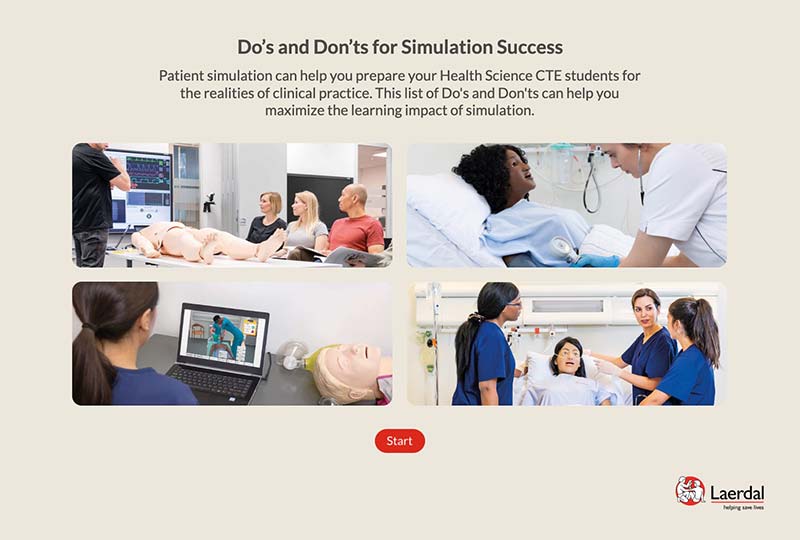



Do's and Don'ts for Simulation Success in Health Science CTE Programs
Explore our list of do’s and don’ts to help you maximize the power of simulation as you prepare your Health Science CTE students for real-world practice.
Health Science Pathway programs play a critical role in preparing future healthcare professionals. With students entering the classroom at varying experience levels—and teachers managing diverse skills training needs—programs often struggle to deliver consistent, hands-on practice that builds real-world competence.
Our solutions help schools deliver career-aligned, skills-focused learning that supports both classroom instruction and long-term student success.
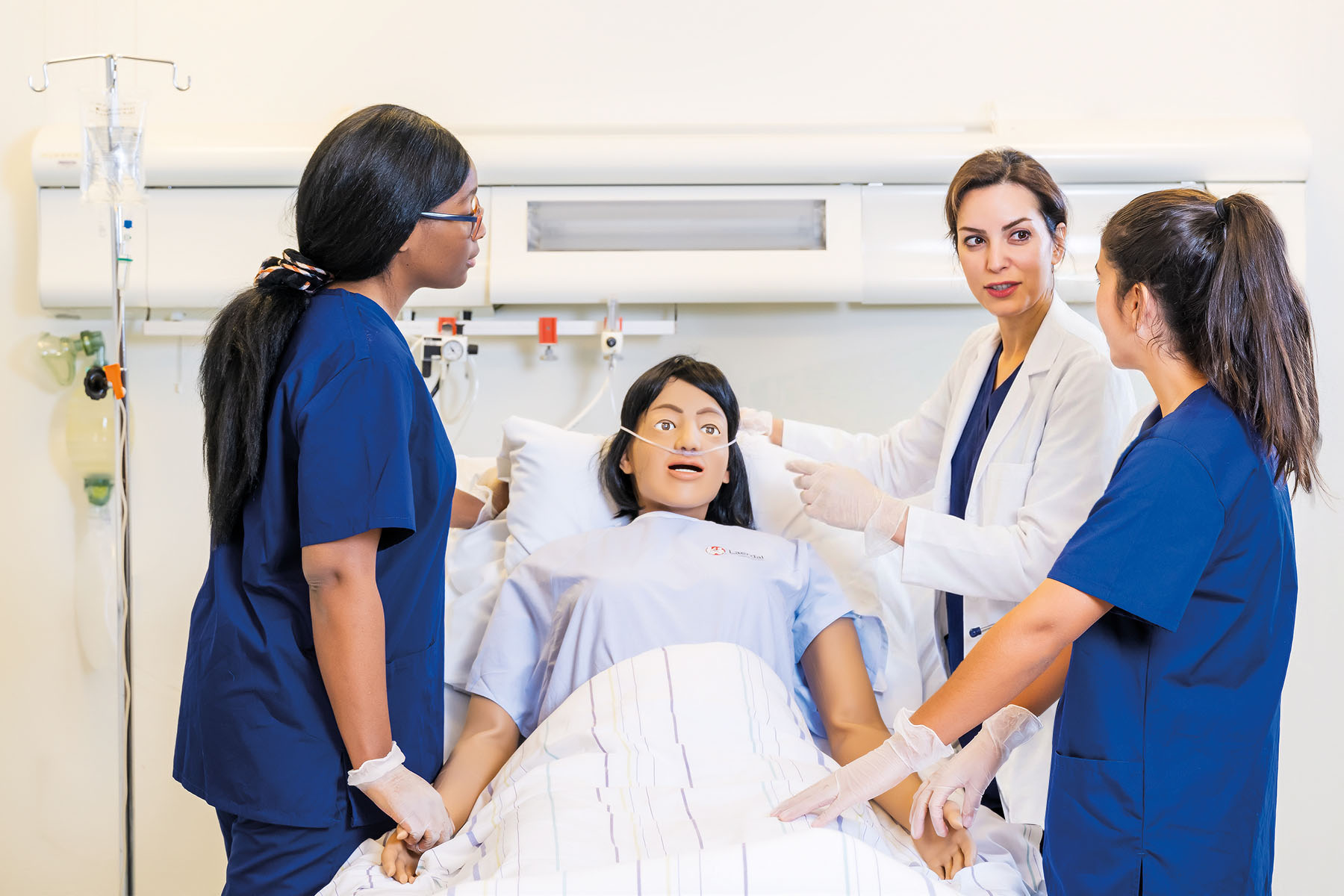
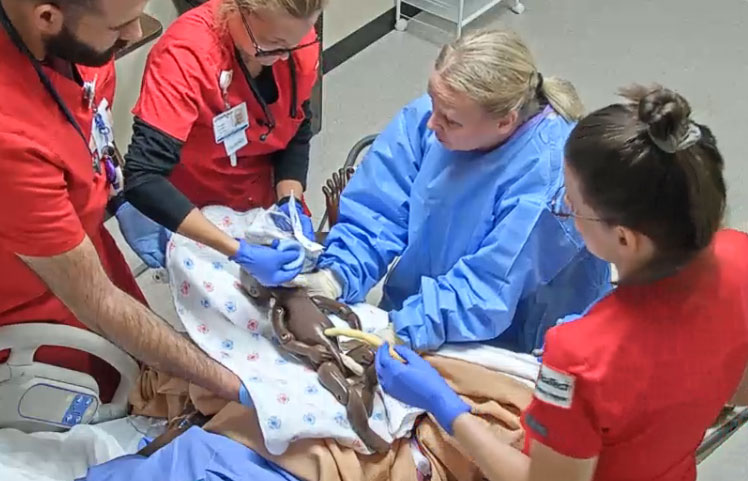
Team-based training lets students apply their knowledge in realistic clinical scenarios while building collaboration and essential healthcare skills.
Preparing students with high-quality CPR skills helps strengthen future healthcare readiness. Our CPR training solutions support consistent instruction, skill mastery, and real-time feedback—ensuring students practice to competency, not just completion.
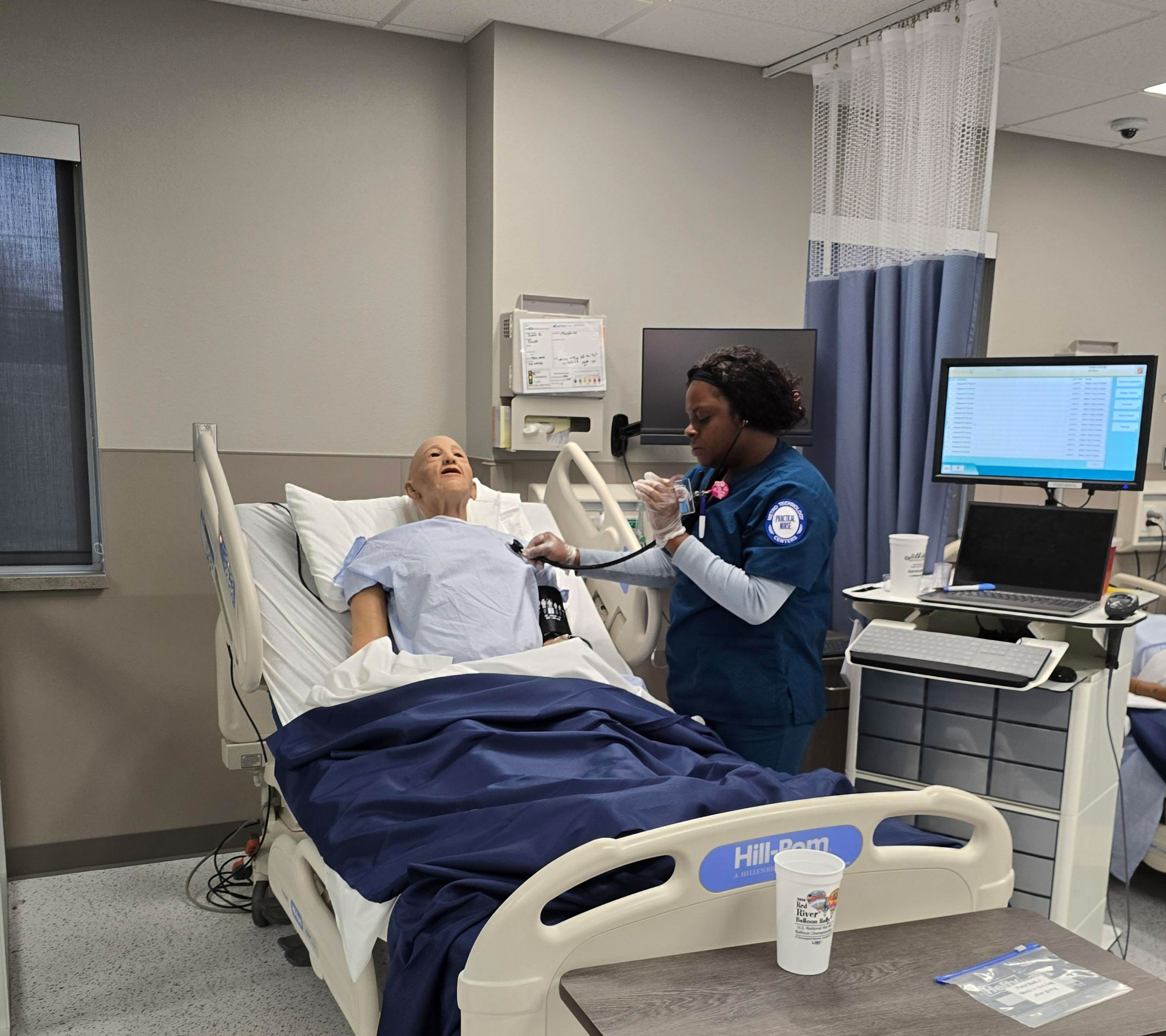
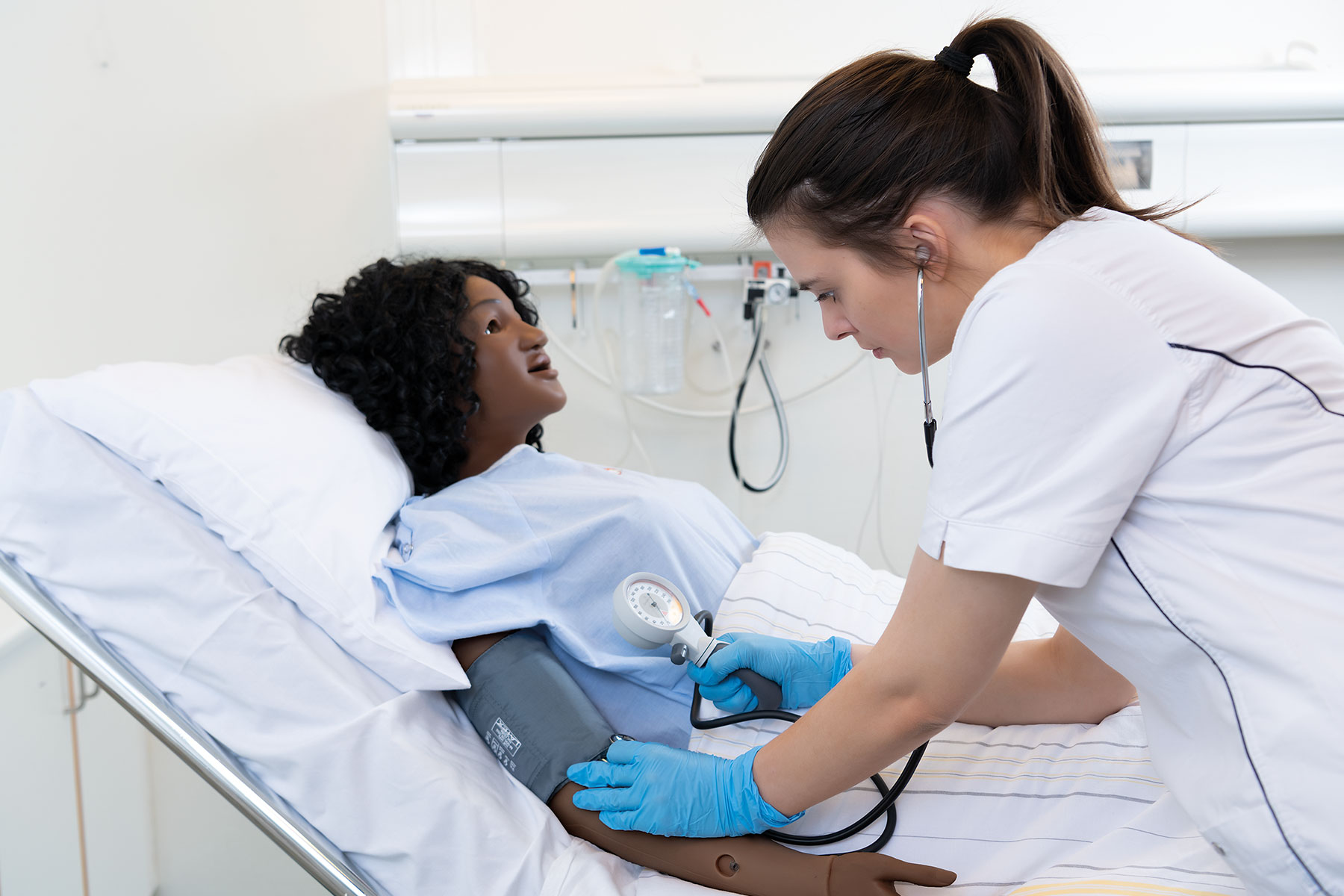
Skills training bridges classroom knowledge and hands-on readiness. These tools allow students to practice core healthcare tasks, strengthen clinical judgment, and prepare for advanced coursework.
Our team can help support your pathway goals - from building foundational skills to expanding your program with simulation, virtual learning, and CPR solutions.