

Digital Resuscitation Education Solutions
Efficiencies for Every Aspect of CPR Training
Resuscitation Quality Improvement® (RQI®) and HeartCode® programs – available for Healthcare Provider/BLS, ALS/ACLS, and PALS – offer digital solutions to mastery of CPR skills, quality improvement, and personalized yet flexible learning.
Two Programs, One Platform – Transforming Resuscitation for Life
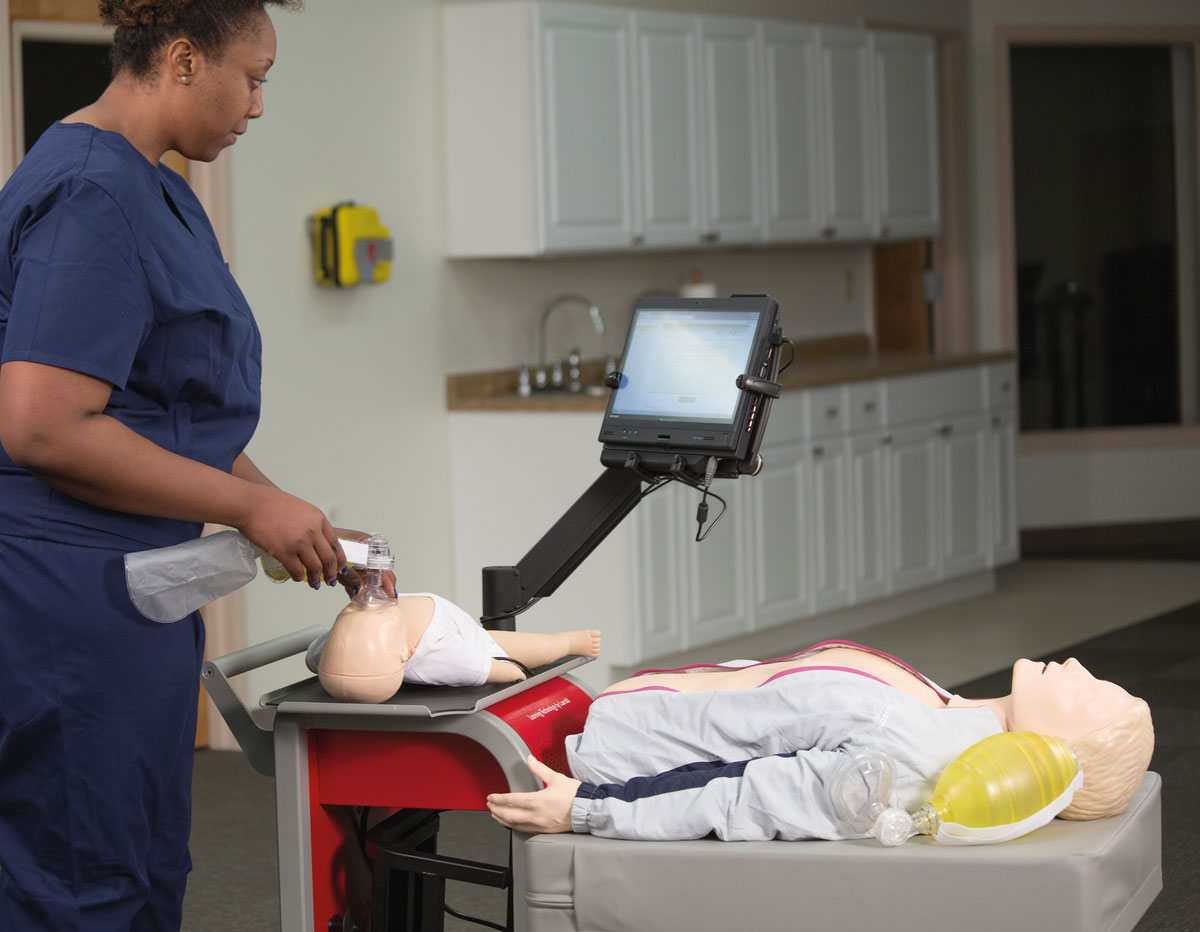
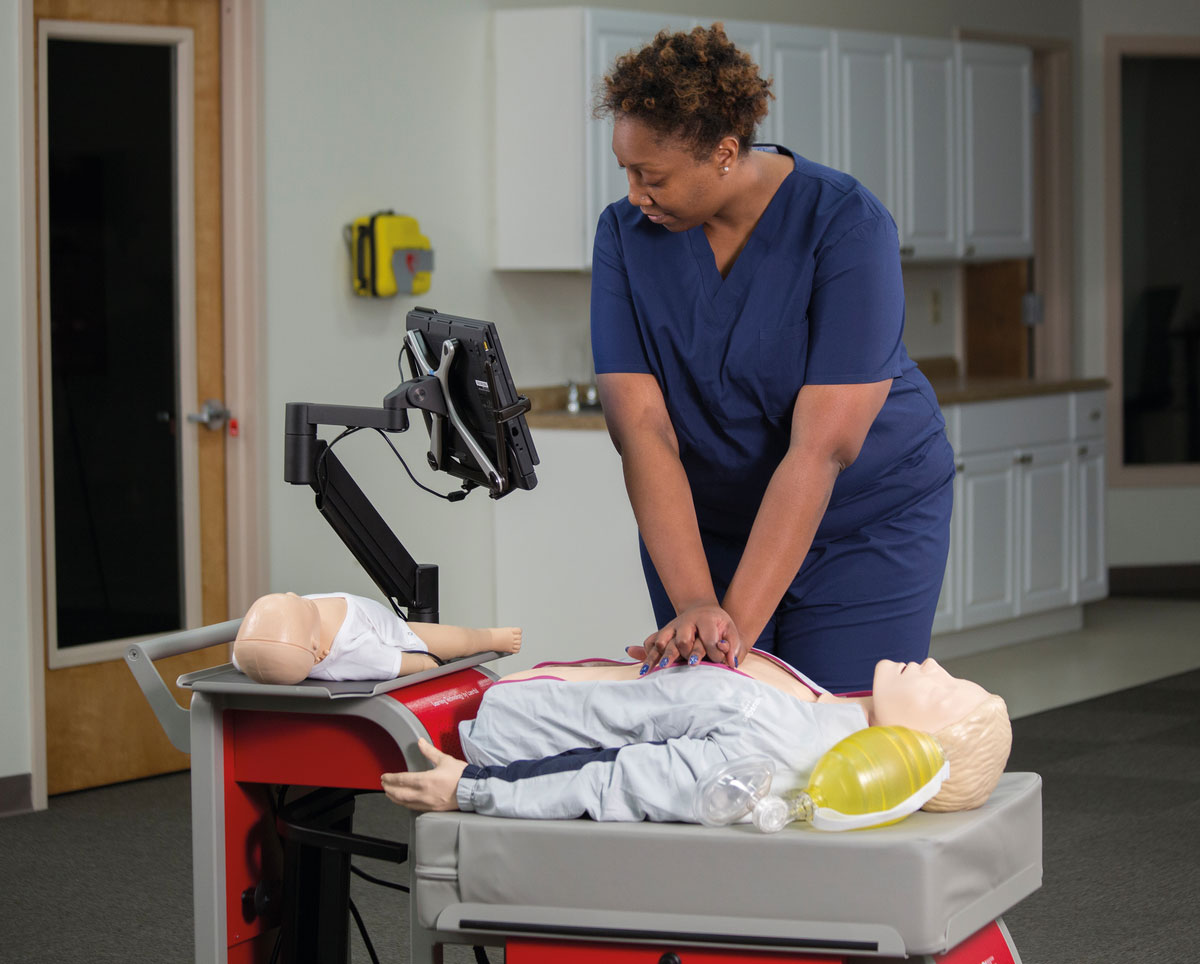
Empower your healthcare team with innovative, competency-based resuscitation education programs fully aligned with the 2025 American Heart Association Guidelines for CPR and ECC. The RQI® Program, developed by the Heart Association and Laerdal Medical, delivers verified CPR competence for nursing education programs and first responders alike. Through True Adaptive eLearning and mobile Simulation Stations for quarterly psychomotor skills activities, RQI helps every clinician—from classrooms to the frontlines—retain lifesaving skills and improve patient outcomes.
Prefer a traditional certification cycle? Explore HeartCode® learning options that combine True Adaptive eLearning coursework with your choice of self-directed, hands-on skills sessions at the Simulation Station or American Heart Association instructor-led skills class. Both HeartCode Complete and HeartCode Blended Learning options provide an AHA eCard valid for two years.
Innovative competency-based training program for high-quality CPR and improved patient outcomes
Many healthcare providers do not perform CPR as part of their daily practice, and some may rarely perform CPR after their training every two years. As a consequence, the quality of CPR degrades, compression and ventilation skills degrade from lack of use and practice, thus decreasing the chance of survival for patients.
Fortunately, Dr. Oermann’s research has shown that brief and regular practice in CPR – low-dose/high-frequency training –leads to continuous CPR competency.
Therefore, the American Heart Association and Laerdal created Resuscitation Quality Improvement (RQI) Program based on this groundbreaking new approach to maintaining competence in BLS, ACLS and PALS trainings.

CPR skills decline within three to six months following conventional training
There is a 42% difference in the odds of survival for patients at similar hospitals with a similar case mix
Despite the efforts of motivated healthcare professionals, patients receive poor-quality CPR more than 50% of the time
Cardiac arrest survival rates currently average less than 26%