
Brian is a Laerdal employee. Brian is a survivor.
Click to read his incredible story.
Learn More

Restart a Heart Day is a global initiative to increase awareness about the importance of bystander CPR and to also increase actual bystander CPR rates worldwide.
Initiatives to increase community CPR training as well as improve the quality of CPR delivered are critical to increasing survival from sudden cardiac arrest. By implementing widespread programs to train CPR and providing frequent, high-quality training that is systematically measured to guide performance, we can help save more lives, together.
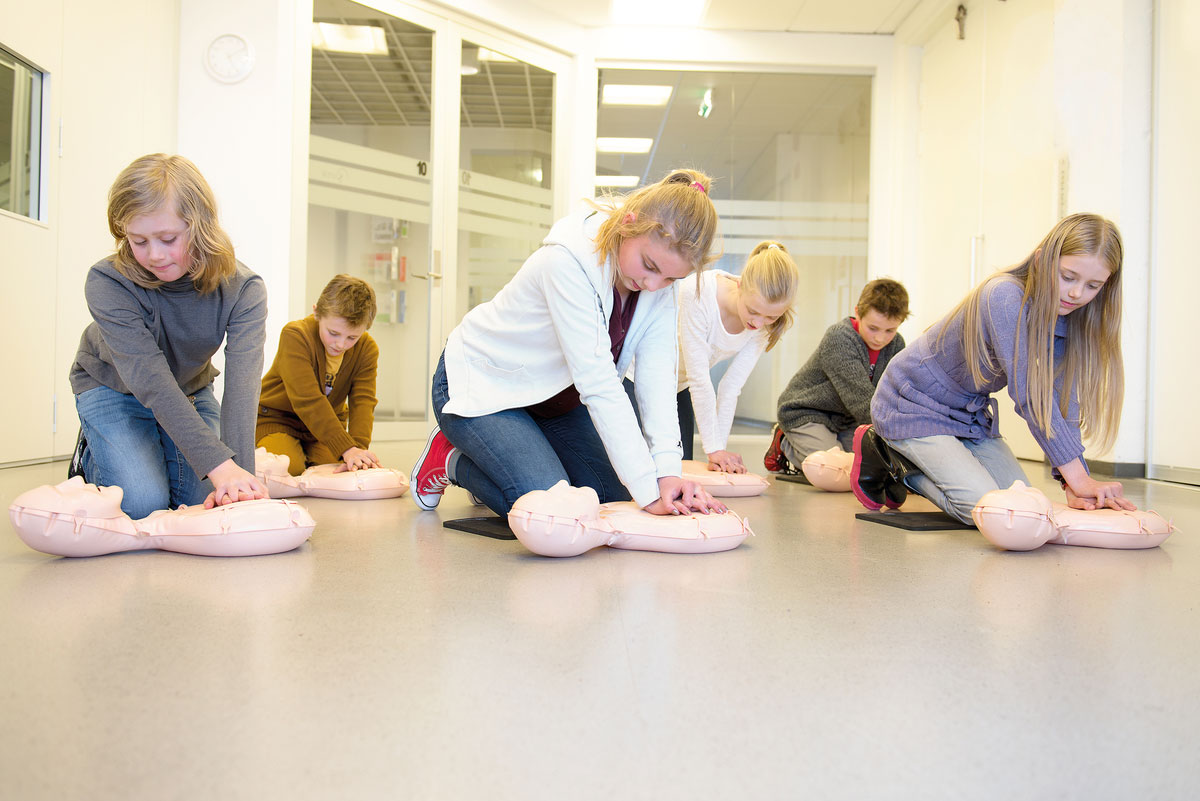
Denmark is one of several countries that have launched a national initiative to teach CPR. The program introduced mandatory training for elementary school students and those applying for driver’s licenses. Instructional training kits were distributed, dispatcher-assisted guidance was offered, and AEDs were installed in public places.
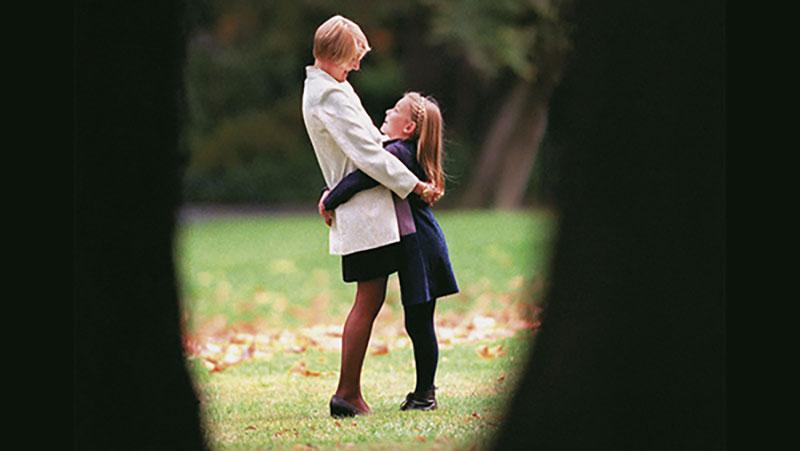
Every life saved is someone’s mother, father, sister or brother. Someone’s child. Someone’s friend. One life is one more opportunity to make a difference in the world. One more Happy Birthday. One more future.
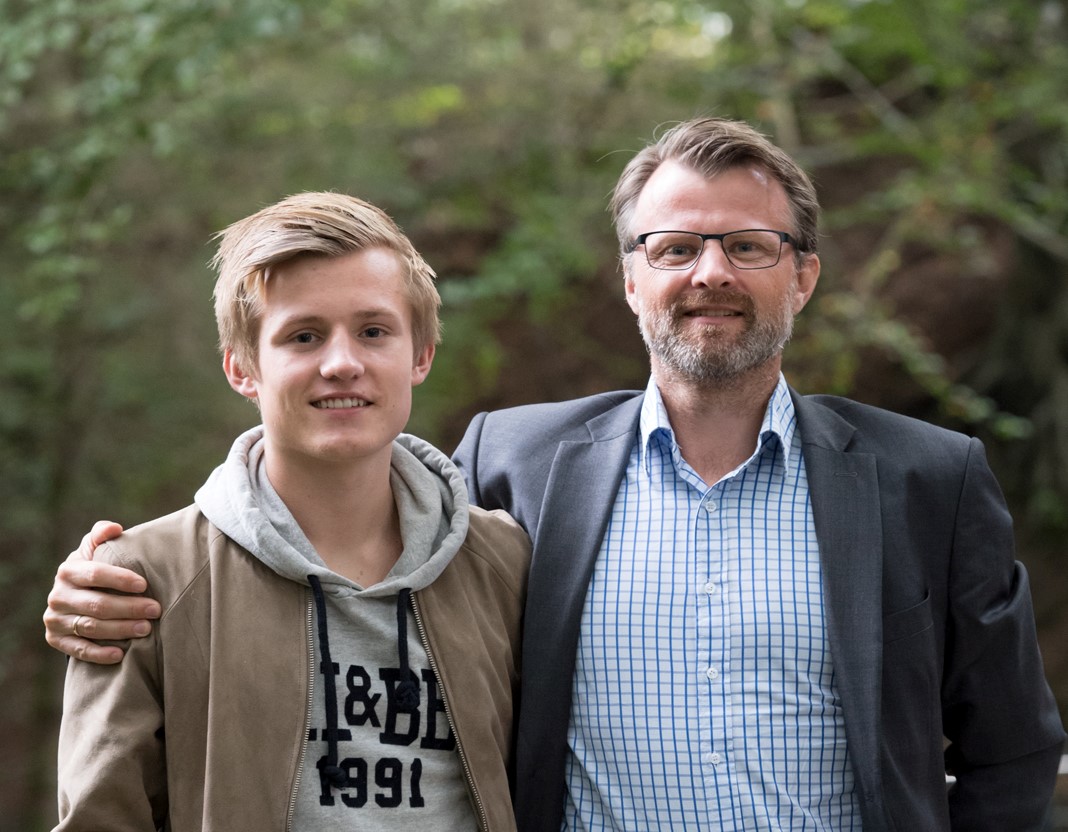
No one could imagine that Stein (49) a triathlete training for an Ironman competition, would go into cardiac arrest in his sleep. His son, Sondre (18), had been recently trained in CPR and was able to perform CPR while his wife received instructions from the emergency dispatcher on the telephone. Stein survived and plans to reach his goal of participating in an Ironman competition.
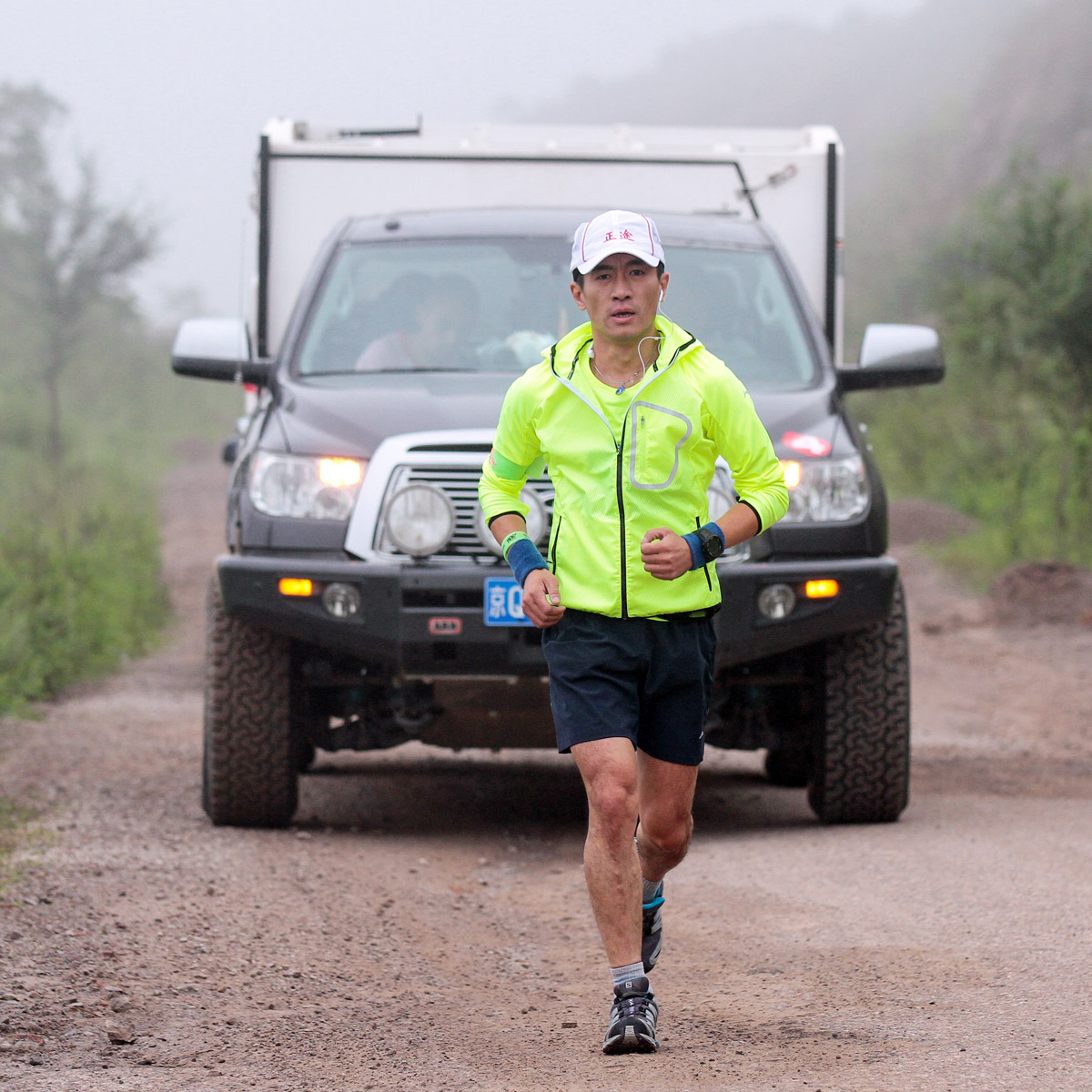
Dan (40) was 26km into the Shanghai Marathon when the runner beside him suddenly fell to the ground. Recently trained in CPR, Dan began to perform compressions and rescue breaths until the EMT team arrived. The runner recovered.
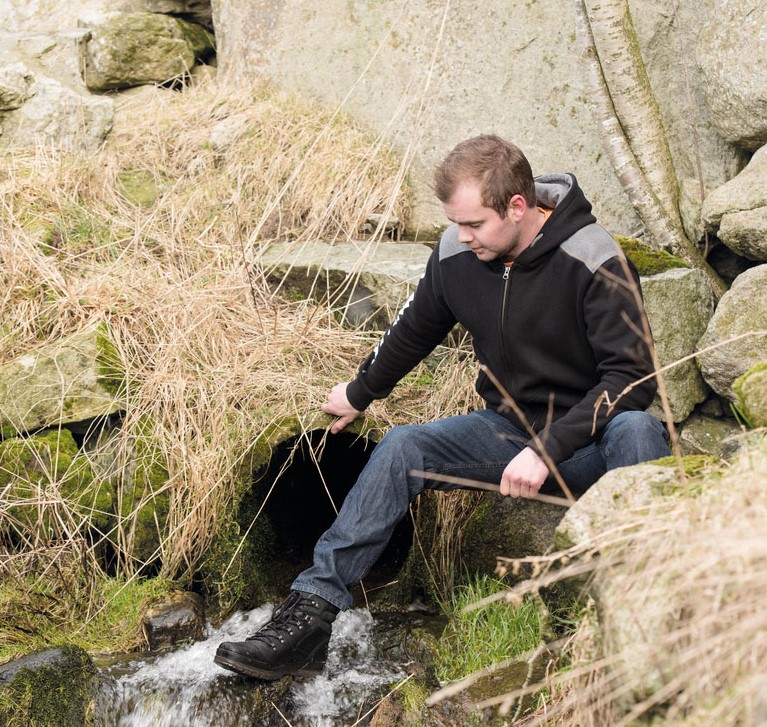
When Halvard was two years old, he was found lifeless, lying in the shallow water at the mouth of a drainage pipe. Halvard's father, Jan, had been recently trained in the lifesaving skill of CPR. He did not know that he would have to use it to keep his son alive until help arrived. Halvard survived. He is now 27 years old.
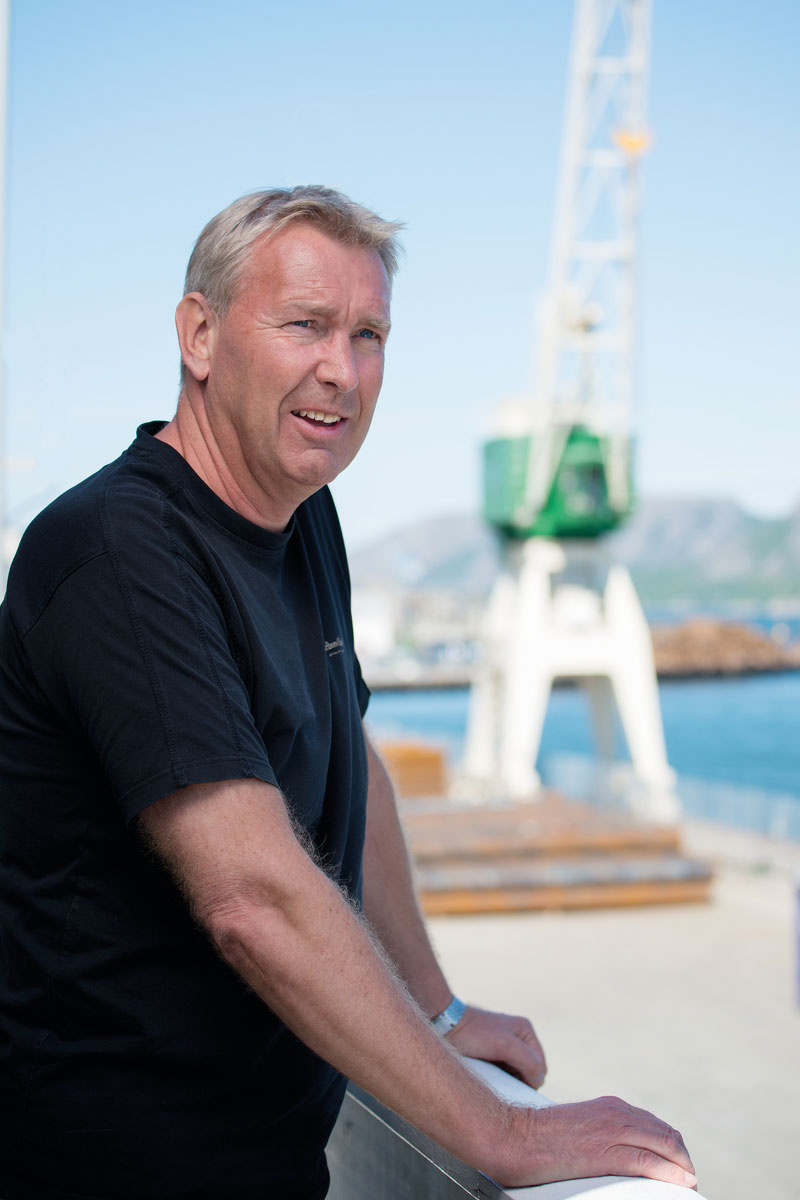
Svein Terje (48) was jogging on a treadmill when he collapsed. Two friends performed CPR until emergency help arrived. Svein survived.
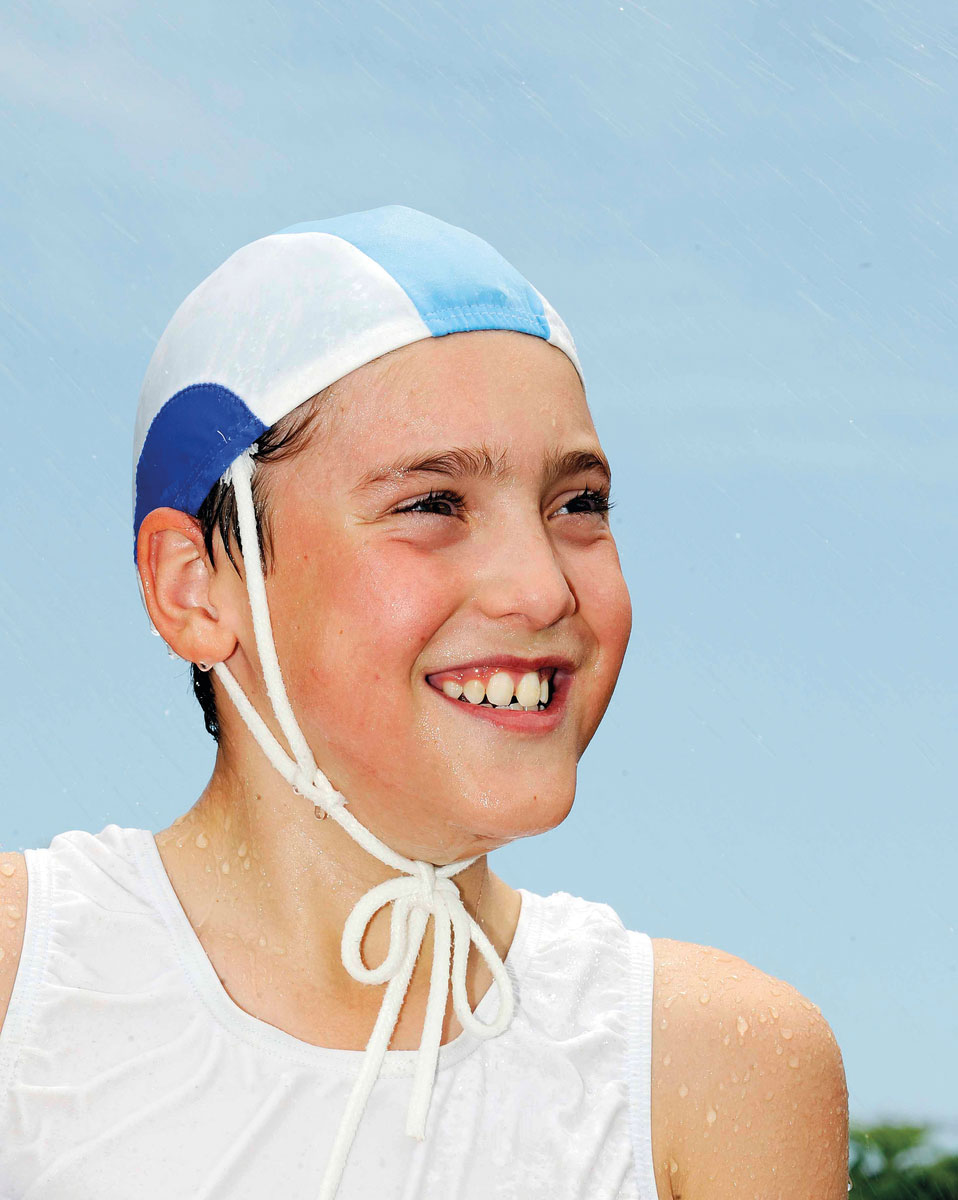
Looking at Marshall Hastings (9), it is hard to believe that his heart stopped beating during a swim competition.
Due to swift CPR, Marshall Survived.
School teacher Louise Owen (30) slumped over her desk unexpectedly. She was 26 weeks pregnant and clinically dead. When the ambulance arrived, two colleagues had already begun to resuscitate her.
Five days later, Louise woke up in the hospital to a miracle. Her baby, Katy, had been delivered by caesarean section seven hours after her mother collapsed, and was fine.
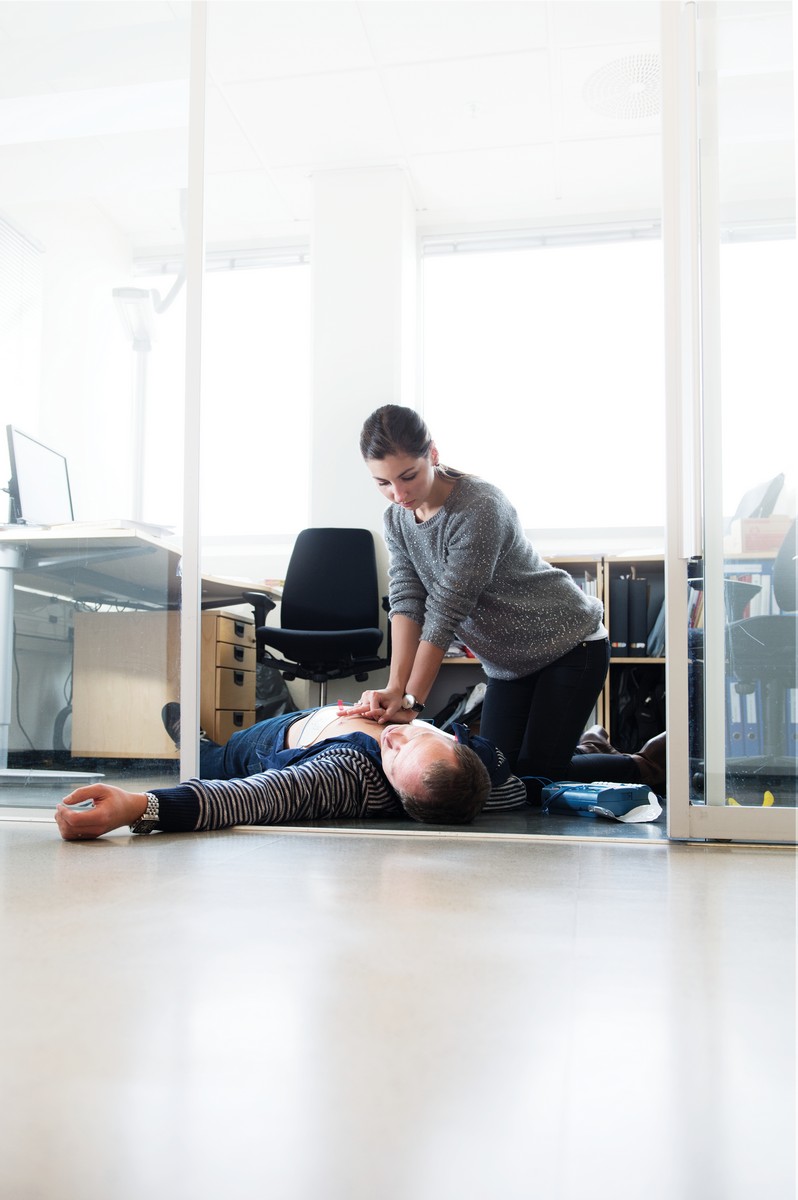
Sudden cardiac arrest (SCA) is a leading cause of death worldwide. Every five seconds, SCA claims a life leading to more than 6 million deaths every year. The vast majority of cardiac arrests happen in the home and almost 40% of these are witnessed by a bystander.
After 1 minute, brain cells without oxygen begin to die. Emergency Medical Services (EMS) response times can average 7–12 minutes, or even longer. The ability of bystanders to perform CPR while waiting for the ambulance is critical to survival and positive patient outcomes.

Share your own story about CPR or help share the story of others. Common hashtags used throughout the event include #RestartAHeart #CallPushShock #9for9
Learn more about the #9for9 Challenge here
If you have a survival story that you want to share, ILCOR is asking those to use the hashtag #CPRSavedMyLife to help collect survival stories.
Don't stop with just online awareness. Remind your friends and family about the importance of bystander CPR.
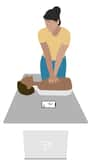
Research shows that CPR skills degrade over time. Taking a CPR course will help sharpen your skills and can help you be better prepared to be a potential lifesaver in your community.
Don’t forget to ask your friends and family to also take a CPR course!