How to use scenarios to simulate invasive care and the management of a ventilated patient due to COVID-19 Webinar
1:29:18


La pandémie de COVID-19, a généré un besoin croissant de formation en soins respiratoires, en effet, 2 à 5% des patients présentant une infection au Covid-19 seront admis en soins intensifs.
Ce besoin a à la fois entrainé une pénurie de ventilateurs, ainsi qu'un manque de personnel suffisamment formé à la prise en charge de patients ventilés.
La formation par simulation en soins respiratoires préparer le personnel soignant à renforcer ses connaissances cliniques ainsi que ses compétences dans la prise en charge de patients présentant une forme grave de Covid-19.
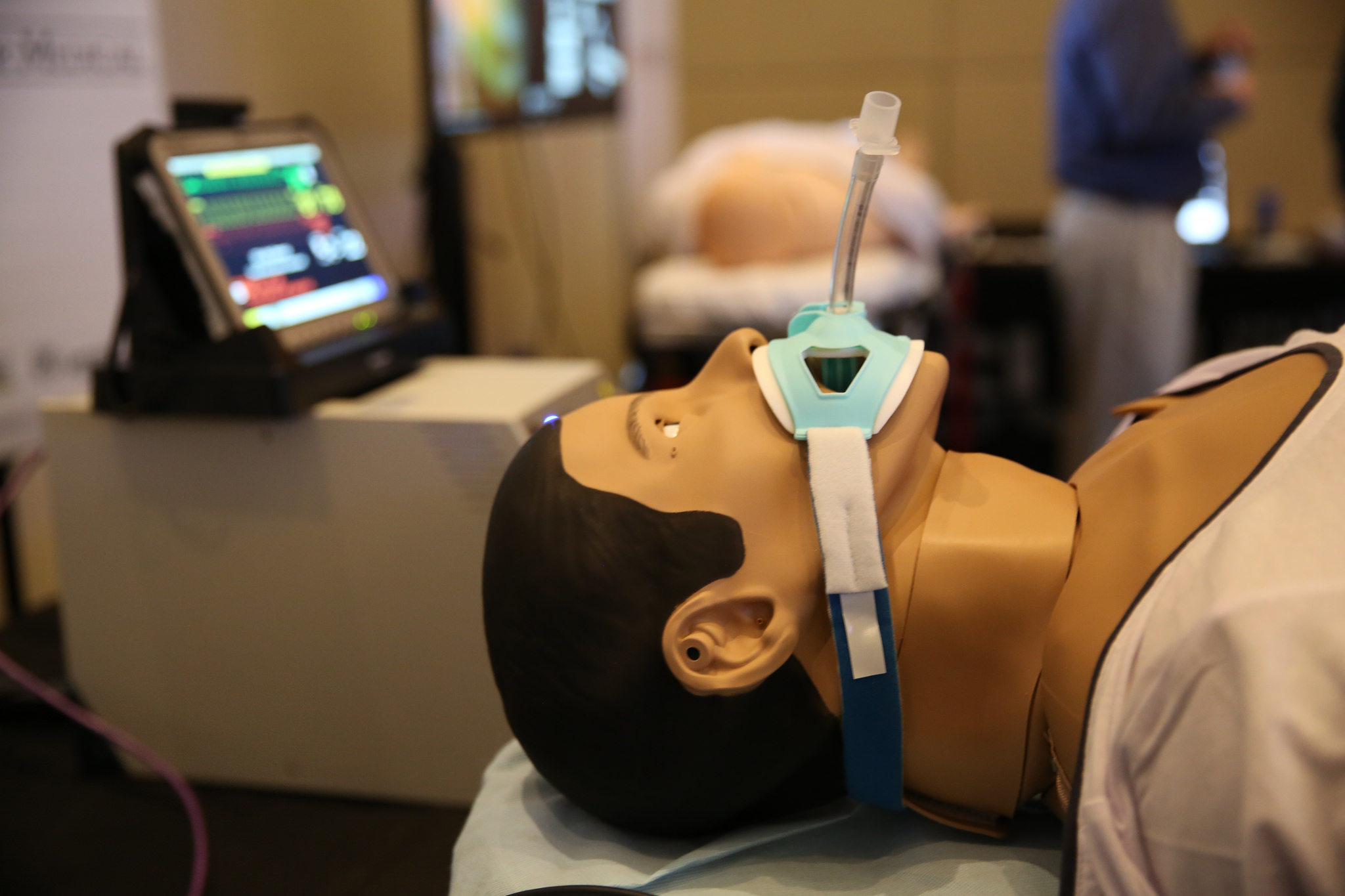
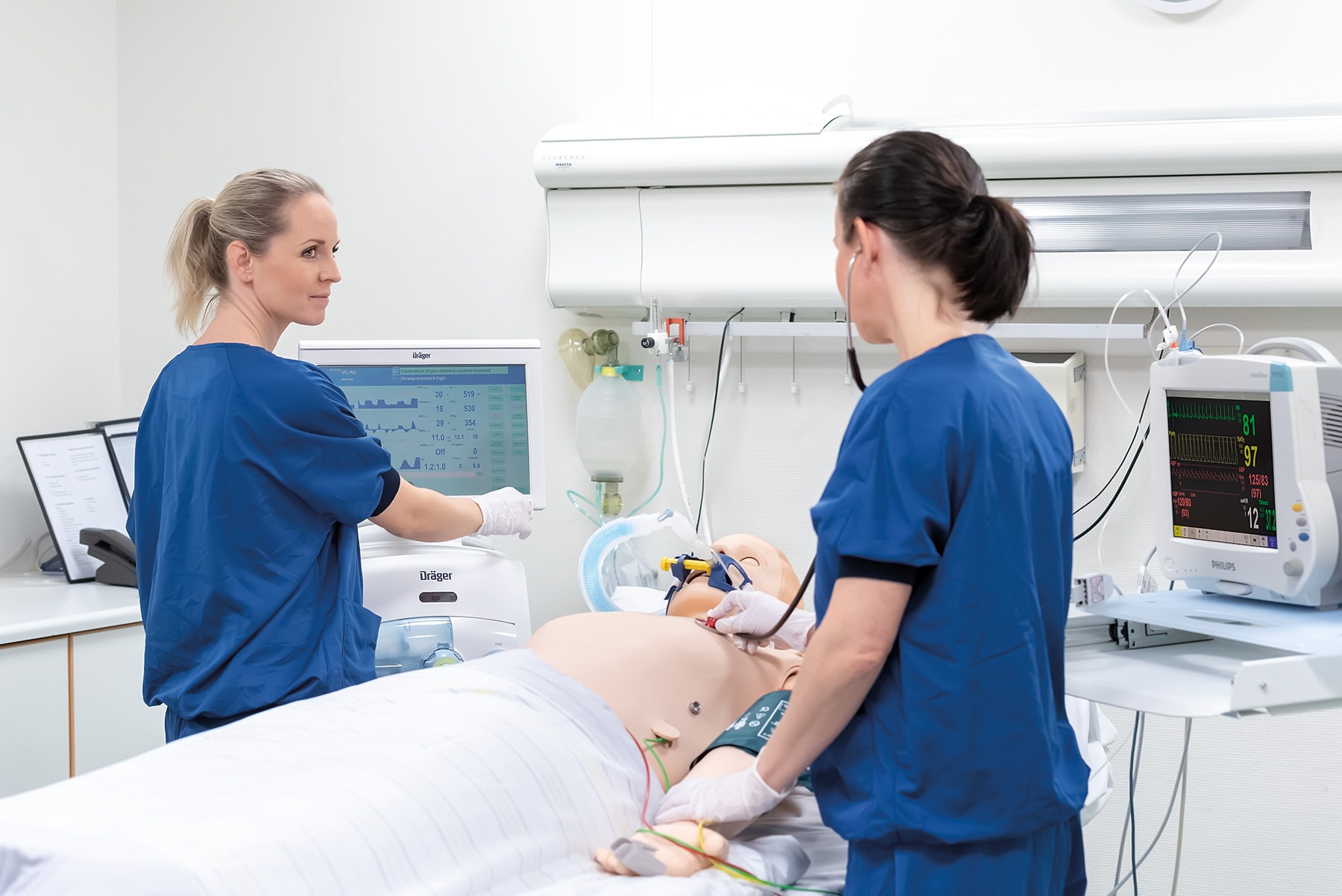
Our ASL 5000 Lung Solution is developed to simulate a spontaneously breathing patient simulator supported on a ventilator. In addition, we are providing training scenarios that specifically focus on key decisions regarding invasive care and patient management related to COVID-19.
To help prepare your team to develop clinical knowledge to manage severe cases of a patient suffering from COVID-19 using the ASL 5000™ Lung Solution, we developed 3 free scenarios in collaboration with IngMar Medical.
Each can be run as an individual scenario or back to back in series. The scenarios focus on key decisions regarding invasive care and paitent management.
Made in partnership with IngMar Medical.
This scenario presents a 71-years-old male with suspected COVID-19 already admitted to the Emergency Department. The patient was admitted to 1 hour ago and is waiting for an Intensive care bed.
The participants are expected to assess and recognize deterioration in the patient's respiratory condition. They should appropriately increase ventilatory support while maintaining appropriate respiratory precautions., and recognize the need for intubation and ventilator support.
Learning objectives - After the simulation, the participants should be able to:
Made in partnership with IngMar Medical.
This scenario presents with a 71-years-old male with suspected COVID-19 who was admitted from the Emergency Department with Severe Acute Respiratory Infection (SARI). Over 4 hours ago he was transferred to the Intensive Care Unit in an isolation bay.
The participants are expected to assess the patient's work of breathing, identify respiratory dyssynchrony, perform respiratory interventions and recognize the need for sedation to maximize the ventilation for the patient. The participants should communicate with the patient and follow isolation protocols including donning and doffing PPE for contact precaution.
Learning objectives:
Made in partnership with IngMar Medical.
This scenario presents a 71-years-old male with diagnosed COVID-19, who was triaged from the Emergency Department and transferred to the Intensive Care Unit in an isolation bay two days ago.
The participants are expected follow isolation protocols, including PPE for contact precaution. They should assess the patient’s saturation status, discuss proper respiratory treatment and recognize the need for turning the patient into a prone position. The participants should delegate roles, utilize closed-loop communication and successfully turn the sedated and paralyzed patient in one movement.
NOTE: This scenario contains an optional alternative partway with accidental extubation of the patient while turning him to prone position. The participants should then recognize the unintentional emergency incident and act immediately by reversing the patient to supine position, apply cricoid pressure, reintubate the patient and reconnect to a ventilator.
Learning objectives:
In addition, the scenarios are available from:
ASL 5000 can be used for team training, when connected to either SimMan, SimMan ALS, Nursing Anne Simulator or SimBaby, and be used for skills training when connected directly to a ventilator.
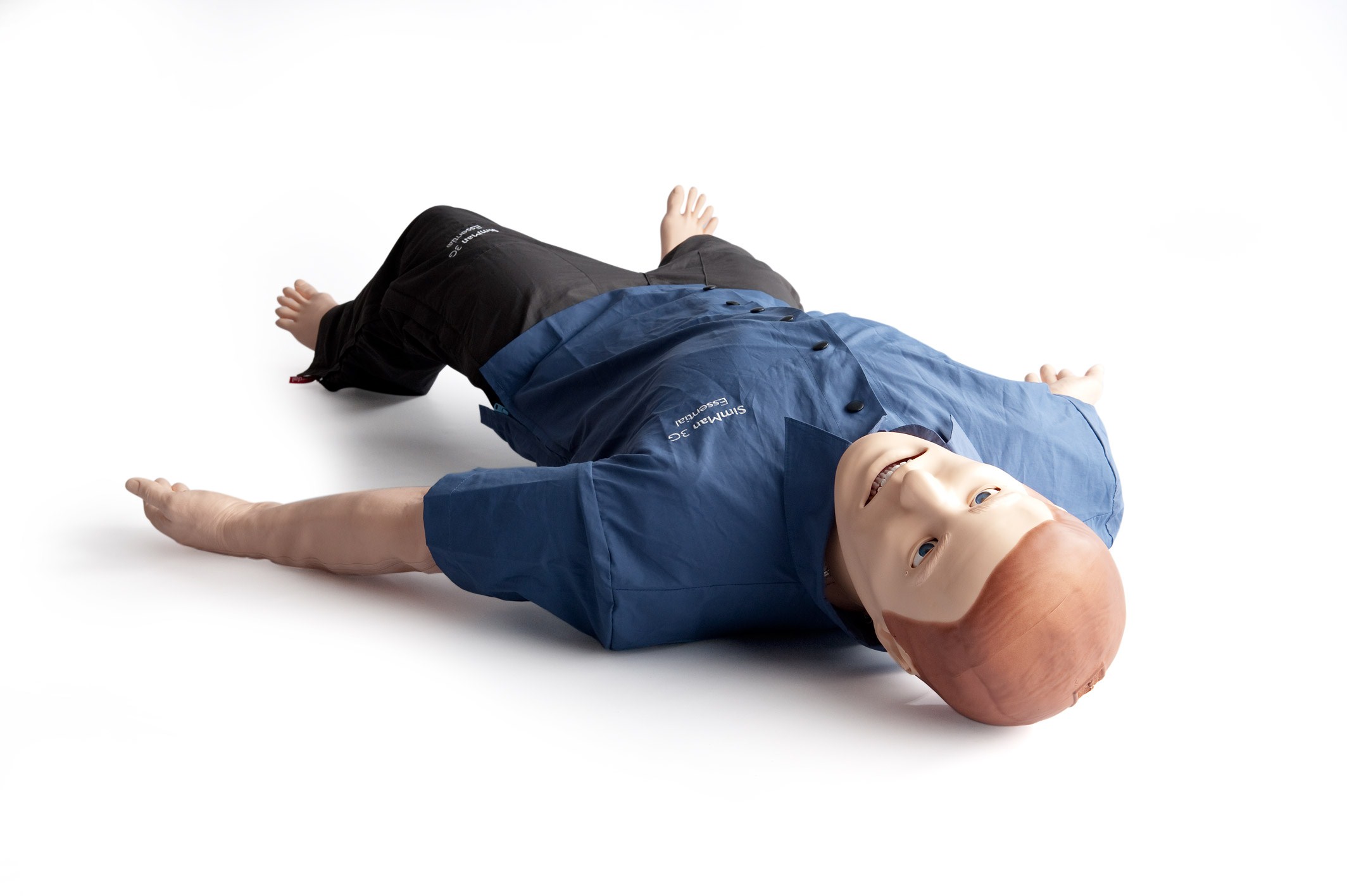
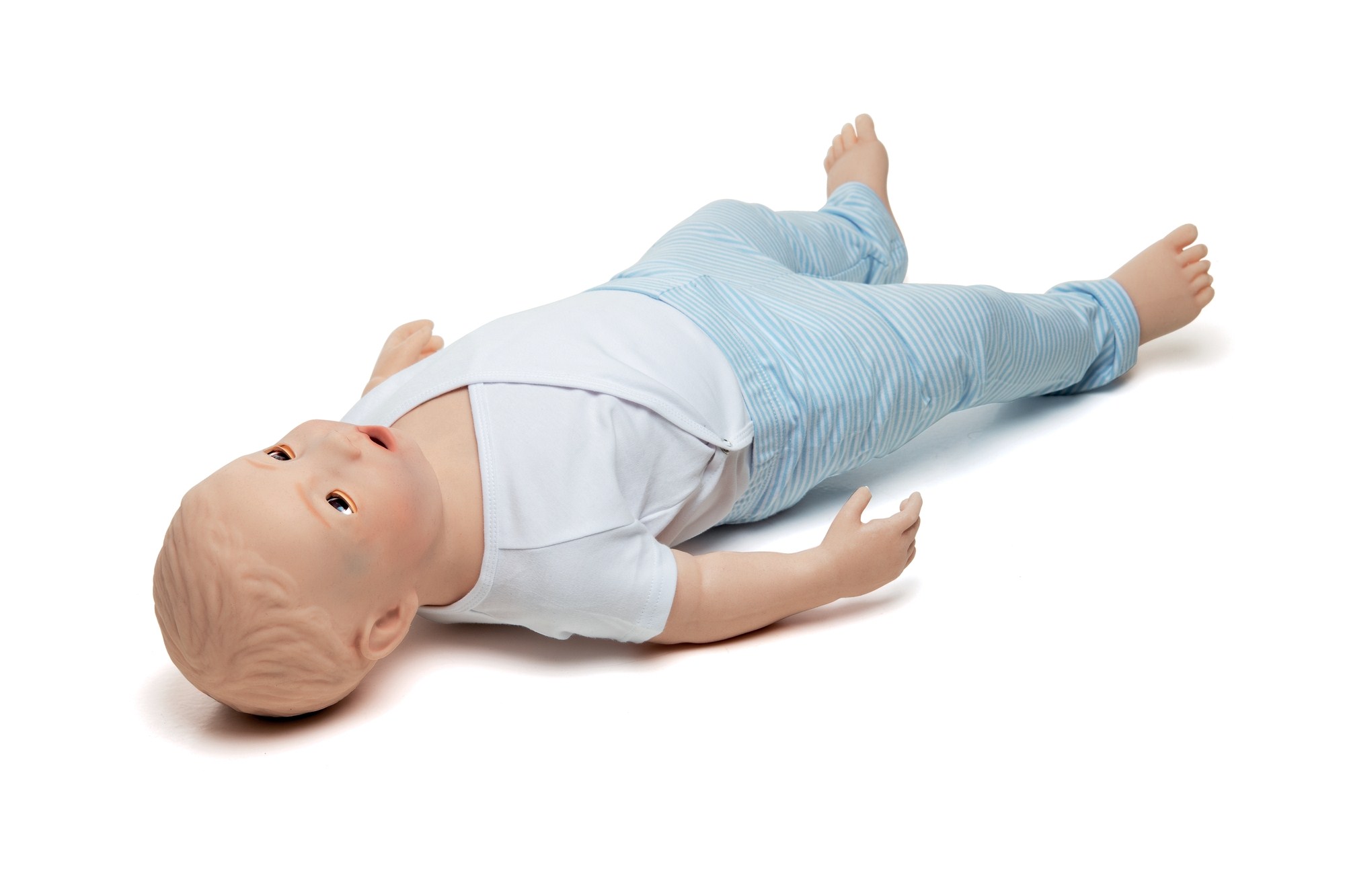
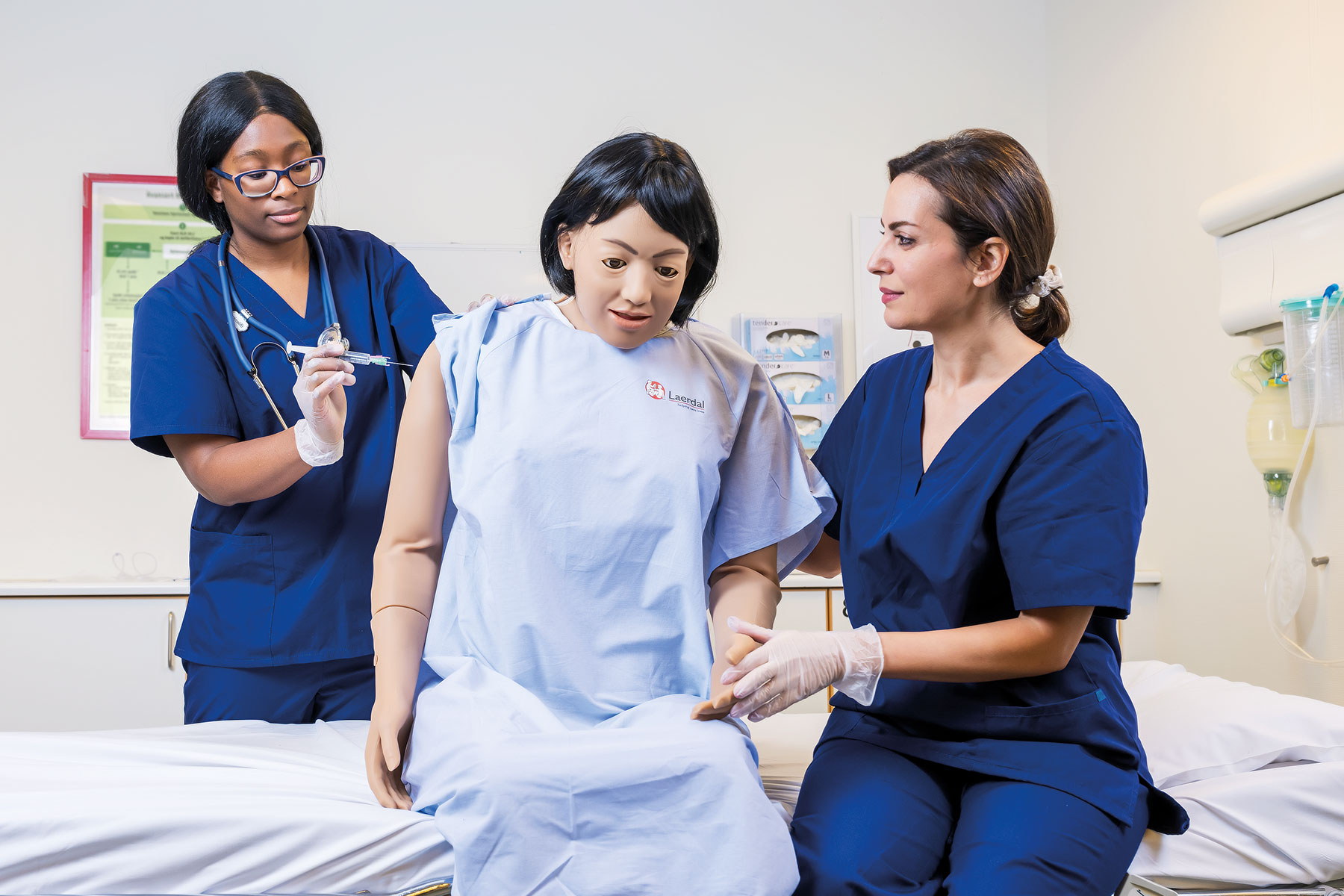
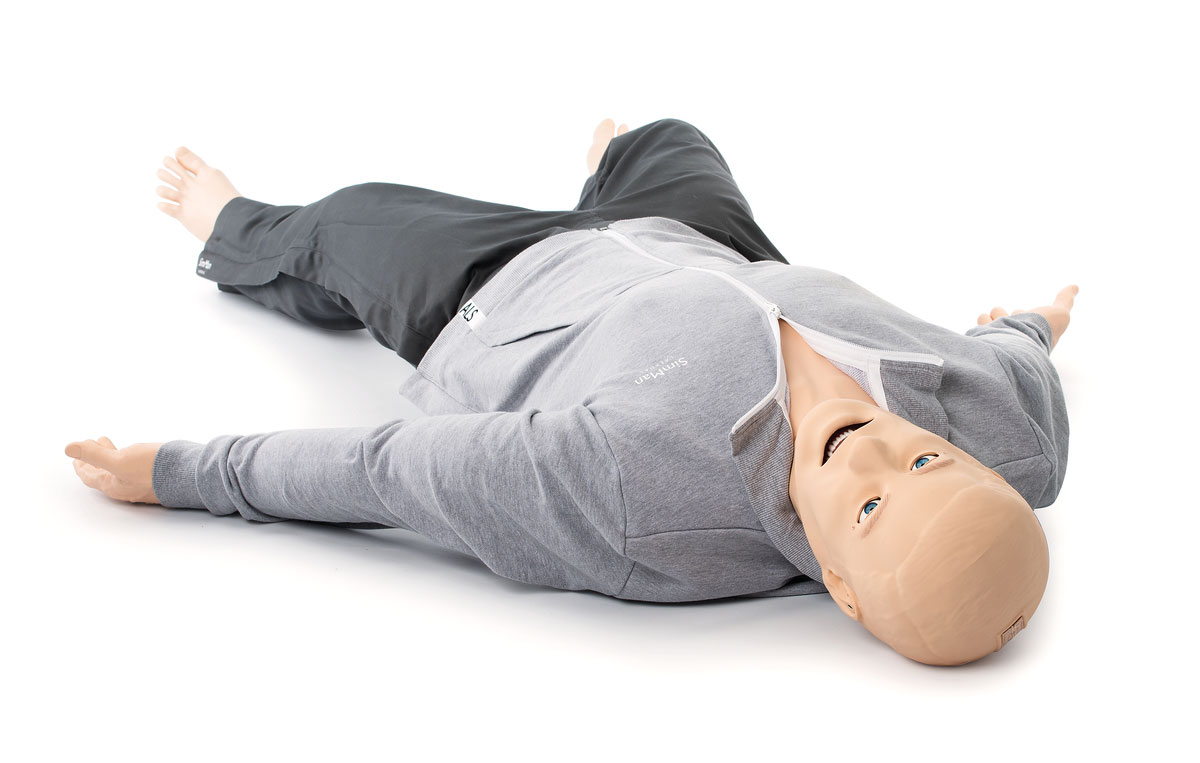
La solution pulmonaire ASL 5000 a été développée par IngMar exclusivement pour les simulateurs Laerdal.


As the COVID-19 pandemic impacts those around the world, the respiratory community is banding together to share knowledge. Here is some we have picked out: