Jennifer started advocating for a high-fidelity simulator that would allow for the realistic learning opportunities she knew were crucial.
She wrote a justification letter explaining the importance of having a high-fidelity manikin that could replicate real life without leaving anything to the imagination. With persistence and determination, the justification was successfully approved after a few attempts.
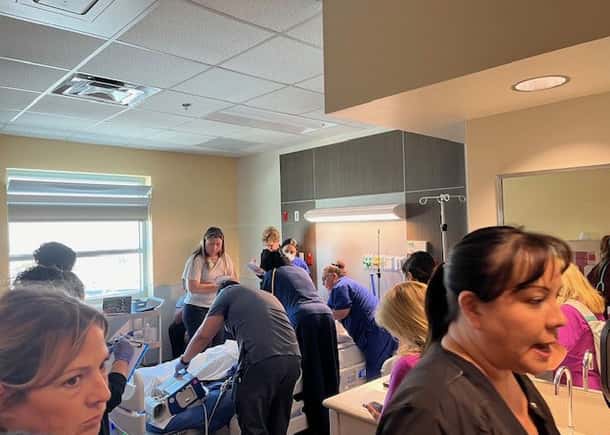
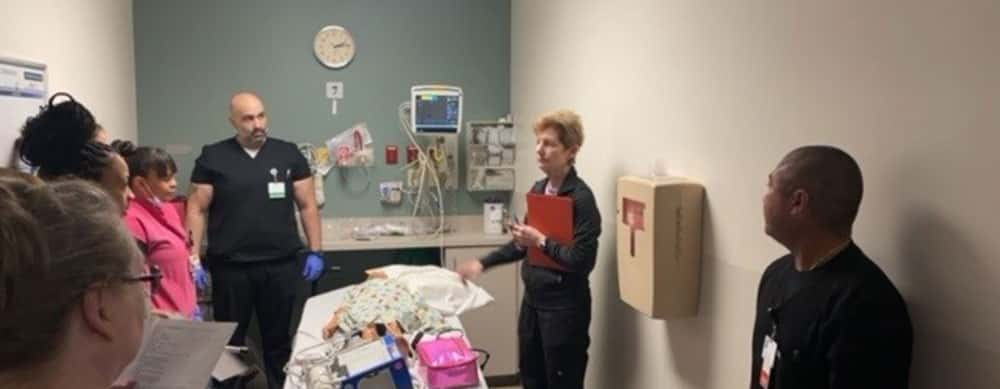
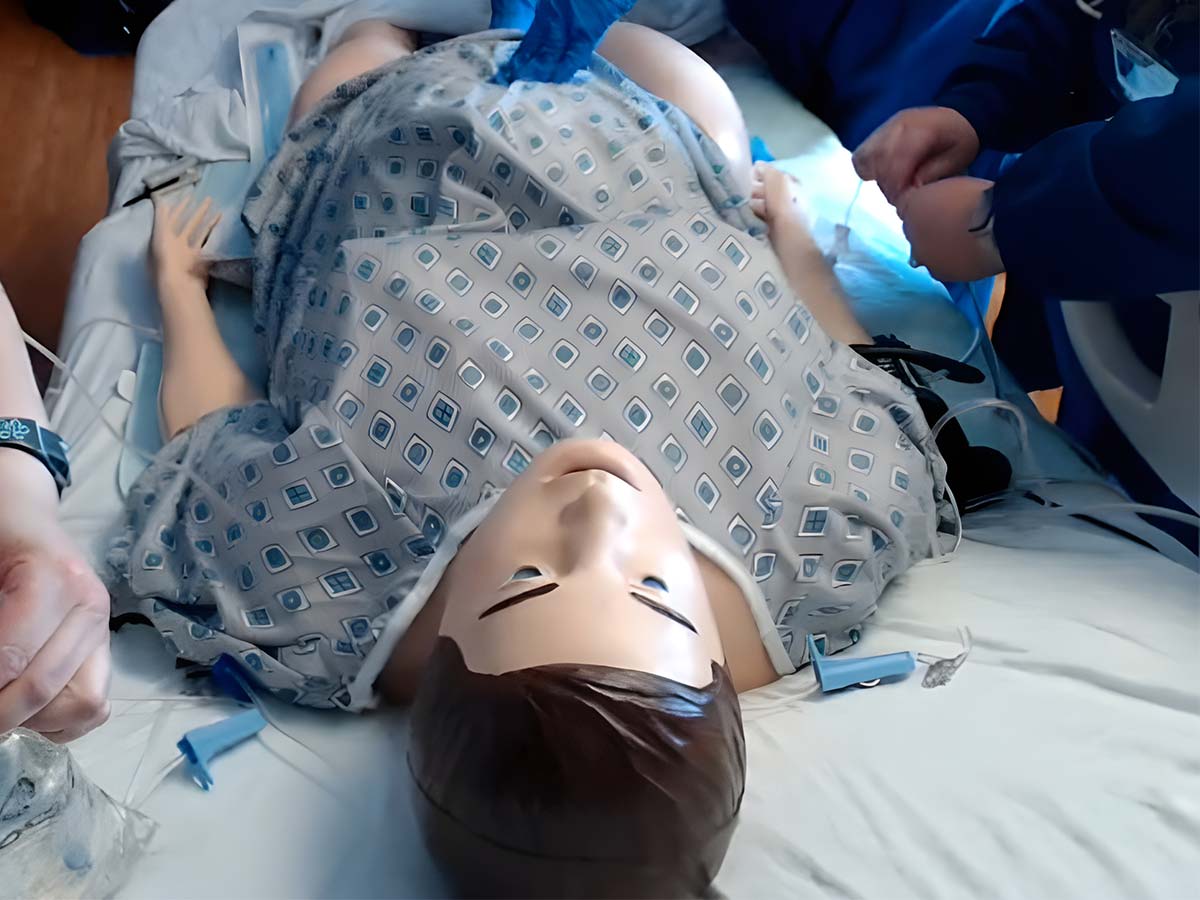
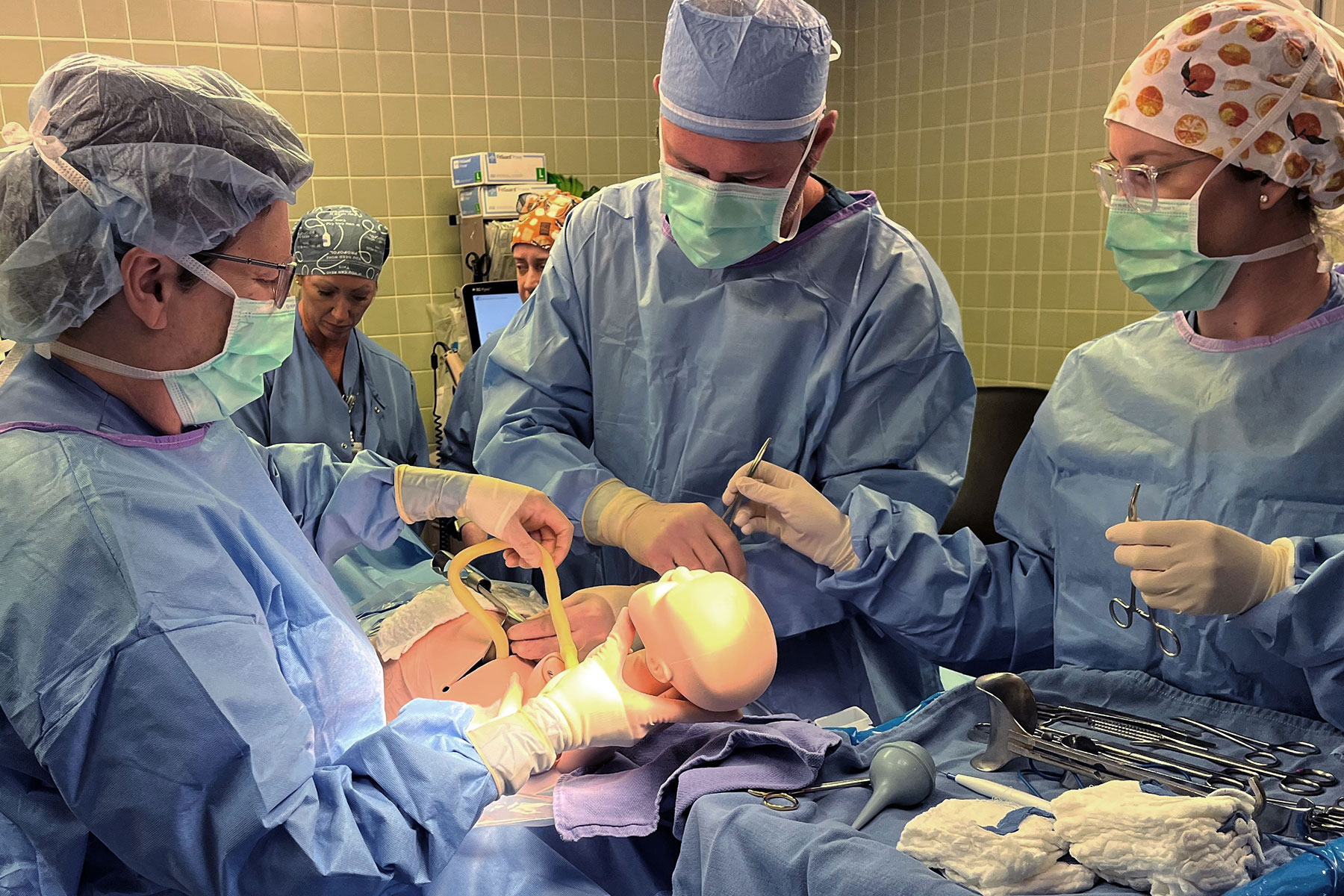
She knew she wanted a manikin that would facilitate the most lifelike training possible. This meant being able to conduct in situ simulations, or simulations that take place outside the sim lab in the real work environment.
"My most important [need] is that I can pop up anywhere and be able to run a code anywhere on campus. I don't want to be limited to inside these walls, because it's not reality. Our reality is anywhere on campus."
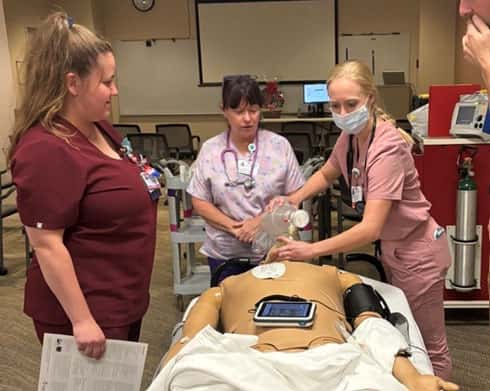
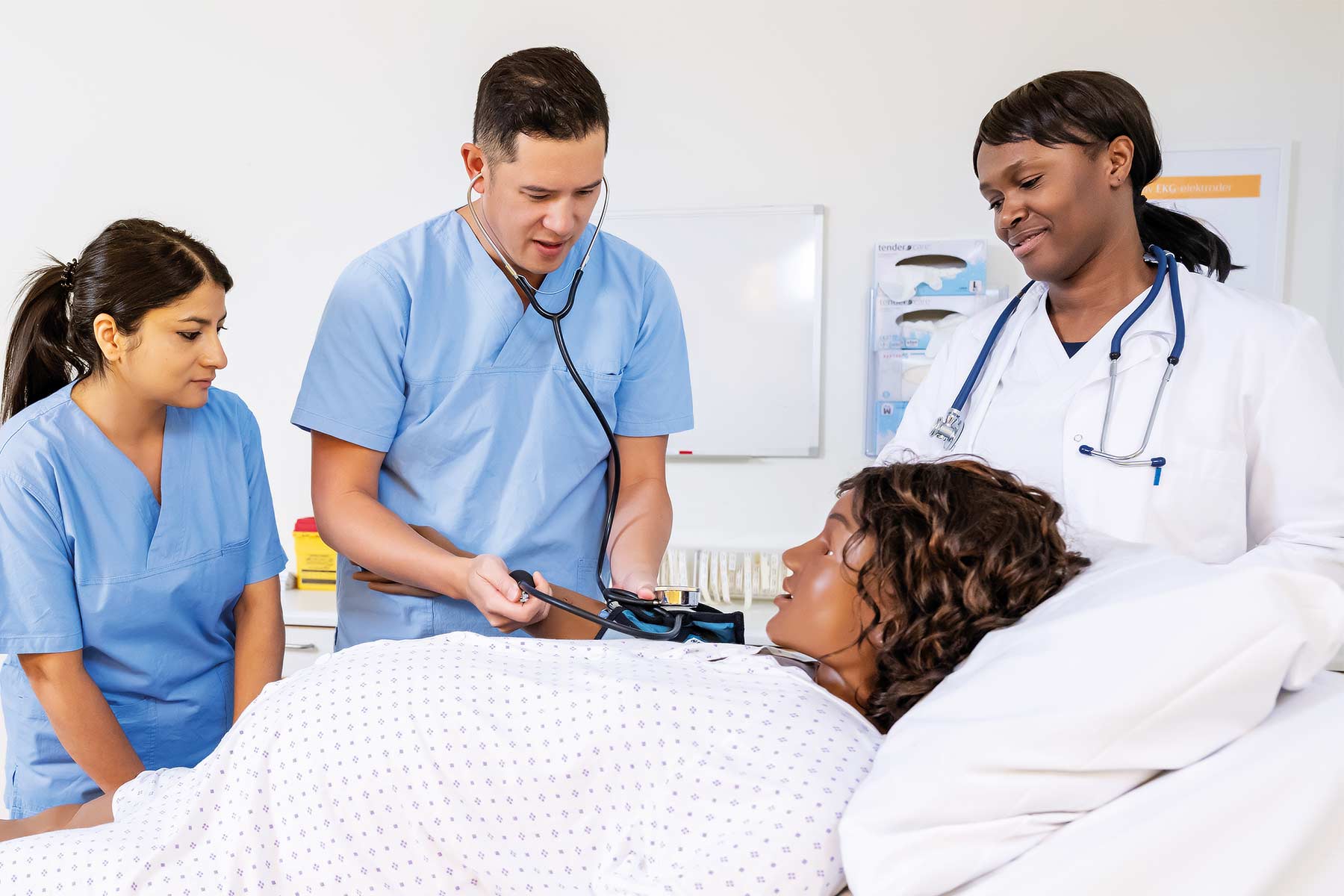
When she was in academia, she worked with Laerdal simulators. She decided to choose SimMan® ALS for SHMC. This simulator would allow for comprehensive simulation scenarios, covering everything from basic assessments to advanced life support. It would enable clinical applications in airway management, cardiac care, vascular procedures, circulation diagnostics, and therapeutic skills, making it versatile for use in any location.
SimMan ALS would work with SimPad® PLUS, a handheld device that captures and provides performance data for debriefing after scenarios. The data would include an event log and metrics on compression rate, depth, and ventilation. This was especially important to Jennifer because it would allow her to review CPR performance with the staff in real-time instead of relying on the instructor’s observation.
Once she received the SimMan, she decided to name him Riley Rescue.