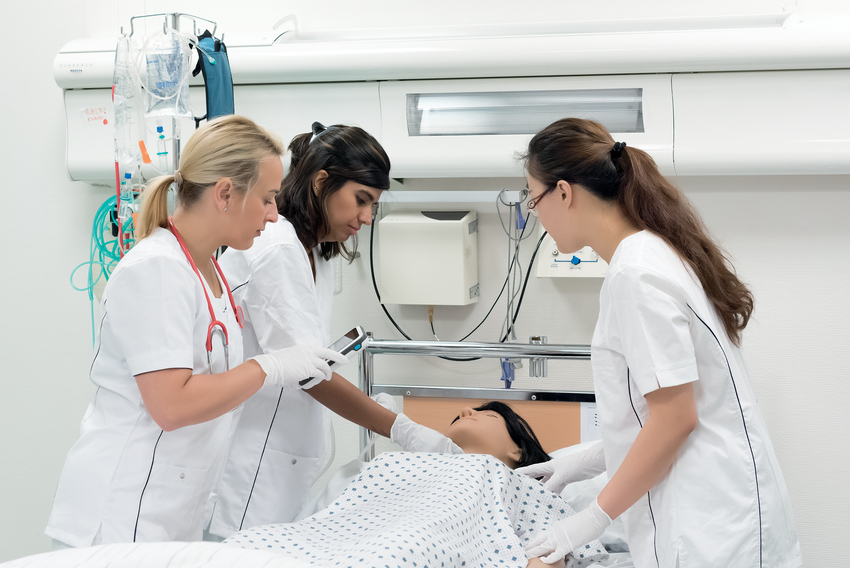
Educational Services
Peer-to-Peer Skills Development in Nursing
Implement skills development training in a way that allows students to practice until confident and competent.
Learn More

Limited teaching staff available to run simulations often results in valuable resources such as training facilities and training equipment being underutilized. This spare capacity provides a poor return on investment and also results in less training time for the students. Importantly, a lack of opportunities to practice results in too little hands-on experience for learners to grow both their competence and confidence. The methodology of students teaching students allows for deliberate practice and mastery learning.
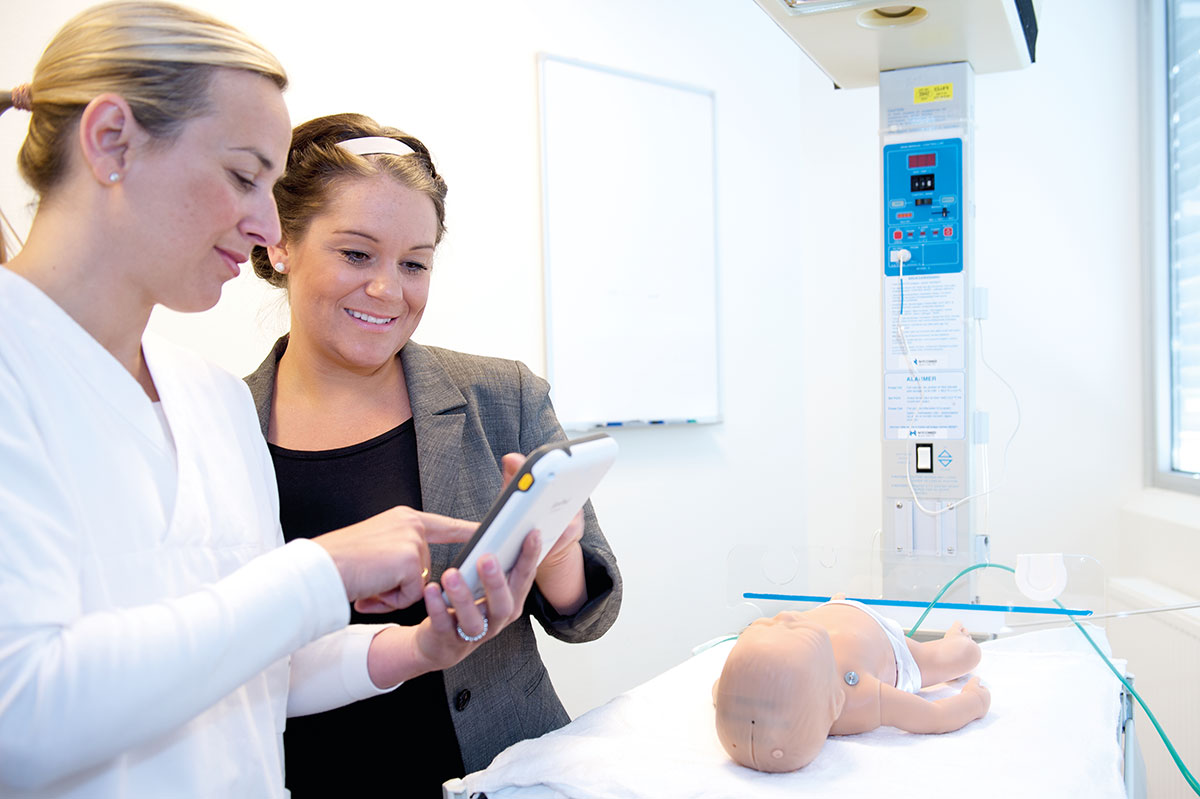
Formalized learning together with peers is an effective and efficient way of learning or practicing key skills and procedures. At a time when resources are stretched and demands upon staff are increasing, peer-to-peer learning offers students the opportunity to take advantage of a valuable resource – each other.
Peer-to-Peer Skills Development allows members of small groups to guide one another through different sets of formalized training scenarios. The scenarios are standardized, often with built-in feedback, to allow the groups of learners to practice on their own until they feel competent and confident. This is known as “Mastery Learning” or “Deliberate Practice”. Such learning is beneficial also because normally involves learners coming from the same cohort, or colleagues on a ward. It is not a substitute for teaching and activities designed and conducted by staff, but complements the teaching and learning activities and enhances the quality of overall education.
The introduction of Peer-to-Peer Skills Development utilizing SimPad at the University of Stavanger enabled simulation to be integrated into the curriculum. Implementing peer to peer simulation allowed students to train each other without a facilitator. This provided them the opportunity to train over and over again until they were confident they had mastered both the required clinical and communication skills.