So What Is Translational Simulation?
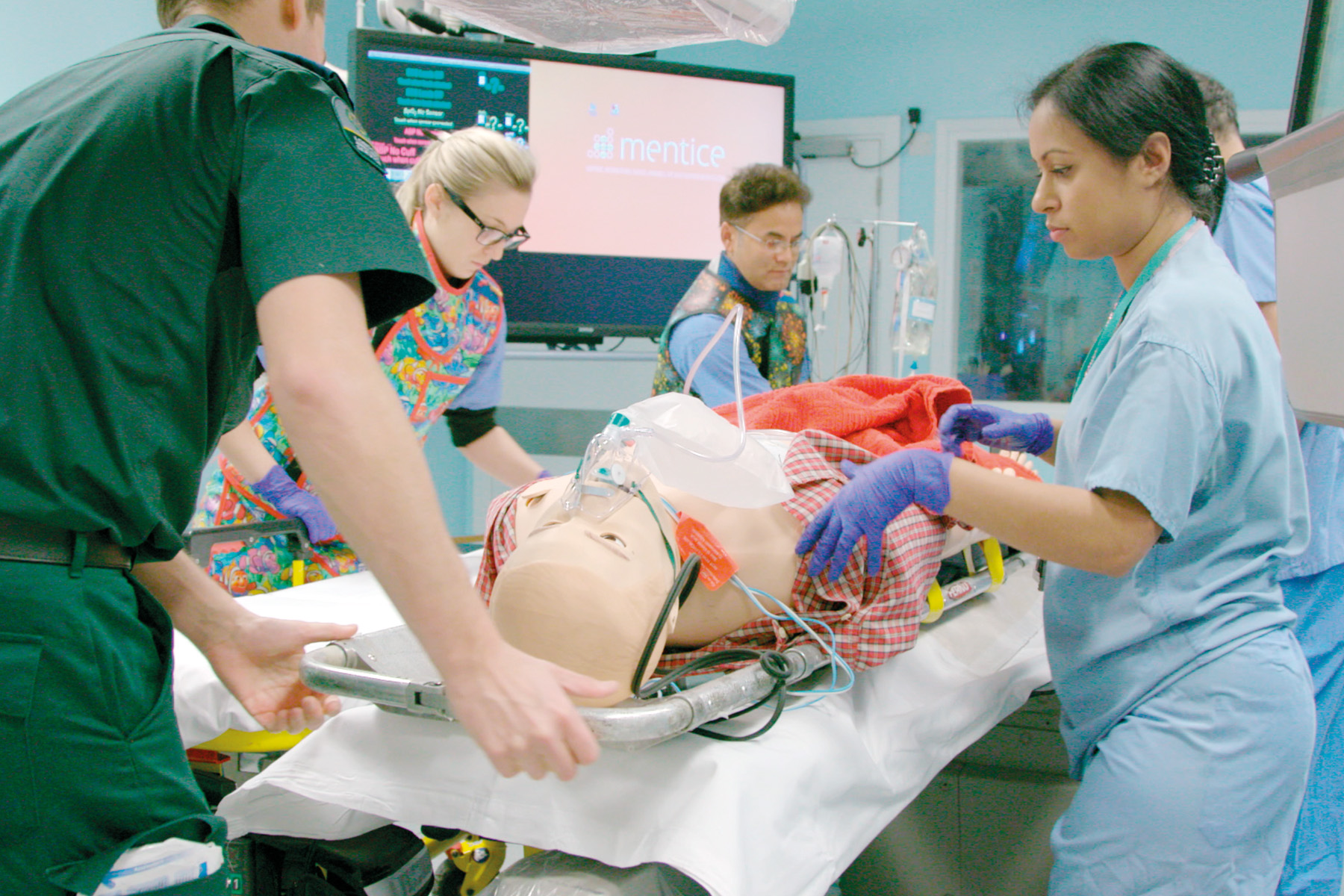
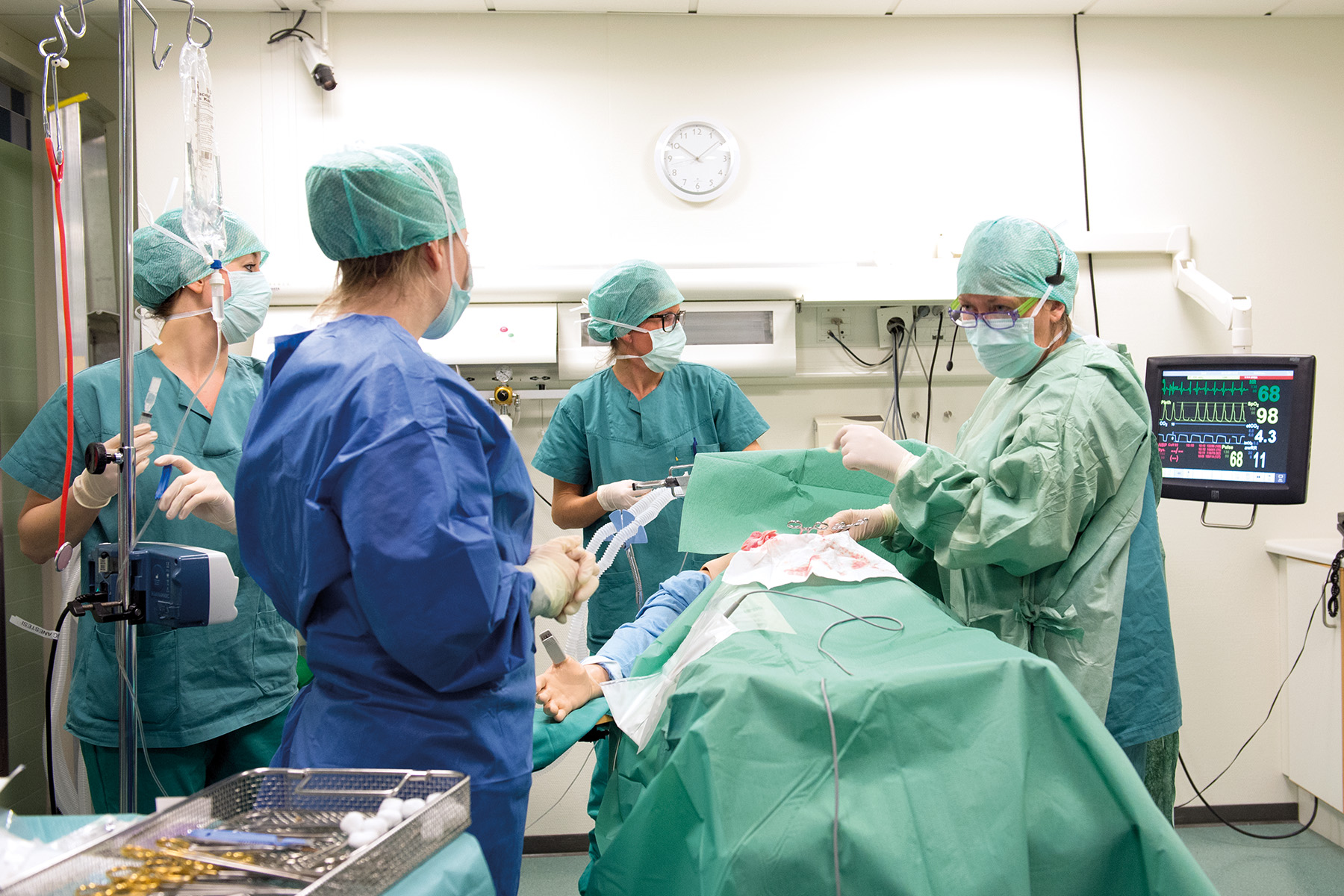
Coined by Dr. Victoria Brazil and adopted by experts like Dr. Andrew Petrosoniak, Christopher Peter Nickson and others, translational simulation refers to the use of simulation not only to teach better care practices, but to improve care systems. It acts as a bridge between frontline practice and system design, helping teams test ideas, expose risks, and embed safer ways of working.
Citing how simulation is widely adopted for healthcare education and training, Dr. Victoria Brazil points out that simulation can be taken a step further by and being "connected directly with health service priorities and patient outcomes, through interventional and diagnostic functions, independent of the location of the simulation activity".2
You can think about it this way: translational simulation “translates” the efforts of simulation into better “care structure”, i.e., better systems outcomes:
Traditional Simulation
- ✓Competency development
- ✓Focuses on individuals and teams
- ✓Educational objectives
- ✓Often lab-based
- ✓Measured by knowledge or skill gains
Translational Simulation
- ✓Competency development
- ✓Focuses on systems and processes
- ✓Patient care and safety objectives
- ✓Often in-situ (in clinical environments)
- ✓Measured by impact on clinical outcomes or system performance