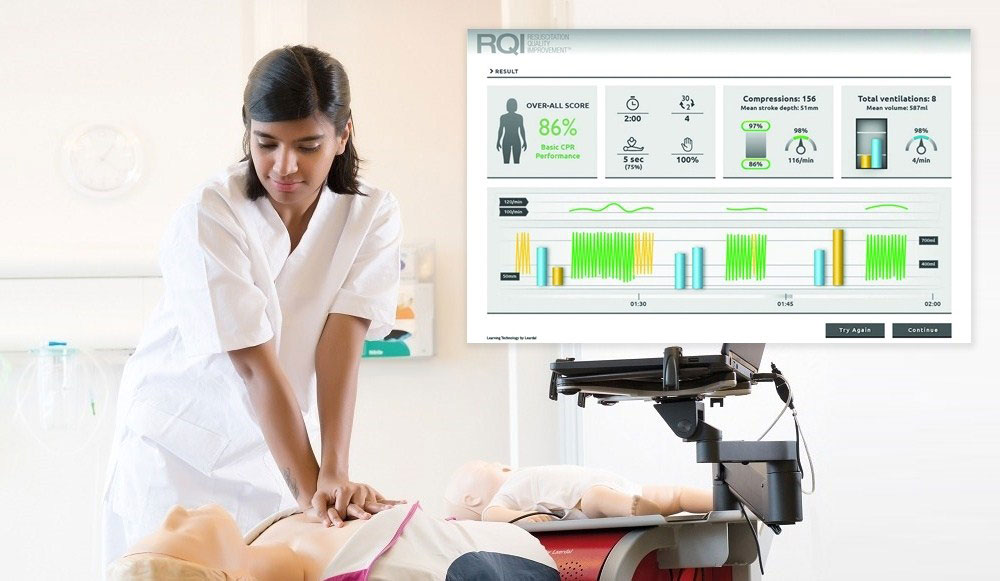
Resuscitation Quality Improvement
A Revolutionary new way for resuscitation training dat helping to tackle plenty common challenges in resuscitation training today.
Learn More

Simulation serves as both a training modality and an assessment strategy, enabling learners to develop and demonstrate competencies. By observing learner performance in simulated scenarios, instructors can accurately identify strengths and areas for improvement.
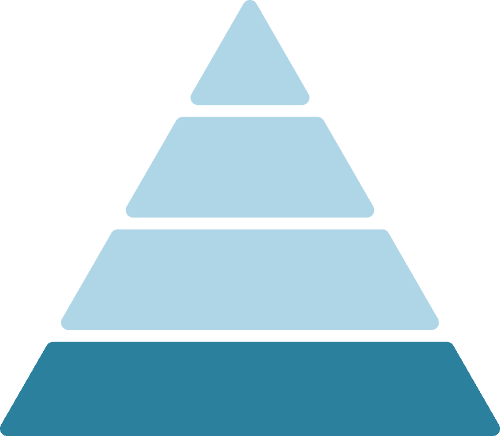
Demonstrates foundational task knowledge and performance hands-on
Paramedicine demands a unique blend of rapid critical thinking and precise hands-on skills. In EMS education, developing psychomotor competencies early in a learner's journey is essential. When foundational skills become second nature, students can shift their focus to applying them seamlessly in high-pressure, real-world scenarios. By assessing these skills early through efficient and ideally automated methods, educators can better support learners' progression and ensure readiness for the demands of the field.
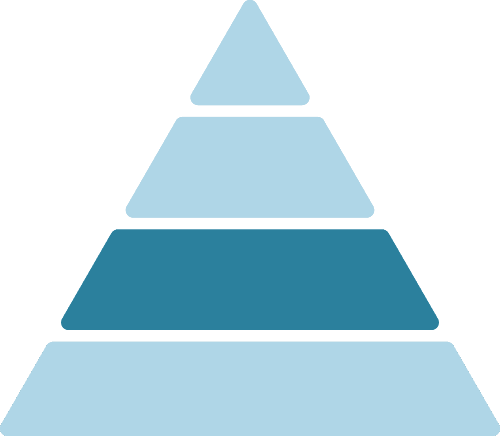
Demonstrates introductory decision-making skills within situational competencies
At this stage of EMS education, learners begin to grasp the fundamentals of clinical decision-making and care pathways. They start applying critical thinking and recognizing that both success and failure are part of the learning process. Often, students who struggle with summative exams have had limited exposure to formative or course-level assessments. Choosing a simulation solution that enables targeted, early assessment helps educators identify gaps and support learners in progressing confidently to the next level in their competency progression.
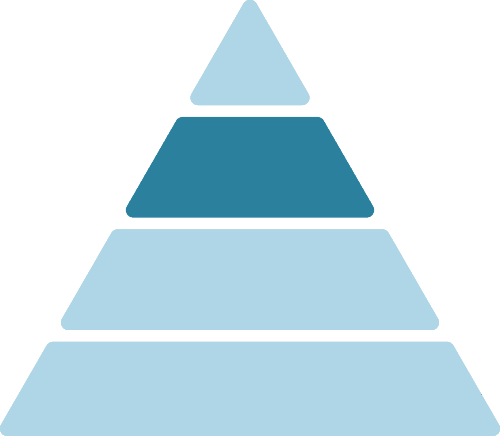
Demonstrates advanced decision-making along with team-based competencies
Learners experiencing the benefits of assessments at this level should already be used to formative assessments and to the process of coaching and guided self-reflection. What you need to assess in this area is what you will need to train to. You may be performing summative assessments like Observed Structured Clinical Exams (OSCEs), or you may still be performing formative assessments. In either case, Laerdal offers simulators and digital solutions that can test advanced-level decision-making in teams during acute emergent situations.
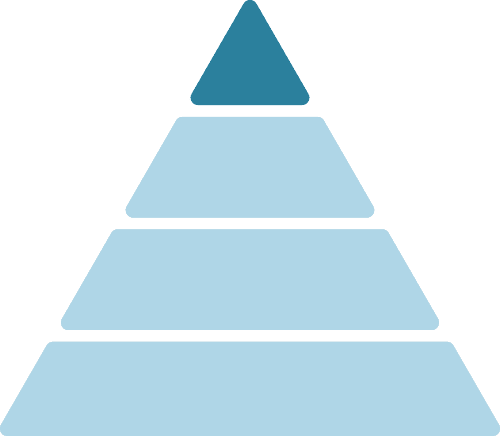
Demonstrates competencies during clinical practice
As learners advance, it's critical to immerse them in realistic environments that test their ability to think clearly and act decisively under pressure. These scenarios build confidence and competence for the field.
To ensure consistency and transparency, assessments should be digitally captured and tracked. When using simulation, opt for the highest fidelity possible to mirror the complexity of real EMS calls — especially those requiring critical thinking and complex decision-making.
Run simulations just like real pre-hospital conditions and make sure to catch everything so you can give well-organized, useful feedback. This method helps learners gain skills by reflecting on specific areas and improving with guidance.
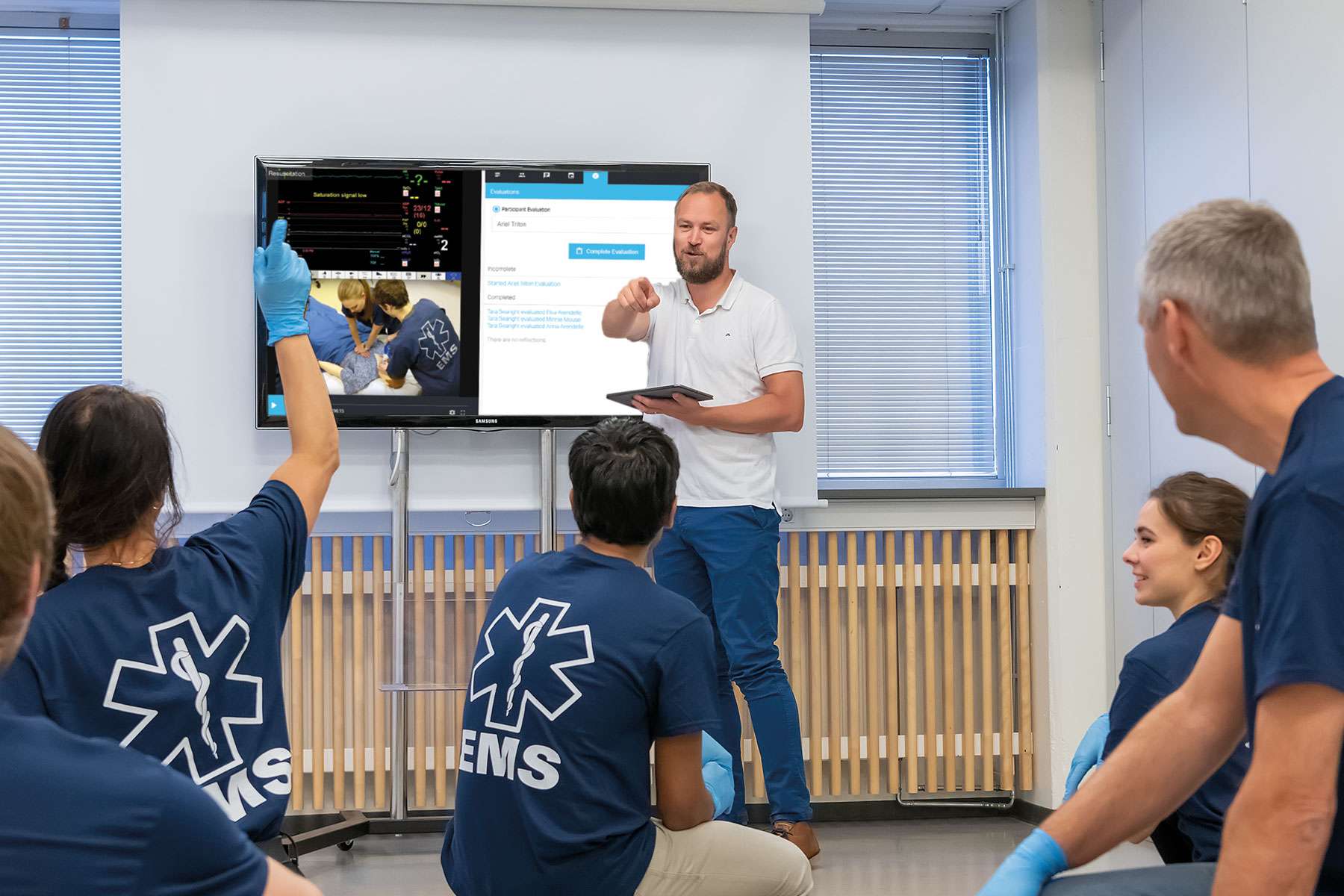
SimCapture mobile solutions make it possible to capture videos of simulations on the go for urgent situations, letting teams practice skills and decision-making without needing big IT setups.
Instructors can mark important moments for debriefing, set up evaluation criteria, and check how well learners follow protocols based on local standards.
The platform makes it easy to test protocol changes, offers simple performance reports, and lets you download data for reviewing and reflecting on practice.
It also supports teamwork and self-recording for skill-building exercises.

Strengthen team-based training
Improve EMS response to critical emergencies
Assess, evaluate, and track performance over time
Encourage peer learning with digital checklists
Assessment Management
Assessment data is collected and stored in one location for simple access and management
Standardized and Objective Assessment
Evaluate EMS learners consistently using defined performance criteria - supporting fair, skills-based validation and readiness tracking

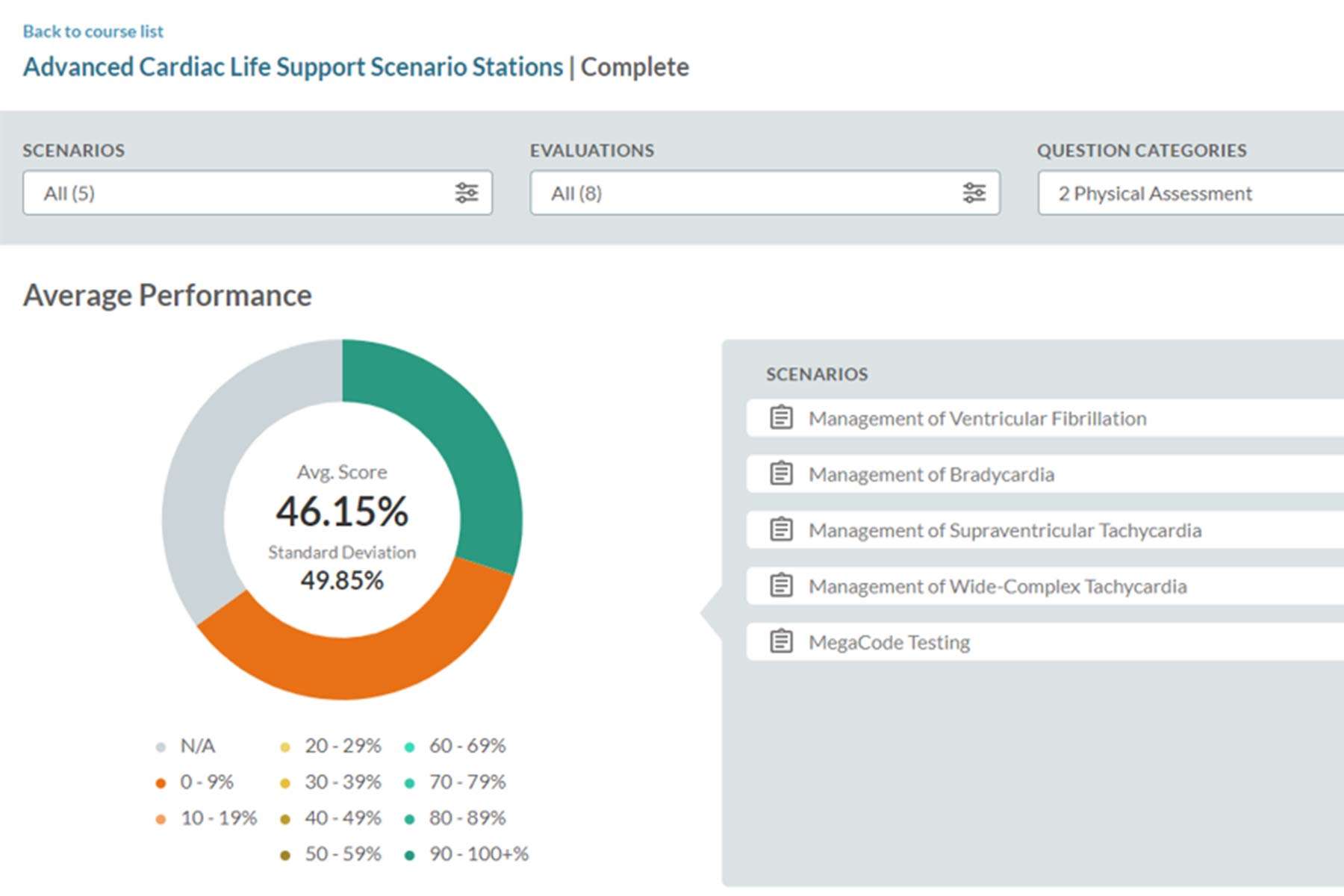
Analyzing and Presenting Data
Dashboards on individual or cohort level for better evaluation and presentation of outcomes
A collection of resources to help you implement competency-based education.