En samling af uddannelsesmateriale
Ressource bibliotek
En samling af uddannelsesartikler, white papers, videoer, infografikker og mere.
Mere information

We had just dropped off a routine case at the ER. I was talking to a police officer when his radio lit up with a call that shots were being fired. He and I looked at each other. The shooting was occurring right down the street. We could hear the shots in stereo coming over his radio and from a few blocks away.
That is the situation in which Paramedic and Flight Nurse Carlos Tavarez found himself at 2:00 AM as shots rang out from the Pulse Nightclub in Orlando, FL, June 12, 2016. He and his partner, Paramedic Joshua Granada, were the first medical team to respond.
Carlos’s and Joshua’s skills, decisiveness, and resilience under pressure resulted in their treating and transporting 13 victims to the hospital. Every one survived. Carlos and Joshua’s story is an extraordinary example of how simulation-based training can prepare someone to look at even the most impossible circumstances and reply, “I’m possible.”
We extend our sincerest gratitude to Carlos and Joshua, to all in EMS, and to those in patient simulation who train them. All work diligently to make zero preventable harm an attainable goal.
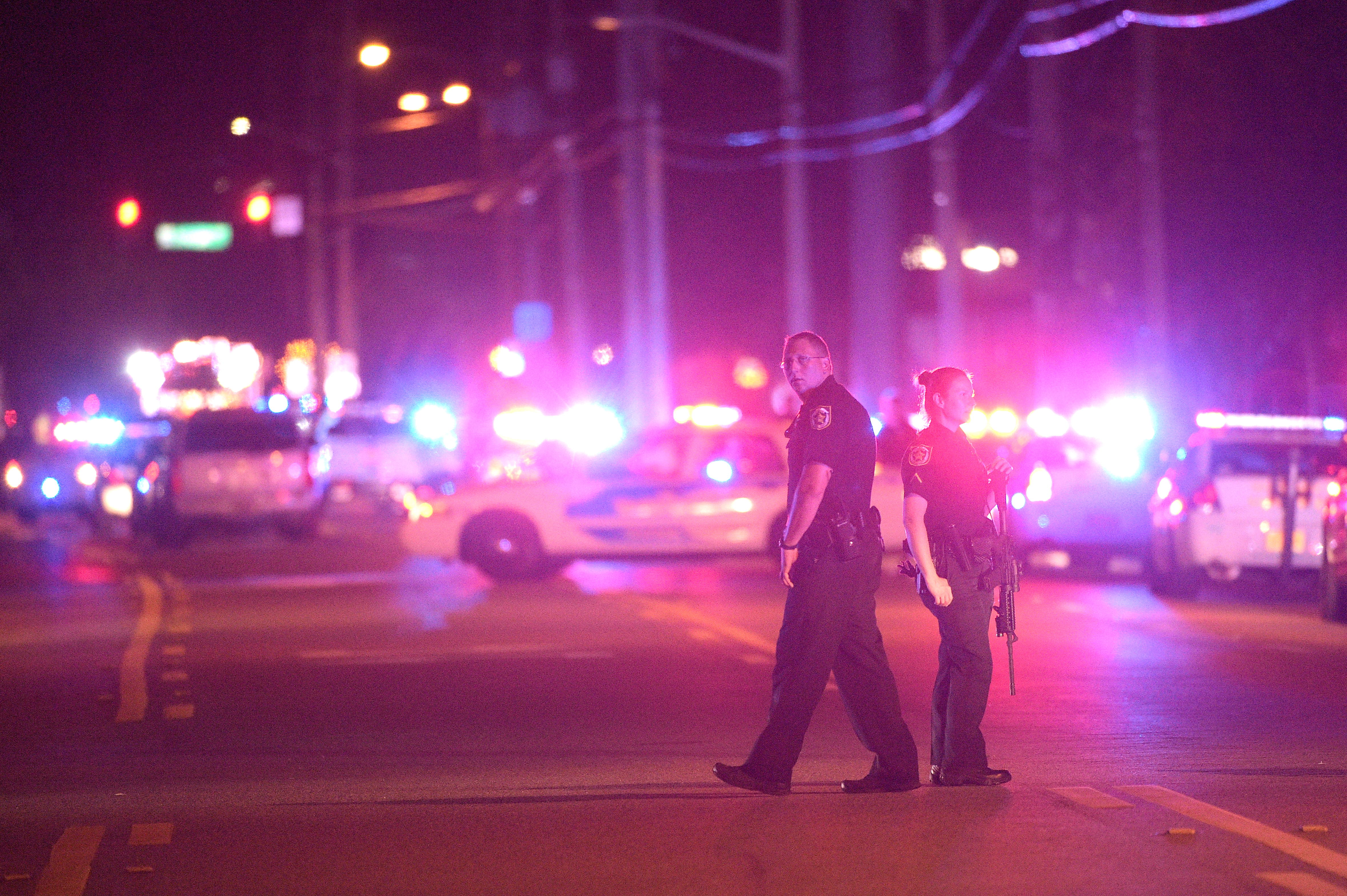
“We were the first ambulance on the scene,“ said Carlos. “When the call came over the officer’s radio and we heard the gun fire, we took off after him. We arrived in minutes. We heard the gun fire up close now and saw people running but saw only one victim.” The victim, a man later named “Patient No. 1,” collapsed after suffering two bullet wounds to his abdomen. Carlos immediately treated him to control the bleeding and, after surveying the scene for others, he and Joshua delivered him to the ER within minutes. Carlos’s words to the staff there: “I think you’re going to have a bunch of people coming in.”
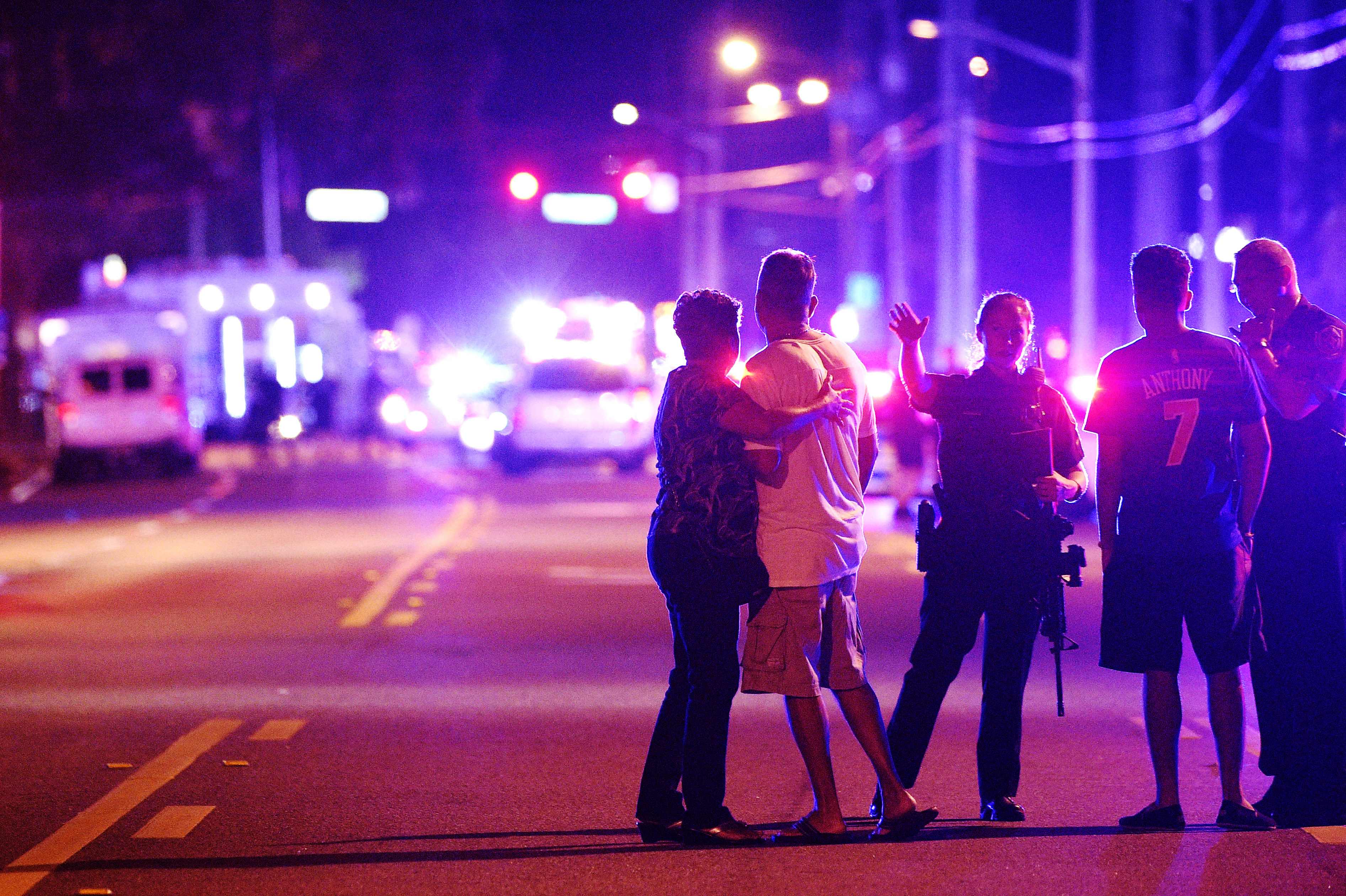
The ER where Carlos and Joshua took Patient No. 1, Orlando Regional Medical Center, is only four blocks from Pulse. The team made the round trip in 15 minutes. Other ambulances were being held back due to the danger. The streets were flooded at this point. “That’s when we started seeing the big, big injuries — the people whose injuries were extremely critical and needed to be off the scene,” Carlos recounted. “We saw injuries we’d only read about. Joshua and I participate in national EMS competitions. Typically, the final event is a mass-casualty event designed to test what you’re made of. Our last competition before Pulse? Active shooter.”
“The patient that stands out most for me is a man who I talk to almost every day now,” Carlos shared. “We’ve become really close. When we found him he was hyperventilating, pale, had no distal pulse, and then passed out. I searched everywhere for the wound. I finally found it on his back between his shoulder blades. I didn’t have an occlusive dressing so I improvised. I used a defib pad! Once I had the wound covered, I decompressed both lungs. The patient’s chest looked full of air, and I was sure one of his lungs had collapsed. I just didn’t know which one, and there wasn’t time to think about it.”
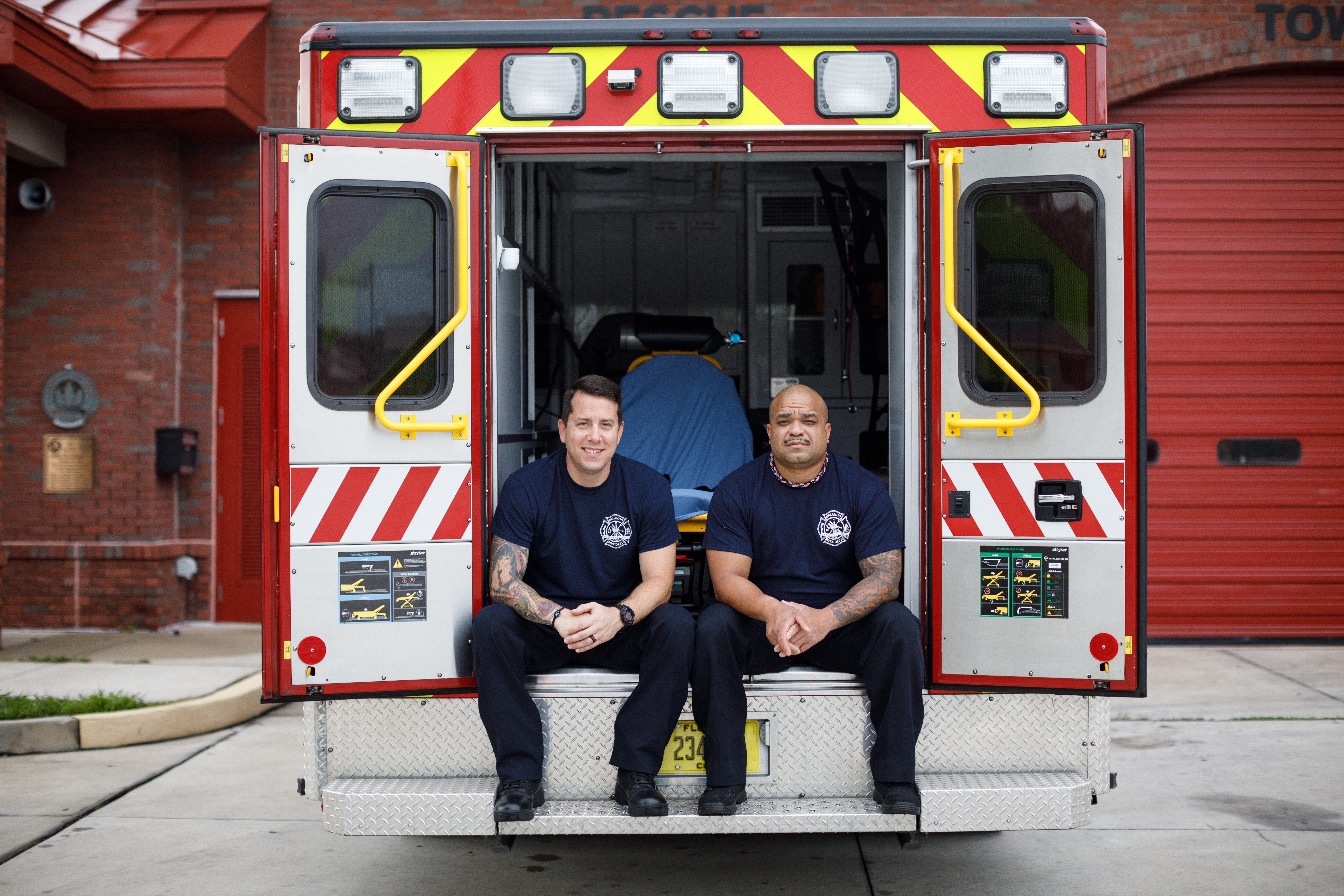
As Joshua recounted, “Carlos just — bam! — stuck two needles in the chest, and I saw the guy take a huge gasp of air. A double-needle decompression — that’s something someone might do once in their entire career!” Carlos added, “Joshua and I train to compete. That kind of training gives you a muscle memory and drive to do everything right the first time.” Ironically, Carlos and Joshua don’t regularly work together. Joshua emphasized, “It was such a crazy coincidence that we were together. I’d asked to be at that station because I heard Carlos was coming in. We hadn’t worked together in four years.” The Carlos-Joshua team transported and saved 13 patients that early morning.
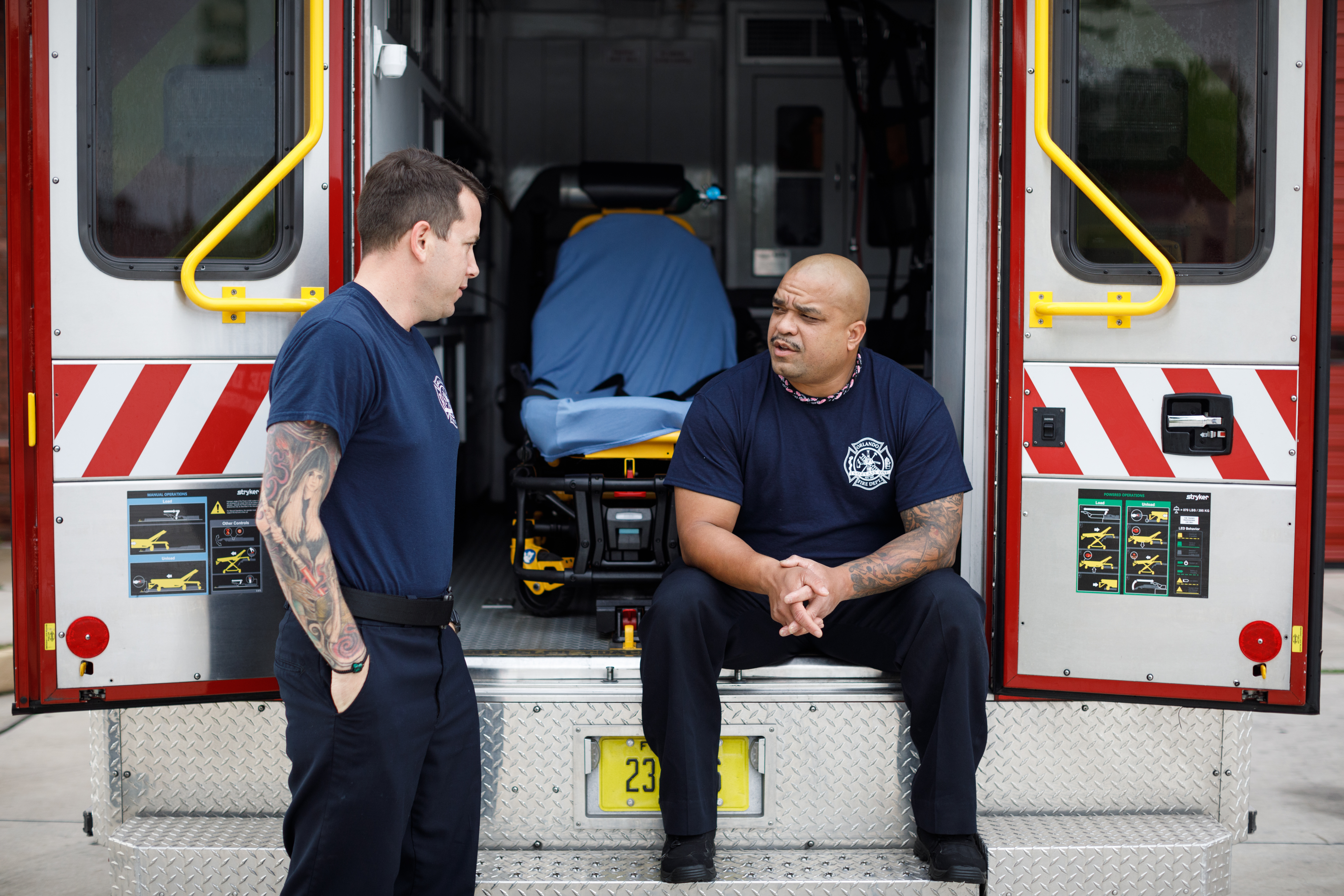
Carlos’s and Joshua’s story illustrates how simulation is being used to instill a mindset that makes preparedness the cornerstone of patient safety. The training and competitions in which Carlos and Joshua are national champions center on simulation. The National Council of State Boards of Nursing (NCSNB) now recommends that simulation can be used to replace up to 50% of required clinical hours. Across healthcare, simulation is being used, not only to teach clinical skills, but to teach critical thinking, leadership, and teamwork skills. It is even being used to teach stress management. These are all the skills exhibited by Carlos and Joshua. “Simulate twice, act once,” is becoming an axiom for training to save lives.
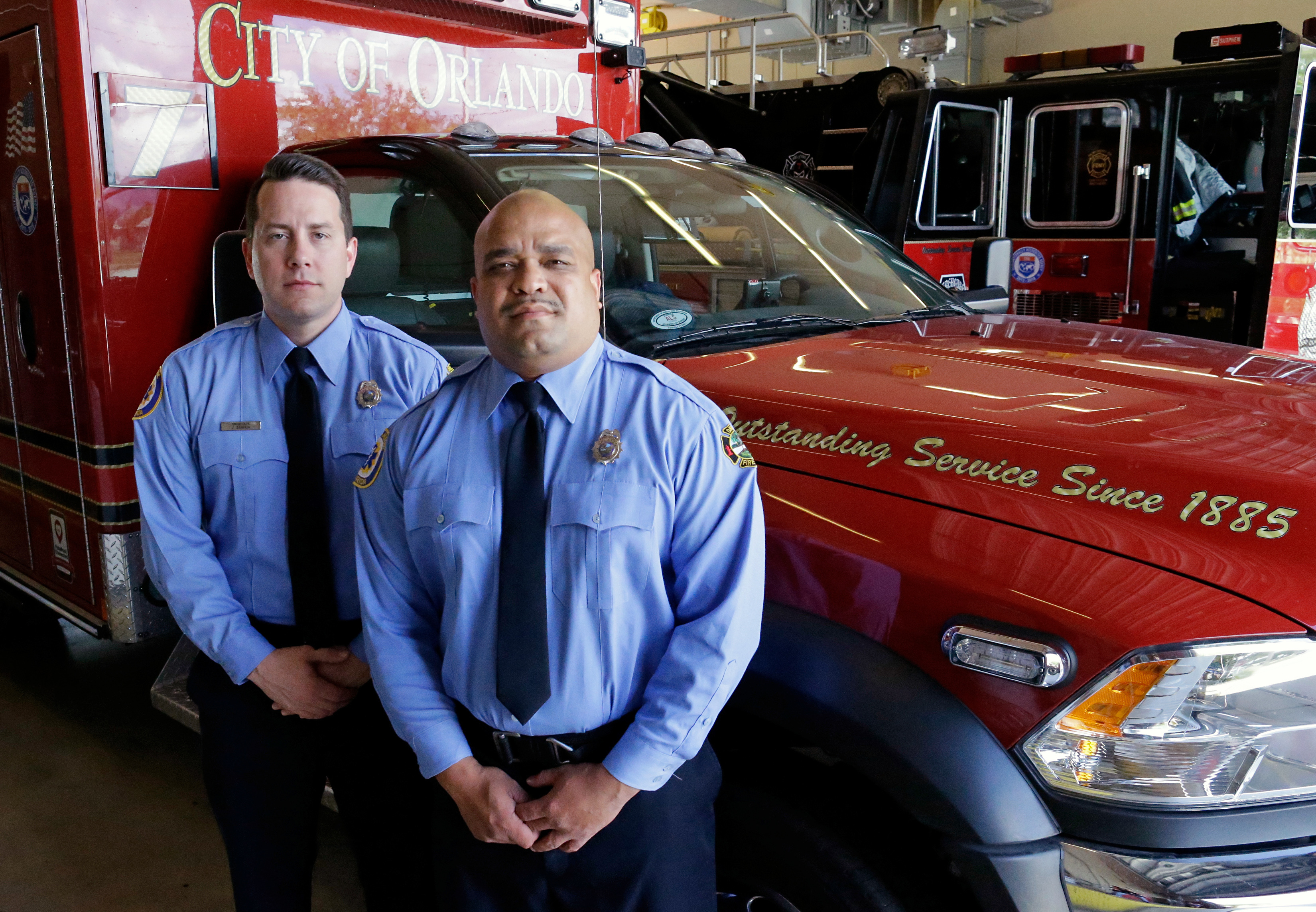
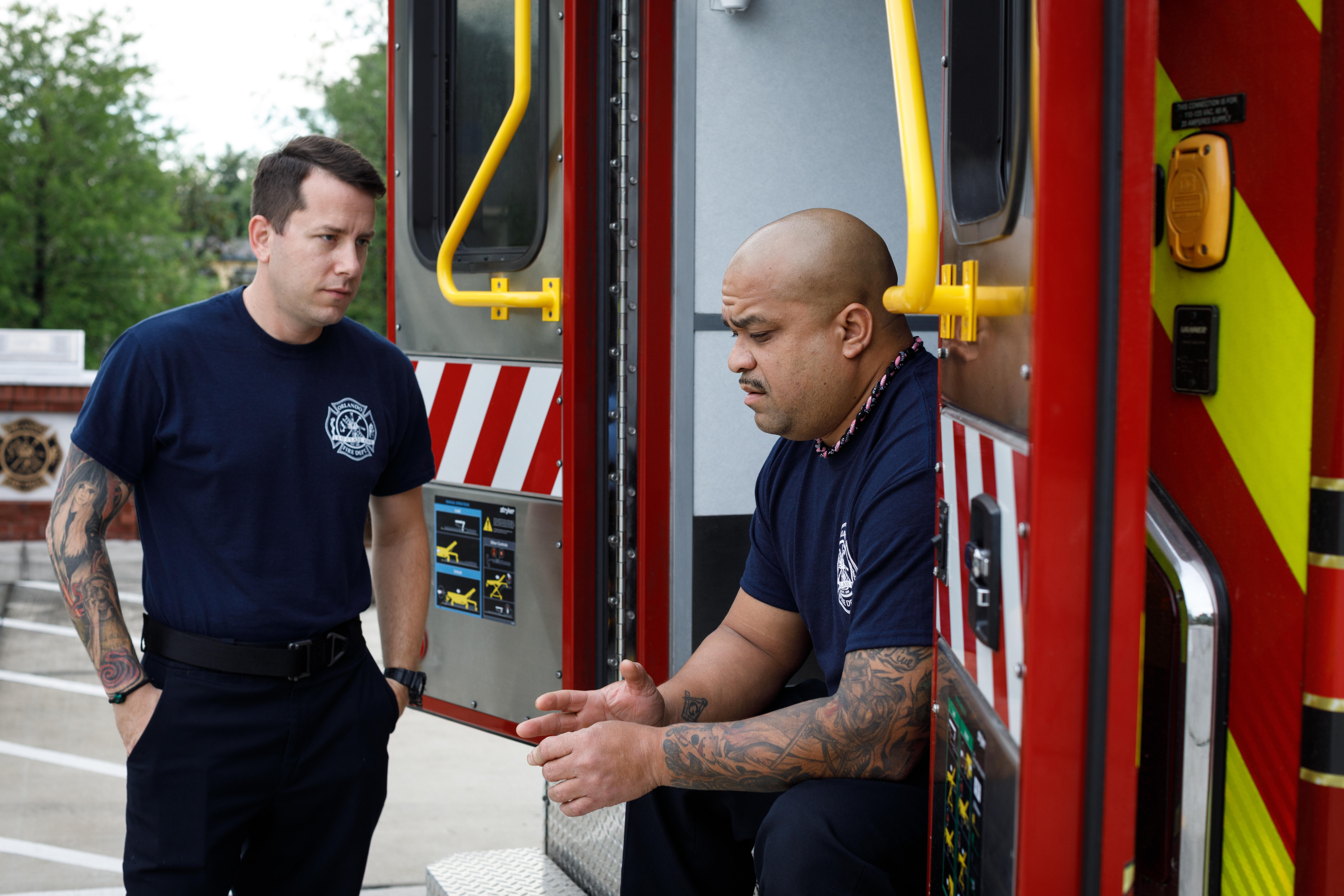
We extend our sincerest respect, admiration, and gratitude to Carlos (right) and Joshua (left) for their acts of valor. We would also like to thank those in simulation who are dedicated to training people like them to achieve zero preventable harm—a goal that Carlos and Joshua pursued relentlessly without thought of self. By their own account, if it were not for their simulation-based training, they would not have been able to think as clearly and act as decisively as they did that morning. You are examples to all of us in the simulation and patient safety community of what it means to look at the impossible and reply back, “I’m possible.”
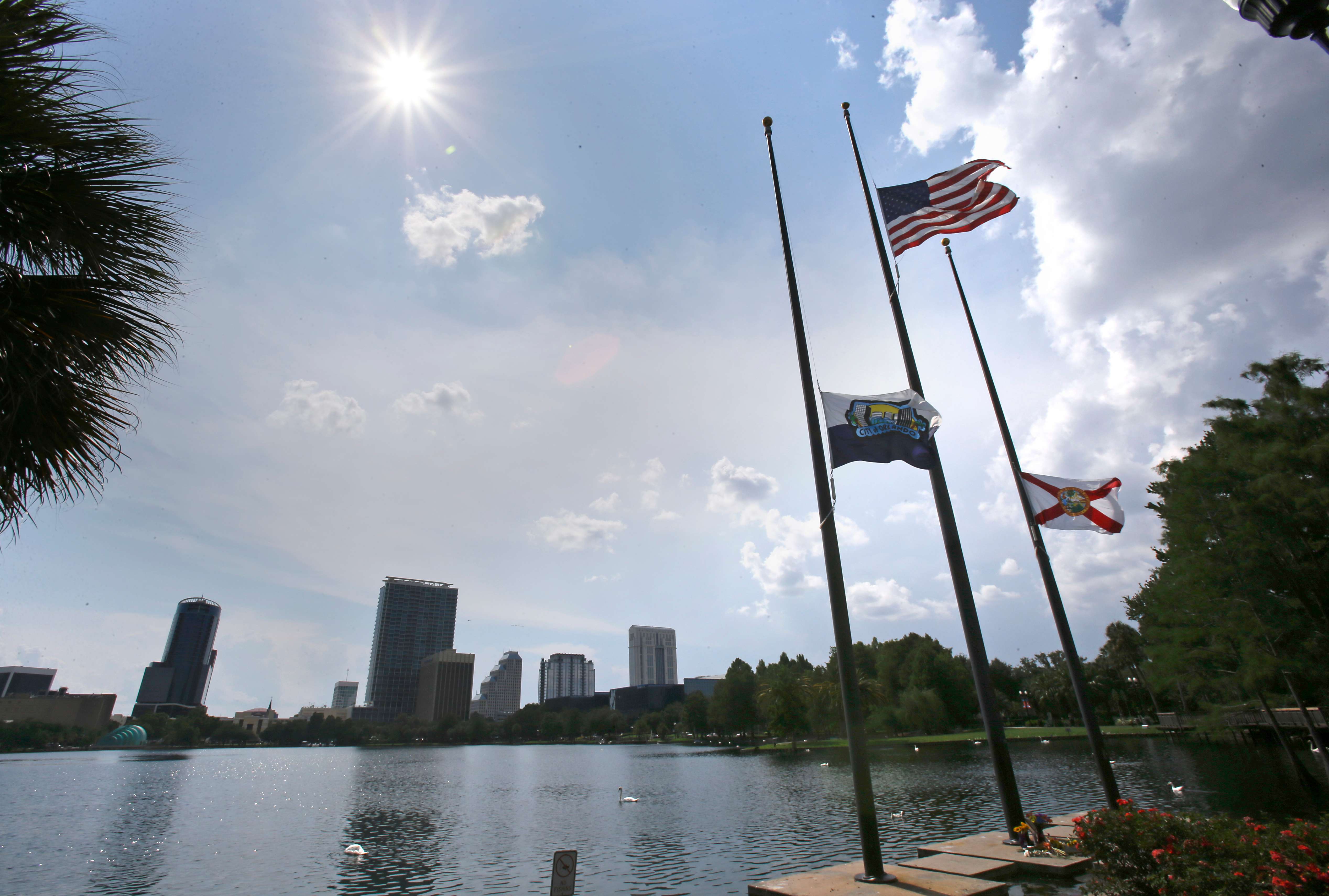
The loss of life at Orlando’s Pulse Nightclub on June 12, 2016 remains a national tragedy. We extend our thoughts and condolences to the families and friends of the victims of that tragedy. And, we honor the hard work and dedication shown by the City of Orlando Fire Department and EMS. EMS exists because at any time any one of us may need someone to save us. We thank everyone in EMS who is dedicated to that job. We hope that an event like Pulse never happens again.