Nursing Anne Simulator Geriatric Virtual Live Product Showcase
Explore how Nursing Anne Simulator can help prepare healthcare providers for the complex needs of older adults.
Mere information
If you work in nursing education, you likely know that preparing your nursing students to care for the rapidly growing geriatric population is essential.
These demographic changes will demand that new nurses enter practice with the sound clinical judgment and competence needed to provide safe, effective care for geriatric patients.
For nurse educators, this challenge requires leaning into methods that bridge theory and practice. Simulation provides opportunities for students to build competence, and to demonstrate what they can do with what they know.
In this article, we share five tips for using simulation to help your students build and demonstrate readiness for geriatric care.
Focus learning on how students make decisions as patient conditions change.
Strong clinical judgment is foundational in geriatric care, where recognizing and responding to complexity can directly impact outcomes. Students need repeated opportunities to practice across diverse care contexts, recognizing how illness can present differently in older adults and how multiple conditions, functional status, and family dynamics shape care decisions.
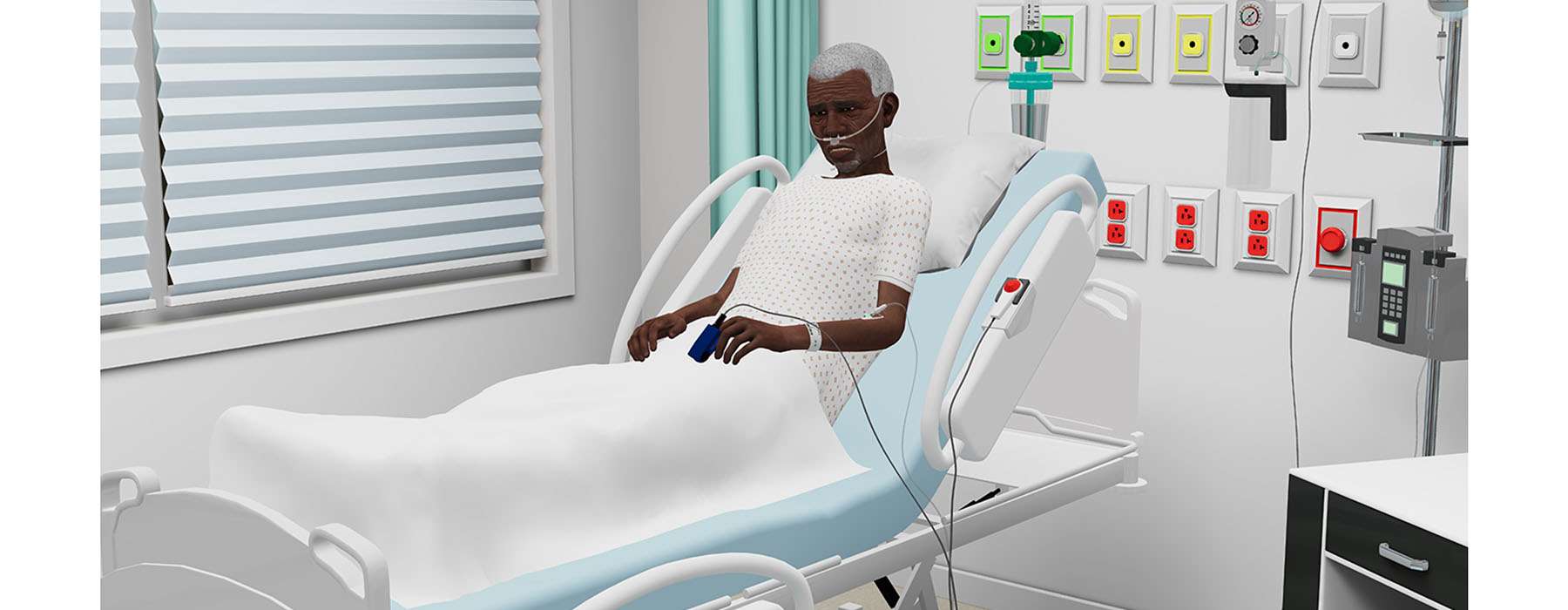
Virtual simulation can support this by allowing students to work through evolving cases and see the impact of their decisions. NextGen vSim® for Nursing | Gerontology lets learners follow patients over time through unfolding cases, helping reinforce the clinical reasoning and decision-making skills they will rely on in practice.
For example, learners follow vSim’s virtual patient Henry Williams in 3 parts:
This kind of progression highlights how multiple conditions, changing function, and care transitions intersect in geriatric care.
vSim’s personalized feedback and performance insights support targeted remediation and deeper learning for students.
Give students repeated exposure to evolving geriatric cases so they can practice making decisions as patient conditions and contexts change.
Align learning goals with how students make decisions across a full patient assignment.
In practice, students are not caring for older adults in isolation. They are managing multiple patients at once and must integrate the unique needs of the geriatric population into broader adult care priorities. This means balancing complex, chronic conditions, recognizing subtle or atypical changes in older adults, and adjusting decisions based on functional status, cognition, and patient and family goals, all while responding to the needs of other patients.
Your learning objectives should reflect this reality by focusing on how students decide what needs attention now, what can wait, and how to shift priorities across patients as conditions evolve.
For example, students might be expected to prioritize care across a mixed patient assignment, recognize early signs of decline in an older adult, determine when geriatric needs should take precedence, or coordinate communication with family and interdisciplinary teams alongside other clinical demands.
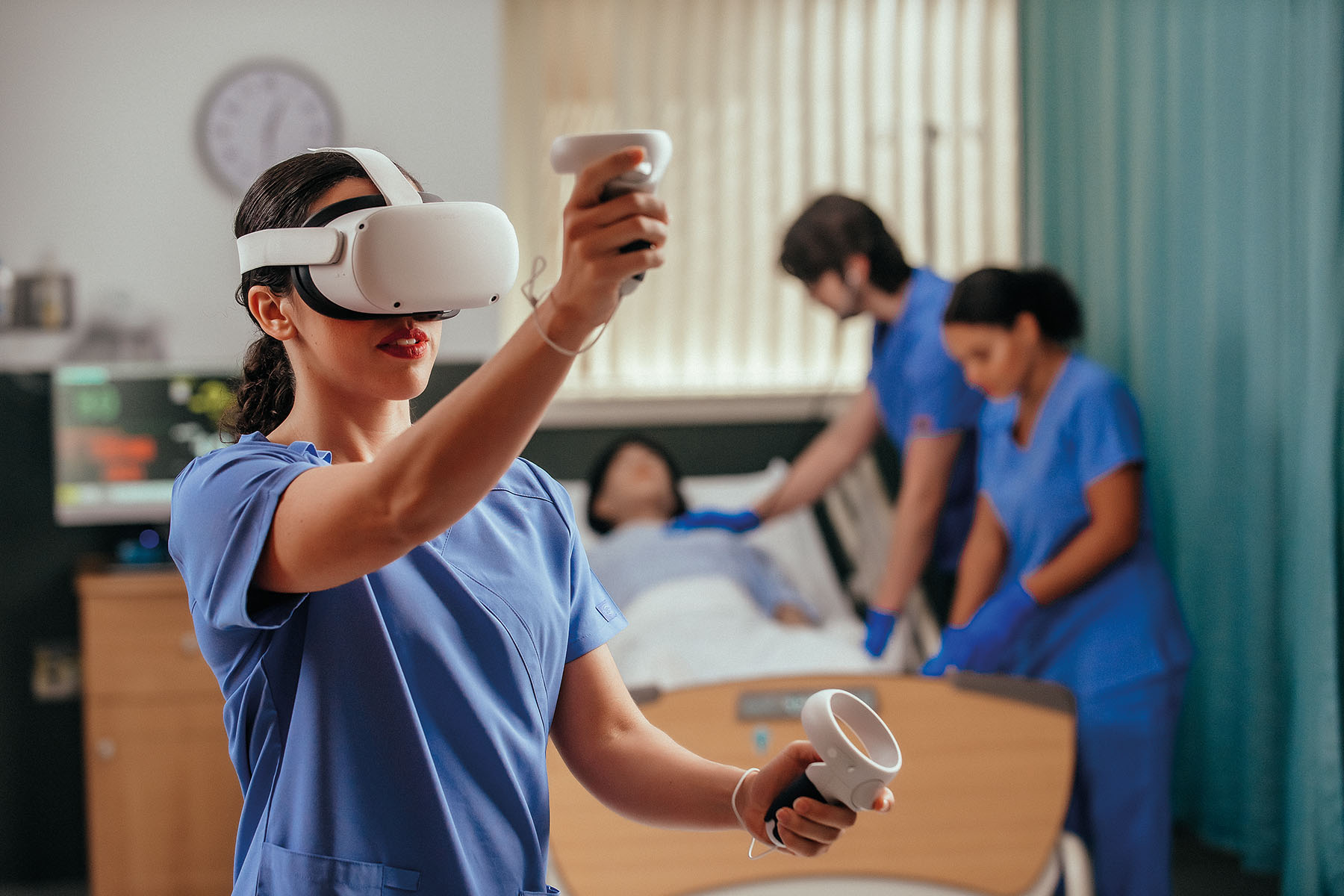
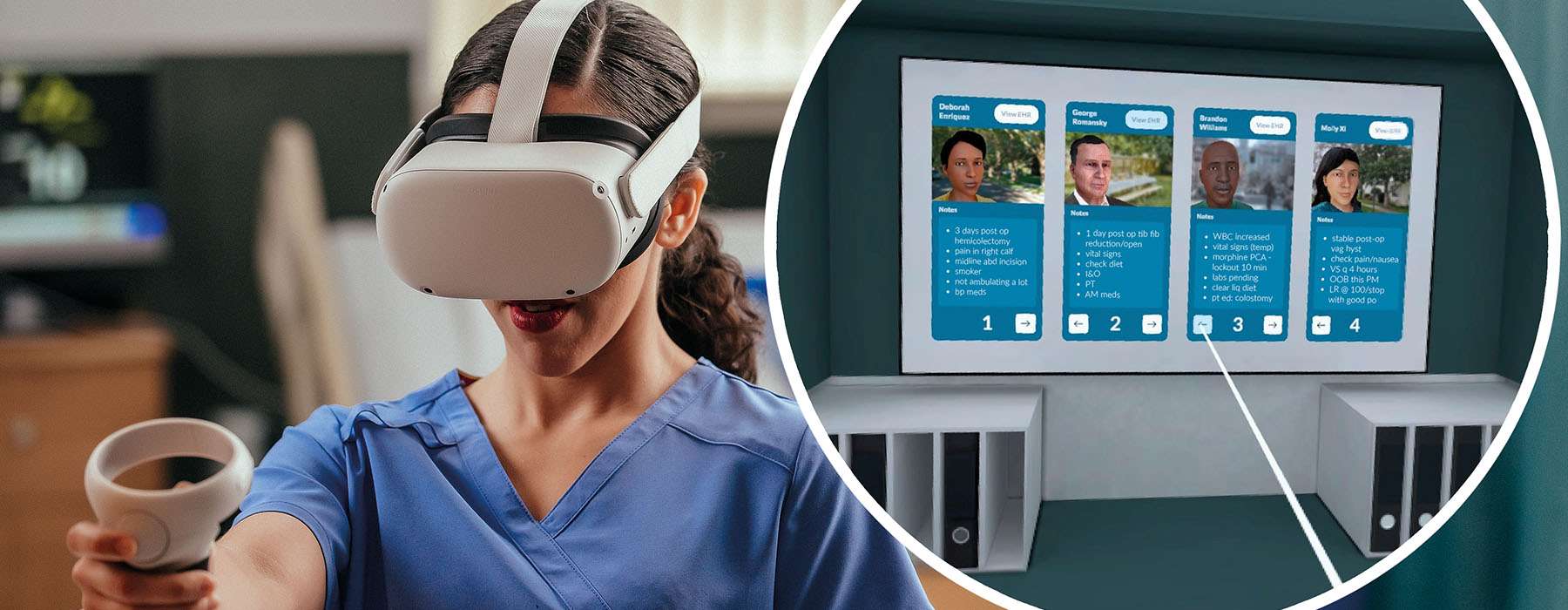
VR simulation provides a practical way to build these skills. Tools like vrClinicals for Nursing place learners in scenarios where they must manage multiple patients, balance competing priorities, and integrate geriatric considerations into real-time decision-making, mirroring the complexity of actual care environments.
Design learning objectives that require students to prioritize care across multiple patients while integrating the unique needs of older adults.
Use simulation to replicate conditions learners may encounter in clinical rotations.
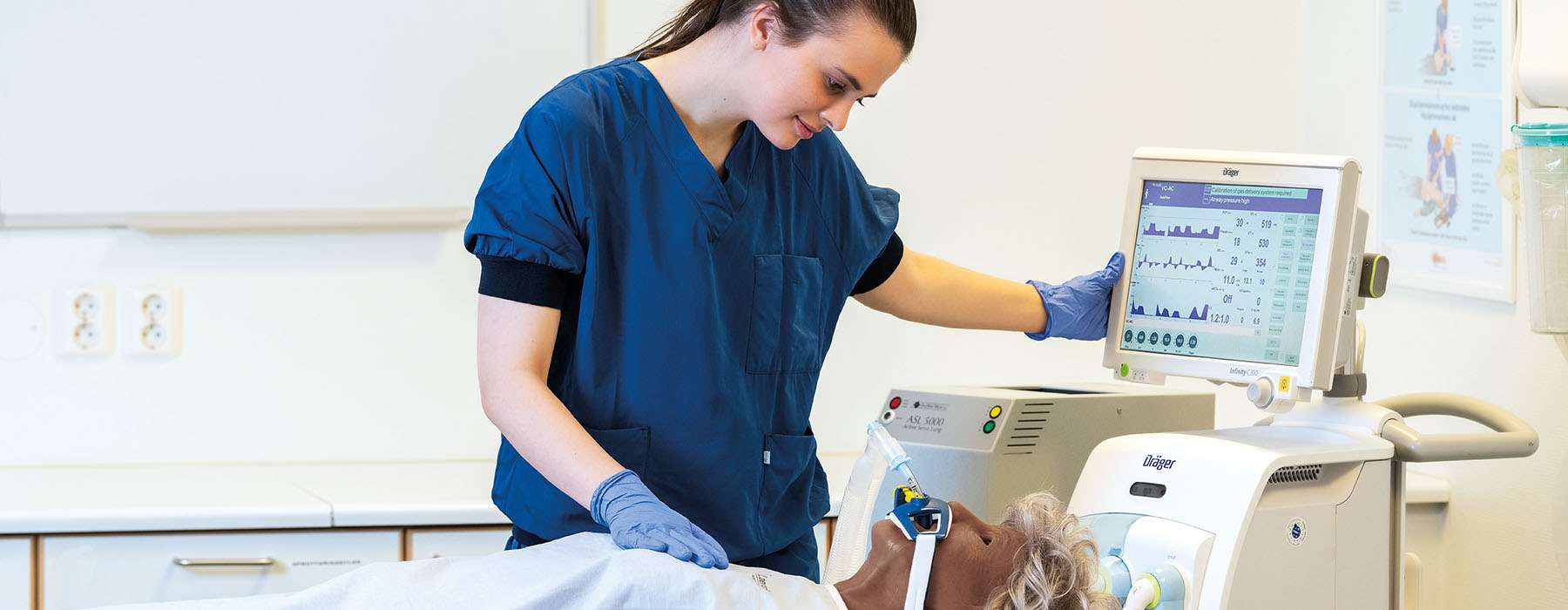
Clinical placements rarely guarantee exposure to older adults with multifaceted health profiles. Simulation fills that gap by standardizing students’ ability to practice managing chronic illnesses, medication interactions, and functional decline in a controlled setting.
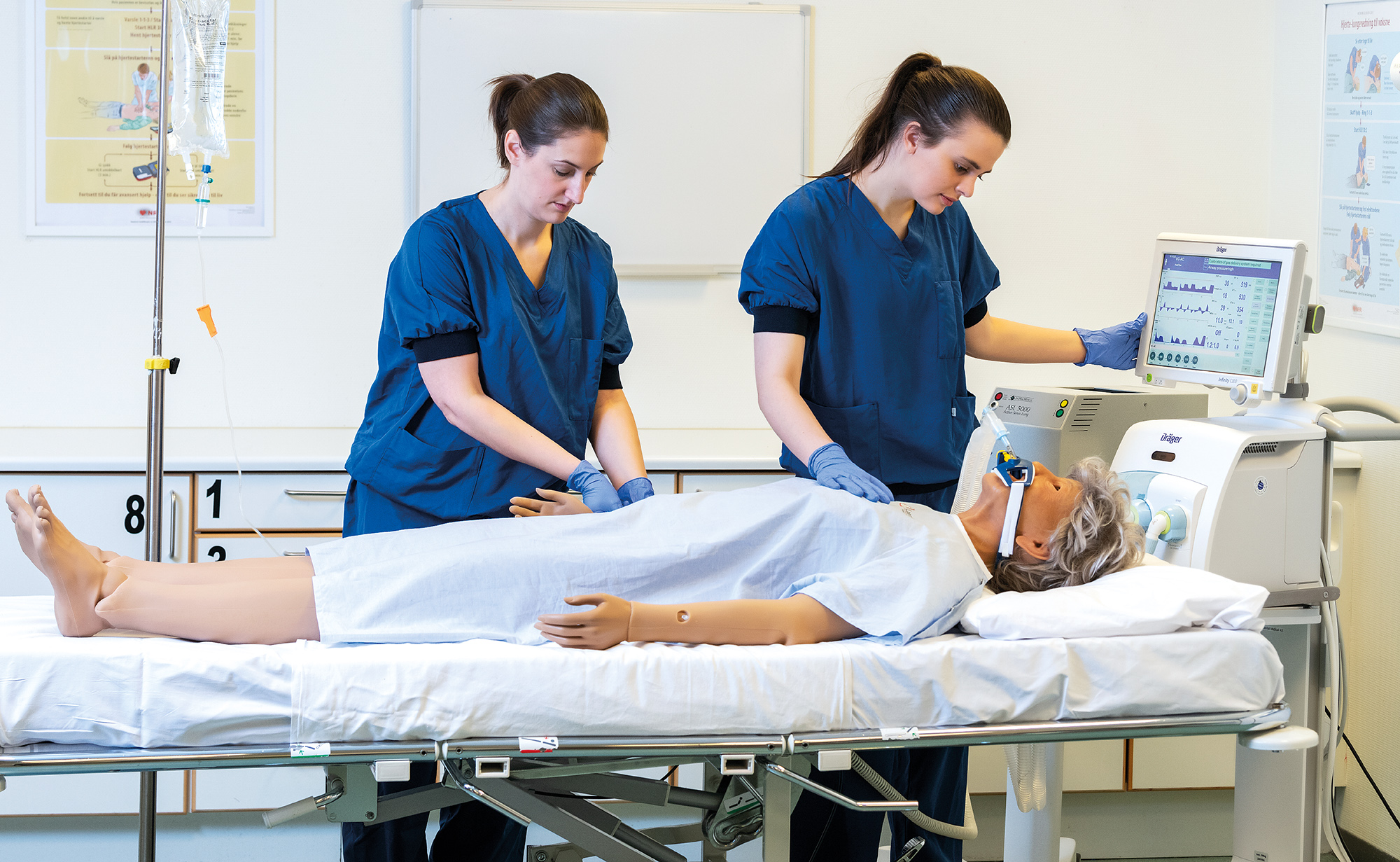
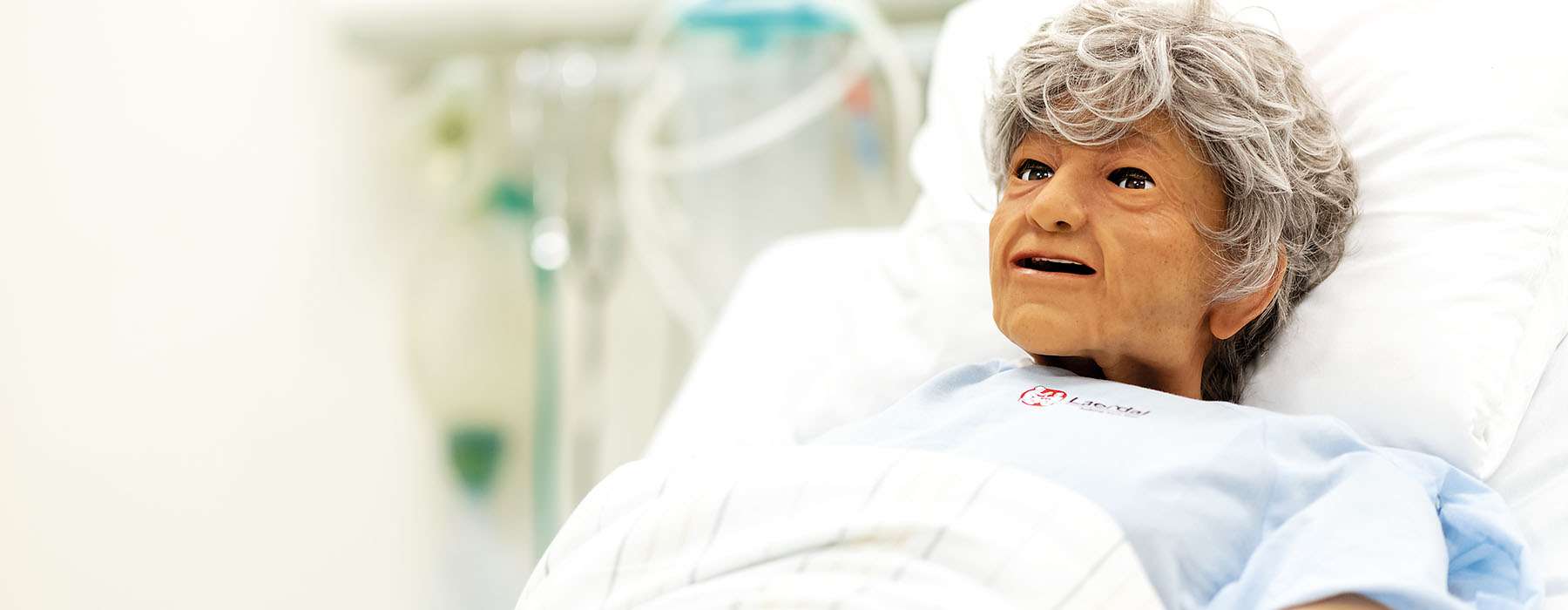
Integrating a lifelike simulator like Nursing Anne Simulator Geriatric can help learners develop both technical and critical thinking skills in realistic, hands-on scenarios. Lifelike anatomical features like aged limbs and teeth, gray hair wig, and cataract and arcus senilis pupils help students to feel like they’re caring for a real patient.
Use high-fidelity simulation to ensure students consistently practice managing complex geriatric conditions they may not encounter in clinical placements.
Build skills with a scaffolded learning pathway.
A scaffolded approach to geriatric care training enables learners to build step by step, while reinforcing both judgment and technical skill.
Begin with NextGen vSim® for Nursing | Gerontology, where students develop foundational decision-making through guided, scenario-based practice.
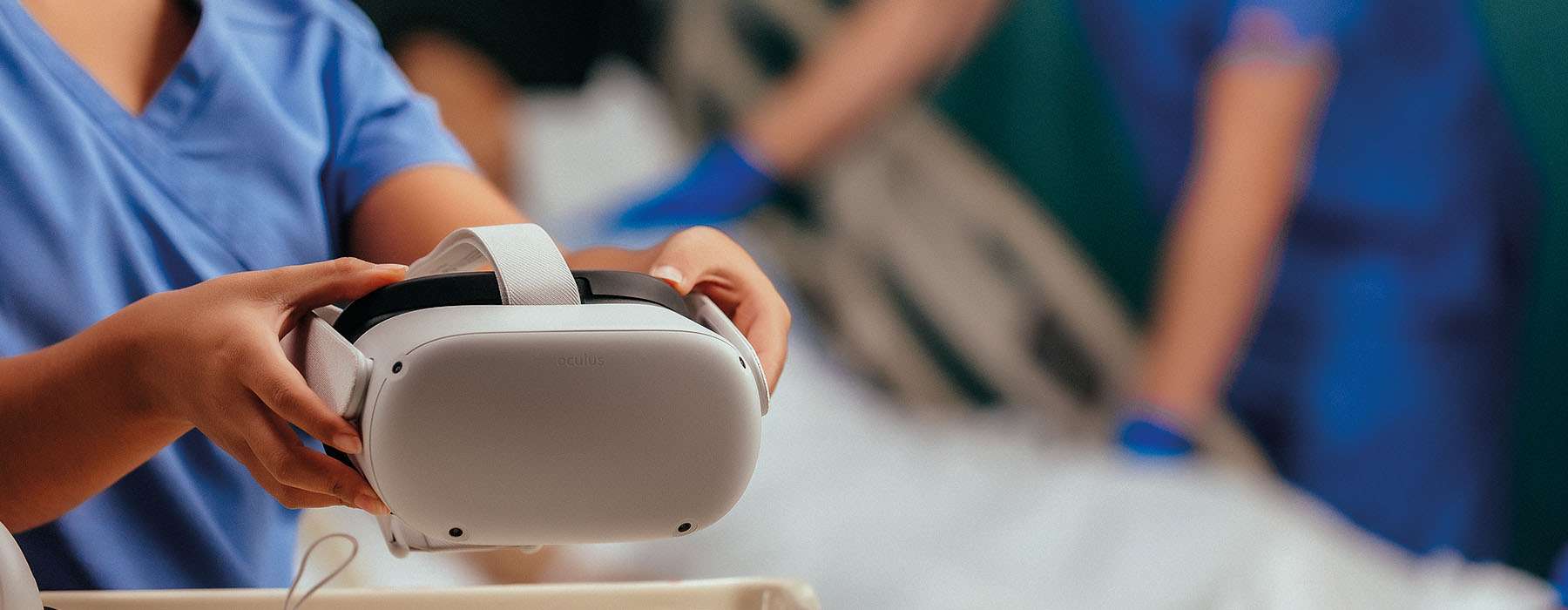
Next, expand complexity with vrClinicals for Nursing, simulating a dynamic hospital environment that challenges learners to prioritize care and manage interruptions.
Finally, bring it all together with Nursing Anne Simulator Geriatric. Learners can apply psychomotor skills and clinical reasoning in life-like hands-on scenarios. They can practice everything from mobility assistance to wound care with authentic anatomy and aging-specific features, ensuring that they’re confident and competent before graduation.
Sequence simulation experiences from guided decision-making to immersive and hands-on practice so students build confidence and competence step by step.

Turn performance trends into targeted coaching opportunities.
Tracking performance over time is powerful when it drives action. Educators need to see not just where a learner stands today, but how they are progressing toward competency and what specific steps will help them improve.
SimCapture, a simulation management system, organizes student performance data to create a clear picture of trends across multiple attempts, pinpointing strengths and recurring challenges.
You can use these insights to deliver highly targeted feedback, helping students focus on the exact behaviors or clinical decisions that matter most in caring for aging patients. Learners can then review feedback alongside video playback, connecting data to practice for meaningful, measurable improvement.
Use performance data over time to deliver targeted feedback that helps students improve specific clinical decisions and behaviors.
Your goal is to graduate practice-ready nurses who can navigate the complexity of geriatric care with strong clinical judgment, sound prioritization, and confidence in their decisions. Simulation provides a pathway to achieving that goal.
By anchoring your curriculum in measurable outcomes, sequencing experiences through a scaffolded approach, and using performance data to guide targeted feedback, you create an environment where learners continuously improve.
This helps ensure your students graduate prepared to make informed decisions, adapt to changing patient needs, and deliver safe, age-friendly care from day one.
Older adults represent a rapidly growing patient population, often with multiple chronic conditions and complex care needs. Nurses must be prepared to recognize subtle changes, prioritize care effectively, and make sound clinical decisions from day one in practice.
Simulation provides exposure to realistic, evolving geriatric scenarios that students may not encounter during clinical placements. It allows them to practice decision-making, prioritize care, and respond to changing patient conditions in a safe, controlled environment.
Virtual simulation, such as NextGen vSim for Nursing, allows students to work through patient scenarios over time, evaluate the impact of their decisions, and receive personalized feedback. This supports the development of clinical judgment and helps identify areas for improvement.
Rather than relying on single assessments, educators can track student performance across multiple simulation experiences. Tools like SimCapture help identify trends, highlight recurring challenges, and support targeted feedback that drives measurable improvement.
A combination of virtual simulation, immersive VR scenarios, and high-fidelity manikin-based training can support geriatric learning. Using these approaches together allows students to build skills progressively, from clinical decision-making to hands-on care in realistic patient scenarios.