How Might Technology Help Elevate both Access and Quality in Healthcare? The challenges in healthcare are multifaceted, encompassing issues of access and quality. Therefore, addressing both access and quality is paramount.
How MamaBirthie has impacted the Nordic region In this interview, we spoke with Pernilla Stenbäck from Arcada University in Helsinki, Finland about how the introduction of MamaBirthie impacted the midwifery and maternal outcomes across the Nordic region.
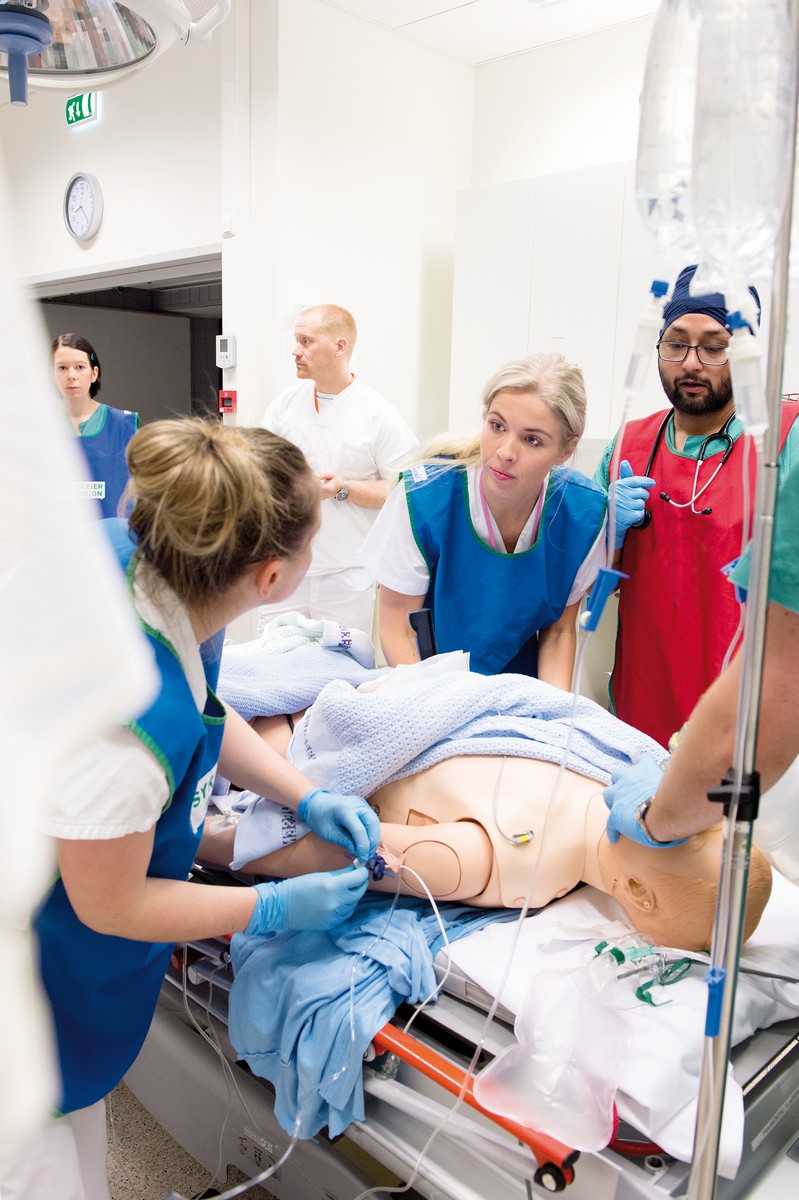
How to reach rural communities with obstetric simulation training To train healthcare providers in rural community hospitals across South and Central Texas, the team at the University Hospital in San Antonio started a simulation outreach program. The Perinatal Outreach Program was developed to improve the quality and standardization of care, to practice skills in management of shoulder dystocia, PPH and pre-eclampsia, and to improve teamwork and communication.
Laerdal Medical introduces simulation solutions to educate without compromise Startling health disparities in the U.S. have led many organizations to review how they prepare healthcare providers to meet the needs of diverse patients. Laerdal reveals new solutions that can help clients train for patients from different backgrounds using one simulator.
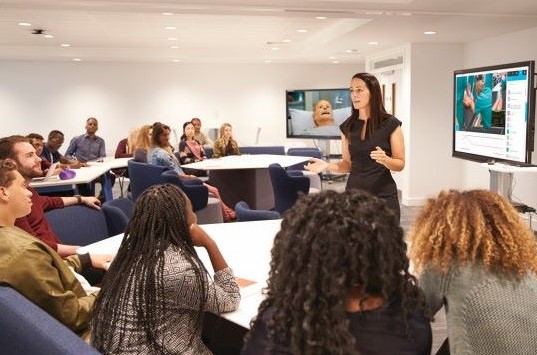
Teaching with data insights Learn about the transformation happening in todays healthcare education, and how to utilize data insights to drive students to become the best version of themselves.
Survivor's Guilt This article is about understanding and coping with survivor’s guilt. Here at Laerdal, we’re looking to raise awareness as well as to mobilize efforts in support of mental health.
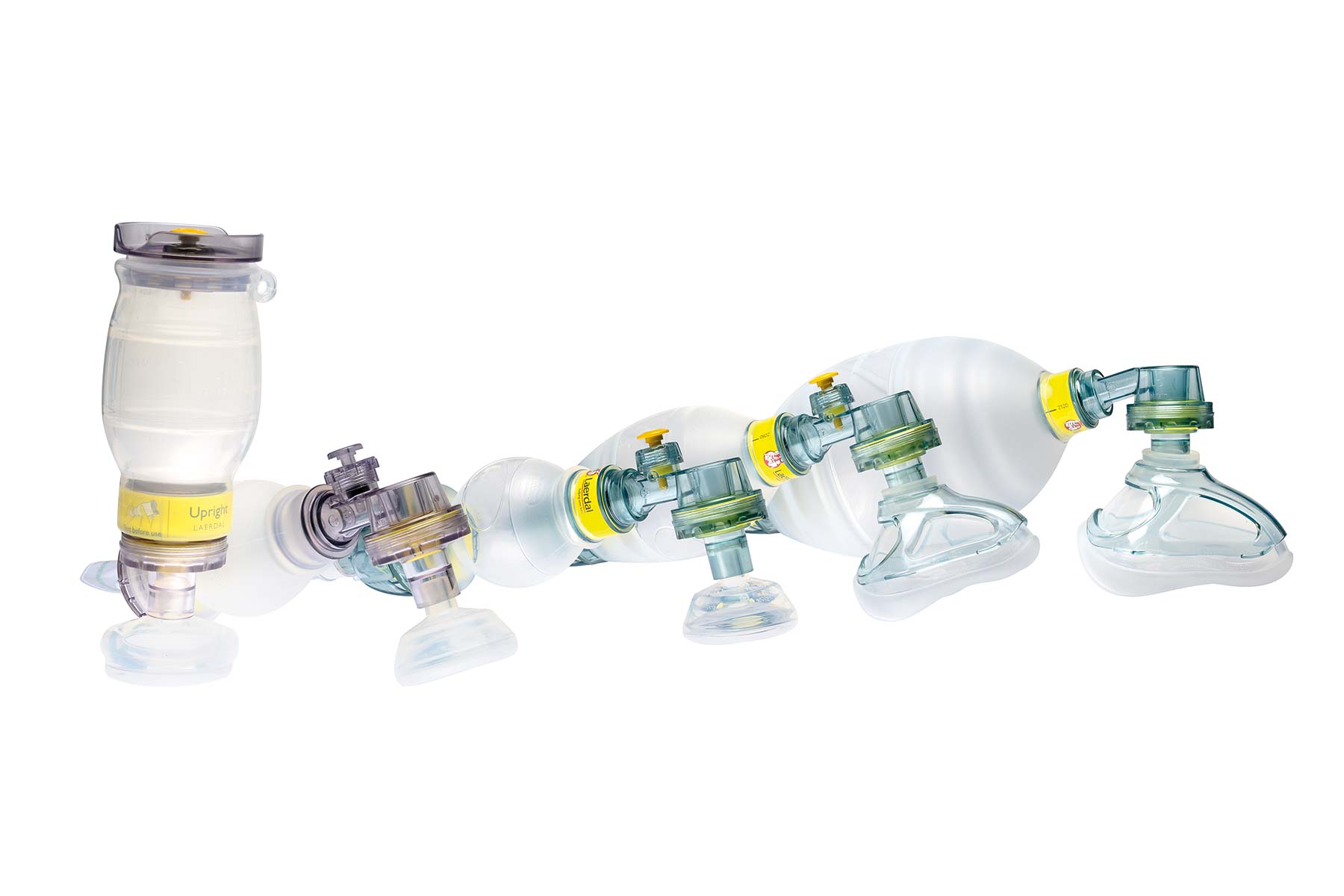
Laerdal Medical silicone resuscitators and masks gain MDR approval Laerdal Medical have announced that the Laerdal Silicone Resuscitator, Laerdal Silicone Masks, NeoNatalie Resuscitator, Upright Bag Mask, Upright Bag Mask with PEEP and Newborn Mask have achieved MDR certification.
Turn Your Sim Center into a Smart Center and Deliver Better Learning Outcomes Whether you are using SimCapture now or are considering how to use a digital system like SimCapture in the future, this article will help you better understand how the data accessible through SimCapture is performance gold.
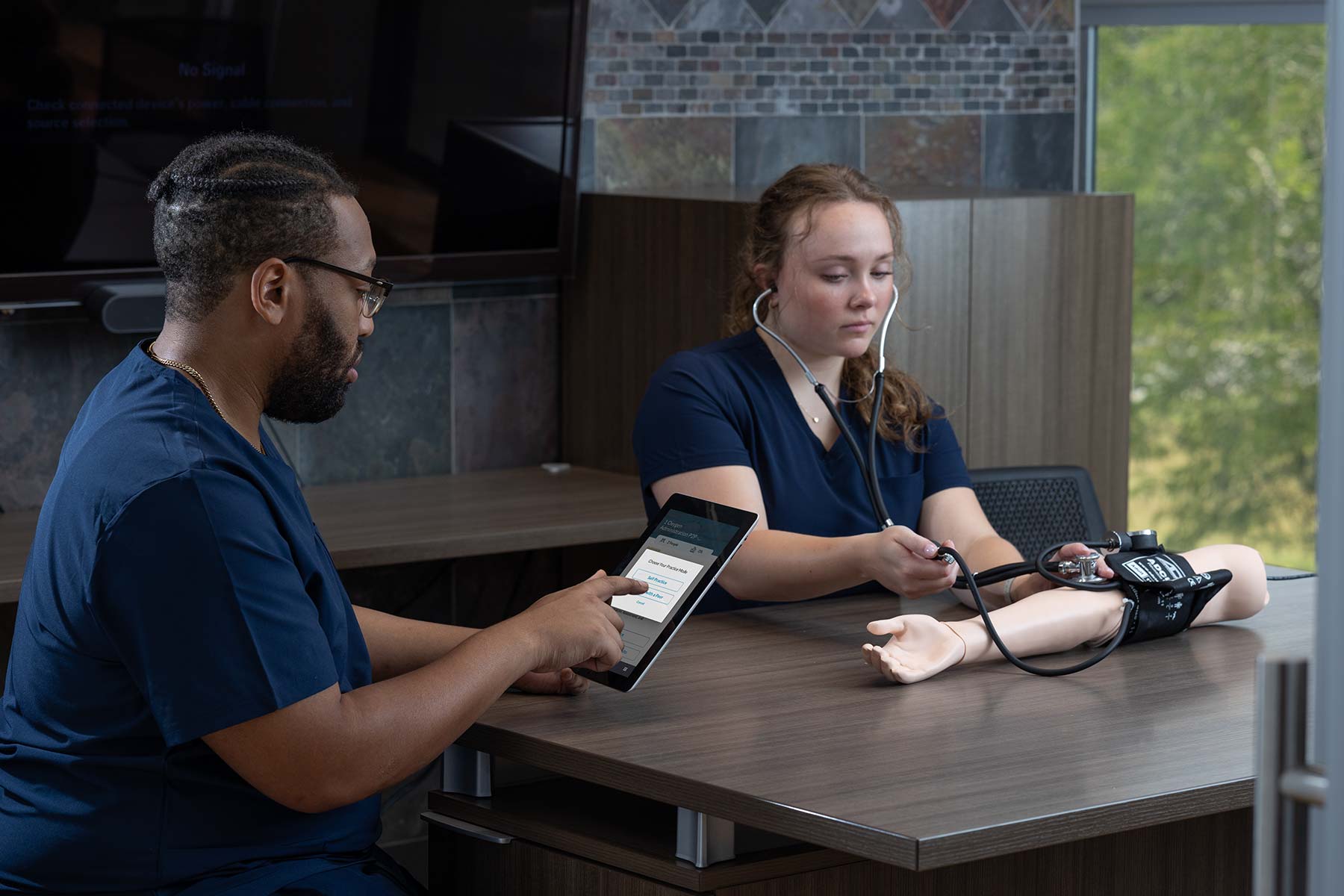
Use Peer-to-Peer and Self-Directed Learning to Instill Nursing Skills With the right digital tools, peer-to-peer and self-directed learning can make you feel enabled again and help you deliver the competency-based outcomes you are striving for. In this article, learn how peer-to-peer and self-directed learning can help.
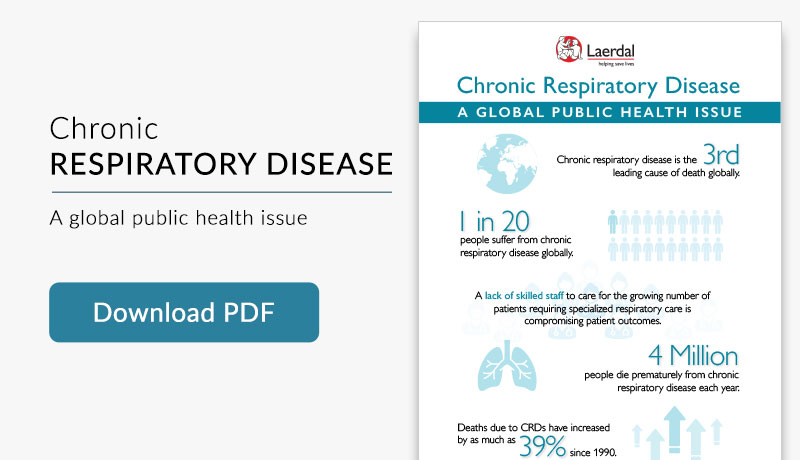
Chronic Respiratory Disease is a global public health issue The rise in chronic respiratory diseases (CRDs) underscores the urgency for enhanced preventive measures, improved treatment protocols, and heightened public awareness to mitigate the impacts of individuals and communities.