10 Consejos para una Formación Efectiva en RCP para Testigos
Incorpora estos diez consejos para ayudar a garantizar que cada estudiante salga de tu aula con confianza y preparado para actuar durante un paro cardíaco repentino.
Esta página ha sido traducida automáticamente mediante IA y puede contener errores. Para obtener información precisa, consulte la versión original en inglés o contáctenos.
1
Add context that’s most relevant to your learners.
Since 73% out-of-hospital cardiac arrests occur in the home1, ask your learners to envision performing CPR on a family member instead of a random person in the community. This added context may help them feel more prepared for the actual situation they’re most likely to encounter.2
2
Clear up confusion about cardiac arrest recognition.
One study found that nearly 50% of bystanders didn’t recognize a cardiac arrest when they witnessed one.3
Be sure to carefully review common barriers to recognition, including inability to determine bluish color of the patient, inability to recognize possible seizure activity, and difficulty distinguishing abnormal breathing from normal breathing.4
3
Emphasize that some CPR is better than no CPR.
You may hear this phrase a lot, but it’s likely news to many of your learners: studies indicate that fear of causing harm or improperly performing CPR is the most common barrier to acting in a sudden cardiac emergency.5 Reinforce to your learners that they’re much more likely to do good than harm.
4
Use gamification to make learning "stick."
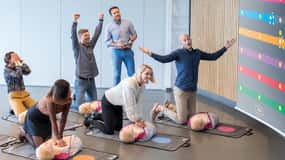
Using games as a training tool can increase engagement levels and CPR skill retention.6 Try incorporating some fun and friendly competition into your game, which has been shown to help motivate learners during CPR training.7
5
Aim for high-quality CPR
The quality of CPR delivered has a major impact on survival.8 Be sure you’re using feedback devices that reinforce the key parameters of high-quality CPR, including adequate compression depth and rate, full recoil, minimal pauses in compressions, and adequate ventilation.
6
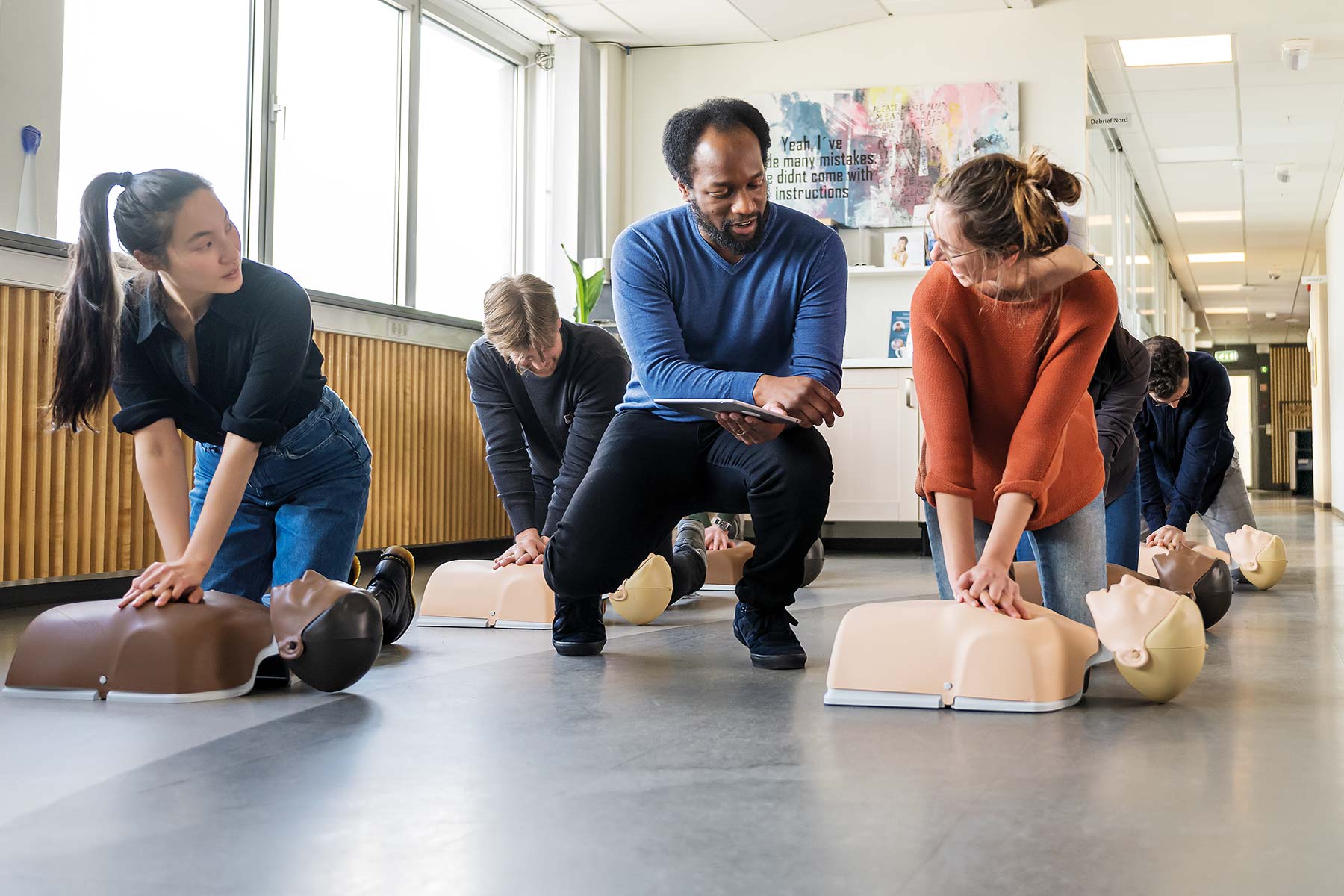
Monitor each student closely during practice.
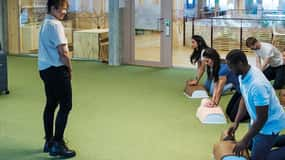
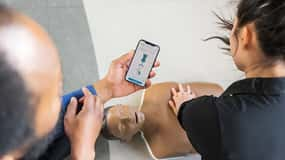
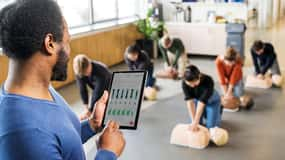
Consider using a device or app that allows you to easily keep an eye on all learners so you can quickly identify who needs help.
7
Provide as much practice time as possible.
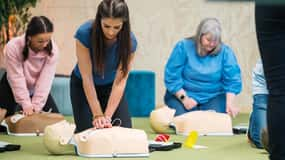
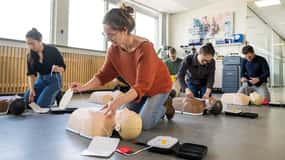
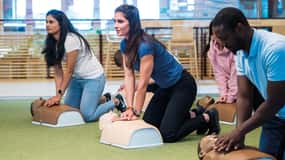
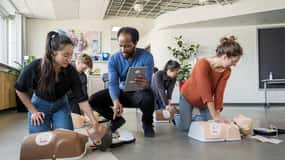
Repetitive practice is essential to building muscle memory and mastering a psychomotor skill like CPR. Allow your students to practice their skills as many times as it takes to feel confident. Using lighter, more portable manikins can make it easier to bring more of them to class to increase practice opportunities.
8
Encourage your learners often.
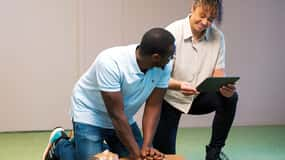
Everyone responds to some simple reinforcement! Learners who may be struggling will appreciate the additional coaching.
9
Let your learners know how they did post-session.
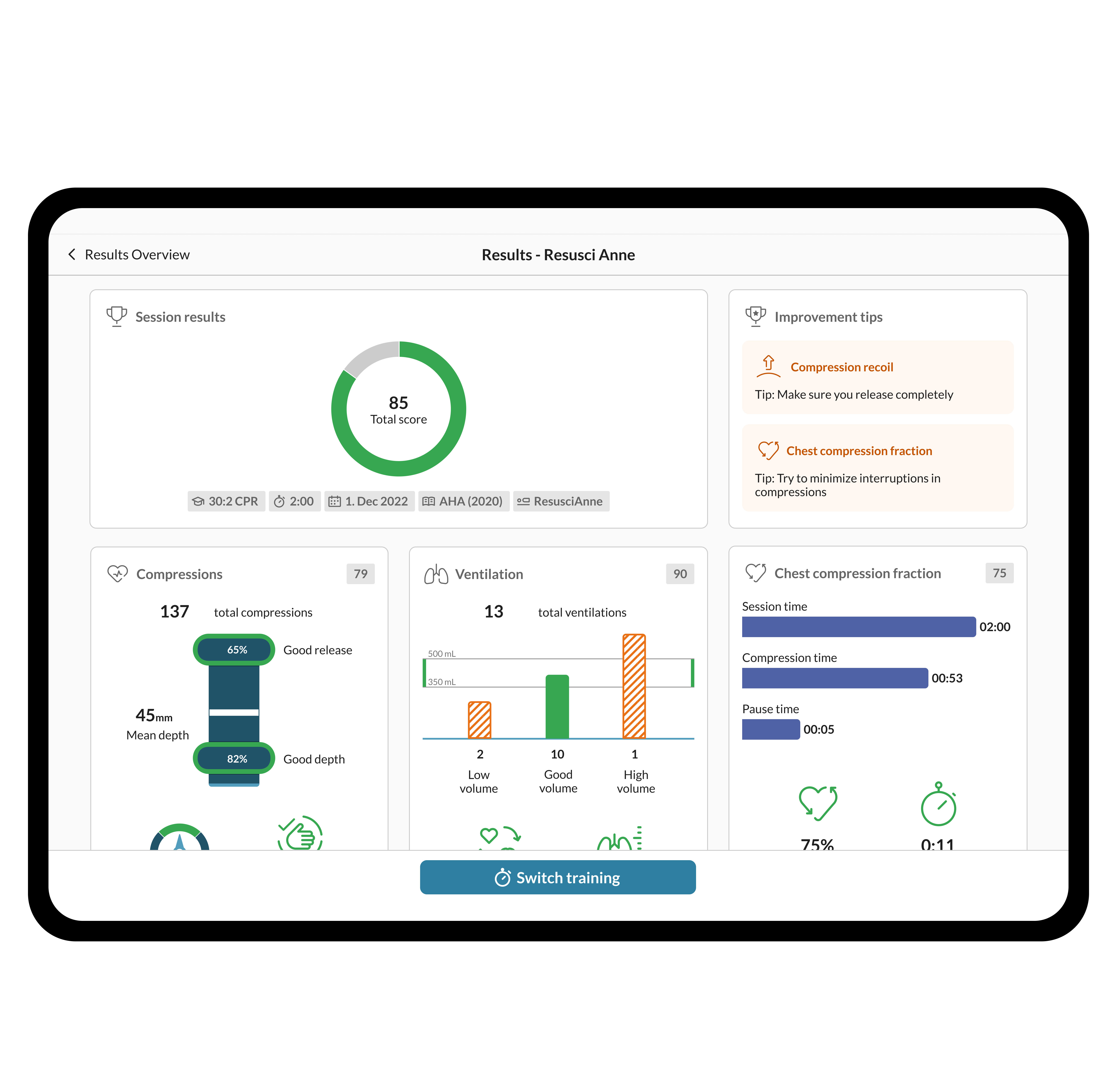
Consider using a tool like the QCPR App to provide summative feedback, including a percentage score. Review each learner’s performance with them, highlight areas of strength and weakness, and finish with a tip for how to improve.
10
Seek efficiencies in your course setup and execution.
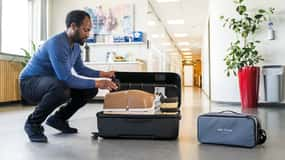
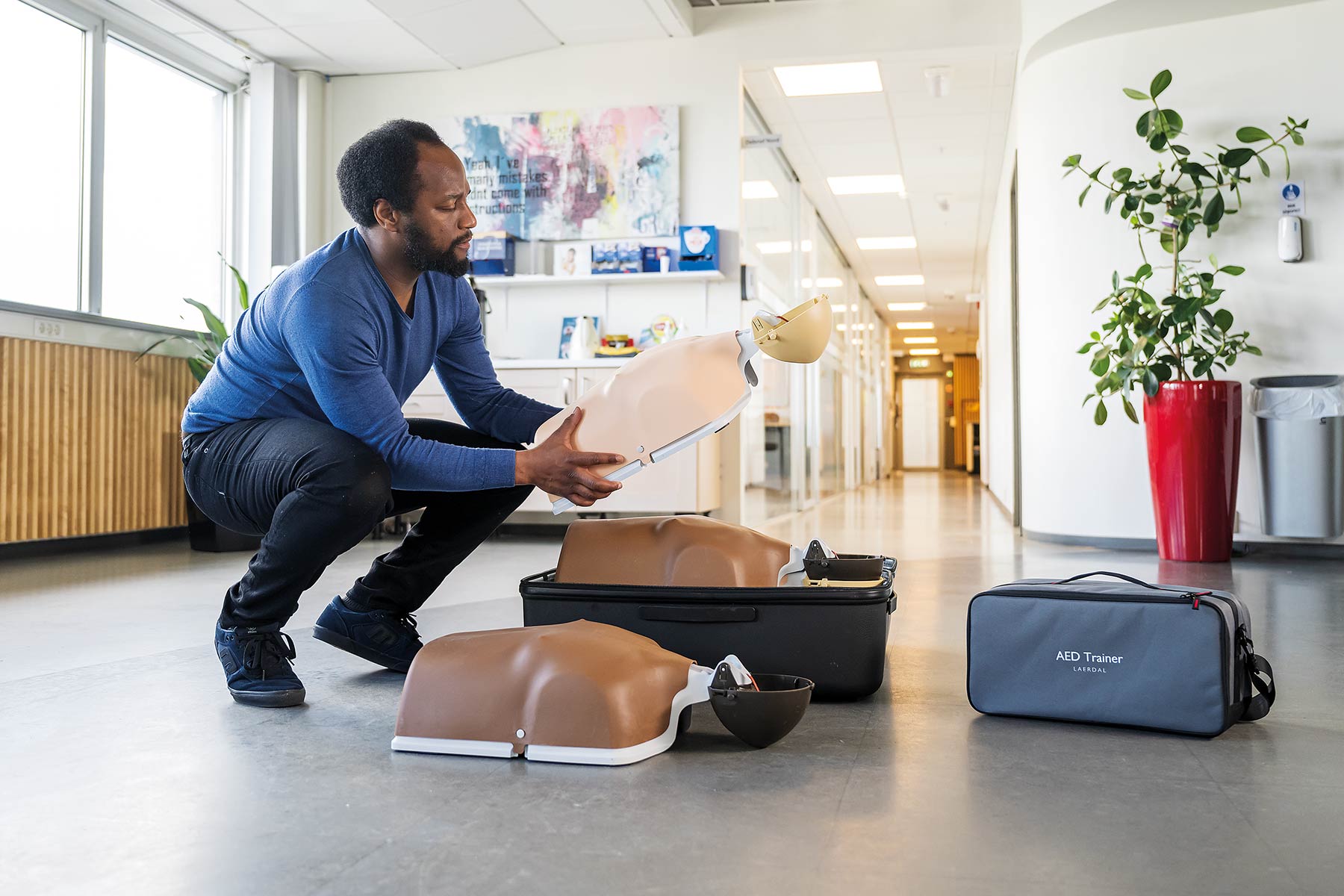
Consider utilizing manikins, AED trainers, and feedback devices that can be set up quickly and integrate seamlessly with each other to save you time and effort. This will help you to focus on what’s most important: preparing your learners to be confident, prepared future lifesavers.
Ayudándote a formar salvadores preparados en tu comunidad
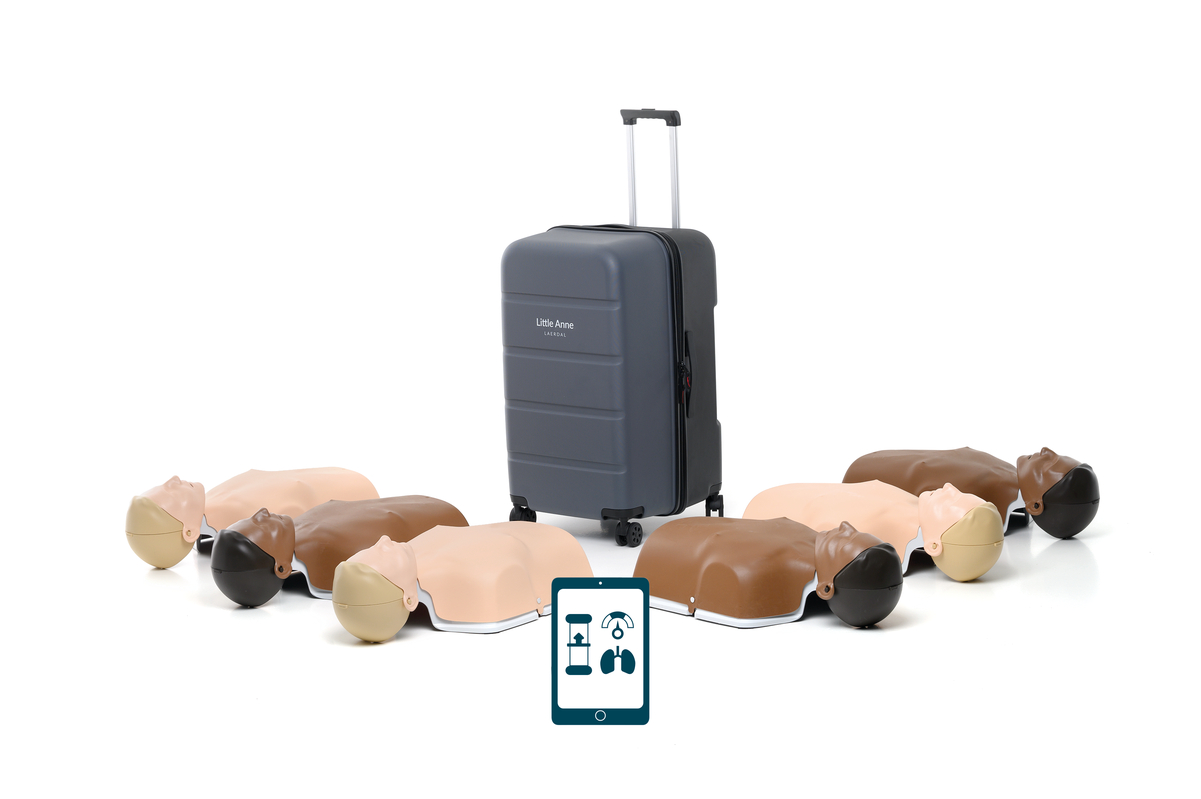
Maniquí de última generación diseñado para mejorar la eficacia y la facilidad de uso
Maniquí de última generación diseñado para mejorar la eficacia y la facilidad de uso
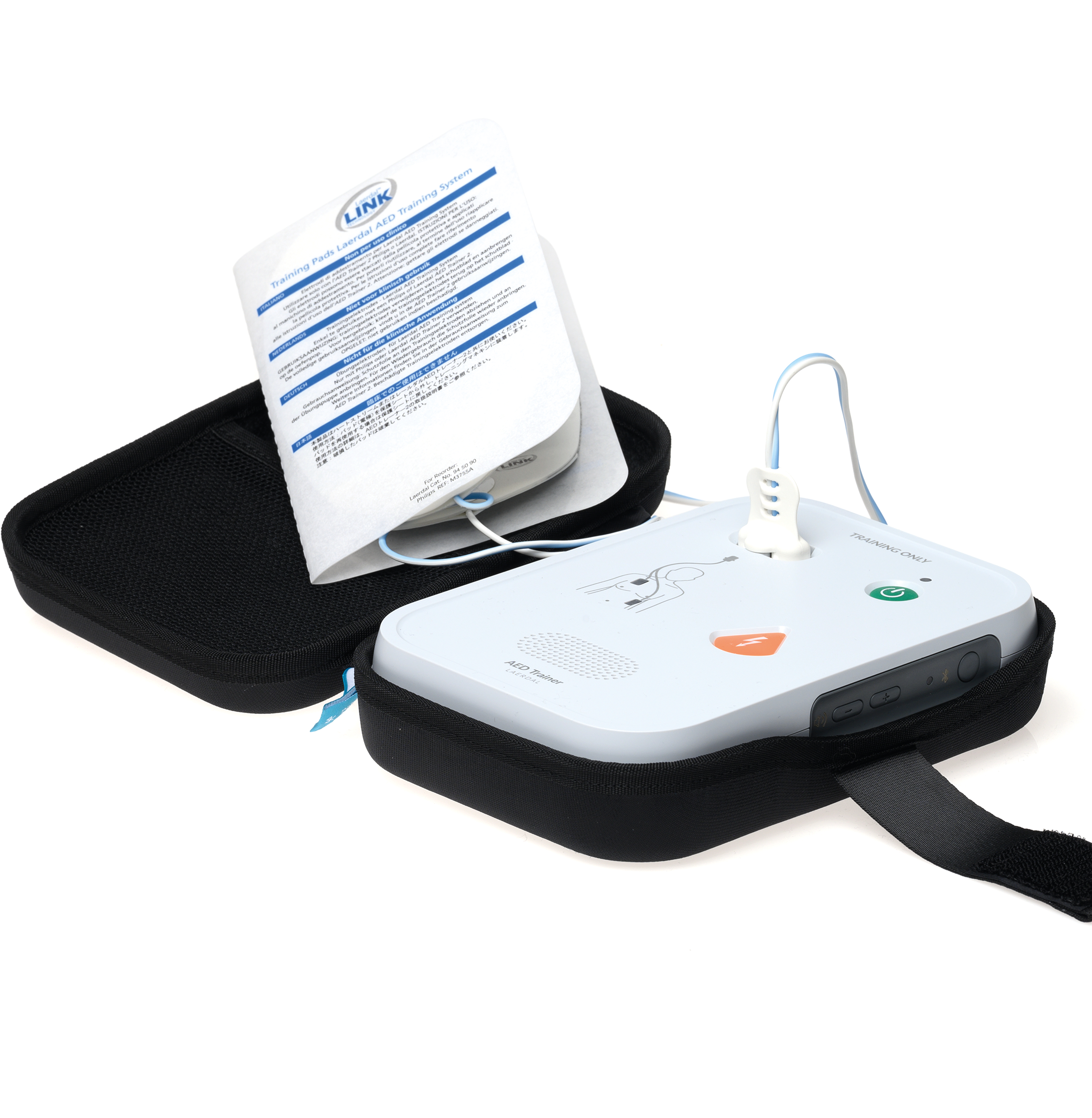
Un diseño universal que se integra con los maniquíes QCPR y puede utilizarse de forma independiente
Un diseño universal que se integra con los maniquíes QCPR y puede utilizarse de forma independiente
Una aplicación para controlar y obtener información de los maniquíes de reanimación cardiopulmonar y los entrenadores...
Una aplicación para controlar y obtener información de los maniquíes de reanimación cardiopulmonar y los entrenadores de DEA
Datos y estadísticas sobre RCP. (s.f.) Asociación Americana del Corazón. Consultado de https://cpr.heart.org/en/resources/cpr-facts-and-stats
Dainty, K. N., Colquitt, B., Bhanji, F., Hunt, E. A., Jefkins, T., Leary, M., Ornato, J. P., Swor, R. A., & Panchal, A. (2022). Entendiendo la importancia de la experiencia del respondedor no profesional en el paro cardíaco extrahospitalario: Una declaración científica de la Asociación Americana del Corazón. Circulation, 145(17). https://doi.org/10.1161/cir.0000000000001054
Ídem.
Ídem.
Ídem.
Aspectos destacados de la declaración científica sobre la educación en reanimación. (2018). Asociación Americana del Corazón. Consultado de https://cpr.heart.org/-/media/CPR-Files/Resus-Science/Ed-Statement/Education-Statement-Highlights/2018-Education-Statement-Highlights-English-UCM-501720.pdf
Smart, J., Kranz, K., Carmona, F., Lindner, T., & Newton, A. (2015). ¿La retroalimentación objetiva en tiempo real y la competencia mejoran el rendimiento y la calidad en entrenamiento de RCP con maniquíes? Un estudio observacional prospectivo de diversos servicios de emergencias médicas europeos. Scandinavian Journal of Trauma, Resuscitation and Emergency Medicine, 23(1). https://doi.org/10.1186/s13049-015-0160-9
Meaney, P. A., Bobrow, B. J., Mancini, M. E., Christenson, J., de Caen, A. R., Bhanji, F., Abella, B. S., Kleinman, M. E., Edelson, D. P., Berg, R. A., Aufderheide, T. P., Menon, V., & Leary, M. (2013). Calidad de la reanimación cardiopulmonar: mejorando los resultados de la reanimación cardíaca tanto dentro como fuera del hospital. Circulation, 128(4), 417–435. https://doi.org/10.1161/cir.0b013e31829d8654