Neem deze tien tips mee om ervoor te zorgen dat elke student je klas verlaat met vertrouwen en bereid is om te handelen tijdens een plotselinge hartstilstand.
Deze pagina is automatisch vertaald met AI en kan fouten bevatten. Raadpleeg voor nauwkeurige informatie de oorspronkelijke Engelse versie of neem contact met ons op.
1
Add context that’s most relevant to your learners.
Since 73% out-of-hospital cardiac arrests occur in the home1, ask your learners to envision performing CPR on a family member instead of a random person in the community. This added context may help them feel more prepared for the actual situation they’re most likely to encounter.2
2
Clear up confusion about cardiac arrest recognition.
One study found that nearly 50% of bystanders didn’t recognize a cardiac arrest when they witnessed one.3
Be sure to carefully review common barriers to recognition, including inability to determine bluish color of the patient, inability to recognize possible seizure activity, and difficulty distinguishing abnormal breathing from normal breathing.4
3
Emphasize that some CPR is better than no CPR.
You may hear this phrase a lot, but it’s likely news to many of your learners: studies indicate that fear of causing harm or improperly performing CPR is the most common barrier to acting in a sudden cardiac emergency.5 Reinforce to your learners that they’re much more likely to do good than harm.
4
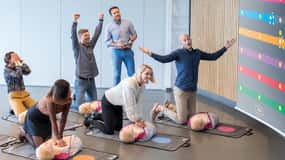
Use gamification to make learning "stick."
Using games as a training tool can increase engagement levels and CPR skill retention.6 Try incorporating some fun and friendly competition into your game, which has been shown to help motivate learners during CPR training.7
5
Aim for high-quality CPR
The quality of CPR delivered has a major impact on survival.8 Be sure you’re using feedback devices that reinforce the key parameters of high-quality CPR, including adequate compression depth and rate, full recoil, minimal pauses in compressions, and adequate ventilation.
6
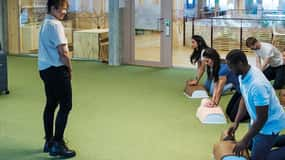
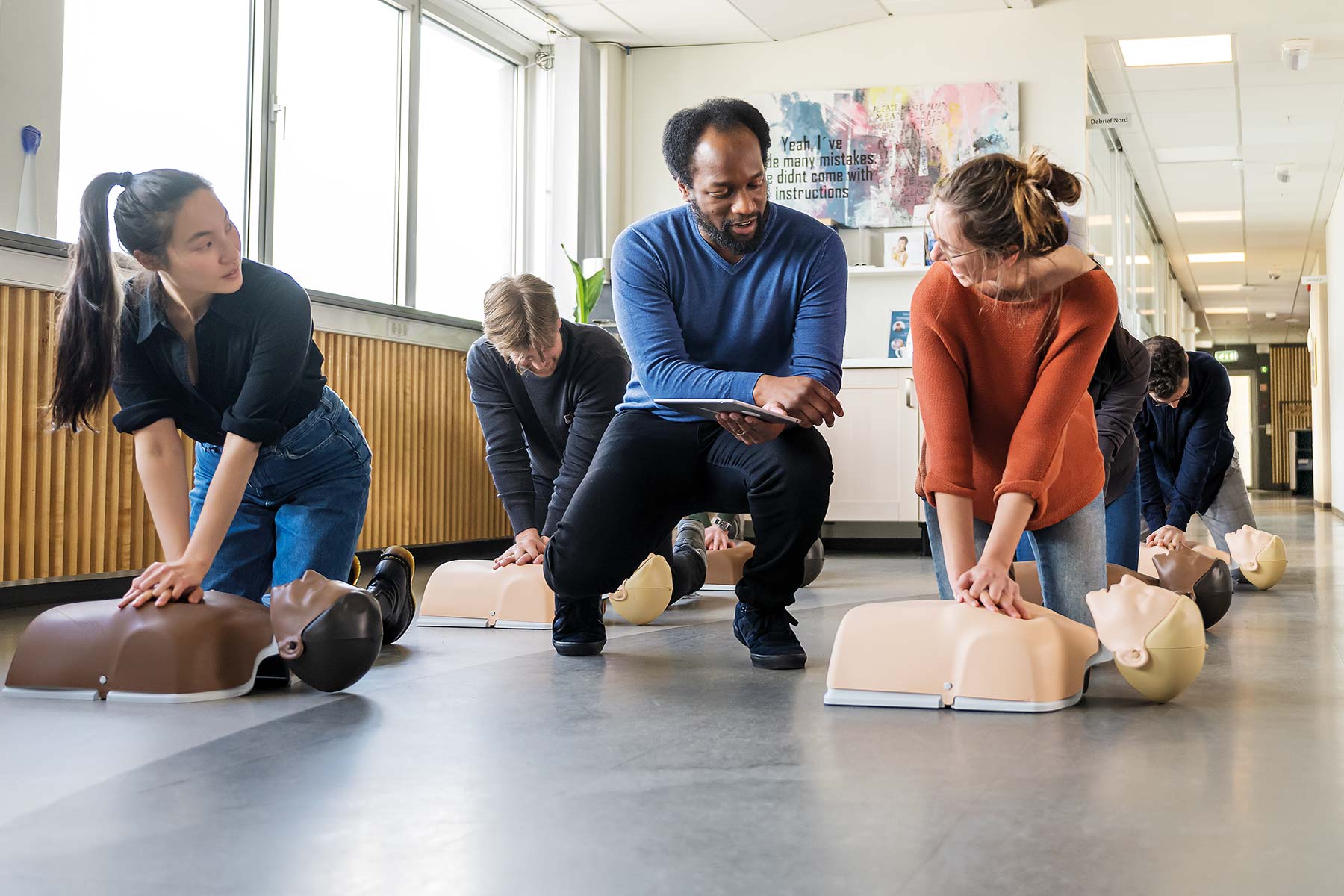
Monitor each student closely during practice.
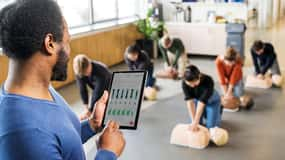
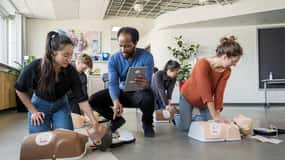
Consider using a device or app that allows you to easily keep an eye on all learners so you can quickly identify who needs help.
7
Provide as much practice time as possible.
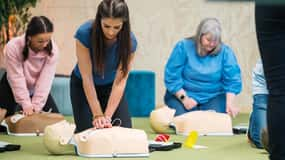
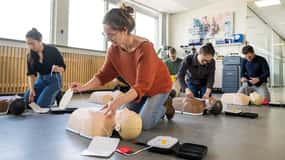
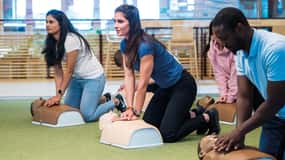
Repetitive practice is essential to building muscle memory and mastering a psychomotor skill like CPR. Allow your students to practice their skills as many times as it takes to feel confident. Using lighter, more portable manikins can make it easier to bring more of them to class to increase practice opportunities.
8
Encourage your learners often.
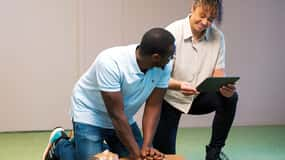
Everyone responds to some simple reinforcement! Learners who may be struggling will appreciate the additional coaching.
9
Let your learners know how they did post-session.
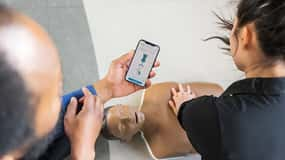
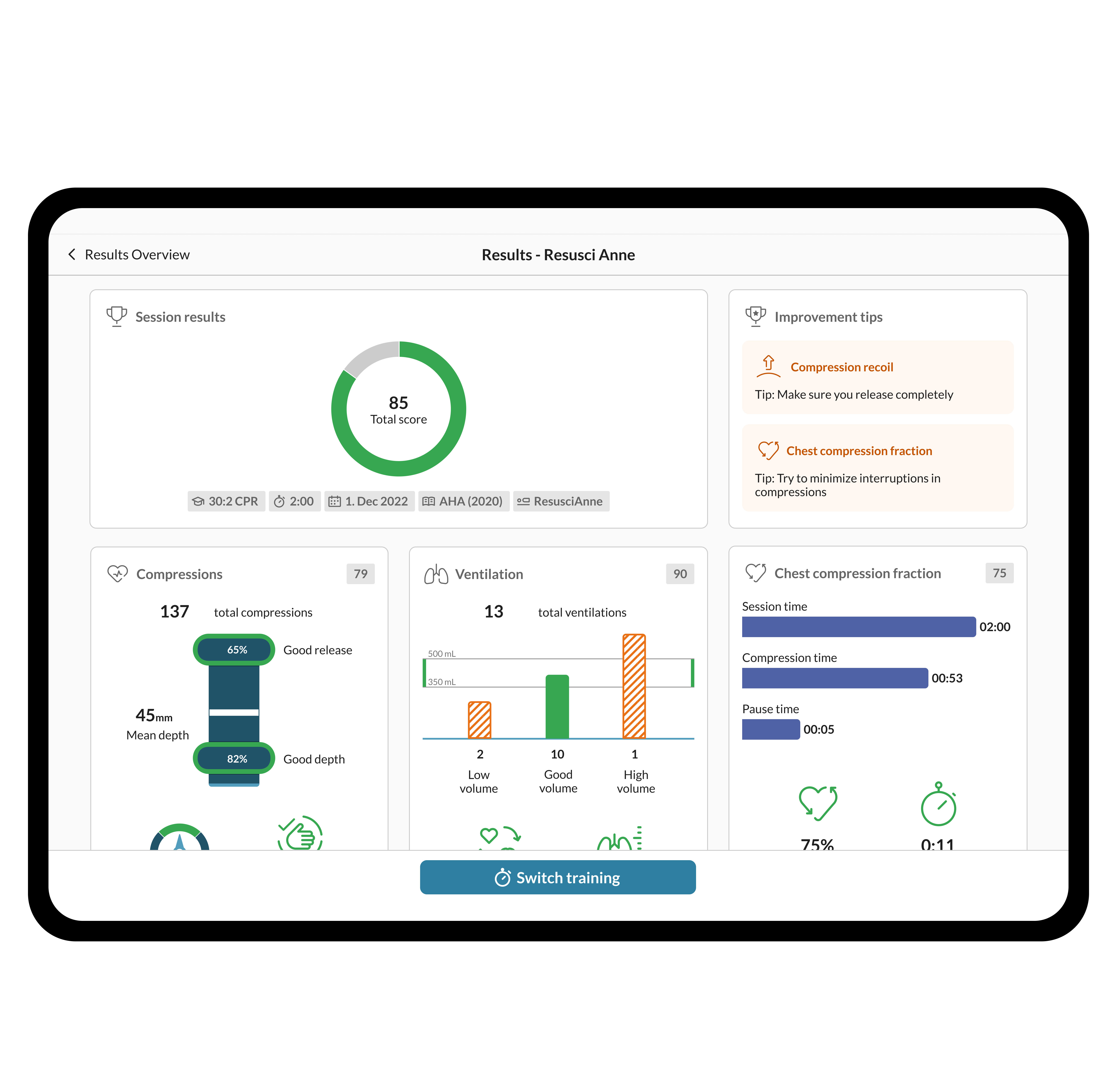
Consider using a tool like the QCPR App to provide summative feedback, including a percentage score. Review each learner’s performance with them, highlight areas of strength and weakness, and finish with a tip for how to improve.
10
Seek efficiencies in your course setup and execution.
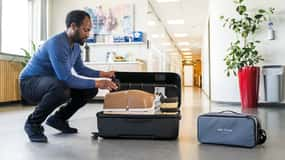
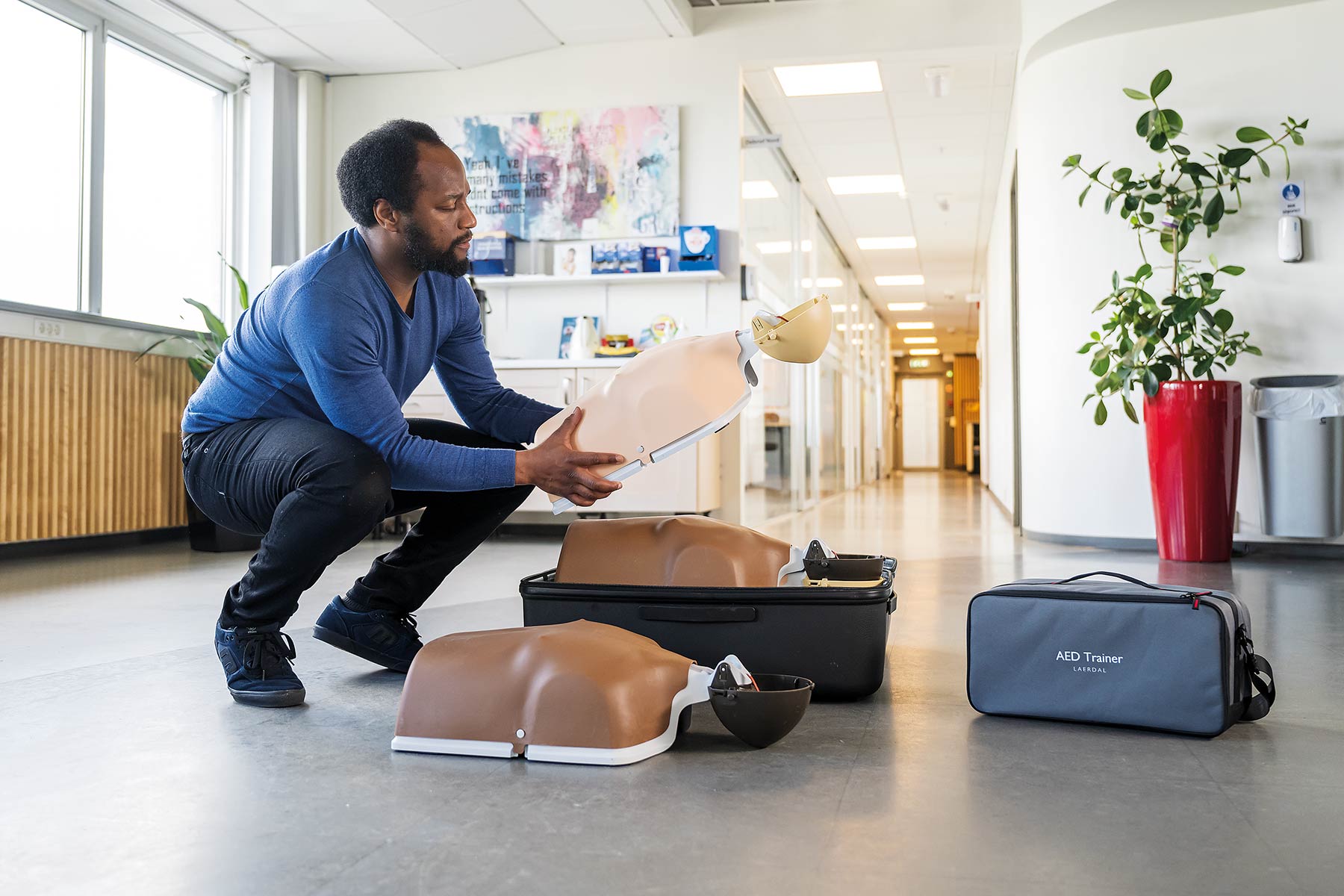
Consider utilizing manikins, AED trainers, and feedback devices that can be set up quickly and integrate seamlessly with each other to save you time and effort. This will help you to focus on what’s most important: preparing your learners to be confident, prepared future lifesavers.
Helpen om voorbereide reddingswerkers in uw gemeenschap te creëren
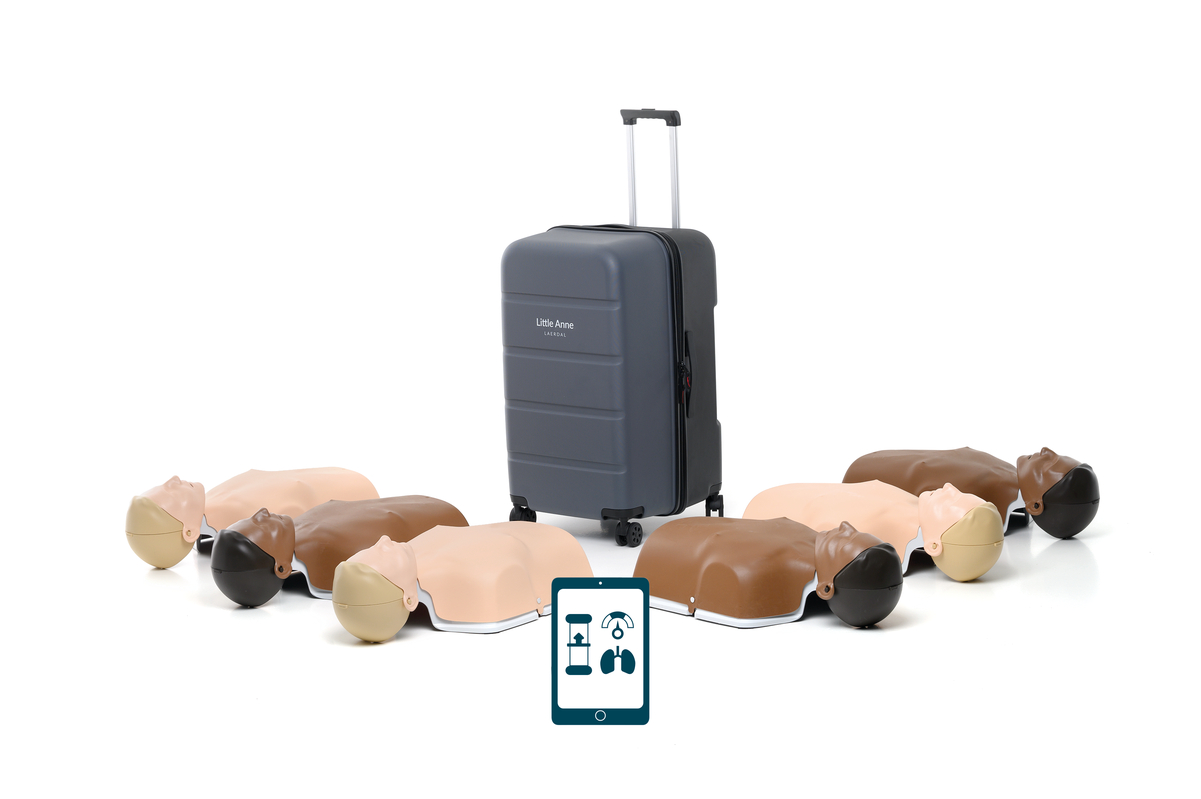
De nieuwste generatie oefenpoppen is ontworpen om de efficiëntie en het gebruiksgemak te verbeteren.
De nieuwste generatie oefenpoppen is ontworpen om de efficiëntie en het gebruiksgemak te verbeteren.
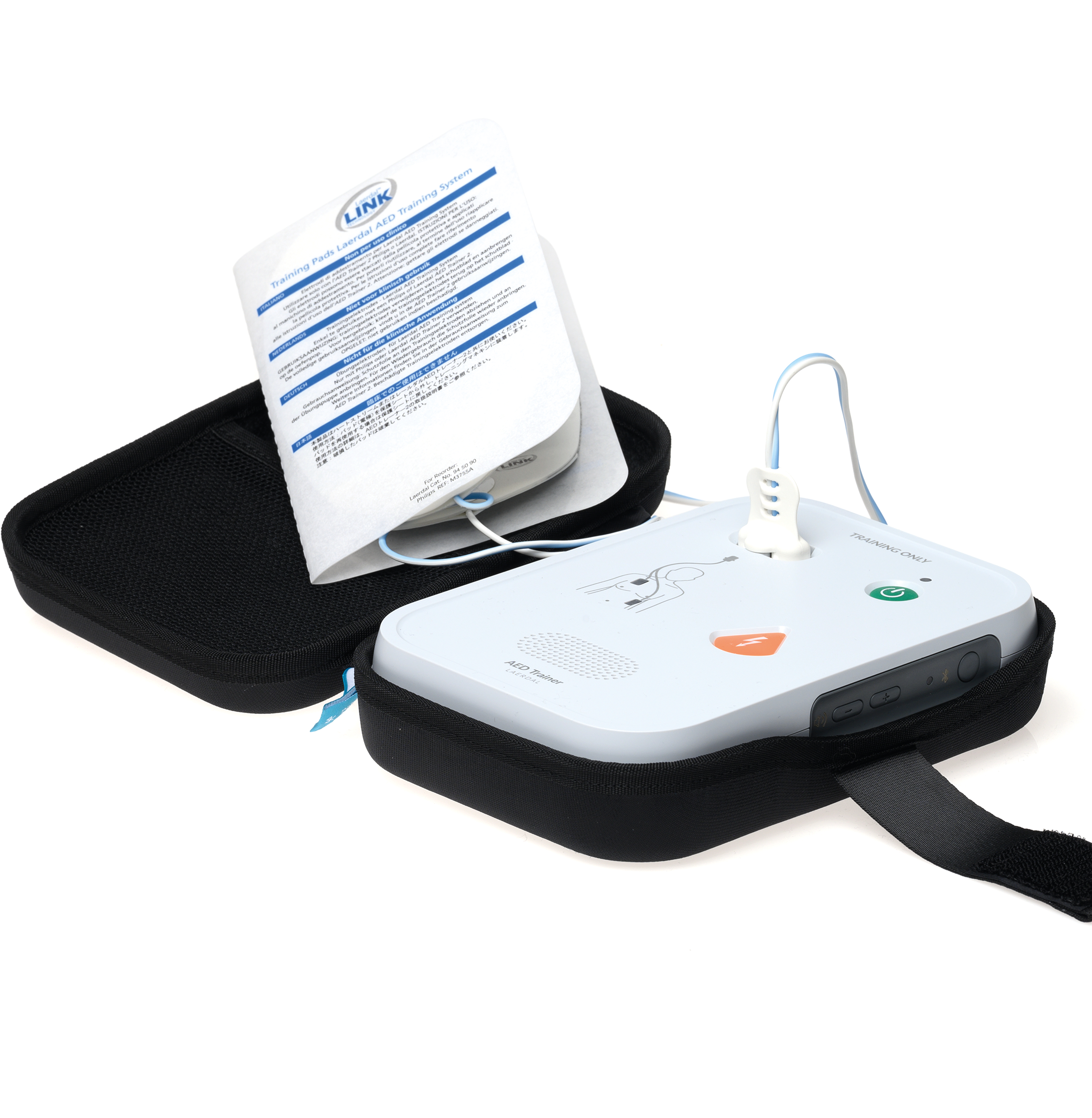
Een universeel ontwerp dat kan worden geïntegreerd met QCPR-oefenpoppen en op zichzelf kan worden gebruikt.
Een universeel ontwerp dat kan worden geïntegreerd met QCPR-oefenpoppen en op zichzelf kan worden gebruikt.
Eén app om QCPR-oefenpoppen en AED Trainers te bedienen en feedback te krijgen.
Eén app om QCPR-oefenpoppen en AED Trainers te bedienen en feedback te krijgen.
CPR Feiten & Statistieken. (z.d.) American Heart Association. Opgehaald van https://cpr.heart.org/en/resources/cpr-facts-and-stats
Dainty, K. N., Colquitt, B., Bhanji, F., Hunt, E. A., Jefkins, T., Leary, M., Ornato, J. P., Swor, R. A., & Panchal, A. (2022). Begrijpen van het belang van de ervaring van de leek-hulpverlener bij een hartstilstand buiten het ziekenhuis: Een wetenschappelijk statement van de American Heart Association. Circulation, 145(17). https://doi.org/10.1161/cir.0000000000001054
Ibid.
Ibid.
Ibid.
Hoogtepunten van het Wetenschappelijke Statement over Reanimatieonderwijs. (2018). American Heart Association. Opgehaald van https://cpr.heart.org/-/media/CPR-Files/Resus-Science/Ed-Statement/Education-Statement-Highlights/2018-Education-Statement-Highlights-English-UCM-501720.pdf
Smart, J., Kranz, K., Carmona, F., Lindner, T., & Newton, A. (2015). Verbeteren realtime objectieve feedback en competitie de prestaties en kwaliteit in reanimatietraining met een manikin – een prospectieve observationele studie in verschillende Europese EMS. Scandinavian Journal of Trauma, Resuscitation and Emergency Medicine, 23(1). https://doi.org/10.1186/s13049-015-0160-9
Meaney, P. A., Bobrow, B. J., Mancini, M. E., Christenson, J., de Caen, A. R., Bhanji, F., Abella, B. S., Kleinman, M. E., Edelson, D. P., Berg, R. A., Aufderheide, T. P., Menon, V., & Leary, M. (2013). Kwaliteit van cardiopulmonale reanimatie: Het verbeteren van de reanimatie-uitkomsten binnen en buiten het ziekenhuis. Circulation, 128(4), 417–435. https://doi.org/10.1161/cir.0b013e31829d8654