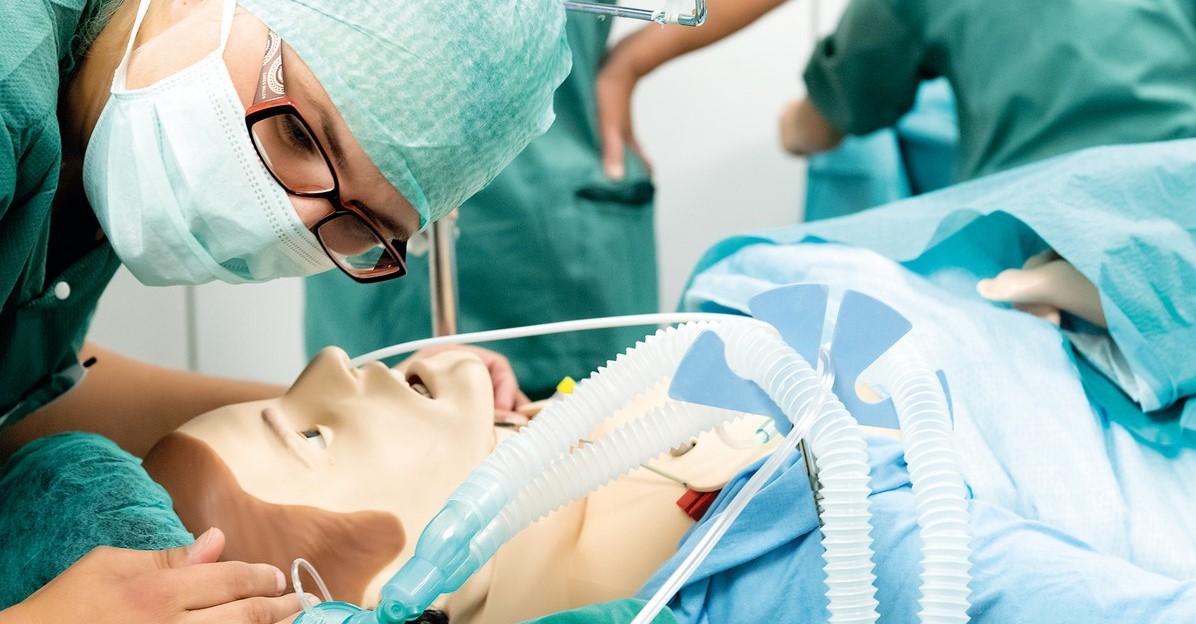
Forbedre pasientomsorgen
Simuleringsbasert utdanning har fått bred anerkjennelse innen sykepleie som et kraftig verktøy for å forsterke klinisk kunnskap, forbedre teamkommunikasjon og å lære beslutningstaking.
Les Mer

This year’s inaugural Healthcare Simulation Week, sponsored by the Society for Simulation in Healthcare, focuses on celebrating professionals who use simulation to improve the safety, effectiveness, and efficiency of healthcare delivery.
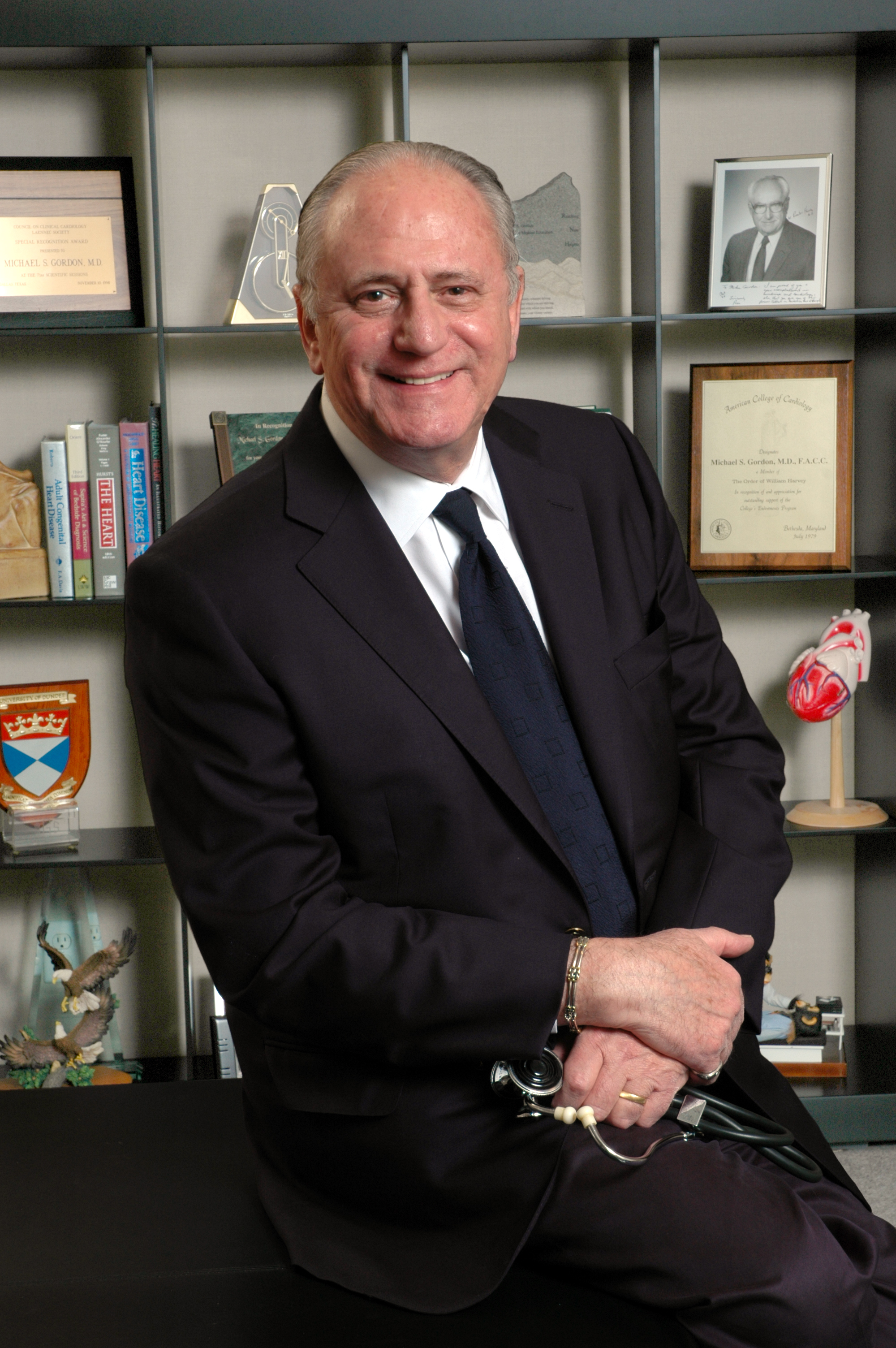
We can think of no better way to introduce this week than to remember the life and work of Michael S. Gordon, M.D., Ph.D., a remarkable mentor, leader, and friend in simulation.
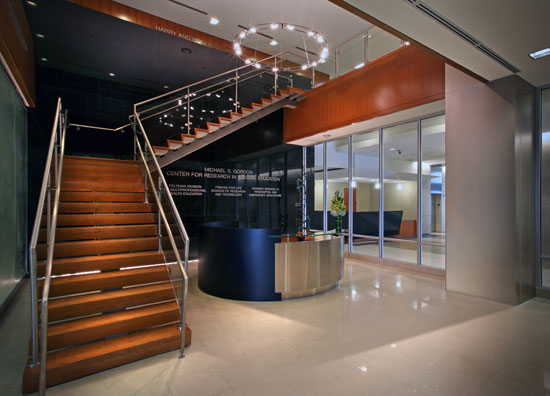
Over his long and distinguished career at the University of Miami Miller School of Medicine, Dr. Gordon, revolutionized medical education around the world. Founder and director emeritus of the Michael S. Gordon Center for Research in Medical Education, Dr. Gordon died suddenly on July 7, 2017, at age 80. He will be sorely missed. The following is a tribute.
We have lost a giant in innovative education and patient care. He was truly an innovator, developing the Harvey simulator for teaching and assessment of clinical skills in cardiology. It remains the standard for instruction in this area around the world.
Michael Gordon demonstrated over his career the ability not only to do things, but to do the things that most needed to be done. As a leader in the field of medicine, Michael inspired others to dream more, to do more, to learn more, and to become more.
Before then [Dr. Gordon’s work in the 1990’s in training first responders], paramedics were taught to ‘scoop and run,’ taking a patient to the emergency department, where doctors could initiate treatment. We changed that model, and developed a life-saving protocol for handling heart attacks and other medical emergencies on the spot.
I am proud to have known such a tremendous human being and benefactor to the Miami community. My wife Jeanette and I will forever miss him and we join our friends at the University of Miami and his family in honoring his legacy. May God bless him, his family, and those who continue his mission of saving lives and advancing medicine.
As a leadership mentor and friend Dr. Gordon was larger than life. He taught a relentless pursuit of excellence, and vision, and inspired people to push harder and accomplish more. He improved the lives of millions of patients through innovation and excellence in healthcare education. His kindness, generosity, respect and love of people, whether they were wait staff or senators, was an amazing thing to experience and aspire to.
A Passion for Exploration
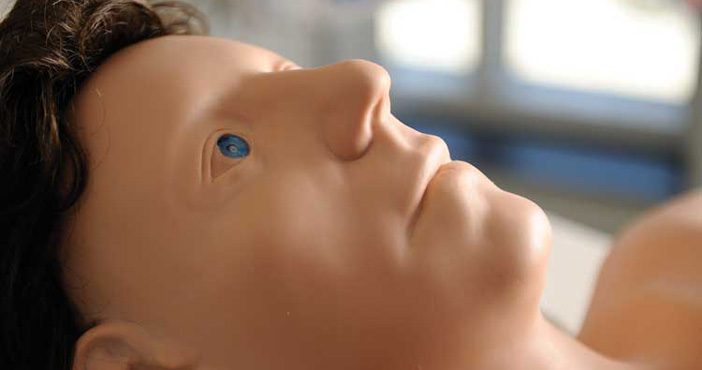
Dr. Gordon’s first cardiology patients included several airline pilots who had perfected their piloting skills on flight simulators. Recognizing that simulators could also help medical students improve their bedside cardiac examination skills, Dr. Gordon built his first version of Harvey in 1968, the world’s first cardiopulmonary patient simulator.
A Skill for Creating Order
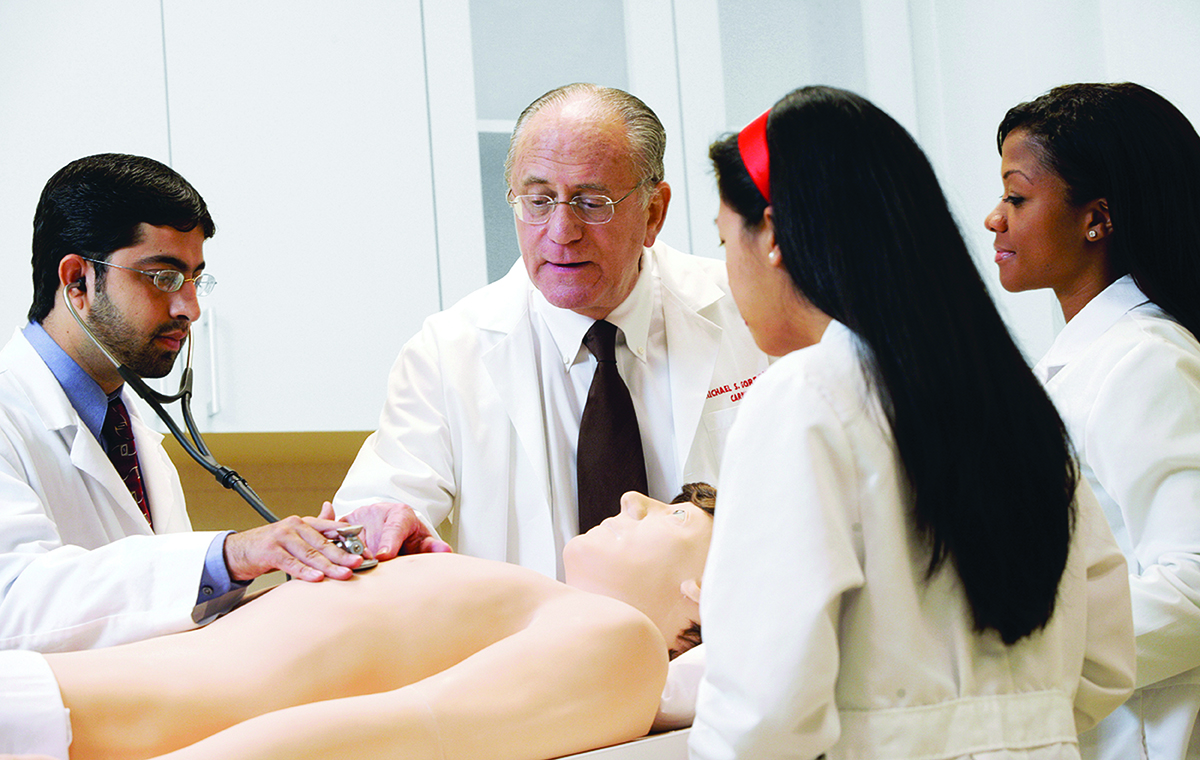
In 1978, with the advent of the Laserdisc capable of playing high-quality audio and video, Dr. Gordon and his colleagues developed a Harvey curriculum and designed a case-based program for each heart disease — complete with full-color video clips of actual catheterizations and surgeries — for students to use on their own or in small groups.
A Mission to Produce Thinkers
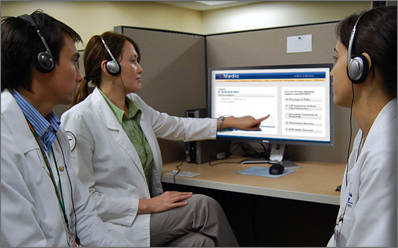
In the 1980s, Dr. Gordon took further advantage of new means to teach and went on to develop a computer-based learning system, now called UMedic. UMedic provides Web-based training for cardiology, neurology, and emergency medicine skills worldwide focused on clinical training and decision making.
A Vision for a Lasting Resource
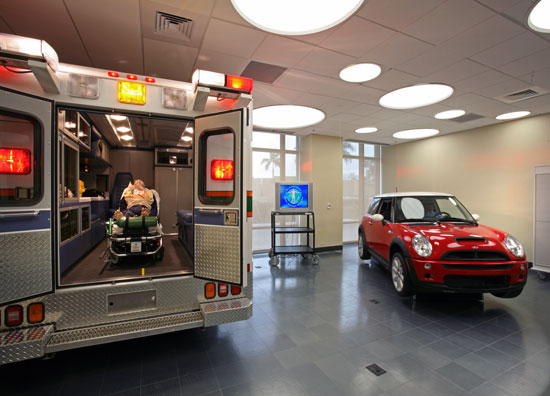
Dr. Gordon’s efforts in emergency medicine grew to become the Emergency Medical Skills Training Program at the Michael S. Gordon Center for Research in Medical Education. One of many Gordon Center programs, this one uses various forms of simulation to reach emergency professionals in 600 Florida agencies, as well as 800-plus in other states and internationally.
A Champion of Emergency Responders
The Gordon Center has also been designated as the lead training center for the Florida Department of Health’s Emergency Response to Terrorism training program, and trains both federal agency personnel and U.S. Army Forward Surgical Trauma Teams before their front-line deployments.
An Esteem for Selfless Service
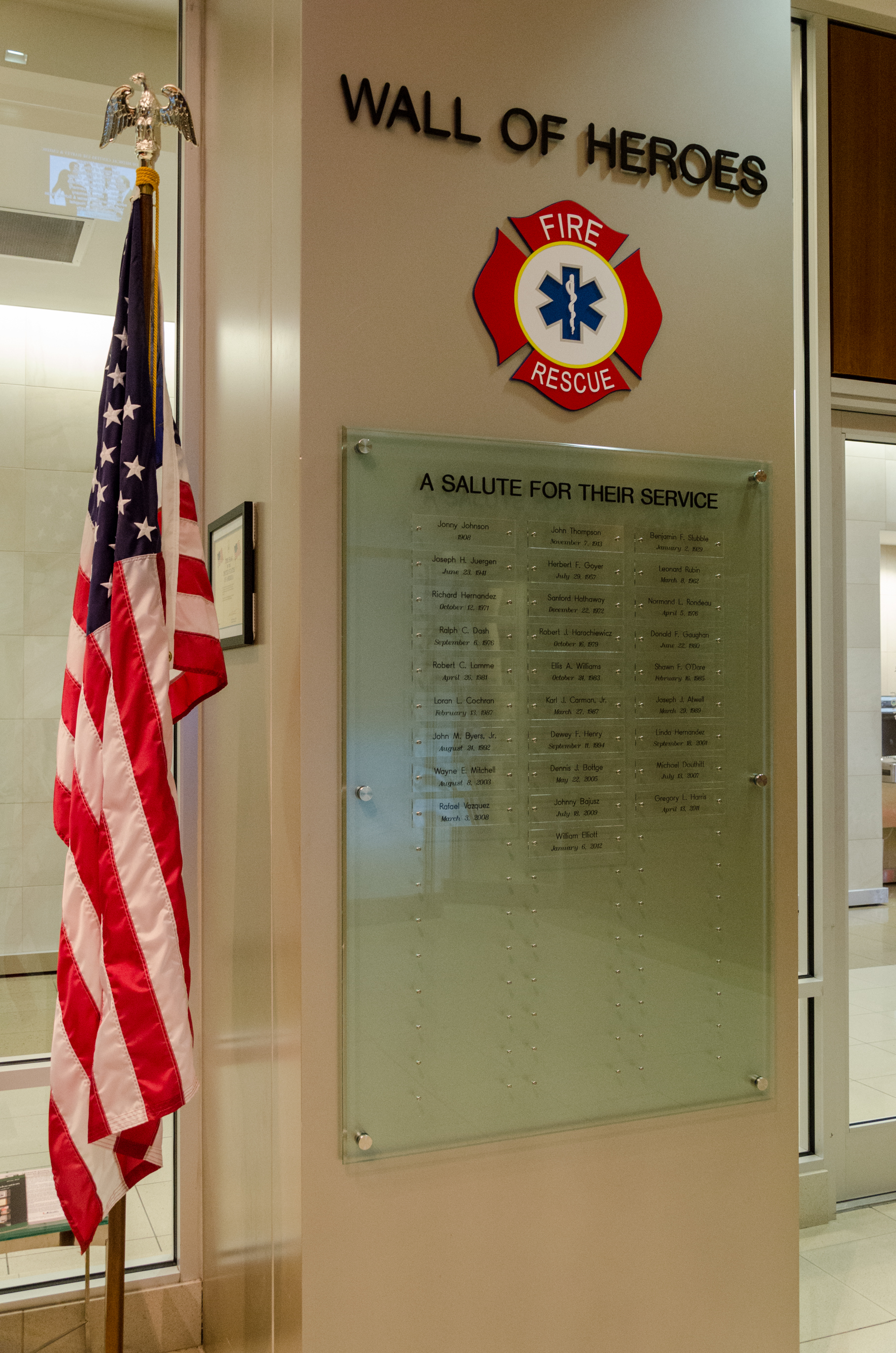
“By better training those who serve and protect our citizens and our country, we have been able to contribute to a major reduction in mortality,” said Dr. Gordon. Medical personnel trained at the Gordon Center and who lost their lives in combat are honored on the center’s Wall of Heroes.
Humble in Leadership
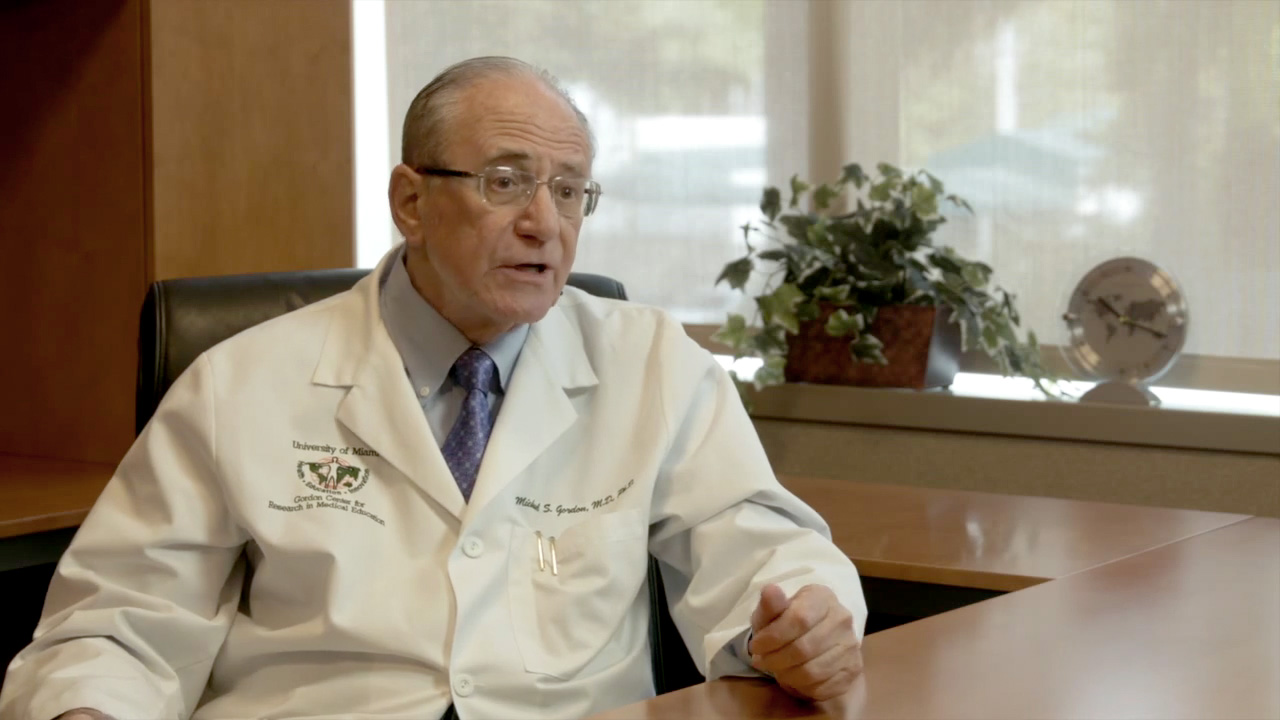
Reflecting on his career, Dr. Gordon said, “The keys to my success have been my unrelenting focus and my desire to improve the lives of my patients as a physician, researcher and educator. The Miller School of Medicine has given me every opportunity to be creative and has supported our innovations through the decades. I will always be grateful to the U.”
Recognized for Achievement
Among the many awards Dr. Gordon received over his career were the Greater Miami Chamber of Commerce’s AXA Advisors Lifetime Achievement Award, the “Gifted Teacher” Award of the American College of Cardiology, and the “pioneer” awards from both the Society for Simulation in Healthcare and his alma mater, the University of Illinois.
Making a Difference Still
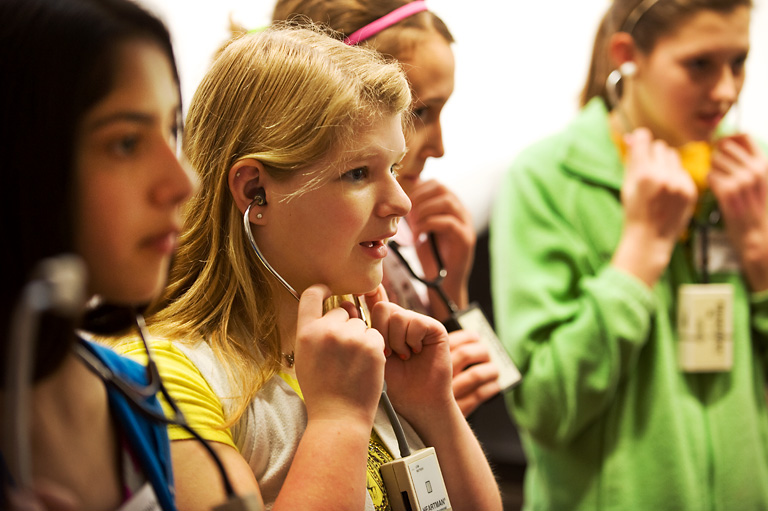
Dr. Gordon’s legacy lives on, especially through his family and his wife, Lynda, and through the lives of the people he mentored, the friends he touched, and through his innovations like Harvey which are by the day teaching students how to diagnose and save untold numbers of lives. Dr. Gordon exemplified the principles and character of the Good Samaritan. We have been privileged at Laerdal to know him.
