Wat is translationele simulatie?
En hoe verschilt het van traditionele toepassingen van simulatie?

En hoe verschilt het van traditionele toepassingen van simulatie?
Traditioneel richt simulatie zich op het verbeteren van individuele kennis en teamvaardigheden. Translationele simulatie gaat een stap verder—het gebruikt simulatie als een actief hulpmiddel om problemen te diagnosticeren, systemen te verbeteren en veiliger, effectievere zorg te ontwerpen.
- Dr. Victoria Brazil
Directeur, Bond Translational Simulation Collaborative; Professor in Spoedeisende Geneeskunde en Directeur van Simulatie, Bond University

Simulatie in de gezondheidszorg wordt al lang gezien als een krachtig hulpmiddel voor onderwijs. Van het trainen van studenten in basis klinische procedures tot het voorbereiden van teams op zeldzame noodgevallen, simulatie heeft bijgedragen aan het opbouwen van competentie, vertrouwen en spiergeheugen.
Maar de grootste uitdagingen in de gezondheidszorg vandaag de dag zijn niet altijd te wijten aan individuele kennislacunes—ze komen voort uit complexiteit op systeemniveau, communicatiestoringen en inefficiënties in werkprocessen.
Daar komt translationele simulatie in beeld.
Gemunt door Dr. Victoria Brazil en overgenomen door experts zoals Dr. Andrew Petrosoniak, Christopher Peter Nickson en anderen, verwijst translationele simulatie naar het gebruik van simulatie niet alleen om betere zorgpraktijken te onderwijzen, maar ook om zorgsystemen te verbeteren. Het fungeert als een brug tussen praktijk op de werkvloer en systeemontwerp, zodat teams ideeën kunnen testen, risico's blootleggen en veiligere manieren van werken kunnen implementeren.
Dr. Victoria Brazil wijst erop dat simulatie breed wordt toegepast voor gezondheidszorgeducatie en -training, en stelt dat simulatie een stap verder kan worden genomen door direct verbonden te zijn met de prioriteiten van de gezondheidszorg en patiëntuitkomsten, via interventionele en diagnostische functies, ongeacht de locatie van de simulatieactiviteit.2
Je kunt het op deze manier zien: translationele simulatie “vertaalt” de inspanningen van simulatie naar betere “zorgstructuur”, oftewel betere systeemresultaten:
Translationele simulatie stelt zorgteams in staat om:
Met andere woorden, translationele simulatie stelt niet alleen de vraag: "Weten onze clinici wat ze moeten doen?" maar ook: "Helpt het systeem hen om het te doen?" Wanneer mensen aan simulatie denken, denken ze vaak aan educatie en training (wat te doen), en vergeten ze het verbeteren van de omgeving waarin ze dit doen (het systeem zelf).
- Dr. Andrew Petrosoniak MSc (Med Ed), FRCPC,
SEH-arts en Trauma Team Leider in het St. Michael’s Hospital in Toronto, Canada

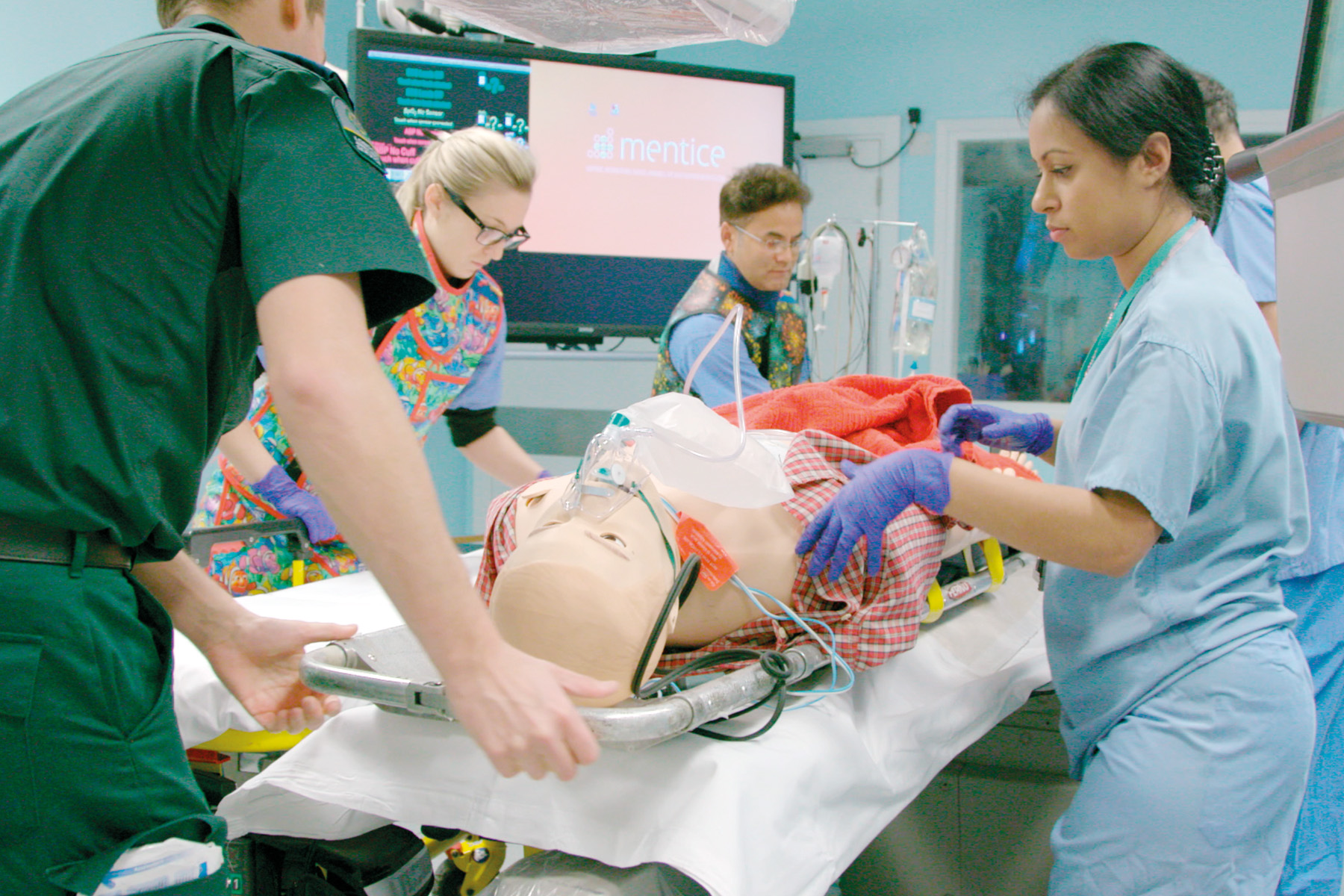
In het St. Michael’s Hospital leidde Dr. Petrosoniak een translationele simulatie-inspanning om de indeling van een nieuwe traumakamer te testen voordat de bouw werd afgerond.
Simulaties onthulden apparatuurplaatsingen die communicatie belemmerden, slechte zichtbaarheid van monitors en bewegingsbarrières voor personeel. Op basis van die inzichten heeft het team belangrijke functies herontworpen—vóórdat de ruimte werd geopend voor patiënten.
Het resultaat? Een veiligere, functionelere traumaomgeving gebaseerd op praktijkervaring—niet op aannames.
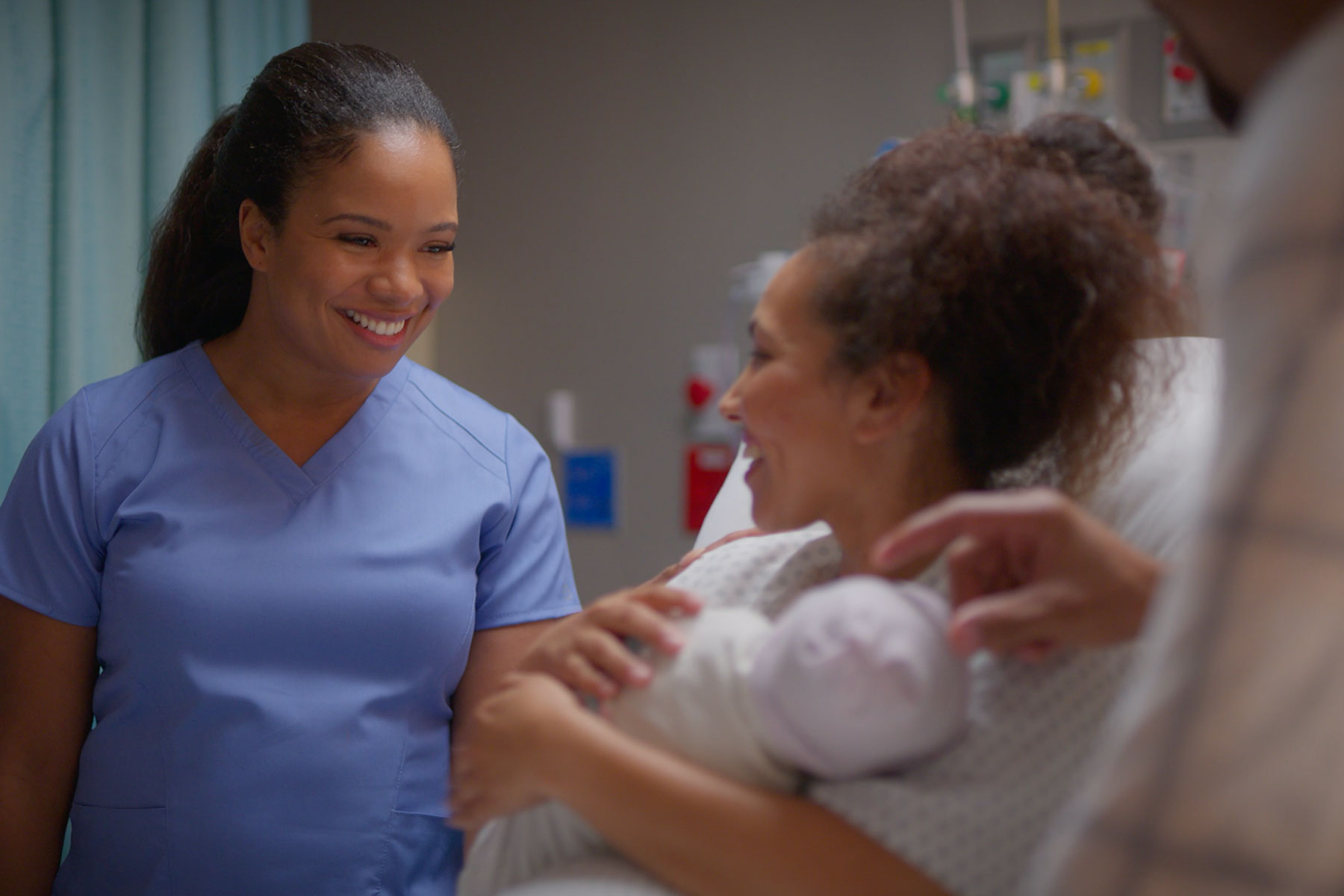
In Nebraska onthulde een simulatietrainingsprogramma in 12 plattelandsziekenhuizen hiaten in de respons op obstetrische hemorragie—met name rondom de beschikbaarheid van bloed, de locatie van medicatie en teamcoördinatie.
Door middel van in situ simulatie identificeerden medewerkers tekortkomingen, herontwierpen zij hun noodresponsprotocollen, en oefenden ze herhaaldelijk.
— OB/GYN-arts, Bryan Health
Dit is praktische simulatie in actie: het diagnosticeren van de kloof, het samen ontwerpen van de oplossing, deze verankeren door middel van oefenen, en valideren in de echte wereld.
Volgens QI-experts en algemeen aanvaarde best practices volgen translationele simulatie-inspanningen doorgaans twee routes:
Een simulatie ontworpen om te functioneren als een "systeemdiagnosetest", die deelnemers en anderen helpt te begrijpen hoe dingen momenteel werken en waar risico's of problemen liggen.
Een simulatie ontworpen om oplossingen en verbeteringen te testen en te oefenen en ervoor te zorgen dat eventuele veranderingen bijdragen aan betere patiëntenzorg en systeemprestaties.
Volgens Dr. Victoria Brazil beschrijft de term translationele simulatie een zorgsimulatie die zich direct richt op het verbeteren van patiëntenzorg en zorgsystemen, door het diagnosticeren van veiligheids- en prestatieproblemen en het leveren van simulatie-gebaseerde interventies, ongeacht de locatie, modaliteit of inhoud van de simulatie. Het biedt een functionele afstemming met kwaliteitsverbeteringsactiviteiten in zorginstellingen, terwijl het ook die onderwijsinterventies omvat [die gericht zijn op] gedragspraktijken of patiëntresultaten. 6
Translationele simulatie vervangt traditionele educatie niet—maar brengt simulatie dichter bij het echte werk en richt zich volledig op het verbeteren van systeemprestaties en resultaten.
Als je al bezig bent met een simulatieprogramma, zijn hier de stappen om het te ontwikkelen richting translationele impact:
Betrek Belanghebbenden Buiten Onderwijs
Betrek kwaliteitsmedewerkers, eerstelijnspersoneel, faciliteiten en patiëntveiligheidsfunctionarissen. Het doel is om de zorg te beïnvloeden, niet alleen bekwaamheid.
Start in de Werkelijke Omgeving
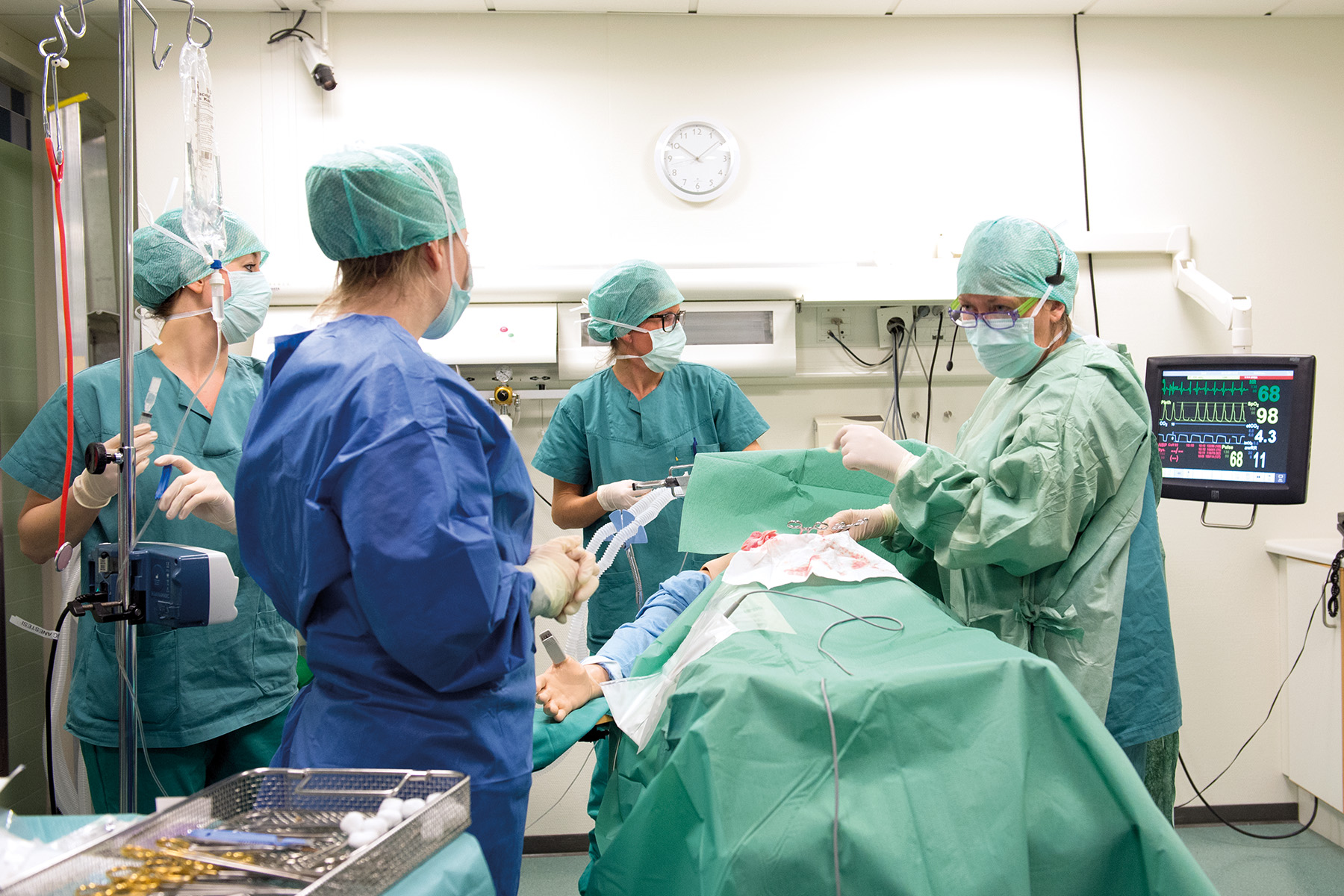
Voer in-situ simulaties uit in de afdelingen, kamers of workflows die je wilt verbeteren. Observeer alles: teamdynamiek, apparatuur, vertragingen.
Maak Systematische Debriefing Standaard
Vraag niet alleen: "Wat deed het team goed?" maar ook: "Wat ging mis in het proces? Wat hielp of hinderde?"
Volg Resultaten
Ga verder dan het vertrouwen van de deelnemers. Zoek naar veranderingen in reactietijd, rapportages van bijna-incidenten, opgelost latente dreigingen of patiëntuitkomsten.
Deel de Successen
Publiceer je bevindingen. Zelfs kleine verbeteringen—zoals betere IV-toegangssets of gestroomlijnde NICU-overdrachten—kunnen grote veranderingen binnen systemen inspireren.
Traditionele simulatie traint mensen. Translationele simulatie transformeert systemen. Beide zijn waardevol—maar translationele simulatie zal je een geheel nieuw niveau van vooruitgang brengen.
Als je klaar bent om het gebied van systeemverbetering te betreden en een nieuw pad in te slaan richting veiliger zorg, is het tijd om voor translationeel te gaan.