¿Cómo puedes usar la simulación para identificar y solucionar problemas a nivel de sistema?
La simulación es más conocida por ayudar a las personas a desarrollar habilidades. Pero cuando se aplica estratégicamente, se convierte en una herramienta poderosa para identificar fallos en los sistemas, co-diseñar soluciones e incorporar una atención más segura y confiable en todo el sistema sanitario. En términos literales, traduce los esfuerzos de simulación en resultados que van más allá del individuo e impactan el desempeño general de una organización.
Dra. Victoria Brazil
Directora, Bond Translational Simulation Collaborative; Profesora de Medicina de Emergencias y Directora de Simulación, Bond University

La asistencia sanitaria lleva mucho tiempo utilizando la simulación para formar a los profesionales clínicos. Esto es especialmente cierto en situaciones de alto riesgo o baja frecuencia, como las que los proveedores enfrentan en Obstetricia, el Departamento de Urgencias, Cuidados Neonatales y Cuidados Intensivos. La simulación es una herramienta eficaz para desarrollar destrezas como la memoria muscular, la confianza y el pensamiento crítico.
Sin embargo, cada vez más hospitales están descubriendo que los fallos en el rendimiento a menudo no se deben a la falta de habilidades o conocimientos. Se deben a fallos a nivel del sistema:
Estos problemas no pueden resolverse entrenando más duro. Requieren un método que permita ver el sistema en acción—y la simulación lo proporciona exactamente.
- Dr. Andrew Petrosoniak MSc (Med Ed), FRCPC,
Médico de urgencias y líder del equipo de trauma en el Hospital St. Michael’s en Toronto, Canadá

En resumen, la simulación puede ser utilizada no solo para entrenar dentro del sistema, sino para corregir el sistema en sí.
Este enfoque, a menudo denominado simulación traslacional, se centra en usar la simulación para:
A diferencia del entrenamiento tradicional, estos esfuerzos se centran en aprender sobre el sistema, no solo sobre el individuo.
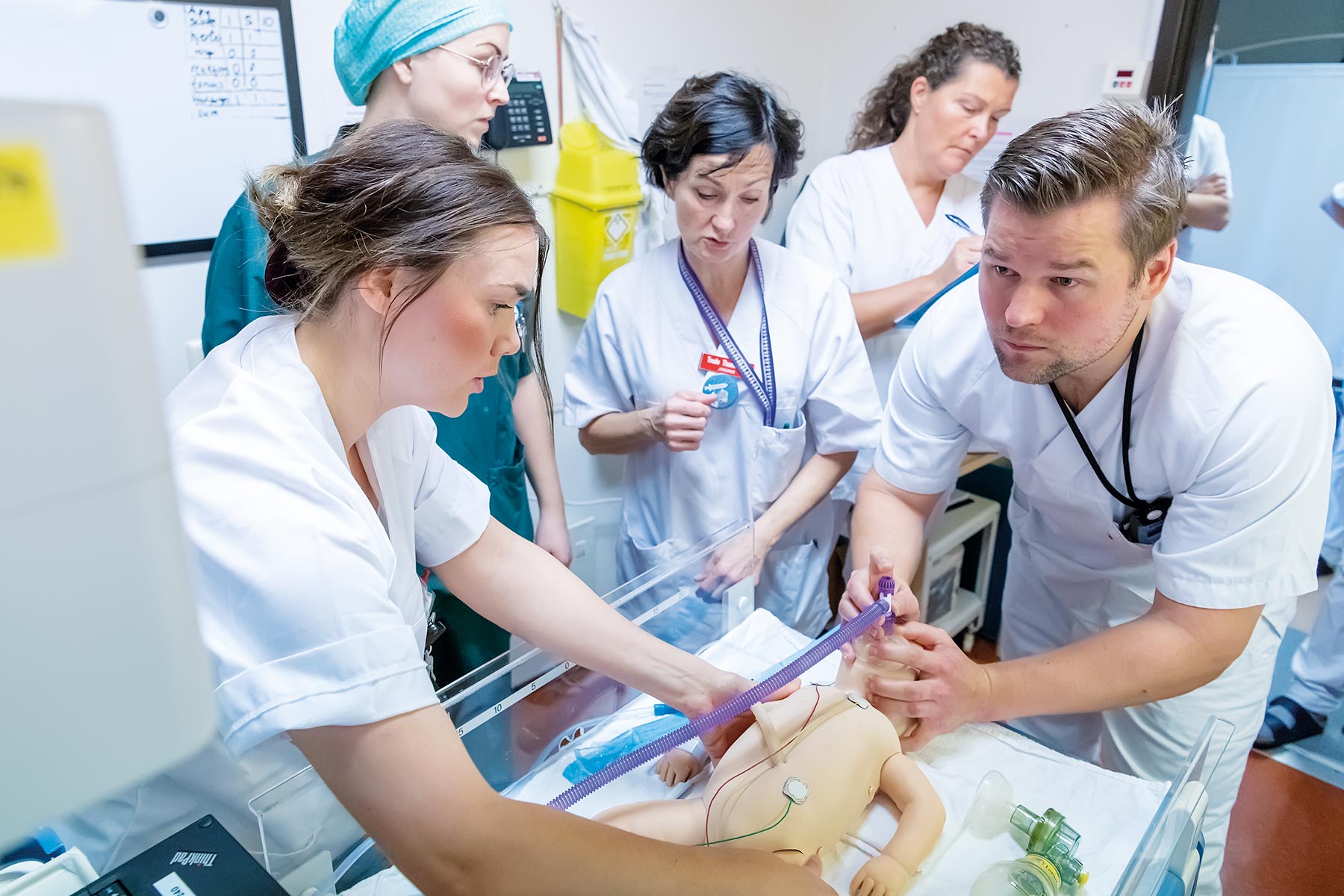
Un servicio de urgencias pediátricas en un gran hospital de EE. UU. llevó a cabo simulaciones in situ para evaluar la preparación ante emergencias. Sus simulaciones revelaron amenazas a la seguridad en:
Estos no eran problemas de conocimiento o habilidades, sino de diseño de procesos y del sistema. Como resultado, el equipo actualizó el diseño del espacio, los protocolos de comunicación y el acceso a recursos—contribuyendo a más de 1.000 días consecutivos sin eventos de seguridad.3
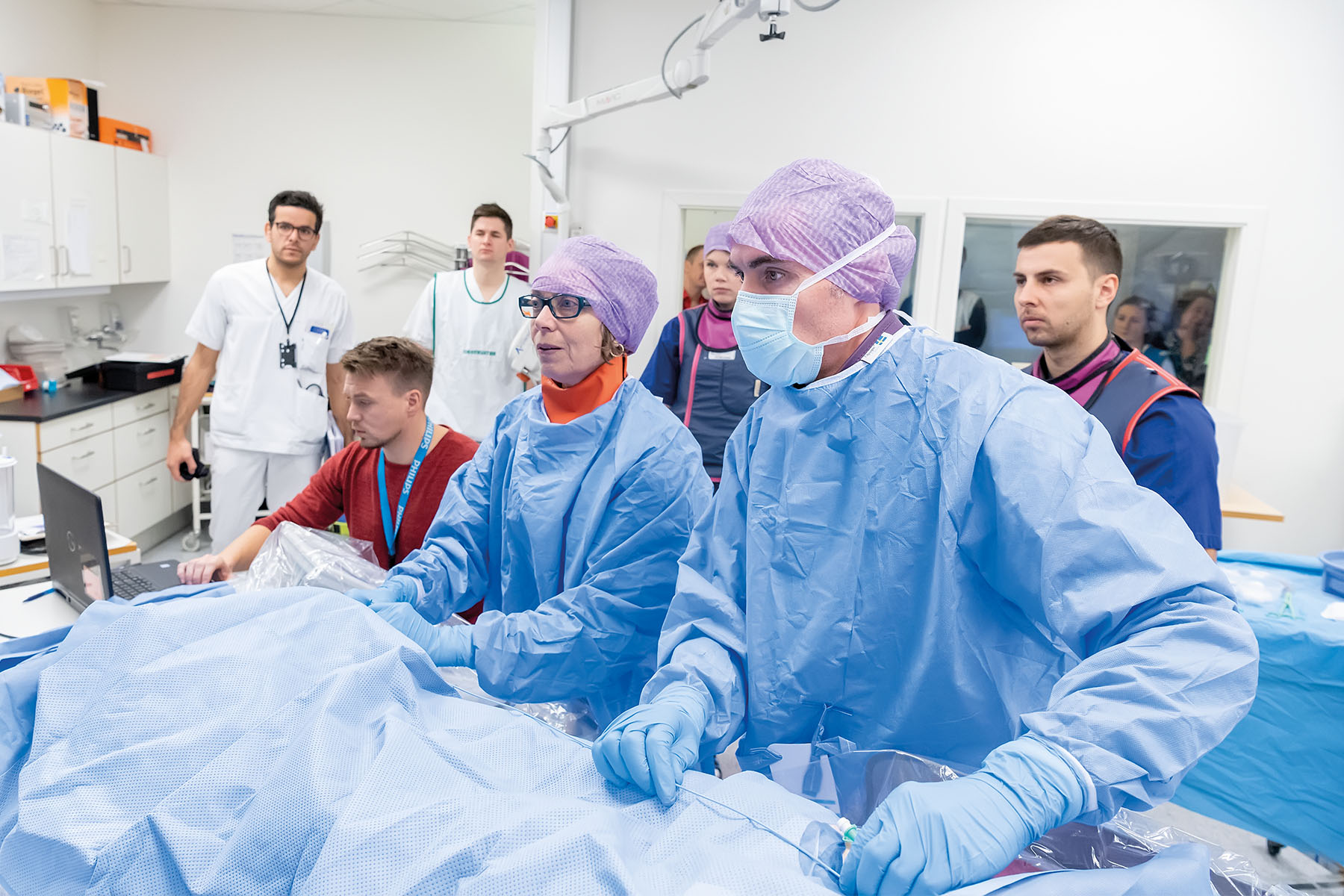
Antes de finalizar la construcción de una nueva área de trauma, el Dr. Andrew Petrosoniak y su equipo utilizaron simulaciones para probar el diseño del espacio y el flujo del equipo.
“Creemos que deberíamos simular escenarios como medio para probar el equipo y el espacio, asegurándonos de que funcionen como imaginamos. Lo hacemos para que, cuando abramos para la atención al paciente, sepamos que todos los sistemas están listos,”4 dijo el Dr. Petrosoniak.
Como resultado, más de 150 amenazas de seguridad latentes fueron abordadas—antes de que un solo paciente ingresara a la sala.
“St. Michael’s está realmente a la vanguardia en integrar al equipo clínico en el diseño del área de trabajo de la manera en que lo hicieron. Estamos agradecidos por el enfoque orientado a la seguridad del equipo de Preparación Operacional y por contar con un programa de simulación que respalde este tipo de trabajo,”5 dice el Dr. Petrosoniak.
Una iniciativa de mejora de calidad basada en simulaciones que abarcó 12 hospitales rurales ayudó a identificar deficiencias en los protocolos de hemorragia posparto. Las simulaciones revelaron retrasos en transfusiones, uso inconsistente de carritos de hemorragia y roles poco claros durante la escalada.
Tras la simulación:
Un médico obstetra compartió:
“Una semana después de que nuestro equipo de obstetricia completara el entrenamiento, tuvimos [una hemorragia posparto real]… la simulación fue invaluable.”6
Desafío a Nivel de Sistema |
Aporte de la Simulación |
| Tiempos de respuesta inconsistentes | Muestra el tiempo real de intervención bajo presión |
| Fallas en la comunicación | Expone brechas en la escalada, avisos, uso de SBAR |
| Diseño ineficiente del equipo | Revela ineficiencias en el acceso a herramientas críticas |
| Deficiencias en el diseño de protocolos | Permite probar y refinar antes del lanzamiento |
| Ambigüedad de roles | Ayuda a clarificar responsabilidades durante eventos de alta complejidad |
Aquí tienes un enfoque práctico para líderes de simulación, gestores de calidad y equipos clínicos:
Empieza con un problema real
Elige un área con problemas de seguridad conocidos o variabilidad en el rendimiento, como alertas de ictus retrasadas, traslados a la UCI neonatal, hemorragias posparto o cualquier aspecto que claramente sea un indicador de tendencia en tu departamento.
Realiza simulaciones in situ
Simula eventos en el entorno real de atención con el equipo verdadero. Observa cómo responden los sistemas, no solo los individuos.
Identifica amenazas latentes para la seguridad
Utiliza observadores entrenados para detectar problemas a nivel sistémico. Captura fallos como la distribución deficiente, redundancia de tareas o confusiones no expresadas.
Realiza un co-debriefing con el personal de primera línea
En lugar de un análisis jerárquico, invita a todos los roles a discutir lo que funcionó, lo que no y lo que debe cambiar.
Refina el sistema
Ajusta los flujos de trabajo, políticas o entornos. Luego realiza nuevas simulaciones para probar el diseño mejorado.
Mide y repite
Haz un seguimiento de los indicadores de rendimiento, como tiempos de respuesta, claridad en la comunicación o tiempo hasta la medicación, y repite las simulaciones para consolidar los cambios.
La simulación no es solo una herramienta de formación, sino un multiplicador para la mejora de sistemas. Úsala para descubrir lo que realmente está sucediendo en tus flujos de trabajo, arreglar lo que no funciona y construir sistemas de atención más seguros y eficientes.
El fallo del sistema no siempre es evidente en el papel. Pero la simulación puede hacerlo visible—y reparable. Empieza a usarla para rediseñar una atención que funcione mejor para los pacientes y los equipos que los atienden.
¿Listo para replantearte tu próxima iniciativa de mejora de calidad? Contáctanos para explorar más sobre cómo puedes empezar con la simulación.