Scaffolding Leren in CBE met SimZones en vrClinicals
In dit interview wordt onderzocht hoe de University of Kansas School of Nursing multi-modale simulatieactiviteiten ondersteunt om competentie op te bouwen.
Meer weten

Associate Professor, Directeur van Simulatie
Universiteit van Minnesota
Als je werkzaam bent in het verpleegkundig onderwijs, weet je dat klinisch redeneren een van de belangrijkste competenties blijft in de verpleegkundeopleiding. En je weet ook dat het een van de lastigste is om te onderwijzen en consequent te evalueren.
Tijdens de Simulation User Network (SUN) Conference 2026 deelde Cynthia Bradley, PhD, RN, CNE, CHSE, ANEF, Associate Professor en Directeur van Simulatie aan de School of Nursing van de Universiteit van Minnesota, hoe meeslepende virtuele realiteit in de verpleegkundeopleiding (IVR) en kunstmatige intelligentie (AI) verpleegkundig docenten kunnen helpen om de ontwikkeling van klinisch redeneren beter te begrijpen en te ondersteunen.
In dit artikel geven we een samenvatting van dr. Bradleys SUN-sessie, “Clinical Judgment, VR, and AI: A Winning Trifecta.”
Dr. Bradley baseerde haar sessie op een uitdaging die verpleegkundig docenten maar al te goed kennen. Klinisch redeneren is essentieel voor veilige zorg en direct gekoppeld aan patiëntuitkomsten, maar het is ook bijzonder complex. Zelfs wanneer studenten stappen, protocollen en processen worden aangeleerd, moeten ze nog steeds dat redeneer- en denkproces oppikken, merkte Dr. Bradley op.
Klinisch redeneren is een van de moeilijkste dingen die we proberen te onderwijzen, zei ze. Het is heel moeilijk te meten.
Traditionele klinische ervaringen lopen sterk uiteen. Zelfs studenten die op dezelfde afdeling worden geplaatst, komen verschillende patiënten en leermogelijkheden tegen. Beoordeling hangt sterk af van observatie door docenten, wat subjectief en inconsistent kan zijn.
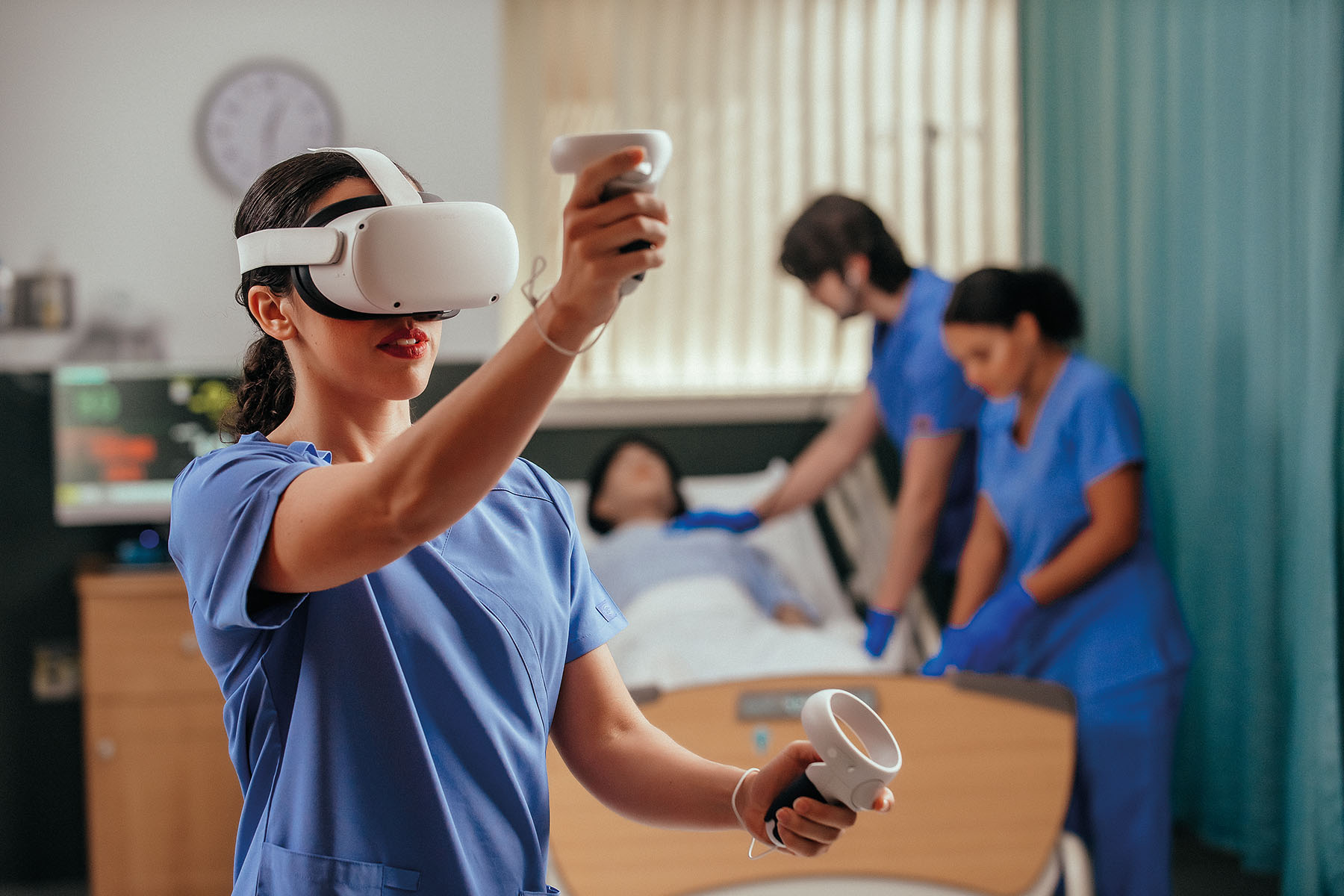
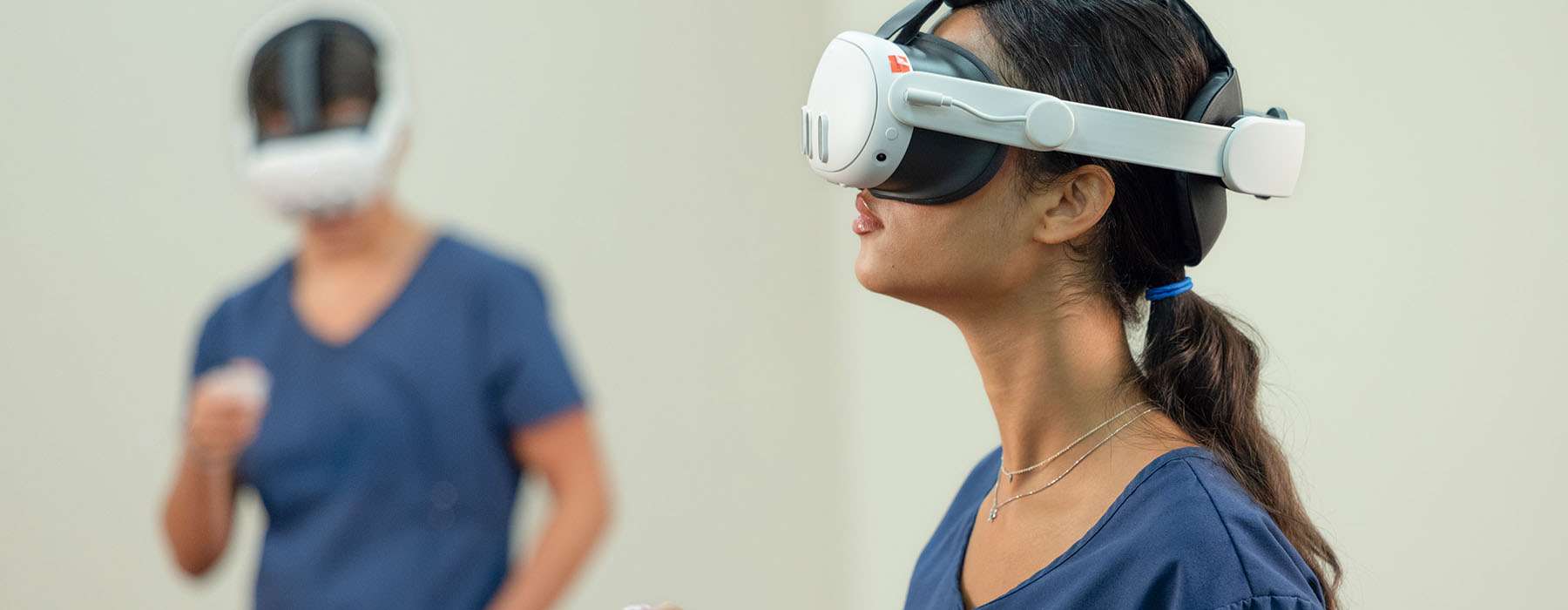
Simulatie helpt de variatie in klinische ervaringen aan te pakken, maar Dr. Bradley benadrukte dat meeslepende virtual reality (IVR) in het verpleegkundeonderwijs de standaardisatie verder brengt. In IVR ervaart iedere leerling dezelfde omgeving, signalen en beslissingsmomenten.
IVR verschuift de beoordeling ook weg van uitsluitend de interpretatie door docenten. “IVR haalt al die subjectiviteit weg — omdat het uiteindelijk gewoon een computerprogramma is,” zei ze.
Voordat IVR-platforms zoals vrClinicals for Nursing beschikbaar waren, hadden docenten beperkt inzicht in wat studenten daadwerkelijk deden tijdens gesimuleerde patiëntenzorg. “Als we niet echt begrijpen wat ze doen, hebben we geen idee hoe we hen kunnen helpen verbeteren,” zei ze.
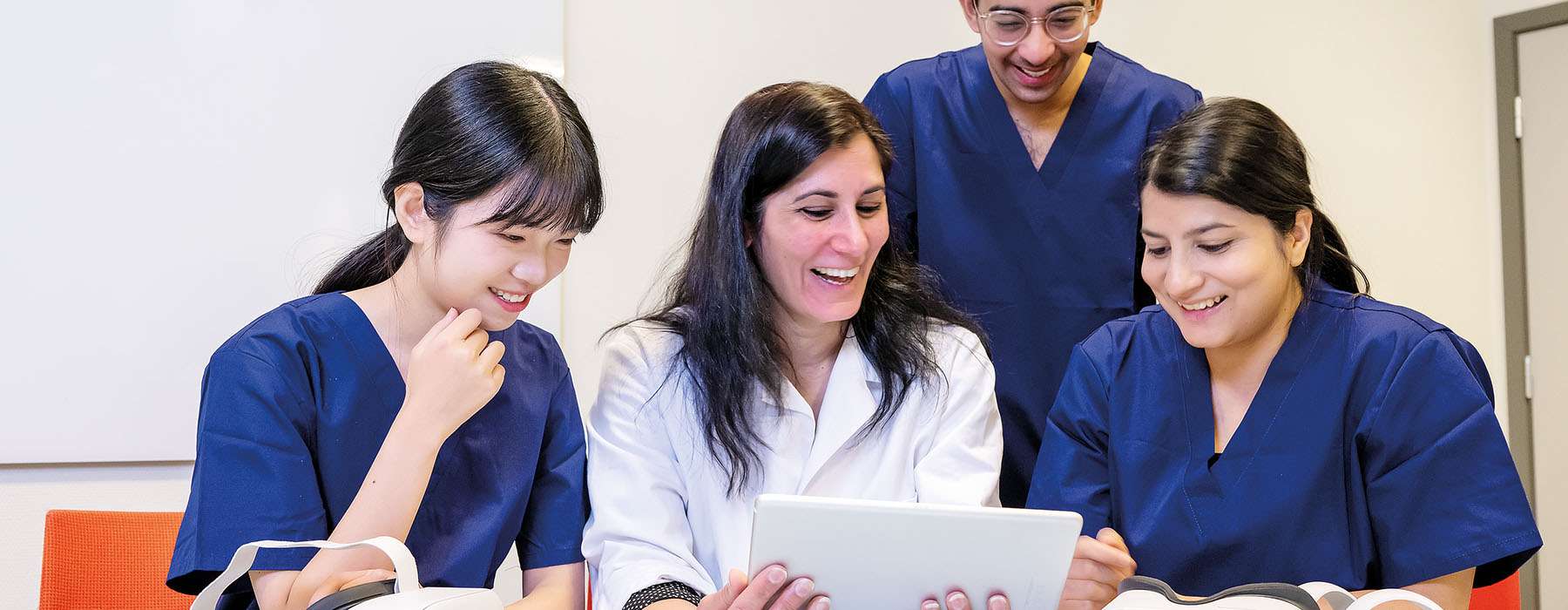
IVR-omgevingen genereren een enorme hoeveelheid lerendata. Dr. Bradley verwees naar deze data als IVR-telemetrie. Dit omvat uitgevoerde acties, timing, volgorde, weglatingen en reacties op veranderende patiëntcondities.
“We kunnen hun acties zien, we zien de timing van wat ze hebben gedaan, de volgorde van gebeurtenissen,” zei ze. “We zien wat ze niet doen. Soms is dat ook heel belangrijk om te weten.”
Binnen platforms zoals vrClinicals for Nursing kunnen docenten onderzoeken hoe studenten patiënten beoordelen, door protocollen en orders navigeren en zich voorbereiden om zorg op te schalen.
“Nemen ze contact op met de zorgverlener?” vroeg ze. “Hebben ze de gegevens die ze nodig hebben om dat te doen, of moeten ze teruggaan en opnieuw beoordelen?”
Ze wees specifiek op de waarde van omgevingen met meerdere patiënten. “We kunnen kijken naar de prioriteringspatronen,” legde ze uit. “Hoe gaan ze om met onderbrekingen?”
Door deze patronen vast te leggen via IVR-telemetrie, bieden platforms zoals vrClinicals docenten objectief bewijs van hoe lerenden signalen herkennen, zorg prioriteren, reageren op onderbrekingen en omgaan met concurrerende eisen.
“We hebben één student die zei: ‘Ik kon een aantal vragen op de NCLEX beantwoorden dankzij George [uit het VR-scenario],’” vertelde ze. Voorbeelden zoals deze illustreren hoe platforms als vrClinicals een dieper begrip en toepassing ondersteunen.
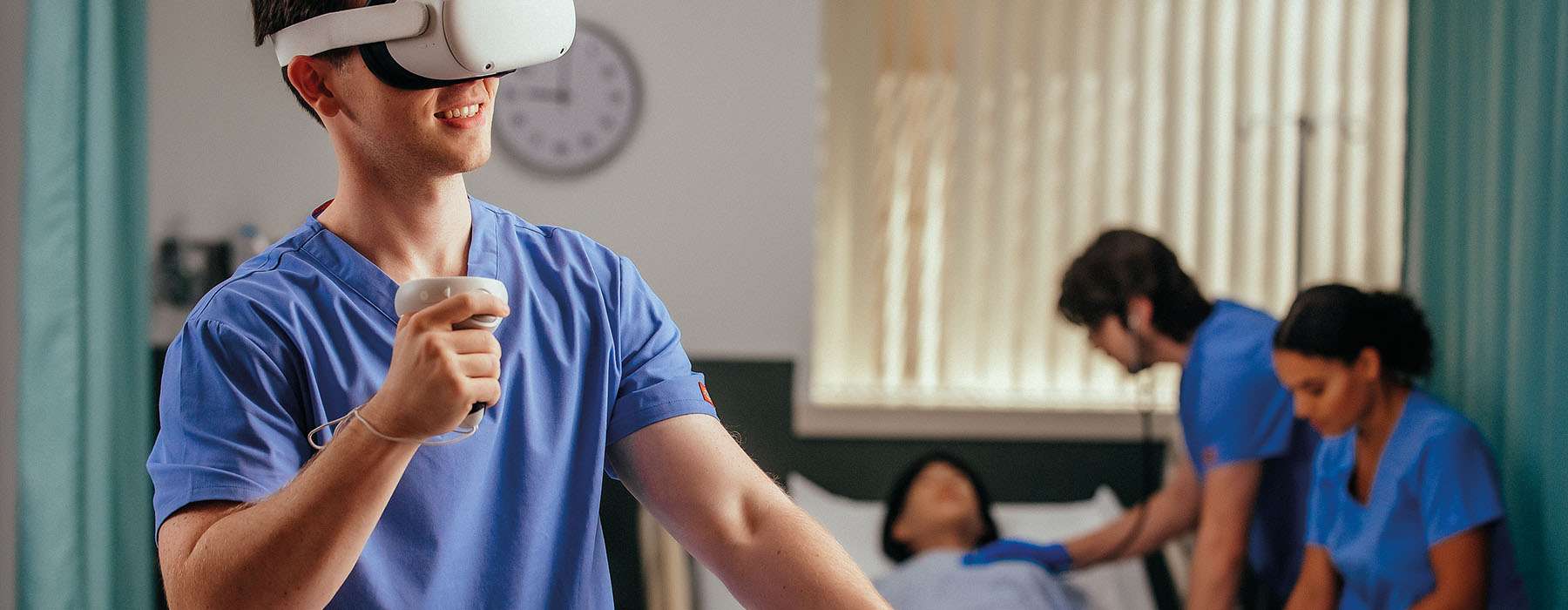
Om telemetriegegevens om te zetten in inzichten, benadrukte Dr. Bradley het belang van een gedeeld kader. Zij gebruikt het Clinical Judgment Measurement Model om het gedrag van studenten te interpreteren binnen het herkennen van signalen, analyseren van informatie, prioriteren van hypothesen, ondernemen van actie en evalueren van uitkomsten.
“Telemetrie interpreteert zichzelf niet,” legde Dr. Bradley uit. “We hebben een gedeelde bril nodig.”
Voor elk IVR-scenario moeten docenten bepalen welk gedrag in die context blijk geeft van klinisch oordeel. Heeft de student na een interventie opnieuw beoordeeld? Heeft hij of zij de situatie op de juiste manier geëscaleerd? Heeft hij of zij de zorg hergeprioriteerd toen de omstandigheden veranderden?
Met deze aanpak ontdekte Dr. Bradley een patroon bij studenten die moeite hadden. “Ze blijven maar opnieuw beoordelen en opnieuw beoordelen,” zei ze. “Ze ondernemen nooit actie.”
Omdat vrClinicals timing en volgorde vastlegt, worden die patronen zichtbaar en bespreekbaar tijdens de nabespreking, met scenario-acties en onderbrekingen die zijn ontworpen rond het Clinical Judgment Measurement Model.

AI speelt een ondersteunende rol door docenten te helpen grote hoeveelheden telemetriegegevens te organiseren en te interpreteren die worden gegenereerd door meeslepende VR-platforms zoals vrClinicals.
Maar AI vervangt verpleegkundig docenten niet. “AI zal verpleegkundig denken nooit vervangen,” merkte Dr. Bradley op. Zij benadrukte dat het oordeel van de docent centraal moet blijven staan.
Wanneer AI “met waarborgen” wordt gebruikt, helpt het docenten sneller van bewijs naar actie te gaan. “Ik wil vandaag weten: hoe hebben mijn studenten gepresteerd?” zei Dr. Bradley. “Niet volgend semester, niet volgend jaar, maar deze cohort vandaag.”
AI-ondersteunde analyse kan hiaten op cohortniveau aan het licht brengen, zoals vertragingen in escalatie, gemiste veiligheidscontroles of moeite met het beoordelen van uitkomsten. Die inzichten stellen docenten in staat om de nabespreking, remediëring en zelfs het curriculum bijna in realtime aan te passen.
“Verandert [de analyse] hoe ik debrief de volgende keer dat ik dit scenario doe? Geeft het misschien richting aan hoe ik hun voorbereidingsmateriaal moet aanpassen, of iets wat ze moeten krijgen voordat ze deze VR de volgende keer doen?” legde ze uit.
“Misschien moet het gewoon in ons curriculum worden ingebouwd, waar we iets moeten herhalen,” voegt ze eraan toe. “Competentiegericht onderwijs is niet iets eenmaligs. We willen dat ze opnieuw competentie aantonen.”
Dr. Bradley riep docenten op om doordacht met meeslepende VR om te gaan.
“Hier is mijn beste advies: begin laag en langzaam,” adviseerde ze. Ze raadde aan te beginnen met één cursus en één scenario en te investeren in een grondige introductie tot zowel de hardware als de software.
Slechte implementatie kan leiden tot frustratie bij docenten en minder zelfvertrouwen bij studenten, waarschuwde ze. “Het is heel moeilijk om die bel weer stil te krijgen,” zei ze. “Dus begin heel langzaam … en zorg voor mensen die het hele proces enthousiast uitdragen.”
Dr. Bradley sloot de sessie af door terug te keren naar het doel. Klinisch oordeelsvermogen blijft het uitgangspunt. Immersieve VR-platforms zoals vrClinicals for Nursing bieden de omgeving die rijk, objectief bewijs oplevert van de prestaties van de lerende. AI helpt docenten dit bewijs verantwoord te interpreteren.
Samen vormen klinisch oordeelsvermogen, immersieve VR en AI een krachtige trifecta die betere beoordeling, sterkere onderwijskundige beslissingen en verbeterde leerresultaten voor verpleegkundedocenten en hun studenten ondersteunt.