Skip to content

Improving patient care

Simulation-based Education

Globally, the World Health Organization estimates that medical errors result in 2.4 million deaths, every year. Harm from medical care poses a substantial burden in terms of morbidity and mortality on people around the world. It is our vision that no one should die or be disabled unnecessarily during birth or from sudden illness, trauma, or medical errors.

1 in 10 Patients Harmed while receiving healthcare
43 Million Annual patient safety incidents
$42 Billion Annual cost due to medical errors

Why improve patient safety?

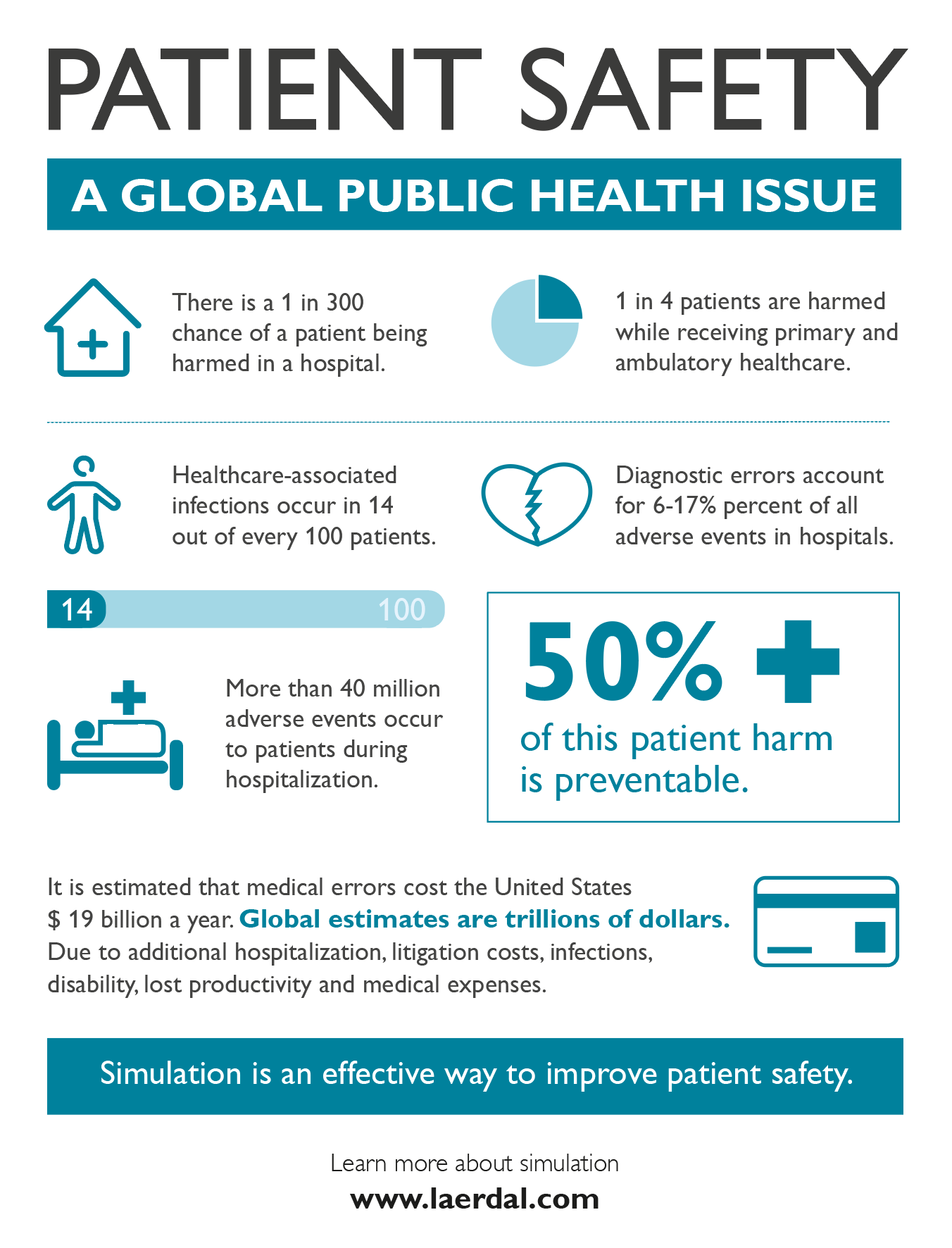
There is a 1 in 300 chance of a patient being harmed in a hospital.

1 in 4 patients are harmed while receiving primary and ambulatory healthcare.

Healthcare-associated infections occur in 14 out of every 100 patients.

More than 40 million adverse events occur to patients during hospitalization.

Getting the opportunity to practice

Simulation-based education

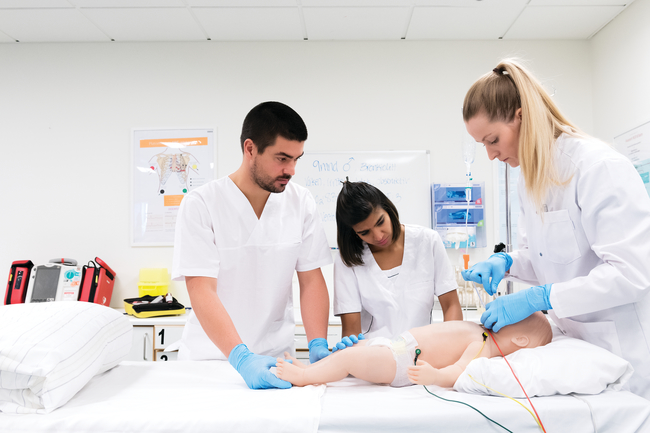
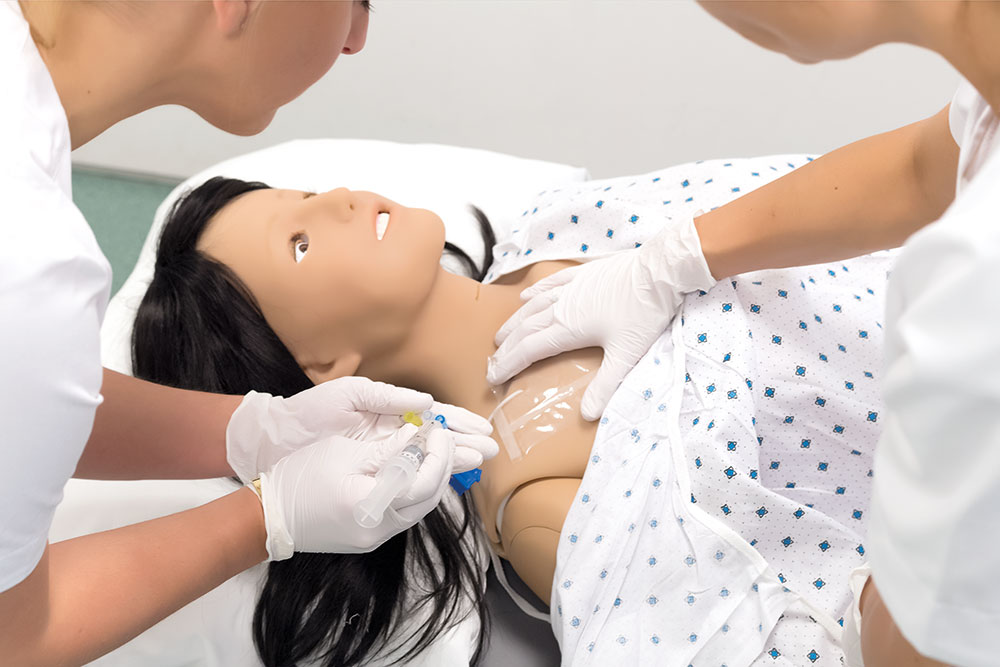
The methodology of simulation education has gained widespread recognition within the field of healthcare as a powerful tool for reinforcing clinical knowledge, improving team communication, and teaching decision-making skills. Simulation is an educational methodology, not a technology. Simulation can be used not only to teach clinical skills, but also teamwork and communication. It can also be used to standardize training, meet evidence-based guidelines, and target specific goals. There is a shift in mindset from what simulation can do to how simulation can be best used to improve patient care.

Simulation Training

10 Best Practices in Simulation

Simulation is not only about technology - simulation is about techniques, skills, and also insights into communication, teamwork, and leadership. Here are 10 best practices for simulation training...

Learn More

Innovation for impact

With more than 65 years of experience in the simulation industry, we have a long history of working with leading healthcare experts and advocacy organizations around the world. We continuously innovate to improve not only our products and services, but how to best implement them to help our customers succeed. Because we learn from the best, so can you. Our large global customer base enables us to collect feedback to modify and improve our solutions to meet real user needs. We have learned that simulation is not only about technology, simulation is about techniques which not only include skills, but also insights into communication, teamwork, and leadership.
  

Making a Business Case for Simulation?

If you plan on introducing or growing simulation within your institution, someone in your approval structure is likely to ask, “What’s the Return on Investment, the ROI?”

Learn More

Optimizing your investment

Our team of educators and technicians help you maintain your simulation equipment as well as gain the critical skills necessary to optimize performance and learning outcomes.

Learn More

Prepare for the unexpected

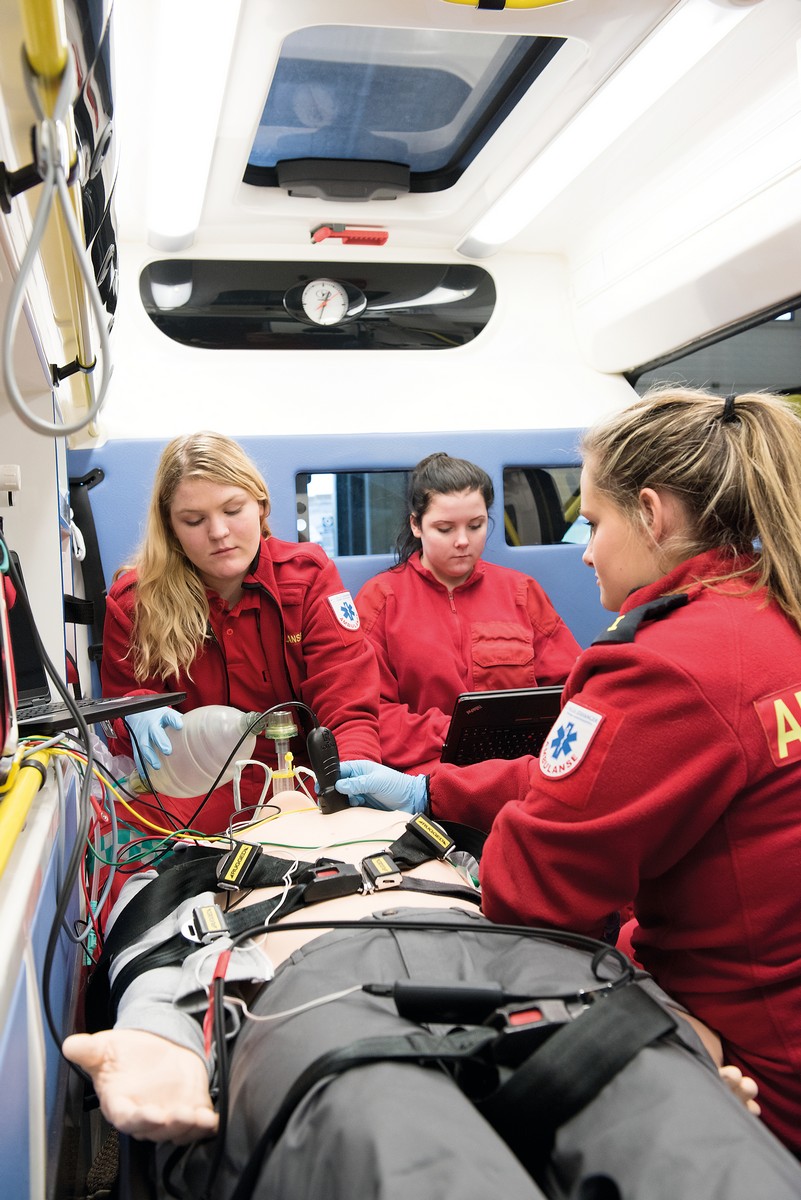
In-situ simulation training enables you to identify and address latent hazards that threaten patient safety in your working environment.

Learn More
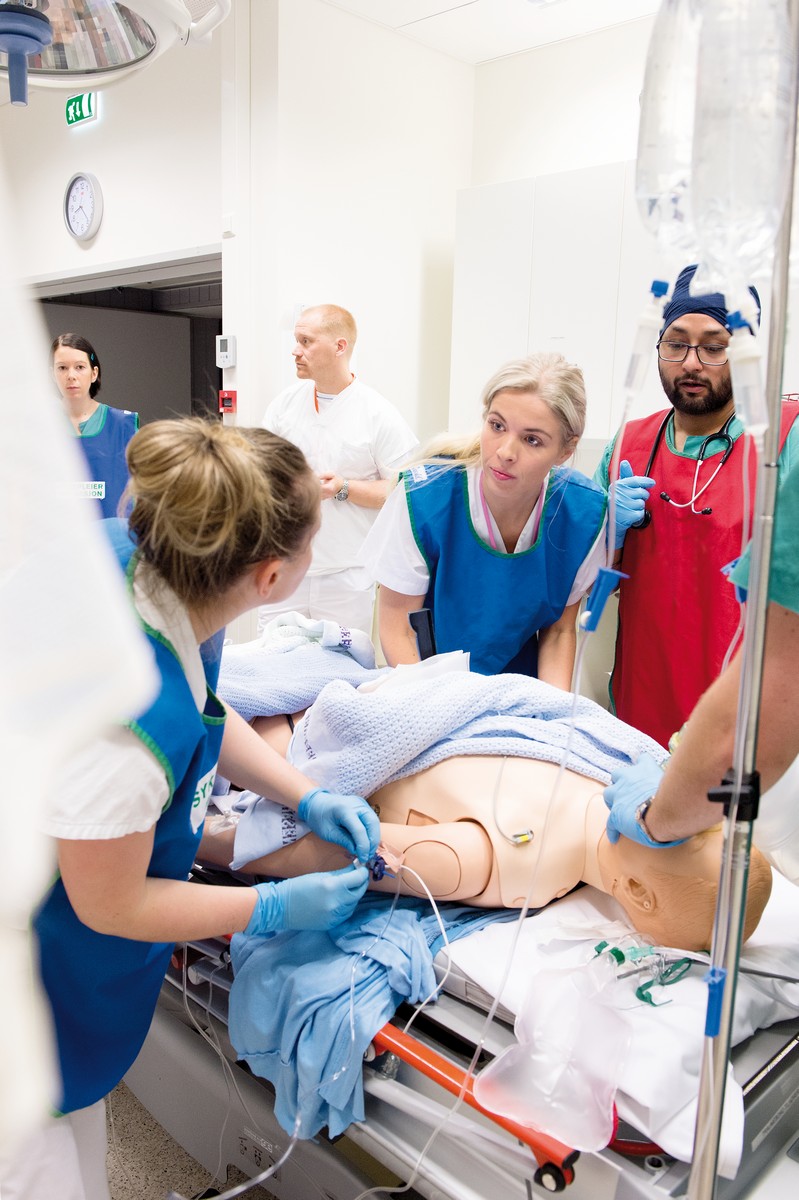
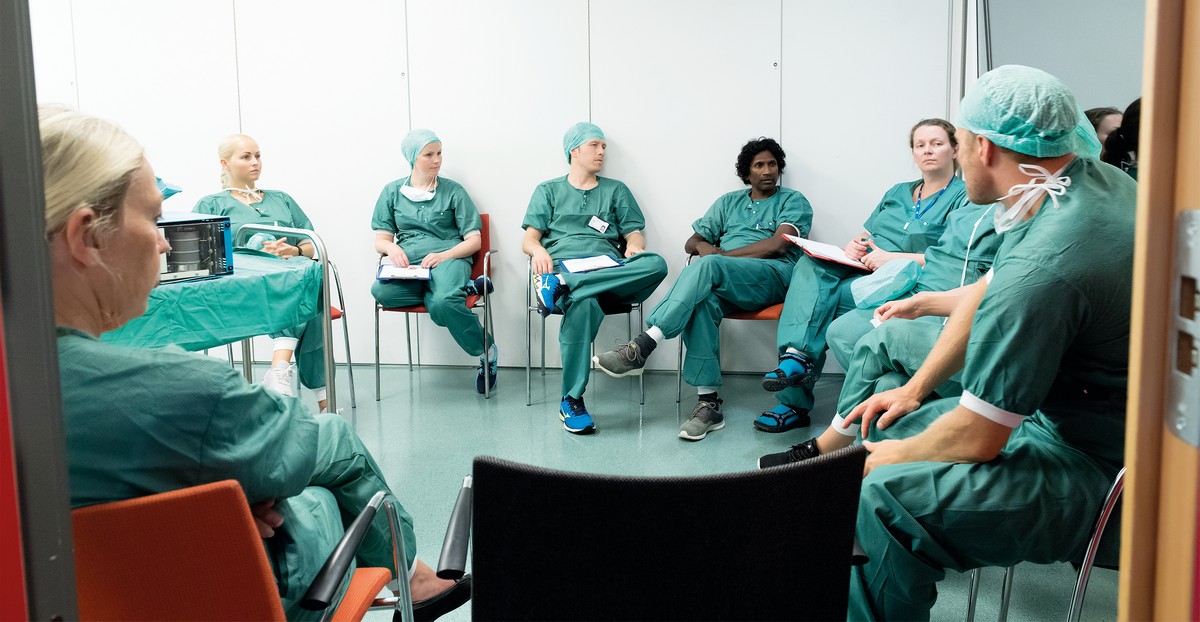
Simulation training in a hospital

Simulation & Training

Solutions designed for effective simulation training and efficient implementation

Learn More

A systematic approach to learning

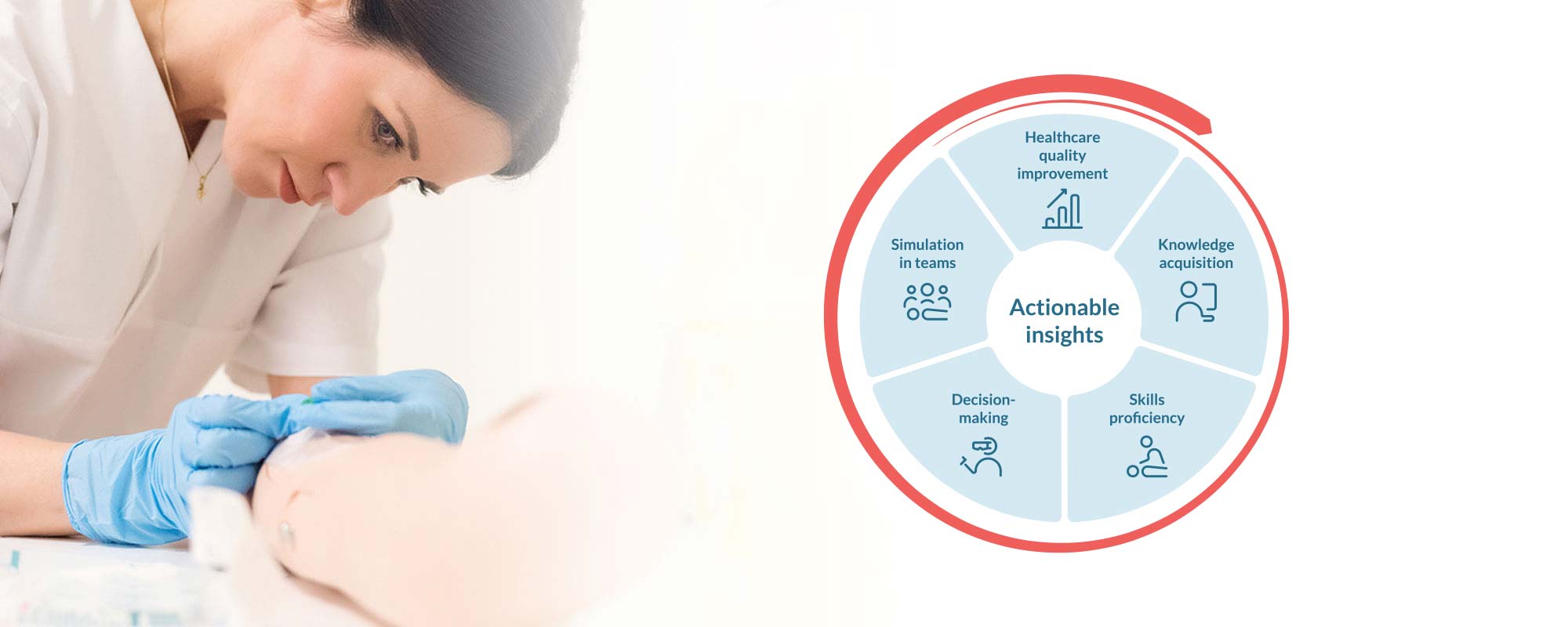
The Circle of Learning is a systematic approach to learning and teaching. It can be used to help organize and prioritize the areas of learning most relevant to your educational objectives.

Learn More

Key research

Request More Information

We will handle your personal contact details with care as outlined in Laerdal's Privacy Policy.

We will handle your personal contact details with care as outlined in Laerdal's Privacy Policy.